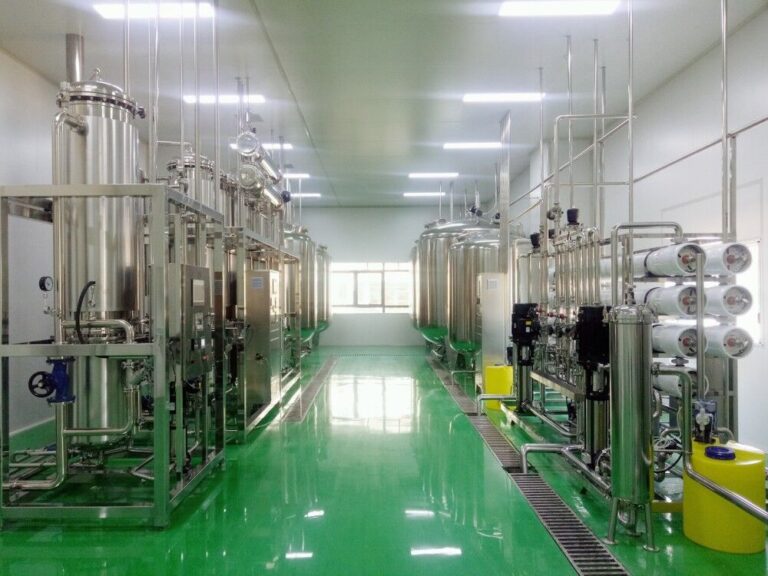
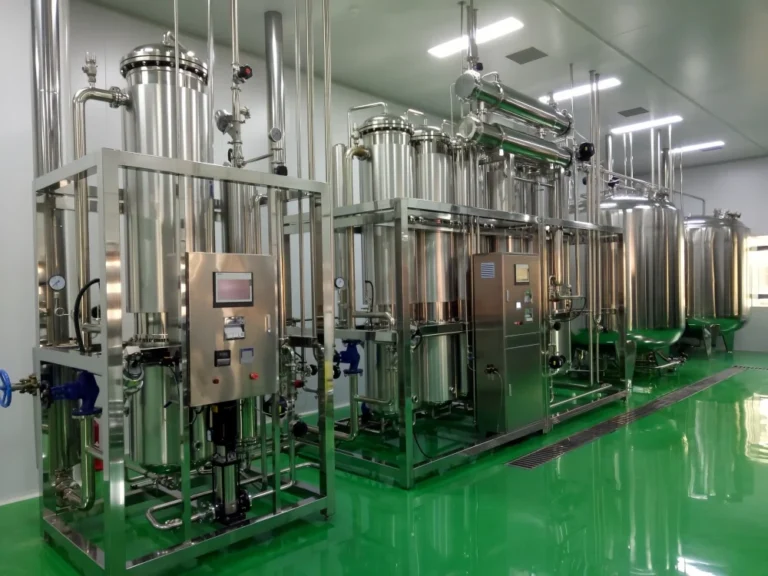
Opening: Why Your Pure Steam System is Critical?
In high-standard industries like pharmaceuticals, biotechnology, and medical devices, the Pure Steam System is more than just a source of heat; it is the core medium for Sterilization-In-Place (SIP) and other critical processes. If your Pure Steam System is substandard, it can contaminate your expensive Water for Injection (WFI) system and potentially lead to entire product batches being scrapped, triggering severe compliance issues.
The quality of Pure Steam must be equivalent to the high-purity water (usually WFI) used to generate it. So, how can you scientifically determine if your Pure Steam System truly meets “Water for Injection” standards? The answer lies in 7 crucial validation metrics.
The 7 Critical Metrics for Pure Steam System Quality Verification.
These seven metrics cover chemical, physical, and microbiological characteristics, forming the foundation for verifying that your Pure Steam System complies with international pharmacopoeia (USP, EP, JP) and GMP guidelines.
1. Non-Condensable Gas (NCG) Content
This is one of the most critical physical indicators in Pure Steam Generation validation. NCG primarily refers to air. If the content is too high, air pockets accumulate in specific areas within the sterilization chamber, creating “cold spots” that result in sterilization failure. Compliant Pure Steam requires extremely low NCG content to ensure saturated steam can fully contact and penetrate all items being sterilized.
2. Steam Dryness/Saturation
An ideal Pure Steam Generation should produce “dry saturated steam.” Steam saturation measures the proportion of liquid water entrained in the steam. If the steam is too wet (low saturation), it increases sterilization time and leaves condensation on equipment surfaces, potentially causing corrosion. If the steam is superheated (high saturation), sterilization efficiency is reduced. The required Steam Dryness Value is typically greater than 0.95.
3. Total Organic Carbon (TOC) in Steam Condensate
TOC is the key chemical indicator measuring contaminants (such as hydrocarbons, detergent residues, etc.) in the water. The TOC of the condensate generated by the Pure Steam Generation must be consistent with WFI standards, typically requiring less than 500μg/L, ensuring that organic impurities are not introduced into the product or equipment during sterilization.
4. Steam Condensate Conductivity
Conductivity reflects the content of inorganic salts and ions in the water. High conductivity indicates that the steam is carrying excessive impurities from boiler water or metal ions from the piping. Condensate from a compliant Pure Steam Generation must meet the WFI-specified conductivity standards (such as USP Stage 1), proving its equivalence to Water for Injection.
5. Bacterial Endotoxin Content
Endotoxins are lipopolysaccharides released upon the death of Gram-negative bacteria, the primary cause of pyrogenic (fever-inducing) reactions. In the pharmaceutical industry, the ultimate requirement for the Pure Steam Generation is to be pyrogen-free. Therefore, the condensate must pass the LAL (Limulus Amebocyte Lysate) test, ensuring Endotoxin content is below the regulatory limit (e.g., less than 0.25 EU/mL).
6. Inhalable Particulate Matter Content
Although steam is gaseous, if the piping and generator of the Pure Steam Generation are poorly designed, tiny particles from the inner pipe walls, such as rust or seal fragments, may be carried over. Assessing the number and size of particulates in the condensate helps evaluate the system’s cleanliness.
7. Residual Additives in Steam
The Pure Steam Generation must be generated from pure water that contains no boiler chemicals (such as amines, hydrazine, phosphates). The steam condensate should be regularly tested for these chemical residues. Zero additives are an absolute requirement distinguishing the Pure Steam System from ordinary industrial steam.
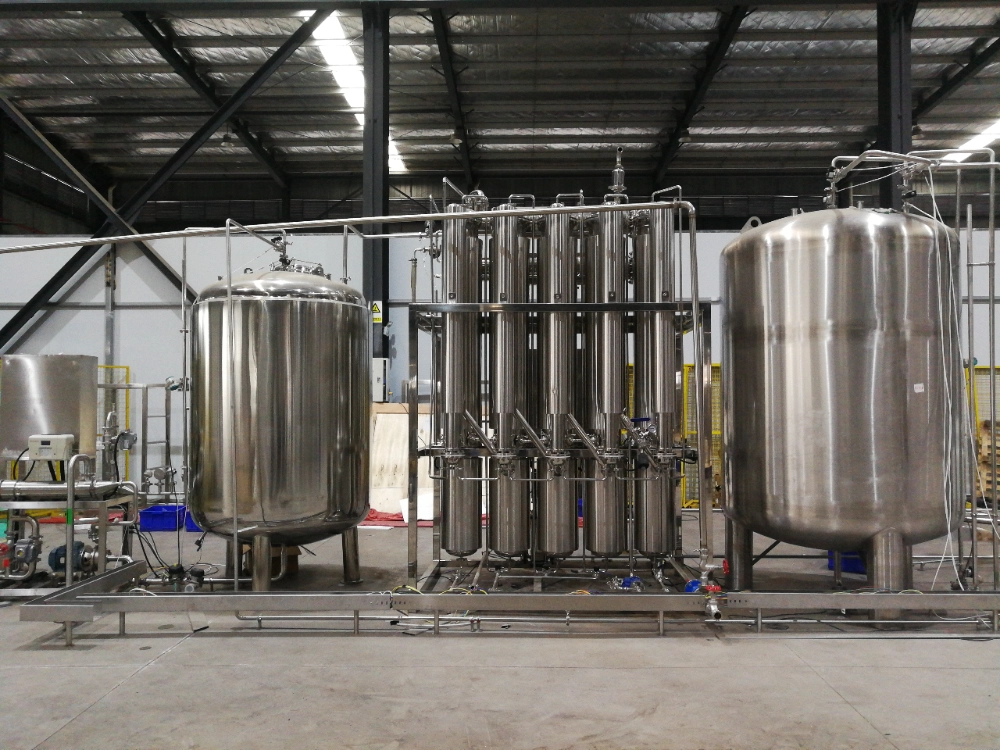
How to Ensure the Continuous Compliance of Your Pure Steam System?
A one-time validation (IQ/OQ/PQ) is insufficient; the Pure Steam System requires continuous quality maintenance:
-
Regular Sampling and Testing: Strictly perform periodic TOC, conductivity, and endotoxin tests on the steam condensate according to SOPs.
-
Optimized Piping Design: Ensure the use of high-quality 316L stainless steel piping and that welding processes (like orbital welding with double-sided argon purging) meet sanitary grade requirements.
-
Eliminating Dead Legs: Optimize the pipe layout to avoid any “dead legs” that could accumulate condensate or microbes, ensuring the length does not exceed regulatory limits (typically 2* the pipe diameter).
-
External Resources: For further understanding of GMP guidelines on Pure Steam System design and validation, please refer to the FDA’s latest Guidance for Industry on Sterile Drug Products (This is a DoFollow external link).