
ماء HPLC: شريان الحياة الخفي لعملية الكروماتوغرافيا
تُعد مياه HPLC، في الأساس، أعلى درجة من المياه المختبرية، وغالبًا ما تُصنف على أنها مياه من النوع الأول. ويجب أن تستوفي ثلاثة مواصفات غير قابلة للتفاوض:
1. المقاومة النوعية: مقياس النقاء الأيوني
المعيار: 18.2 ميجاأوم·سم عند 25 درجة مئوية.
الأهمية: تمثل هذه القيمة الحد الأقصى النظري للمقاومة التي يمكن أن يصل إليها الماء النقي، مما يؤكد إزالة الأنواع الأيونية (الأملاح والمعادن) إلى أدنى مستوى ممكن. ويضمن ذلك ألا تؤثر النقاء الأيوني على عمليات الفصل باستخدام كروماتوغرافيا السائل عالي الأداء ذات الطور العكسي (HPLC) الحساسة لقيمة الأس الهيدروجيني (pH).
2. الكربون العضوي الكلي (TOC): العدو اللدود للكروماتوغرافيا
المعيار: يجب أن يكون المستوى منخفضًا للغاية، وعادةً ما يكون ≤5 جزء في المليار (ppb).
التأثير: تُعد الجزيئات العضوية المصدر الأول للتداخل. في عملية الشطف بالتدرج، يمكن أن تتركز آثار المواد العضوية الموجودة في الماء على العمود ثم تُشطف لاحقًا، مما يؤدي إلى “القمم الشبحية” التي تقوض دقة التحليل الكمي. ولذلك، فإن التحكم في محتوى الكربون الكلي (TOC) يعد أكثر أهمية من تحقيق مقاومة كهربائية عالية.
3. امتصاص الأشعة فوق البنفسجية: الاختبار النهائي للنقاء
المتطلبات: يجب أن يثبت الماء أنه يحتوي على الحد الأدنى من امتصاص الأشعة فوق البنفسجية عند الأطوال الموجية الرئيسية المستخدمة في تحليل HPLC وLC-MS (على سبيل المثال، 214 نانومتر و254 نانومتر).
التحقق من الصحة: تؤكد قراءة الامتصاص المنخفض أن الماء خالٍ من الروابط المزدوجة المترافقة والمركبات العطرية، مما يثبت أنه غير متداخل بالفعل. وهذا هو الاختبار العملي الذي يميز الحقيقي جودة المياه المخصصة لأجهزة HPLC من المياه العادية من النوع الأول.
الملوثات التي تفسد مخططاتك الكروماتوغرافية
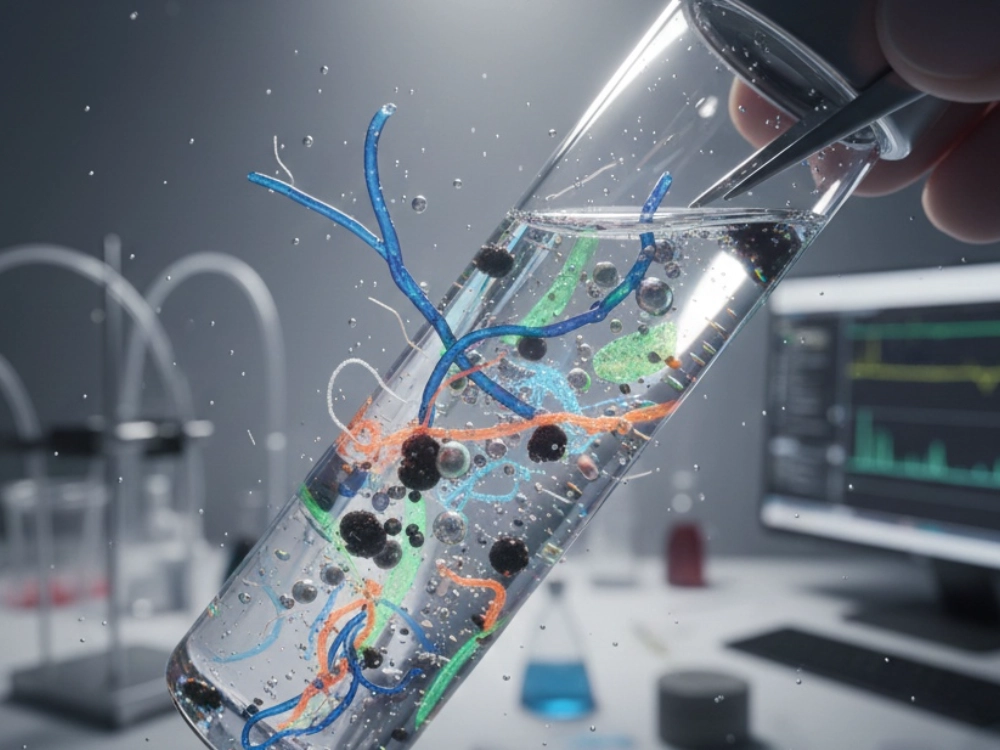
إن فهم مصدر الملوثات وتأثيرها أمرٌ حيوي لنجاح المياه المستخدمة في المختبر الإدارة، لا سيما في مجال التقنيات التحليلية الحساسة.
1. الشوائب العضوية وعدم استقرار خط الأساس
يمكن أن تتسبب المواد العضوية المتبقية، أو تلك التي تتسرب من أنابيب الصرف الصحي، أو التعرض للمركبات العضوية المتطايرة (VOCs) الموجودة في الهواء المحيط، أو حتى راتنجات التلميع نفسها، في حدوث انحراف خط الأساس أو ارتفاعات مفاجئة أثناء التشغيل. وفي التحليل الكمي، تؤثر هذه التقلبات سلبًا على حد الكشف وتؤدي إلى حدوث أخطاء غير مقبولة. ويُعد التخلص من هذه المواد العضوية أمرًا بالغ الأهمية لتحقيق خط أساس مستوٍ ومستقر.
2. الجسيمات الدقيقة وصحة العمود
تشكل الجسيمات الدقيقة، على الرغم من أنها غالبًا ما تكون غير كيميائية، تهديدًا ماديًّا. فهذه الشظايا الصغيرة يمكن أن تسد صمامات الحقن الحساسة في الجهاز، وكذلك الفريتات الملبدة الموجودة في رأس العمود الكروماتوغرافي. وينتج عن ذلك زيادة في الضغط العكسي, ، وتشوه أشكال الذروة، وانخفاض كبير في عمر العمود، مما يؤدي إلى تكاليف استبدال وفترات تعطل كبيرة. ولذلك، فإن جميع ماء HPLC يجب أن يمر عبر عملية التحقق من صحة 0.22 ميكرومتر مرشح طرفي.
3. المنتجات الثانوية الميكروبية والسموم الداخلية
على الرغم من أن البكتيريا لا تشكل عادةً مصدر قلق بنفس الدرجة التي تشكلها في مجال إنتاج الأدوية، إلا أنها يمكن أن تتكاثر في المياه الراكدة المياه المستخدمة في المختبر. ومع موتهم وتحللهم، تصبح نواتجهم الثانوية — التي غالبًا ما تكون عضوية — مصادر للكربون العضوي الكلي (TOC)، مما يؤدي إلى تلوث مستمر لتدفق المياه وربما يؤدي إلى تكوين البيوفيلم داخل خطوط التوزيع.
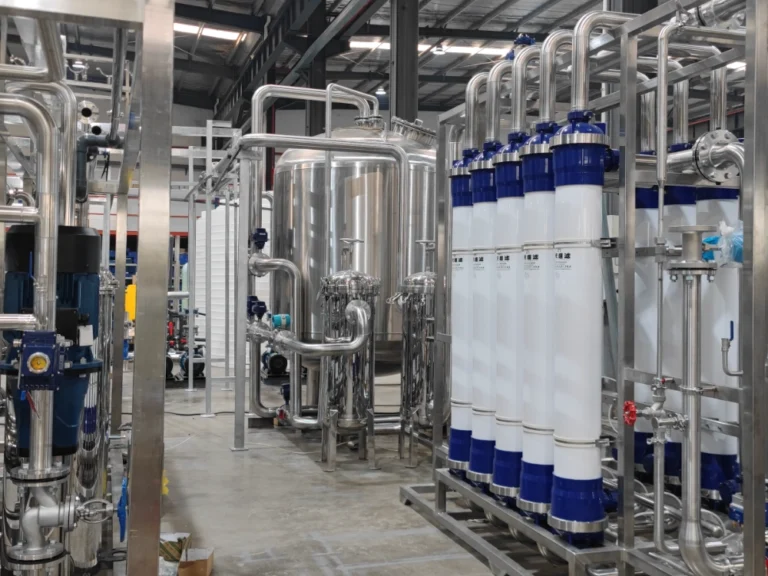
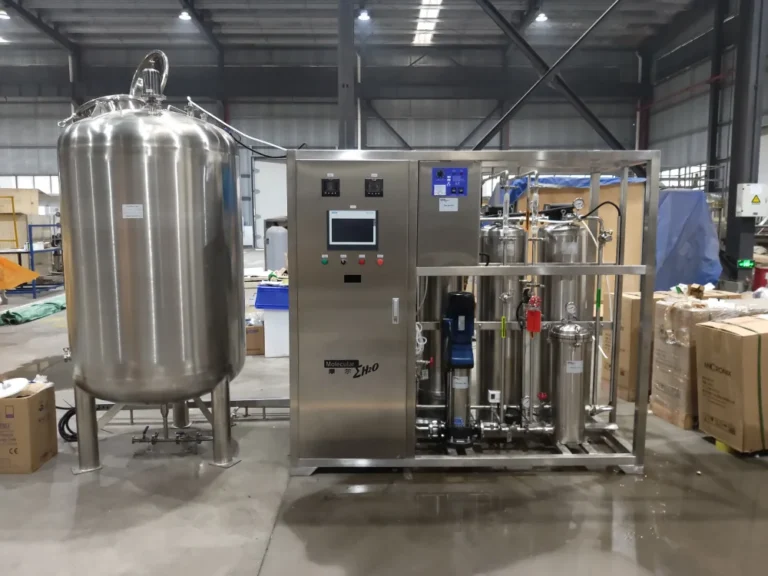
طرق الإنتاج المتقدمة لمياه HPLC من النوع الأول
يتطلب تحقيق معيار 18.2 ميجاأوم·سم والحفاظ عليه وجود نظام تنقية قوي ومتعدد المراحل.
1. مؤسسة التطهير
تبدأ العملية بـ المعالجة المسبقة (إزالة الكلور والصلابة) ثم التناضح العكسي (RO) لإزالة الملوثات من 95-99%. ثم تدخل المياه إلى مرحلة إزالة الأيونات (DI), ، وغالبًا ما يتم ذلك باستخدام مزيج من راتنجات التبادل الأيوني أو عملية إزالة الأيونات الكهربائية (EDI)، مما يرفع المقاومة لتقترب من الحد الأقصى النظري.
2. تلميع الأطراف: مفتاح انخفاض مستوى مادة الكربون الكلية (TOC)
المرحلة الأخيرة هي التي ترفع الماء إلى جودة المياه المخصصة لأجهزة HPLC عن طريق إزالة الآثار المتبقية من المواد العضوية:
الأكسدة بالأشعة فوق البنفسجية (185 نانومتر): يُعد هذا الضوء فوق البنفسجي القوي ذو الطول الموجي القصير جوهر عملية إزالة مركب الكربون الكلي (TOC). فهو يتمتع بالطاقة الكافية لـ تفكيك الجزيئات العضوية الكبيرة المتبقية إلى جزيئات صغيرة متأينة (مثل حمض الكربونيك).
حزمة تلميع الأطراف: Specialized،, راتنجات التبادل الأيوني المخصصة للاستخدامات النووية ثم يقوم باحتجاز هذه الشظايا العضوية التي تم تأينها حديثًا، مما يؤدي فعليًّا إلى “تنقية” الماء إلى مستوى TOC أقل من 5 جزء في المليار. ويُعد هذا المزيج من الأكسدة بالأشعة فوق البنفسجية والراتنج الجديد أمرًا ضروريًّا لأي نظام إنتاج المياه المستخدمة في تقنية HPLC.
الترشيح الفائق (اختياري): بالنسبة للتطبيقات عالية الحساسية مثل LC-MS (الكروماتوغرافيا السائلة – مطياف الكتلة)، يمكن إضافة مرشح فائق (UF) لإزالة الجزيئات الكبيرة، والنيوكليازات، وآثار الإندوتوكسينات.
مراقبة الجودة والصيانة لضمان نقاء المياه المستخدمة في التحليل الكروماتوغرافي السائل عالي الكفاءة (HPLC)
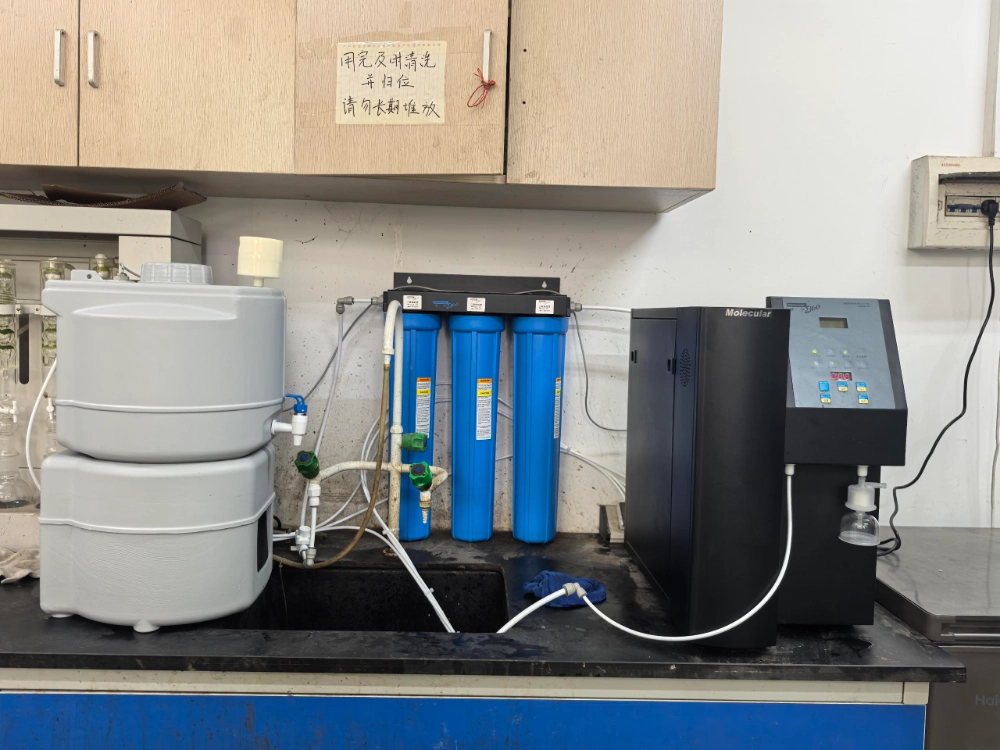
تعتمد نتائج التحليل المتسقة على اتساق معايير نقاء المياه في تحليل HPLC. الصيانة السليمة هي السبيل الوحيد لضمان هذا الاتساق.
1. التحقق من الصحة: بروتوكول التشغيل الفارغ
يجب التحقق من أي مصدر مياه جديد أو نظام تنقية تم صيانته مؤخرًا مباشرةً على جهاز HPLC. و بروتوكول التشغيل الفارغ ويتمثل ذلك في استخدام الماء المنقى كمرحلة متحركة. ويجب أن يُظهر مخطط الكروماتوغرام خط أساس مسطح خالٍ من أي قمم شبحية ذات دلالة إحصائية عند أطوال الموجات التشغيلية للكشف. وإذا تسبب الماء نفسه في حدوث تشويش، فإن التحليل يكون غير صالح.
2. أفضل الممارسات في مجال الصيانة
الاستبدال في الوقت المناسب: يحدد العمر الافتراضي لخرطوشة التلميع النهائية بشكل مباشر جودة المياه المخصصة لأجهزة HPLC. في اللحظة التي تُظهر فيها شاشة جهاز TOC أو قراءة المقاومة أي عند حدوث تقلب، يجب استبدال الخرطوشة.
الدوران المستمر: عالية النقاء المياه المستخدمة في المختبر يجب الاحتفاظ بها في الدوران المستمر لمنع الركود، الذي يؤدي بسرعة إلى نمو الميكروبات وتسرب المواد العضوية من الأنابيب.
حماية الغلاف الجوي: يجب حماية صنبور التوزيع بواسطة مرشح فتحة التهوية لمنع ثاني أكسيد الكربون الموجود في الهواء من الذوبان في الماء (مما يؤدي إلى انخفاض المقاومة الكهربائية) ولمنع دخول المركبات العضوية المتطايرة من جو المختبر.
الخلاصة: جودة المياه هي مفتاح نجاح عملية الفصل
إن بلوغ قيمة 18.2 ميغاأوم·سم ليس سوى نقطة البداية من أجل ماء HPLC. تتطلب النقاوة الكروماتوغرافية الحقيقية نظامًا يتم تصميمه وصيانته والتحقق من صلاحيته بهدف القضاء على التهديد الخفي المتمثل في الملوثات العضوية. ومن خلال الاستثمار في نظام مخصص مياه من النوع الأول من خلال استخدام نظام تنقية يعتمد على الأكسدة بالأشعة فوق البنفسجية وصيانة النظام بشكل سليم، فإنك تضمن أن المياه التي تستخدمها تدعم نتائج تحليلاتك الحاسمة — بدلاً من أن تضعفها.
هل ترغب في تحديث نظام المياه من النوع الأول في مختبرك لتلبية المعايير الحاسمة الخاصة بتقنيات HPLC/LC-MS؟ اتصل بخبراء معالجة المياه لدينا اليوم للحصول على استشارة بشأن نظام مخصص وخطة للتحقق من صلاحيته.