
مادة مسببة للحمى لا يُعد التلوث مجرد مسألة تتعلق بالامتثال للمعايير؛ بل هو مسألة حاسمة تتعلق بسلامة المرضى وتتطلب اهتمامًا فوريًا من جميع الأطراف الفاعلة في قطاعي معالجة المياه والرعاية الصحية. وبالنسبة للمرافق التي تقدم خدمات غسيل الكلى، فإن المياه المستخدمة في العلاج تُعدُّ في الأساس مسارًا مباشرًا إلى مجرى الدم لدى المريض. ولذلك، فإن التحكم في مادة مسببة للحمى ومستويات الإندوتوكسين هي غير قابل للتفاوض من أجل البقاء والامتثال.
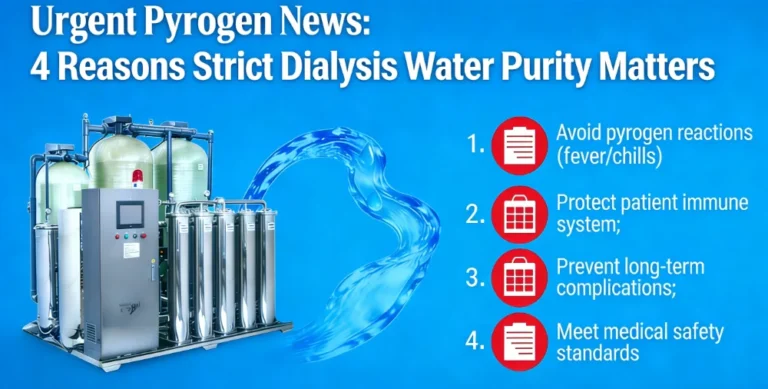
تتناول هذه المقالة بالتفصيل الأربعة الأهم الأسباب التي تجعل من الضروري اتباع إجراءات صارمة مادة مسببة للحمى يُعد التحكم في مياه غسيل الكلى أمرًا بالغ الأهمية.
لماذا يشكل التعرض للبيروجين خطرًا مميتًا (التفاعلات الحادة)
متى المواد المسببة للحمى—وخاصةً الإندوتوكسينات البكتيرية—تدخل إلى الدورة الدموية للمريض أثناء غسيل الكلى، فإنها تثير استجابات التهابية حادة وخطيرة. وقد يتجلى ذلك سريعًا في شكل حمى وقشعريرة وانخفاض ضغط الدم، بل وحتى صدمة إنتانية، مما يشكل قاتل وخطراً مباشراً على المريض.
-
رؤية حاسمة: تحدد إدارة الغذاء والدواء الأمريكية (FDA) ودساتير الأدوية الدولية مستويات تدخل منخفضة للغاية بالنسبة للإندوتوكسينات، لأن حتى أدنى درجة من التلوث يمكن أن تؤدي إلى عواقب وخيمة على مرضى غسيل الكلى المعرضين للخطر.
-
خطوة عملية: يجب تنفيذ عملية مراقبة مستمرة وتتبع اتجاهات مستويات الأندوتوكسين، وليس الاكتفاء باختبار كل دفعة على حدة.
التهديد الصامت للالتهاب المزمن (الأضرار طويلة الأمد)
وبصرف النظر عن التفاعلات الحادة، فإن التعرض بمستويات منخفضة لـ المواد المسببة للحمى يرتبط التعرض على المدى الطويل بالمضاعفات المزمنة. فالتعرض المتكرر، حتى عند التركيزات التي تعتبر “مقبولة” وفقًا لمعايير عفا عليها الزمن، يسهم في حدوث حالة من الالتهاب المزمن.
-
التأثير على المدى الطويل: يُعد هذا الالتهاب الصامت عاملاً رئيسياً في تطور وتسارع الإصابة بداء الأميلويد المرتبط بغسيل الكلى، وسوء التغذية، ومقاومة العلاج بالإريثروبويتين، مما يؤثر بشكل كبير على جودة حياة المرضى ومعدلات بقائهم على قيد الحياة.
-
التحقق من كثافة الكلمات المفتاحية: نحن نقوم بدمج مادة مسببة للحمى الكلمة المفتاحية أثناء مناقشة آثارها المرضية.
الامتثال للوائح التنظيمية: تجنب الفشل الجسيم في عملية التدقيق
يُعد الامتثال للمبادئ التوجيهية التي تضعها الهيئات التنظيمية (مثل AAMI وISO ووزارات الصحة المحلية) أمرًا أساسيًّا لتشغيل وحدة غسيل الكلى. وتنص هذه اللوائح بشكل محدد على الحد الأقصى المسموح به لمستوى الإندوتوكسينات في المياه المستخدمة في غسيل الكلى الدموي. وعدم الامتثال لهذه صارم مادة مسببة للحمى يؤدي تجاوز هذه الحدود إلى فشل فوري في عملية التدقيق وإغلاق محتمل للمنشأة.
-
المعيار: يجب أن تستوفي المياه المستخدمة في تحضير محلول غسيل الكلى باستمرار المعايير المطلوبة فيما يتعلق بالإندوتوكسين (على سبيل المثال، عادةً <0.25 وحدات الإندوتوكسين (EU)/مل).
-
رابط خارجي (DoFollow): لمعرفة المزيد عن معايير AAMI الخاصة بمعالجة المياه، ينبغي عليك الرجوع إلى أحدث إصدار من إرشادات ANSI/AAMI RD52.
الحفاظ على سلامة نظام المياه بأكمله
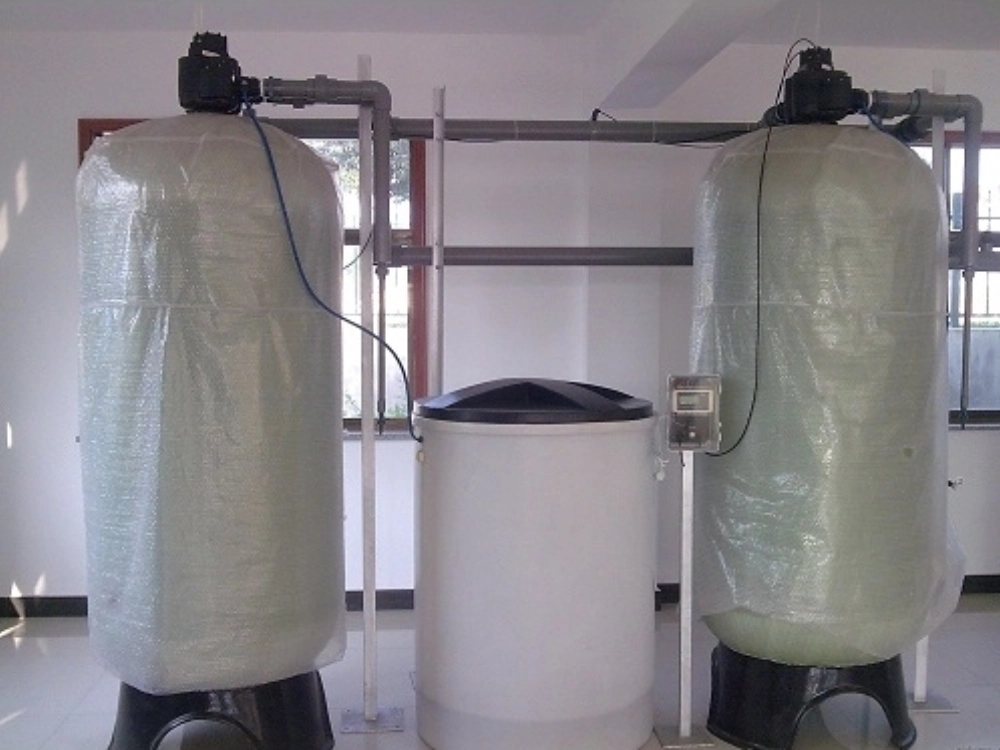
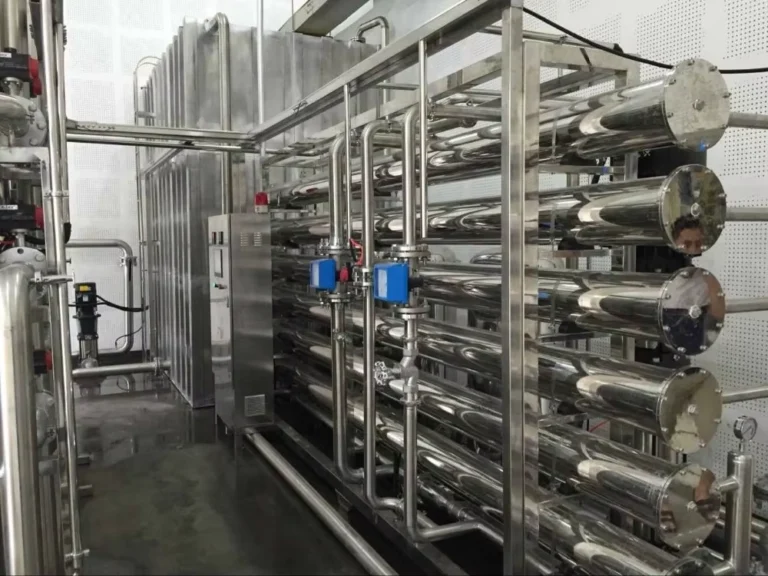
ثغرة في مادة مسببة للحمى غالبًا ما يشير عدم الفعالية إلى وجود خلل جوهري في عملية معالجة المياه بأكملها — سواء كان ذلك بسبب عدم كفاية التطهير، أو اختراق المرشح، أو تكاثر الطبقة الحيوية. معالجة مادة مسببة للحمى يُجبر التلوث مديري المنشآت على تقييم سلامة كل مكون والحفاظ عليها، بما في ذلك أنظمة المعالجة الأولية وأنظمة التناضح العكسي (RO) ودوائر التوزيع.
-
التدابير الوقائية: يُعدّ التحقق المنتظم من سلامة النظام، والتطهير الحراري أو الكيميائي، واستخدام المرشحات الفائقة أساسي الخطوات اللازمة لمنع نمو الأغشية الحيوية وما يتبع ذلك من مادة مسببة للحمى الإصدار.
-
نصيحة من الخبراء: يجب أن يستخدم فريق إدارة المياه لديكم طريقة اختبار موثوقة ومُثبتة الفعالية لقياس ما يلي بثقة مادة مسببة للحمى المستويات.
الخلاصة: النقاء هو الأهم
تؤكد الأسباب الأربعة المذكورة أعلاه على أمر واحد حاسم الحقيقة: في غسيل الكلى، ترتبط نقاء المياه ارتباطًا مباشرًا بنتائج العلاج لدى المرضى. إعطاء الأولوية لـ الإندوتوكسين لا يقتصر دور الرقابة على مجرد الامتثال للقوانين فحسب؛ بل هو التزام أخلاقي بتوفير الرعاية الأكثر أمانًا قدر الإمكان.
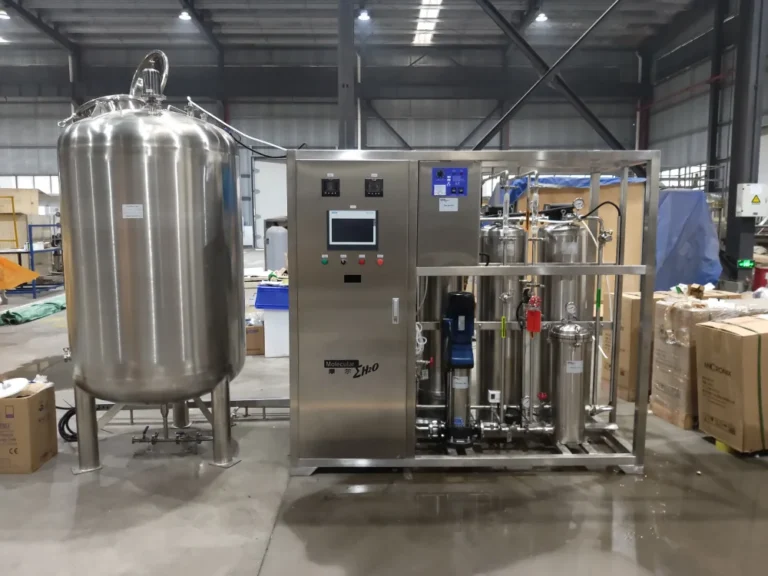
تحقيق درجة نقاء فائقة،, الإندوتوكسين- يتطلب التخلص من المياه الملوثة نهجاً متعدد الحواجز. 4 أساسي تشكل هذه التقنيات العمود الفقري لنظام موثوق الإندوتوكسين نظام التحكم:
1. التناضح العكسي (RO): حاجز مادي أساسي، يتمتع بفعالية عالية في إزالة غالبية الإندوتوكسينات بفضل وزنها الجزيئي الكبير.
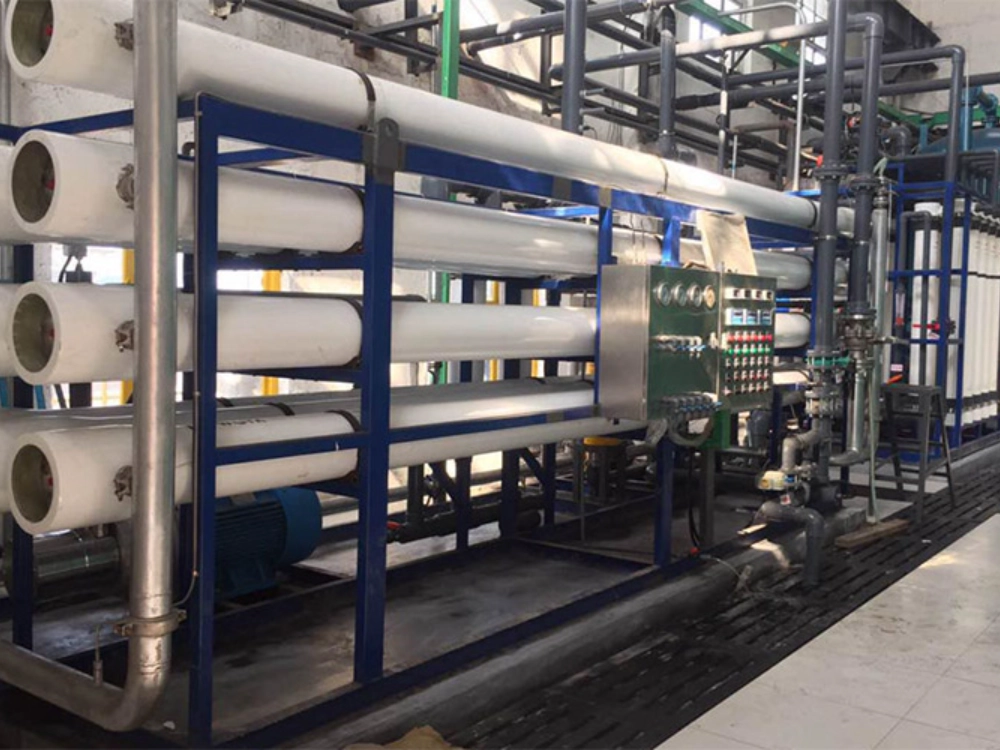
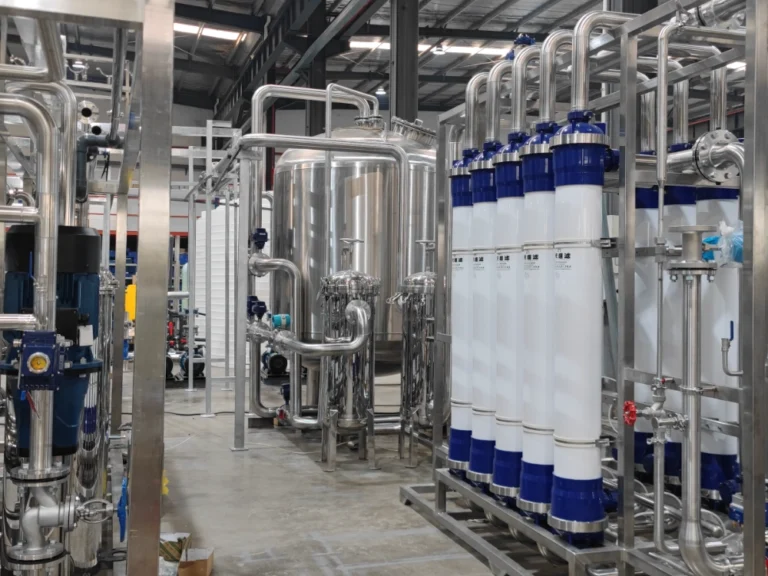
2. الترشيح الفائق (UF): بعد مرحلة التناضح العكسي (RO)، تُستخدم مرشحات فائقة التخصيص ذات حد قطع ضيق للوزن الجزيئي (MWCO) وهي حاسم لتنقية المياه واحتجاز أي آثار للسموم الداخلية التي قد تتسرب عبر أغشية التناضح العكسي.
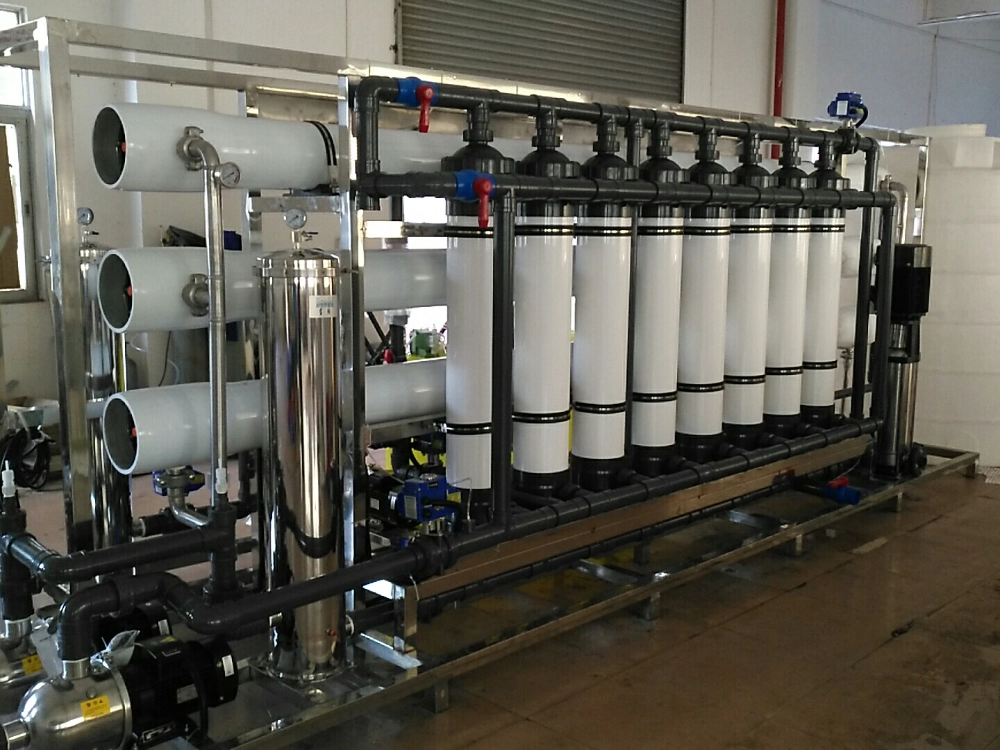
3. التعقيم المستمر: يُعد منع تراكم الأغشية الحيوية في حلقات التوزيع أمرًا أساسيًّا، حيث إن الأغشية الحيوية هي مصدر معظم بيروج التلوث.
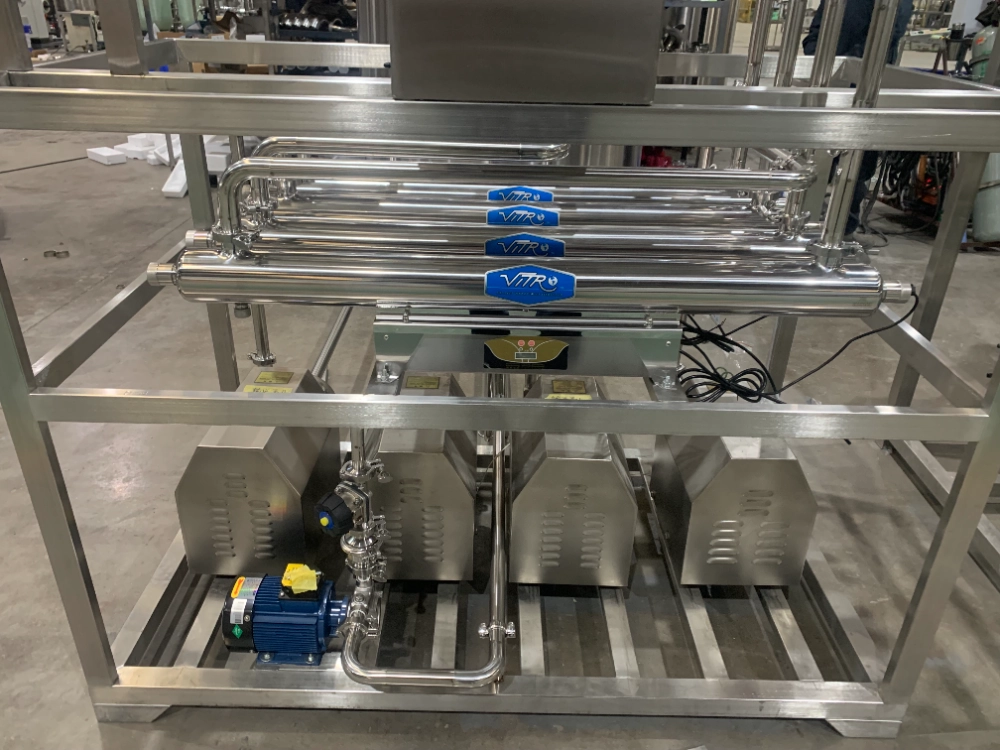
4. إزالة الأيونات (DI): على الرغم من أن الغرض الأساسي من راتنجات التناضح العكسي هو إزالة الأيونات، إلا أنه يجب تعقيمها بشكل متكرر لمنعها من أن تصبح بيئة مواتية لتكاثر البكتيريا، التي بدورها تطلق المواد المسببة للحمى.