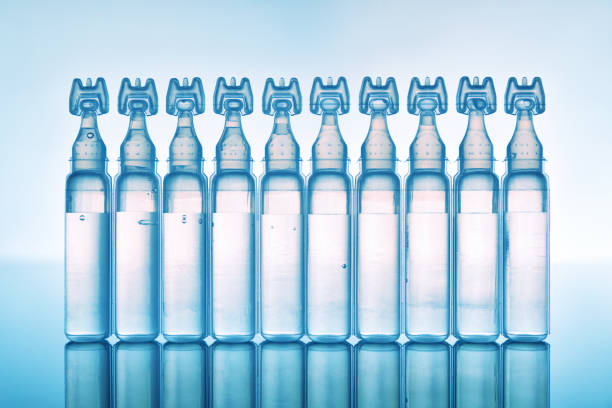
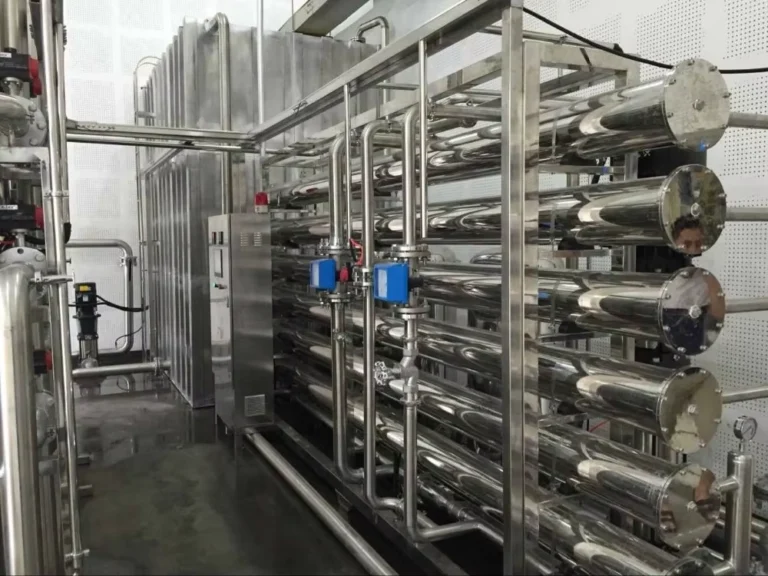
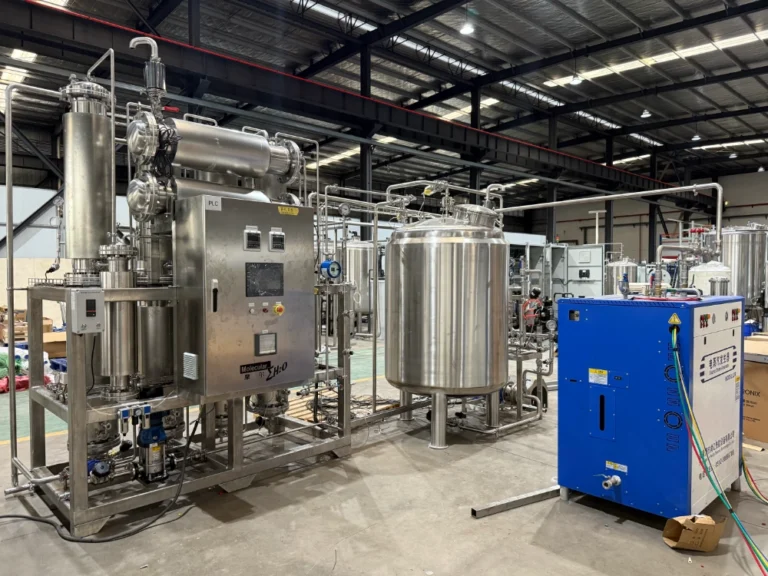
المياه المخصصة للحقن (WFI): المعيار الذهبي للسلامة
صرامة الطهارة
ماء للحقن وهي في جوهرها النسخة فائقة النقاء من PW. وهي ضرورية لأي دواء يُعطى عن طريق الحقن (متجاوزًا الجهاز الهضمي) أو يُستخدم في الشطف النهائي للمكونات المعقمة.
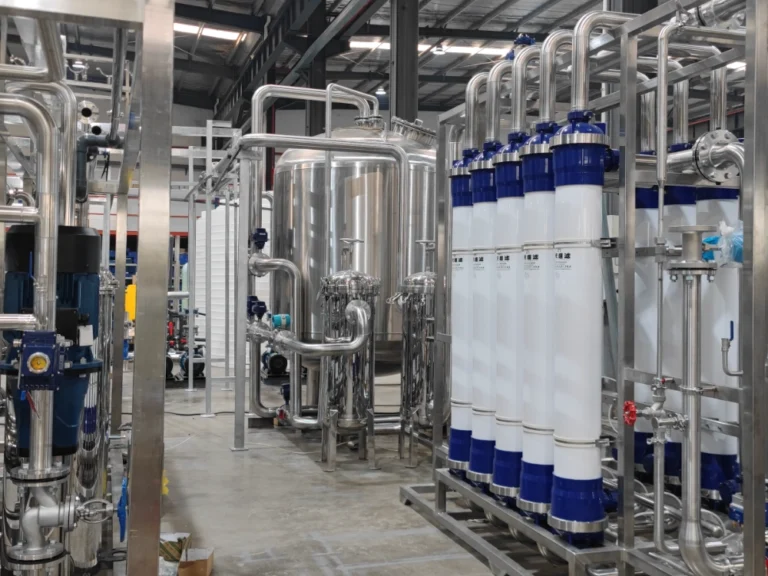
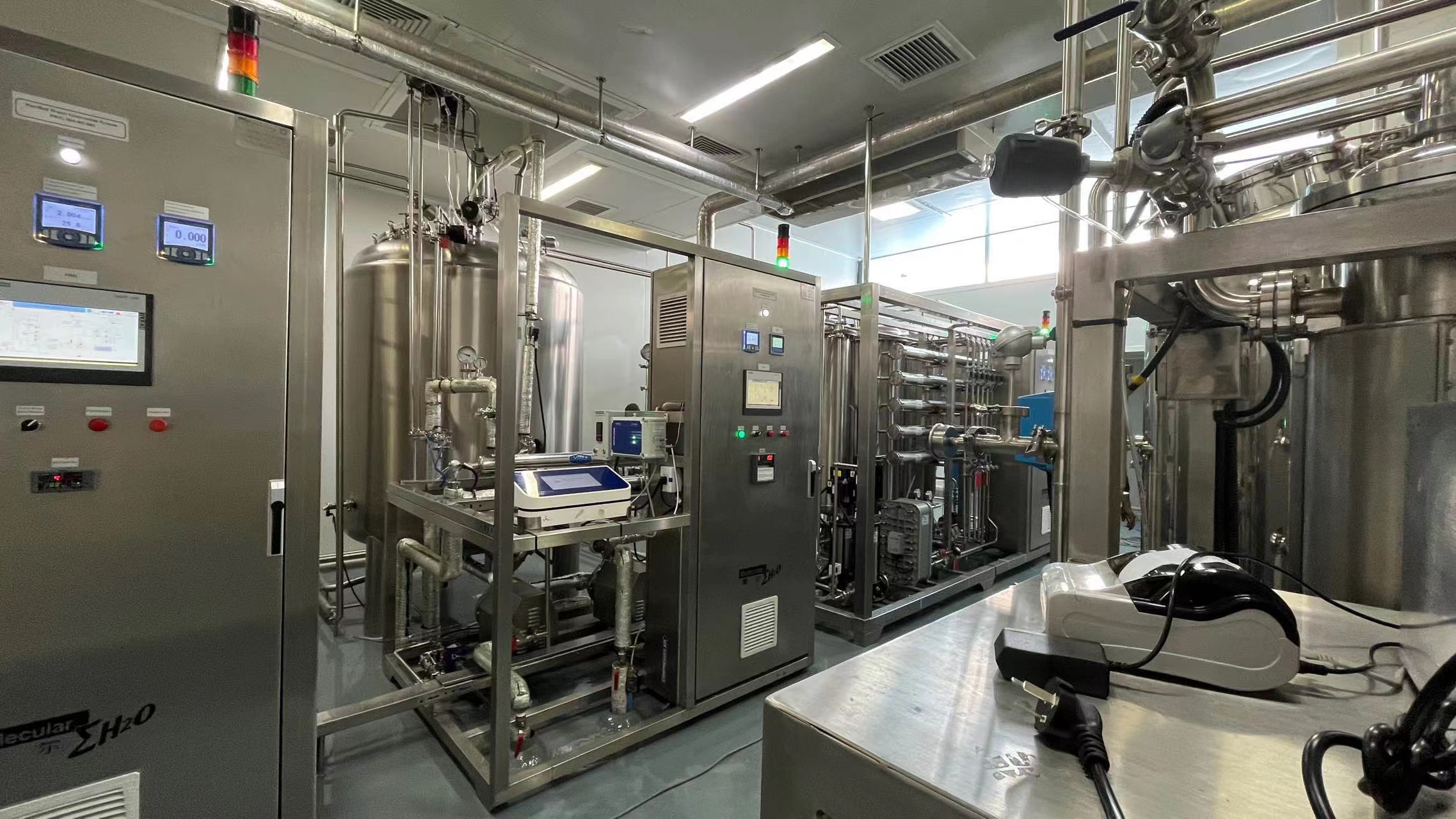
- المقال الرئيسي:تقليديًّا،, ماء للحقن تم إنتاجه حصريًّا عبر التقطير متعدد التأثيرات (MED) أو ضغط البخار (VC). ومع ذلك، فإن التغييرات التنظيمية الأخيرة تسمح الآن بـ مياه WFI المُنتجة باستخدام الأغشية, ، والتي تستخدم التناضح العكسي (RO) والتناضح الكهربائي (EDI) ومرحلة نهائية الترشيح الفائق (UF) مرحلة لضمان النقاء البيولوجي.
- الميزة:العامل الرئيسي الذي يميزه هو التحكم في الإندوتوكسينات (المواد المسببة للحرارة). يجب ألا يتجاوز محتوى مادة WFI الحد الأقصى البالغ <0.25 وحدة أوروبية/مل. ويتم تحقيق ذلك في عملية التقطير من خلال حاجز تغيير الحالة (البخار)، بينما يتم تحقيقه في ماء WFI الغشائي من خلال الاستبعاد الفيزيائي للبيروجينات عالية الوزن الجزيئي عبر غشاء الترشيح الفائق (UF).
ضرورة السلامة
تُقاس فوائد نظام «المياه المخصصة للحقن» بعدد الأرواح التي تم إنقاذها، في حين أن نظام «المياه المخصصة للحقن» القائم على الأغشية يحقق ذلك من خلال الاستبعاد الفعلي للمخاطر وتجنبها.
- سلامة المرضى:ينطوي حقن الماء مباشرةً في مجرى الدم على خطر حدوث “استجابة حرارية” (حمى، أو صدمة، أو الوفاة) في حالة وجود إندوتوكسينات. ويقضي الماء الصيدلاني (WFI) على هذا الخطر.
- الدرع التنظيمي:يُعد استخدام نظام WFI معتمد في صناعة المستحضرات المعقمة شرطًا لا غنى عنه للامتثال لمعايير إدارة الغذاء والدواء الأمريكية (FDA) والوكالة الأوروبية للأدوية (EMA). وهو يحمي الشركة المصنعة من عمليات سحب الدفعات المدمرة والمسؤوليات القانونية.
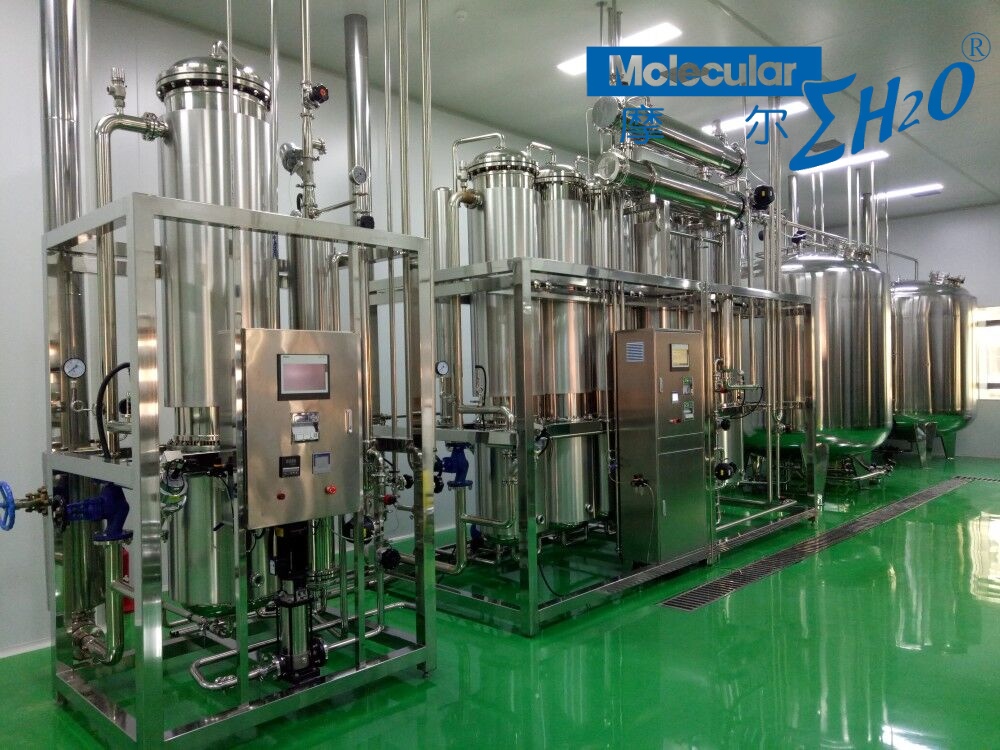
المياه المُصفَّاة (PW): العمود الفقري للإنتاج غير المعقم
الإطار الفني
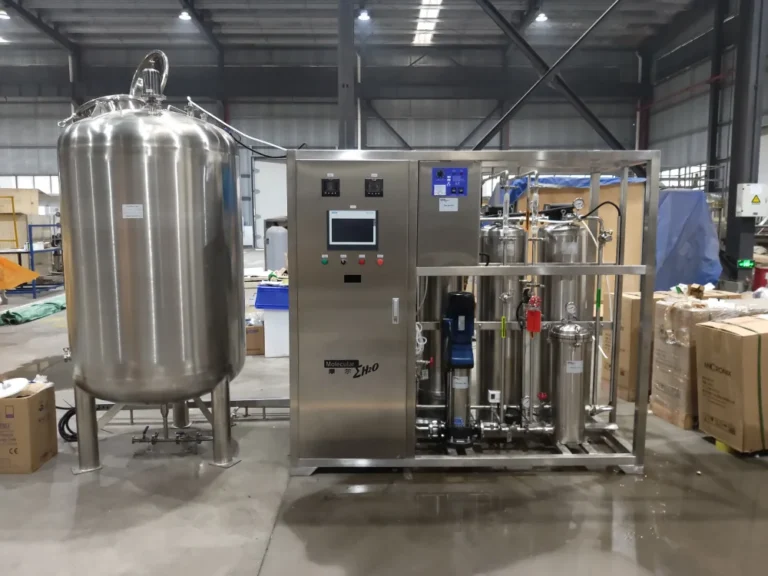
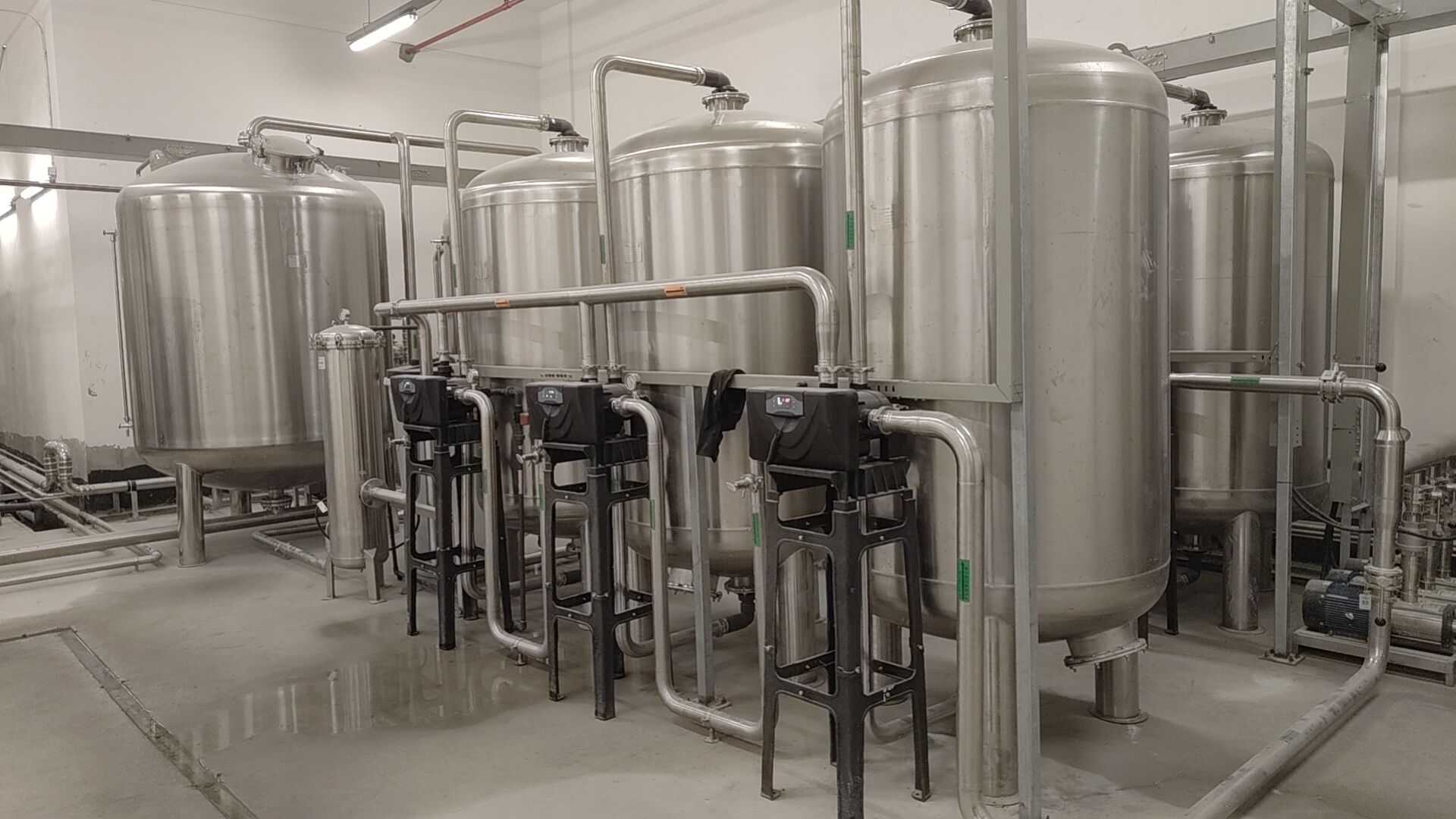
المياه المُصفَّاة (PW) وهي الدرجة القياسية المستخدمة في إنتاج المستحضرات الصيدلانية غير المعقمة. وعادةً ما يتضمن إنتاجها سلسلة معالجة متطورة متعددة المراحل تبدأ بمياه الشرب.
- المقال الرئيسي:يستخدم نظام PW الحديث مزيجًا من المعالجة المسبقة (مرشحات الوسائط المتعددة وأجهزة تنقية المياه)،, التناضح العكسي (RO) ذو المرور المزدوج, ، و التأين الكهربائي (EDI).
- الميزة:يعمل هذا النهج المتكامل “RO-EDI” على إزالة أكثر من 99% من المواد الصلبة الذائبة والملوثات العضوية دون الحاجة إلى عمليات التجديد الكيميائية الخطرة المرتبطة بأسرة التبادل الأيوني التقليدية. كما يضمن هذا النهج مستوى موصلية مستقرًا، حيث يحافظ عادةً على قيمة أقل من 3µS/cm عند درجة حرارة 25℃.
العائد على الاستثمار بالنسبة للشركات المصنعة
من خلال اختيار نظام PW عالي الكفاءة، يحصل المصنعون على “أداة” موثوقة تقلل من فترات التعطل إلى أدنى حد.
- الكفاءة التشغيلية:ونظرًا لأن النظام يعمل بشكل آلي إلى حد كبير وخالٍ من المواد الكيميائية، فإنه يقلل من مخاطر أخطاء المشغل وحوادث التعامل مع المواد الكيميائية.
- استقرار المنتج:بالنسبة للمستحضرات الصلبة التي تُتناول عن طريق الفم، مثل الأقراص أو الكبسولات، تضمن النقاوة الأيونية العالية لمياه PW عدم تحلل المكونات الصيدلانية الفعالة (APIs) الحساسة أو تفاعلها مع المعادن النزرة الموجودة في الماء.
مقارنة: نظرة سريعة على PW مقابل WFI
لتوفير الأدلة من بين هذه الاختلافات، انظر إلى المعايير التنظيمية التالية (معايير USP/EP):
| المعلمة | المياه المقطرة | ماء للحقن |
| الموصلية (25℃) | ≤1.3 ميكروثانية/سم | ≤1.3 ميكروثانية/سم |
| إجمالي الكربون العضوي (TOC) | < 500 جزء في المليار | < 500 جزء في المليار |
| الحد الأقصى المسموح به من الميكروبات | ≤100 وحدة تشكيل المستعمرة/مل | ≤10 وحدة تشكيل المستعمرة/100 مل |
| الحد الأقصى لمستوى الإندوتوكسين (البيروجين) | لا توجد متطلبات | < 0.25 وحدة أوروبية/مل |
| طريقة الإنتاج الأولي | RO + EDI | التقطير أو التناضح العكسي (RO) + التناضح الكهربائي (EDI) + التناضح الفائق (UF) |
تصميم نظام التوزيع
الفرق لا يكمن فقط في الطريقة التي يتم بها ذلك صُنع, ، بل في الطريقة التي يتم بها احتفظ بـ.
- شركة PW للتوزيع:غالبًا ما يتم الاحتفاظ بها في الحلقة الباردة مع إجراء عمليات تعقيم دورية باستخدام المواد الكيميائية أو الأوزون.
- شركة WFI للتوزيع:يُحفظ عادةً في هوت لوب, ، التي تتدفق عند درجات حرارة تزيد عن 80℃ (التعقيم الذاتي). وهذا يمنع تكوّن “الأغشية الحيوية” — وهي مستعمرات بكتيرية لزجة يُعرف عن صعوبة إزالتها بمجرد أن تستقر في نظام الأنابيب.
أدلة من الميدان: تشير بياناتنا الهندسية إلى أن المنشآت التي تستخدم نظام تدوير مياه WFI بالحلقة الساخنة تسجل عددًا أقل من حالات تجاوز الحدود الميكروبية بمقدار 85% مقارنةً بأنظمة مياه PW المخزنة على البارد، مما يثبت الموثوقية طويلة الأمد للتعقيم الحراري.
الاختيار الاستراتيجي: اتخاذ القرار الاستثماري الصحيح
تقييم المخاطر
عند اتخاذ قرار بشأن النظام الذي سيتم تطبيقه، اطرح الأسئلة التالية:
- هل يدخل هذا المنتج إلى مجرى الدم؟إذا كانت الإجابة «نعم»، فإن WFI هي الخيار الوحيد.
- ما هي أهداف النفقات التشغيلية (OPEX)؟ورغم أن تقنية WFI الغشائية تتسم بتكاليف طاقة أولية أقل، إلا أنها تتطلب إجراء اختبارات تكرارية أكثر لتأكد سلامة الأغشية. أما تقنية التقطير (MED)، فتتسم بتكاليف طاقة أعلى، لكن مدققي الجودة التقليديين غالبًا ما يعتبرونها حاجزًا “أكثر متانة”.
- التأهب للمستقبل:تختار العديد من المنشآت الحديثة تركيب أنظمة مياه WFI حتى بالنسبة للمنتجات غير المعقمة، وذلك بهدف تبسيط عمليات التحقق من صحة هذه الأنظمة وضمان استعدادها لخطوط الإنتاج المستقبلية ذات المواصفات العالية.
الأسئلة الشائعة: الامتثال والتكنولوجيا
س: هل يمكنني ترقية نظام PW إلى نظام WFI؟
ج: نعم، من خلال إضافة وحدة الترشيح الفائق (UF) وتحسين بروتوكولات التعقيم (مثل إضافة مبادل حراري للتعقيم الحراري)، يمكن تحويل العديد من أنظمة مياه الشرب (PW) لتنتج مياه حقن صيدلانية (WFI)، شريطة أن تستوفي المياه النهائية جميع اختبارات البيروجين وفقًا لمعايير USP/EP.
س: لماذا قامت «دستور الأدوية الأوروبي» (EP) بتعديل قواعده المتعلقة بـ«مياه الحقن الصيدلانية» (WFI)؟
ج: توافق المعيار الأوروبي (EP) مع المعيار الأمريكي الموحد (USP) في السماح باستخدام طرق غير التقطير (مثل التناضح العكسي/الترشيح الفائق) لتشجيع ممارسات تصنيع أكثر استدامة وكفاءة في استخدام الطاقة، شريطة أن يتمكن المصنع من إثبات أن النظام “يعادل التقطير” بشكل ثابت.”
الخلاصة: الشراكة من أجل الطهارة
يتطلب التعامل مع تعقيدات مياه الإنتاج (PW) والمياه الصيدلانية (WFI) مزيجًا من الخبرة الهندسية العميقة والفهم الشامل للصيدليات العالمية. ومن خلال التركيز على نهج “الامتثال منذ التصميم”، فإنك تضمن ألا يشكل نظام المياه الخاص بك عنق زجاجة، بل أن يكون محفزًا لإنتاج صيدلاني عالي الجودة.
سواء كنت تبحث عن التكلفة المعقولة لـ المياه المقطرة النظام أو الأمن المطلق لـ ماء للحقن في هذه الوحدة، يكمن السر في تصميم مُختبر وعالي الأداء يضع سلامة المريض وموثوقية التشغيل في مقدمة أولوياته.