- Accueil
- »
- Nanofiltration (NF)
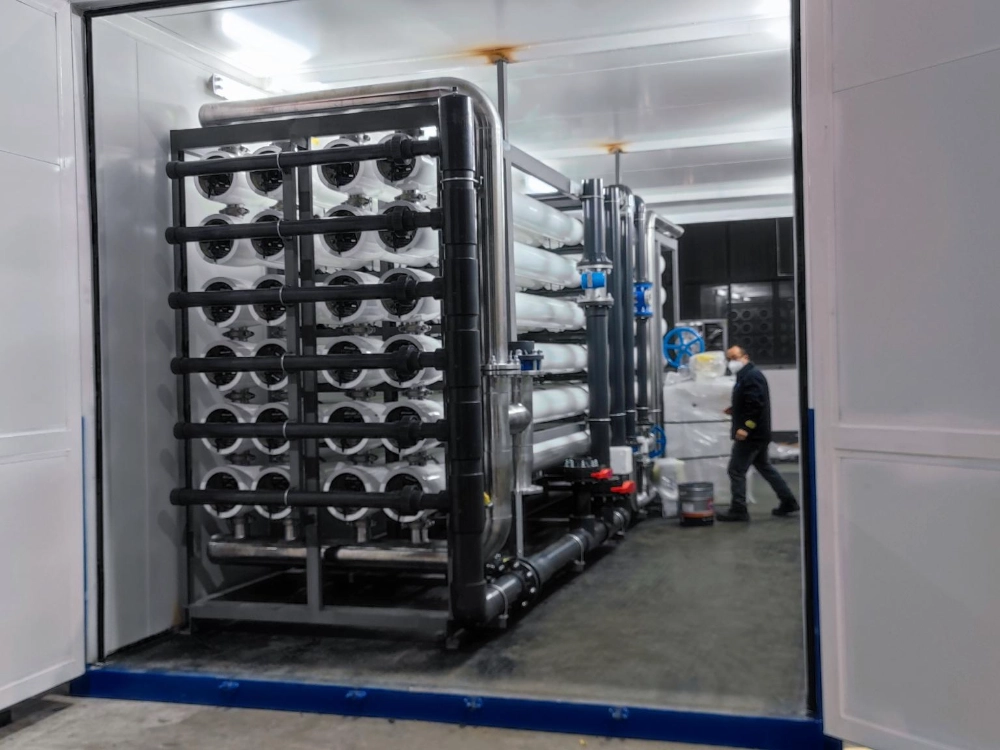
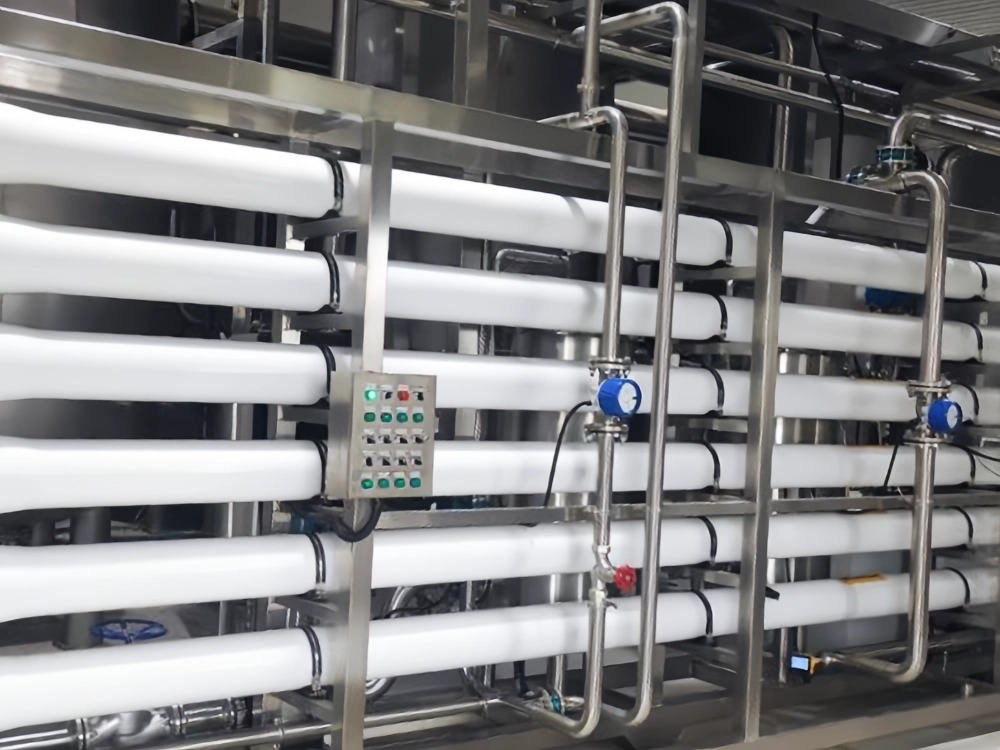
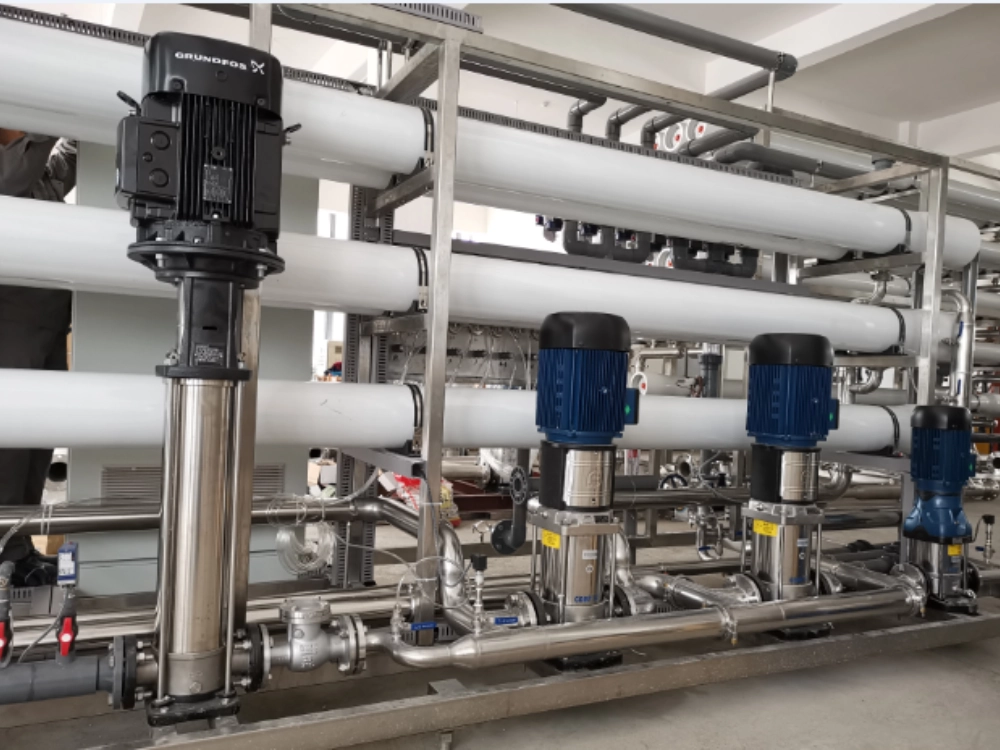
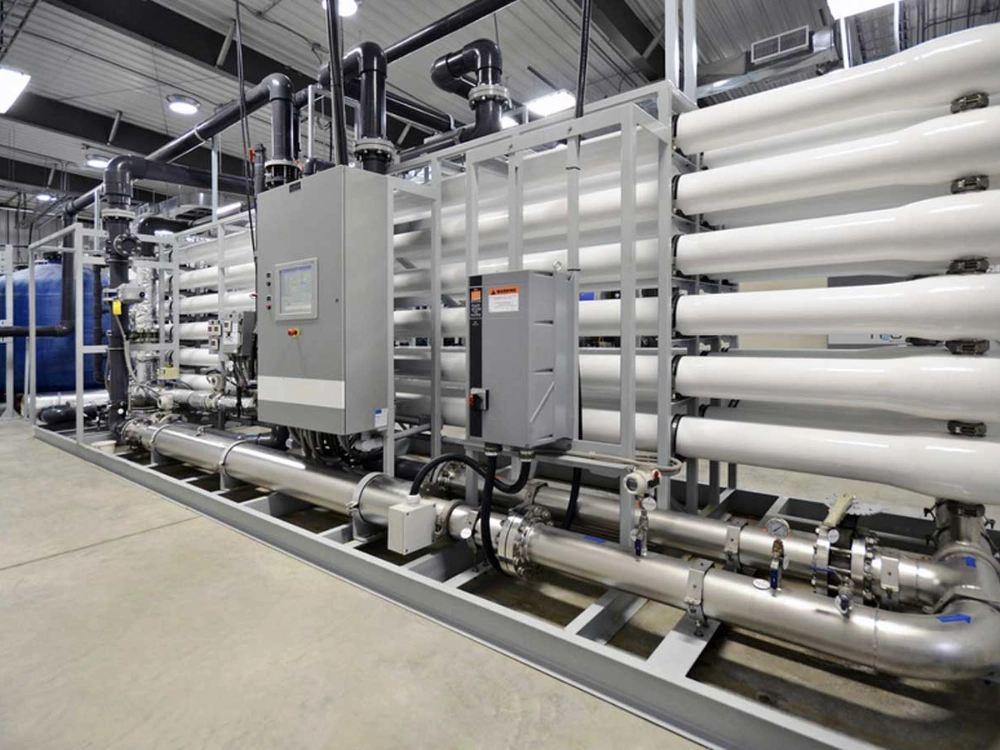
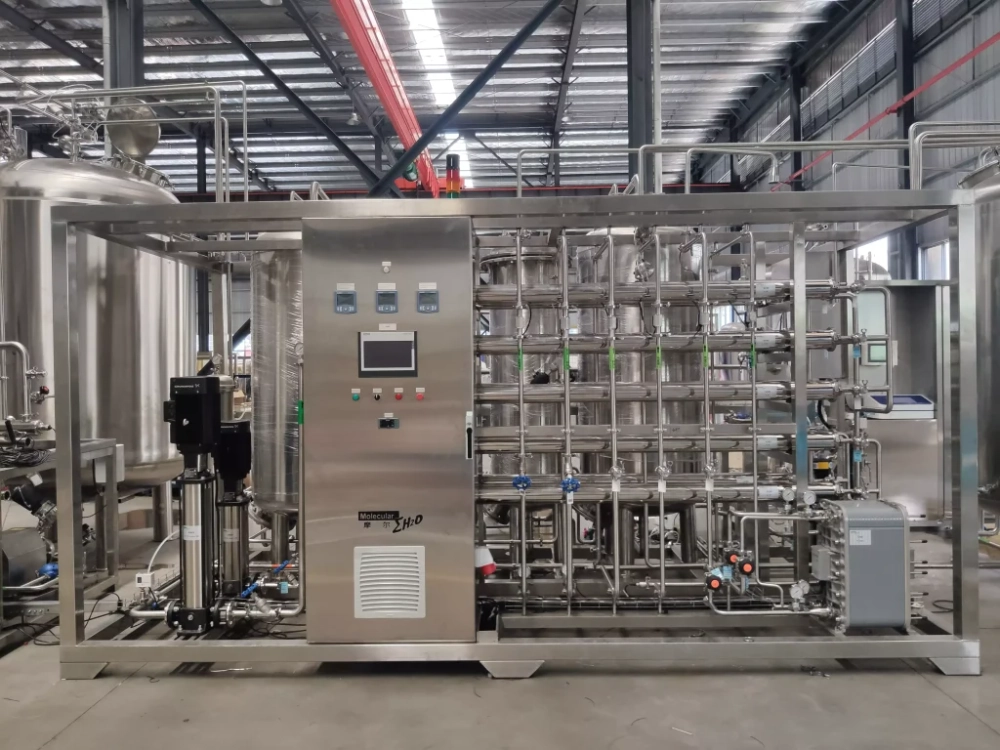
Nanofiltration (NF) System
Nanofiltration (NF) is a pressure-driven membrane separation technology designed to remove dissolved solids, hardness, organic compounds, and multi-valent ions while partially retaining monovalent ions such as sodium and chloride. NF membranes have pore sizes in the range of 1–10 nanometers, situating NF between Ultrafiltration (UF) and Reverse Osmosis (RO) in terms of filtration precision.
NF systems are widely used for softening water, improving drinking water quality, industrial process water treatment, wastewater reuse, and as a pre-treatment stage for RO systems.
How does Nanofiltration Work?
NF systems separate contaminants through three main mechanisms:
Size Exclusion – Larger molecules and suspended solids are blocked by the membrane pores.
Charge Repulsion – Membrane surface charge repels certain ions, improving selectivity.
Solvent Drag – Water molecules carry solutes through the membrane, allowing partial ion passage.
This combination allows NF membranes to selectively remove hardness, organic matter, and multi-valent ions, offering a balance between high water quality and energy efficiency.
Types of NF Membranes
| Membrane Type | Pore Size | Typical Applications | Advantages |
|---|---|---|---|
| Spiral Wound | 1–10 nm | Industrial & municipal water | High surface area, low footprint |
| Hollow Fiber | 1–10 nm | Small-scale or residential | Easy replacement, modular |
| Plate & Frame | 1–10 nm | Specialty industrial water | Flexibility, chemical resistance |
Advantages of NF Systems
Effective Softening – Removes calcium, magnesium, and sulfates.
Partial Retention of Monovalent Ions – Maintains beneficial sodium and chloride levels.
Low Energy Consumption – Operates at lower pressures than RO systems.
Chemical-Free Operation – Reduces need for additives and secondary contamination.
Versatile Applications – Suitable for industrial water, municipal drinking water, and wastewater reuse.
Applications of NF Technology
Drinking Water Treatment – Softens hard water, removes organic compounds, and improves taste.
Industrial Process Water – Provides consistent water quality for manufacturing, pharmaceuticals, and electronics.
Wastewater Reuse – Recovers and reuses industrial or municipal wastewater, reducing costs and environmental impact.
Food & Beverage Industry – Used for demineralization, concentration, and organic removal in dairy, juice, and brewing.
Pre-treatment for RO Systems – Reduces fouling and scaling, extending RO membrane life.
How to Choose the Right NF System
Step 1: Analyze Water Quality – Measure hardness, TDS, turbidity, and organic content.
Step 2: Determine Water Demand – Daily flow rates dictate membrane area and configuration.
Step 3: Select Membrane Type – Choose based on application, scale, and maintenance preferences.
Step 4: Evaluate Pre-treatment Needs – Protect membranes with sediment filters, softeners, and dechlorination.
Step 5: Consider Energy & Maintenance – Assess operating pressures, backwash schedules, and cleaning requirements.
NF vs RO vs UF Comparison
| Technology | Removes | Energy Use | Best For |
|---|---|---|---|
| NF | Multi-valent ions, hardness, organics | Medium | Softening, industrial water, partial demineralization |
| RO | All dissolved salts, heavy metals | High | Desalination, ultra-pure water |
| UF | Suspended solids, bacteria, viruses | Low | Pre-treatment, low-turbidity water |
Frequently Asked Questions
NF systems are most beneficial when water contains high hardness, multi-valent ions (calcium, magnesium, sulfate), or organic compounds that affect taste, scaling, or industrial processes. Conduct a comprehensive water analysis, including TDS (Total Dissolved Solids), hardness levels, turbidity, and microbial counts. NF is ideal for municipal drinking water softening, industrial water treatment, and pre-treatment for reverse osmosis systems, especially when conventional filtration methods fail to maintain consistent water quality.
NF membrane performance depends on several factors:
Feed water quality – High levels of suspended solids or chlorine can accelerate fouling or chemical degradation.
Operating pressure and flow rate – Deviations from recommended parameters reduce filtration efficiency and membrane life.
Maintenance practices – Infrequent backwashing, improper chemical cleaning, or neglecting pre-filters can shorten lifespan.
Water chemistry – High hardness or pH imbalance can lead to scaling or membrane damage.
Optimizing pre-treatment, pressure management, and regular monitoring can ensure NF membranes achieve 3–5 years of reliable operation.
Yes, NF systems are widely applied for industrial water reuse, wastewater recovery, and sustainable water management. They can:
Remove hardness and multi-valent ions from process water.
Reduce scaling and fouling in boilers and cooling towers.
Treat effluents for irrigation or process reuse, lowering freshwater demand and operational costs.
Integration involves pre-treatment filters, NF membrane selection, and flow monitoring, ensuring consistent water quality for industrial applications.
Key indicators include:
Decreased permeate flow rate – Suggests fouling or scaling.
Increased transmembrane pressure – Indicates obstruction or membrane clogging.
Changes in water hardness or TDS – May show reduced ion rejection efficiency.
Taste, odor, or color changes – Organic fouling may be affecting water quality.
Addressing these promptly with backwashing, chemical cleaning, or filter replacement prevents permanent membrane damage and maintains performance.
NF occupies a middle ground between Ultrafiltration (UF) and Reverse Osmosis (RO):
UF – Removes suspended solids, bacteria, and viruses but does not soften water.
NF – Removes hardness, multi-valent ions, and organic compounds while retaining some monovalent ions, ideal for water softening and partial demineralization.
RO – Provides near-complete desalination, removing nearly all dissolved salts and impurities.
For applications like industrial water softening, municipal drinking water, and wastewater reuse, NF often provides a cost-effective, energy-efficient alternative to RO, while offering more selective ion removal than UF.
Related Articles
PW vs. WFI
RO vs EDI Solution in Pharma
Cost Analysis of RO Technology
Get in touch with us
Don’t let water quality issues stand in your way. MoerWater Purified Water Generator will help you solve all your water quality problems, improve operational efficiency, and ensure your product or experimental results are at the best level.
*Our team will answer your inquiries within 24 hours.
*Your information will be kept strictly confidential.