1. Inicio
  2. »
  3. Membrane Bioreactor

Membrane Bioreactor (MBR)

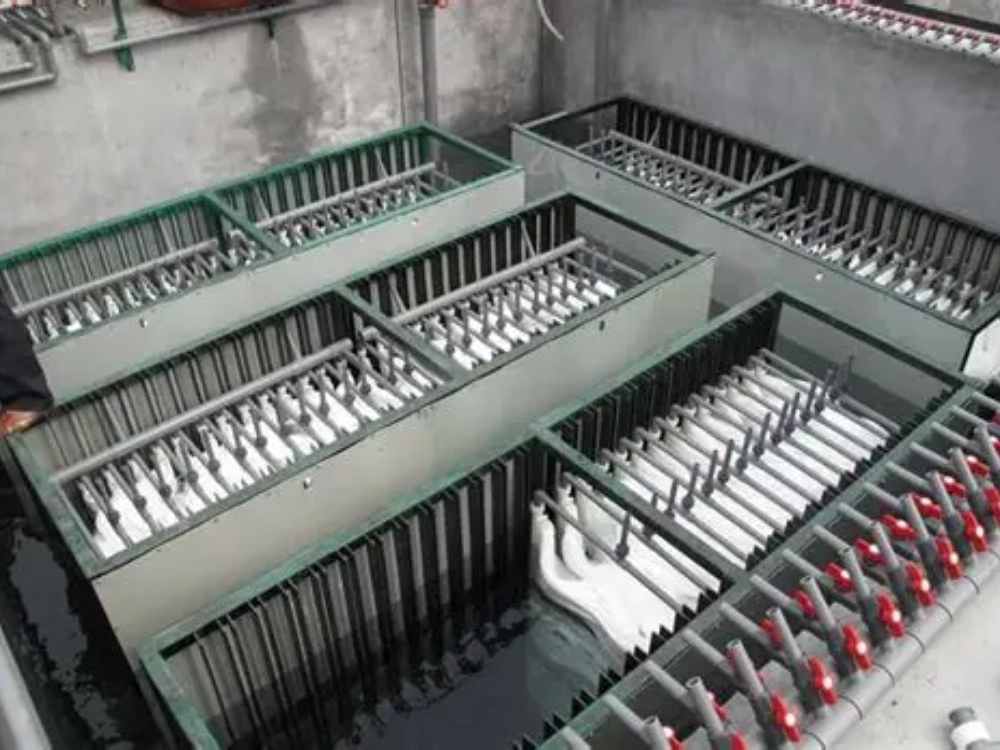
A Membrane Bioreactor (MBR) is an advanced wastewater treatment system that integrates traditional biological degradation with membrane filtration. By replacing the secondary clarifier of conventional activated sludge processes with a microfiltration (MF) or ultrafiltration (UF) membrane unit, MBR achieves simultaneous biological treatment and solid-liquid separation.

This innovative process ensures superior effluent quality, operational stability, and compact design, making it one of the most efficient solutions in modern wastewater treatment.

Types of MBR Systems

Side-Stream (External) MBR

  • Membrane modules are placed outside the bioreactor.

  • Mixed liquor is pumped under pressure through the membranes.
    Advantages: Easy membrane cleaning/replacement, high flux, strong shock-load resistance.
    Disadvantages: Higher energy consumption, larger footprint, more complex system.

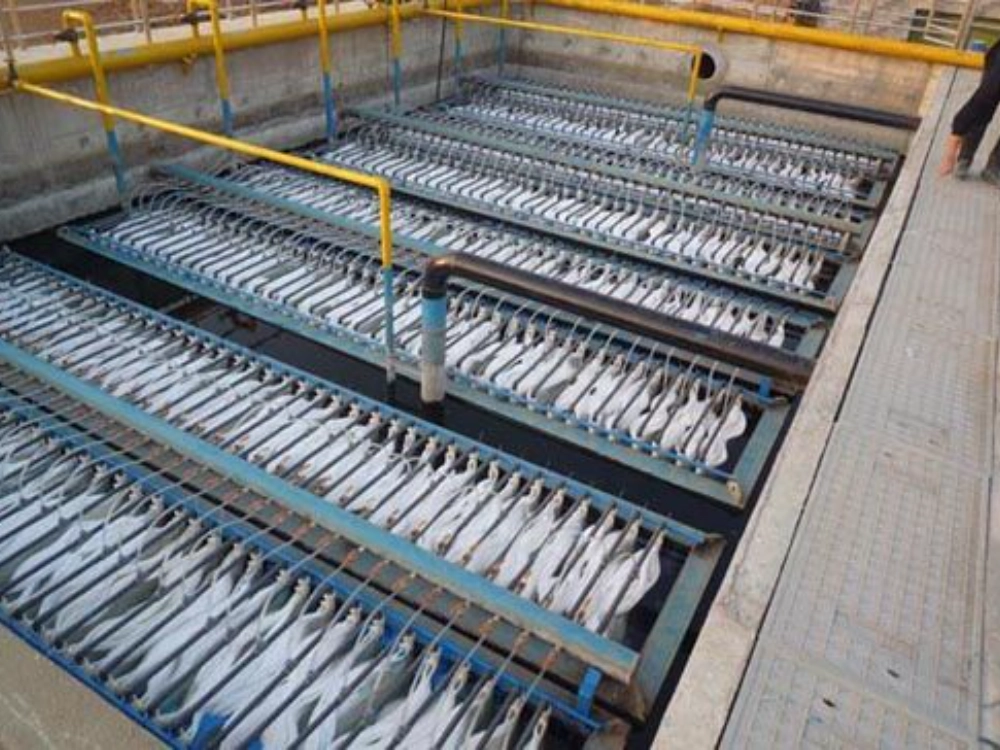
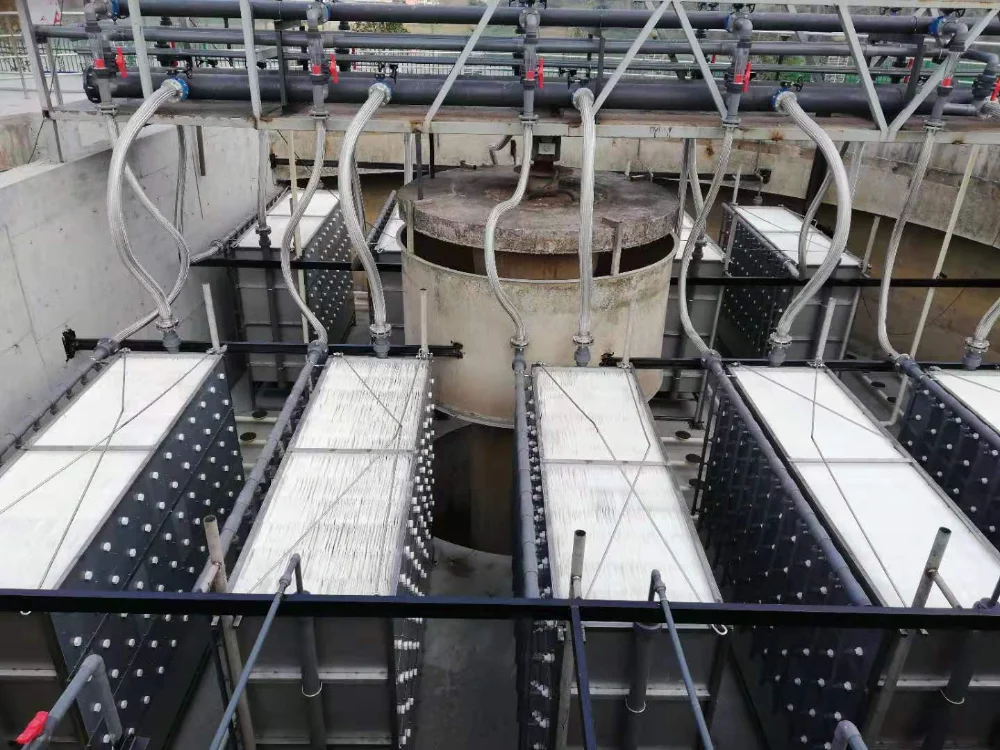
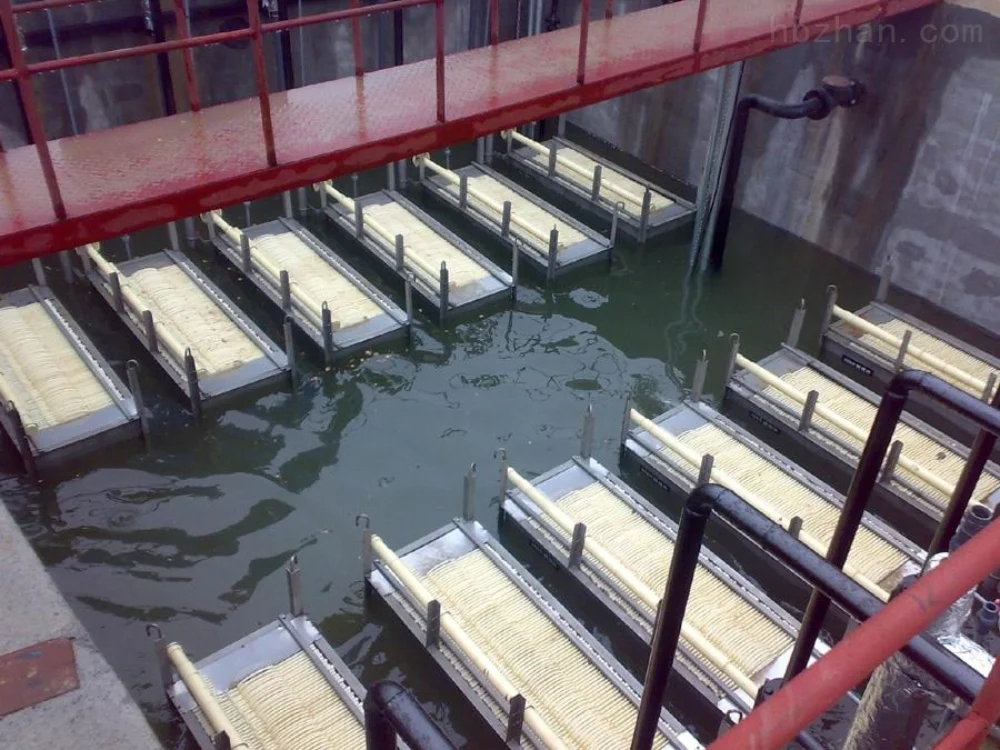
Submerged (Integrated) MBR

  • Membranes are immersed directly in the bioreactor or membrane tank.

  • Suction pumps draw permeate through the membranes.
    Advantages: Lower energy consumption, compact design, high integration, widely used today.
    Disadvantages: Cleaning is more complex, lower flux compared to side-stream.

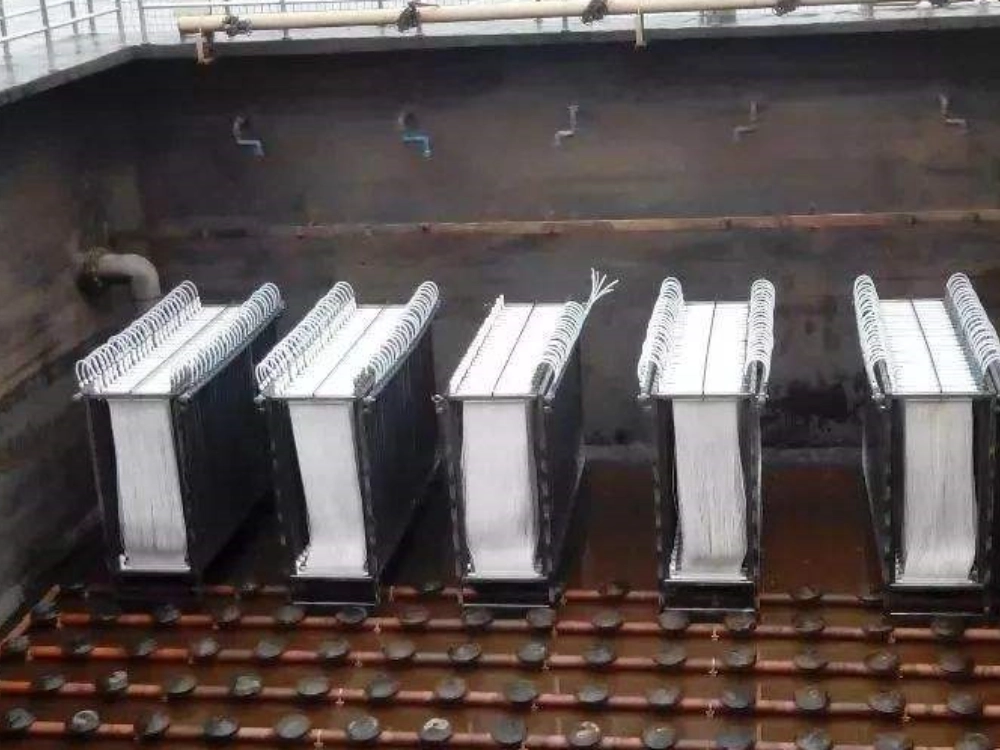
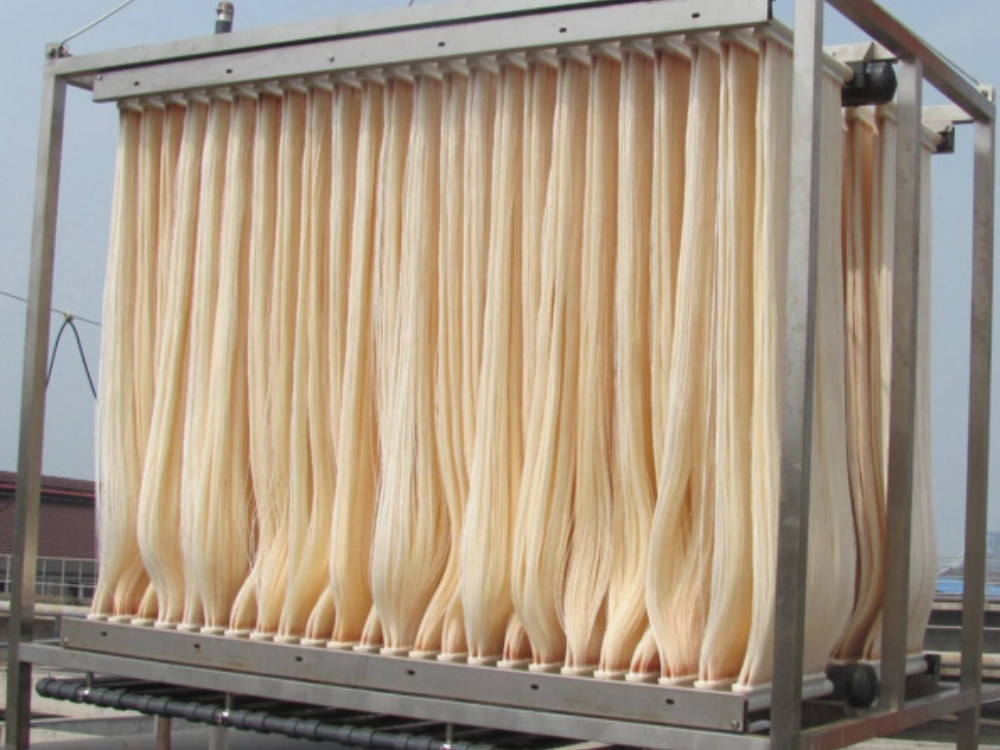
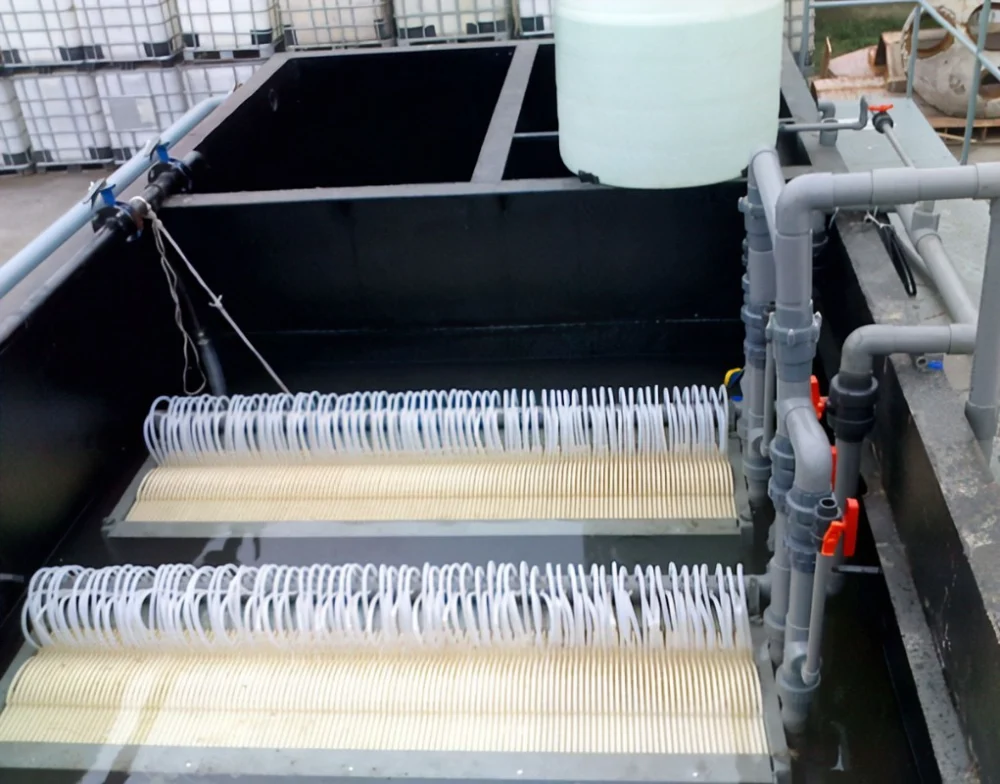
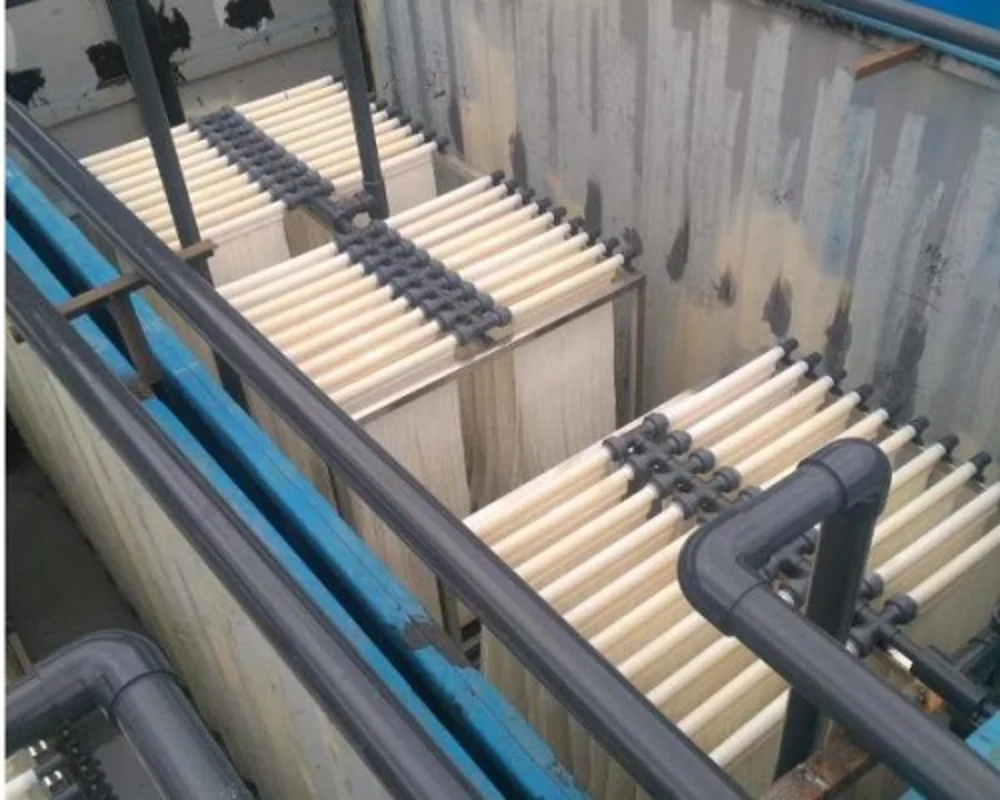
Membrane forms: Hollow fiber vs. flat sheet membranes – each has different fouling resistance, cleaning methods, and flux performance.

Advantages of MBR Technology

  • Excellent Effluent Quality: Pore size 0.01–0.4 μm efficiently removes suspended solids, bacteria, viruses, and pathogens. Turbidity <0.1 NTU, meeting strict reuse standards.

  • Compact Footprint: Eliminates secondary clarifiers and sand filters; higher sludge concentration increases efficiency, reducing land use by 30–50%.

  • Simplified Process & High Automation: Modular design, easy to install/expand, fully automated with reduced operator workload.

  • Low Sludge Production: High sludge retention time (SRT) reduces excess sludge by 20–30% compared to conventional methods.

  • High Shock-Load Resistance: Dense microbial community adapts to influent variations, ensuring stable operation.

How Does MBR Work?

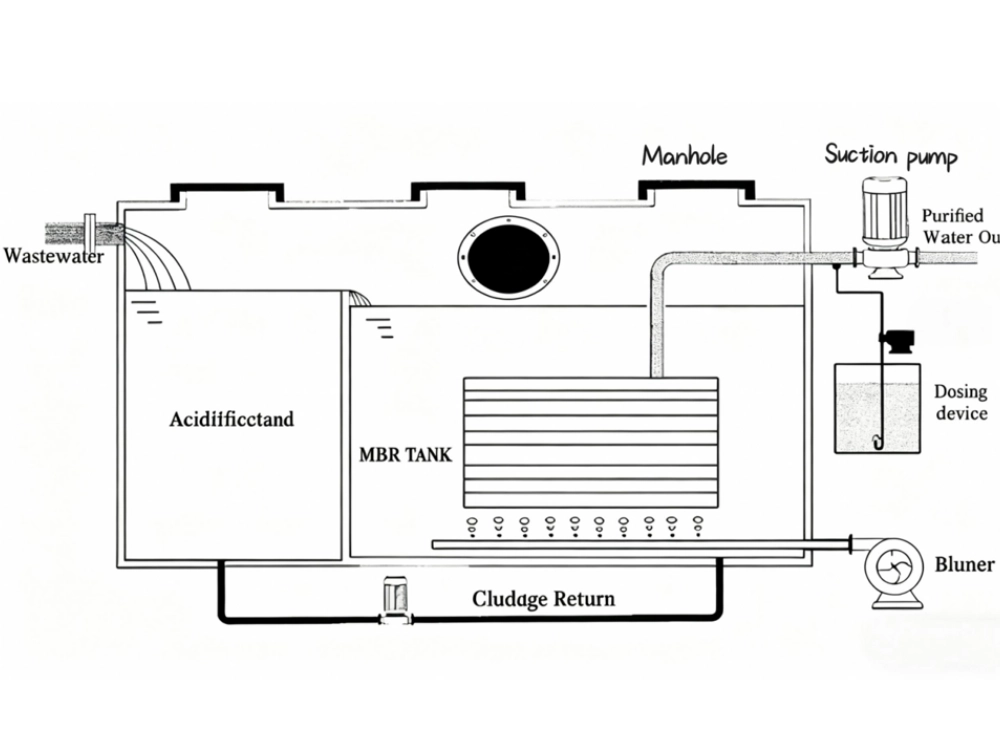
  • Biological Degradation: Wastewater enters the bioreactor where microorganisms degrade COD, BOD, and ammonia.

  • Separación por membrana: Mixed liquor passes through immersed membranes under suction.

  • Clean Water Production: Water molecules and small solutes pass; suspended solids, bacteria, and pathogens are retained.

  • Aeration: Supplies oxygen for microbes and scours membrane surfaces to reduce fouling.

  • Gestión de lodos: Concentrated sludge is recycled to maintain biomass; excess sludge is periodically discharged.

Applications of MBR

Municipal Wastewater

Upgrading or expanding plants to meet Class A or stricter discharge standards.

municipal wastewater

Aguas residuales industriales

Treating complex effluents from food, pharmaceutical, chemical, textile, and landfill leachate industries.

Industrial waste water

Water Reuse

Producing high-quality water for landscaping, irrigation, cooling towers, and toilet flushing.

How to Select the Right MBR System?

Working principle picture of MBR System
  • Treatment Goals & Effluent Standards (e.g., COD, BOD, TN, TP, NH₃-N).

  • Influent Quality & Flow (average and peak flow, pollutant loads).

  • Site Conditions (land availability, tank configuration).

  • Tipo de membrana (hollow fiber vs. flat sheet).

  • Energy & Operating Costs (aeration, suction, cleaning chemicals, membrane replacement cycle).

  • Supplier Expertise (proven projects, technical support, after-sales service).

  • Budget & Life Cycle Cost (initial CAPEX vs. long-term OPEX).

Preguntas frecuentes

A1: MBR replaces the secondary clarifier with a membrane unit, achieving better effluent quality, higher stability, and smaller footprint.

R2: Cleaning frequency depends on fouling rate, influent quality, and operational conditions. Membrane lifespan is typically 5–8 years.

A3: Yes. MBR is effective for high-strength and difficult-to-treat wastewater, including food, pharmaceutical, and textile industries.

A4: Turbidity <0.1 NTU, suspended solids nearly 0, significant reductions in COD, BOD, ammonia, and pathogens, often suitable for reuse.


A5: Yes. Its compact design and automation make it ideal for residential communities, resorts, and institutions lacking municipal sewer access.

Póngase en contacto con nosotros

No dejes que los problemas de calidad del agua se interpongan en tu camino. El generador de agua purificada MoerWater te ayudará a resolver todos tus problemas de calidad del agua, mejorar la eficiencia operativa y garantizar que tus productos o resultados experimentales alcancen el mejor nivel posible.

Póngase en contacto con nosotros
Rellena los datos de la derecha para recibir el catálogo

*Nuestro equipo responderá a tus consultas en un plazo de 24 horas.

*Su información se mantendrá en la más estricta confidencialidad.


Solicite un presupuesto

*Nuestro equipo responderá a tus consultas en un plazo de 12 horas.

*Su información se mantendrá en la más estricta confidencialidad.