1. Home
  2. »
  3. Microfiltration (MF) System

Microfiltration (MF) System

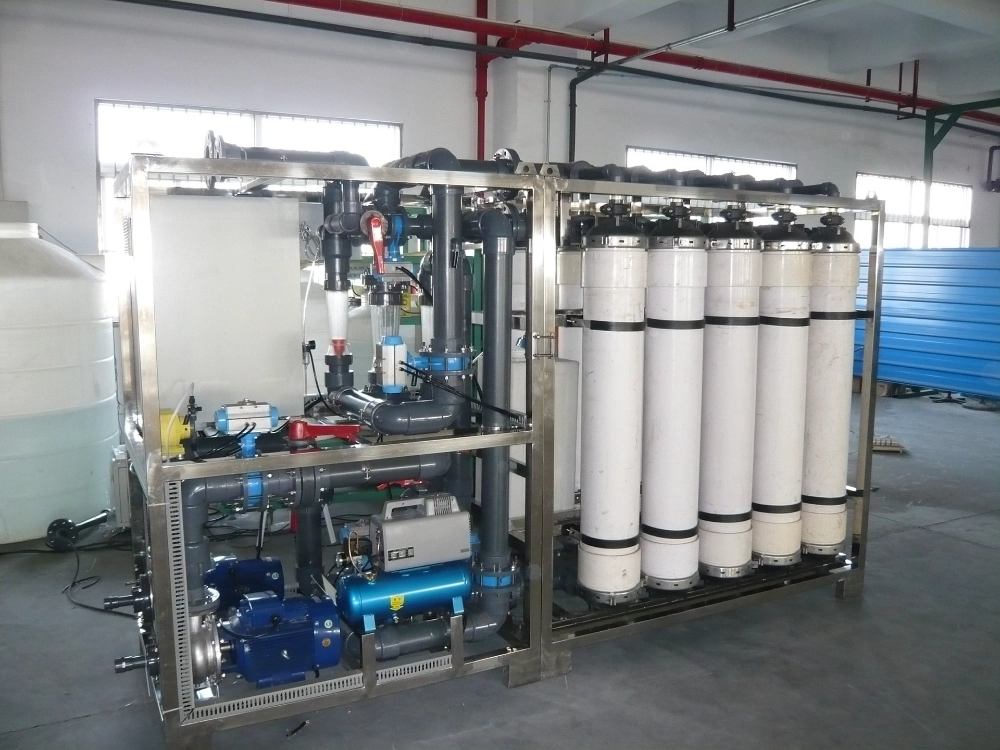
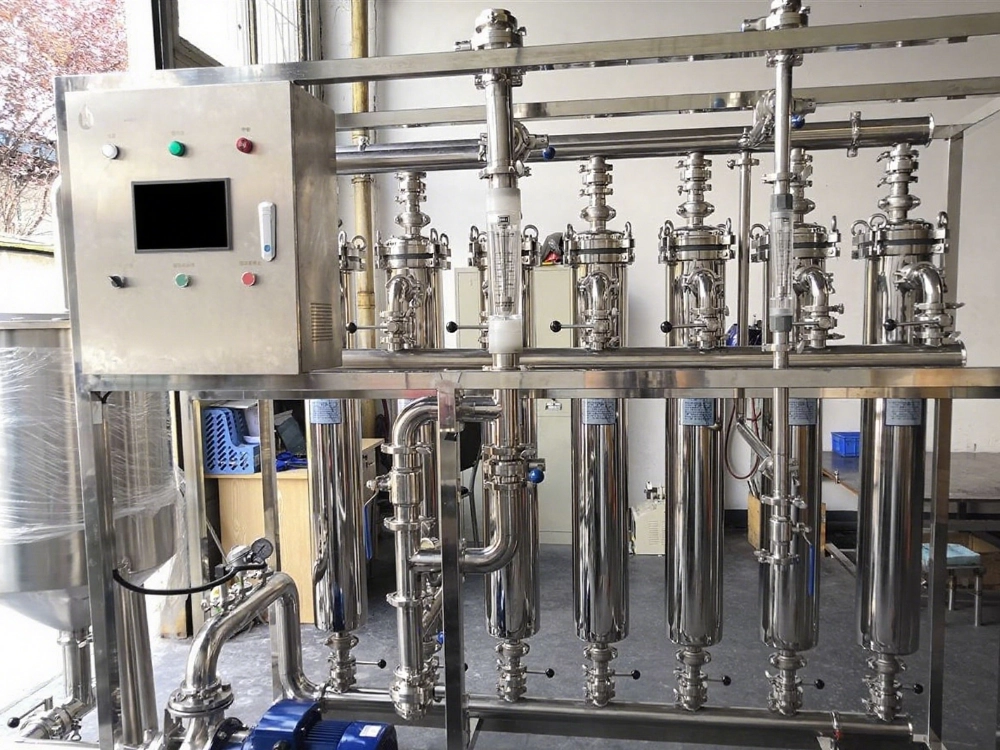
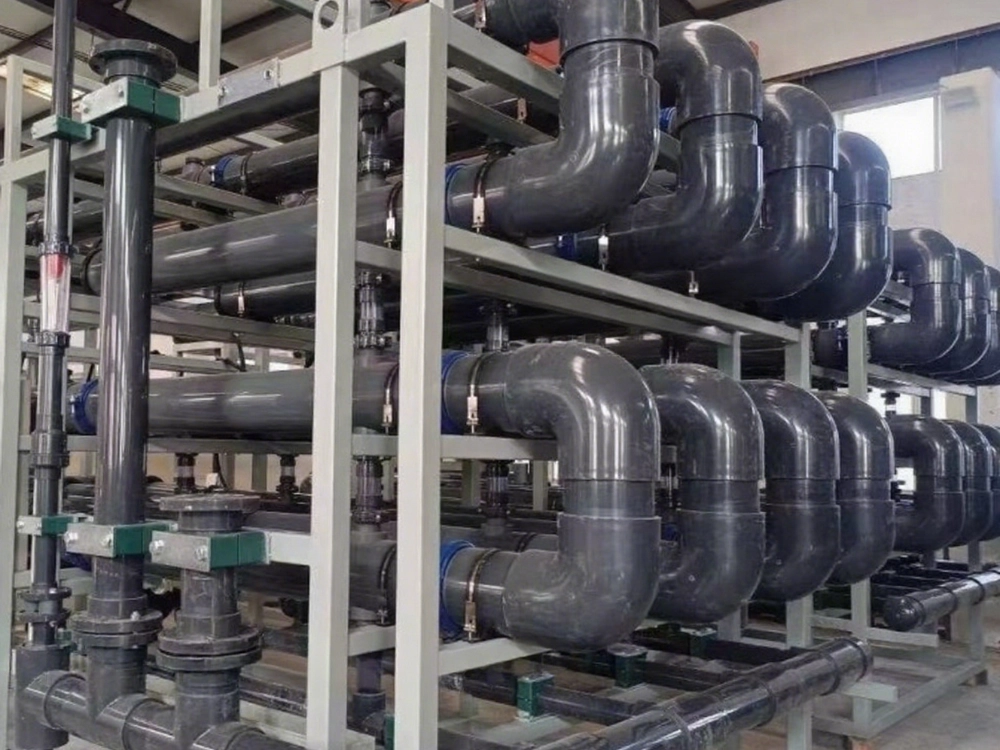
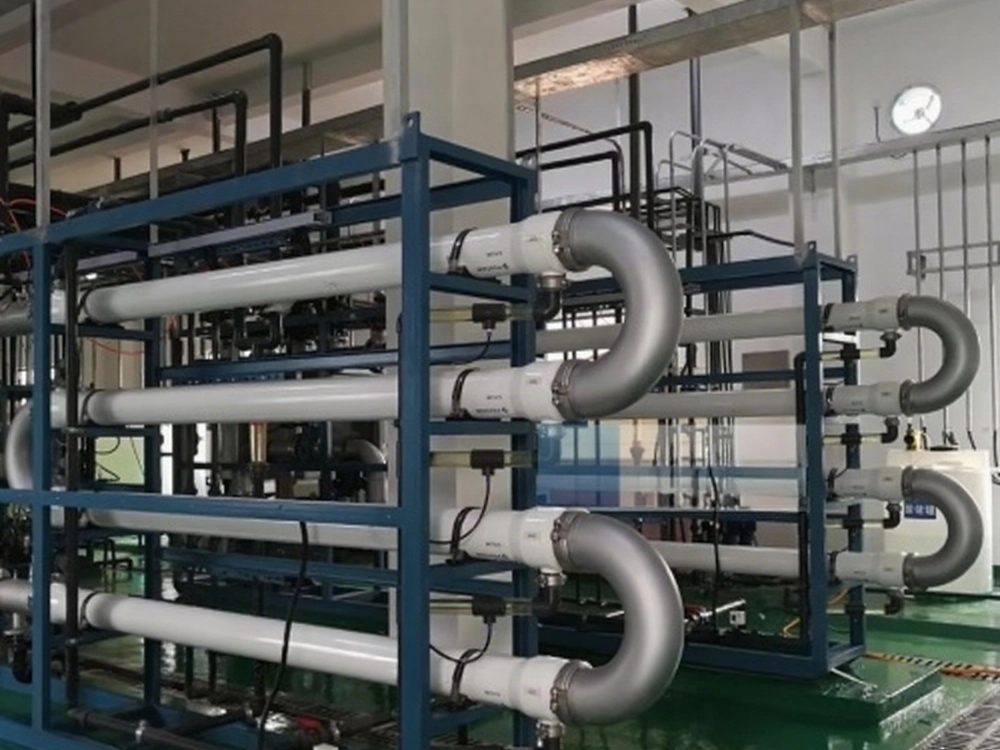
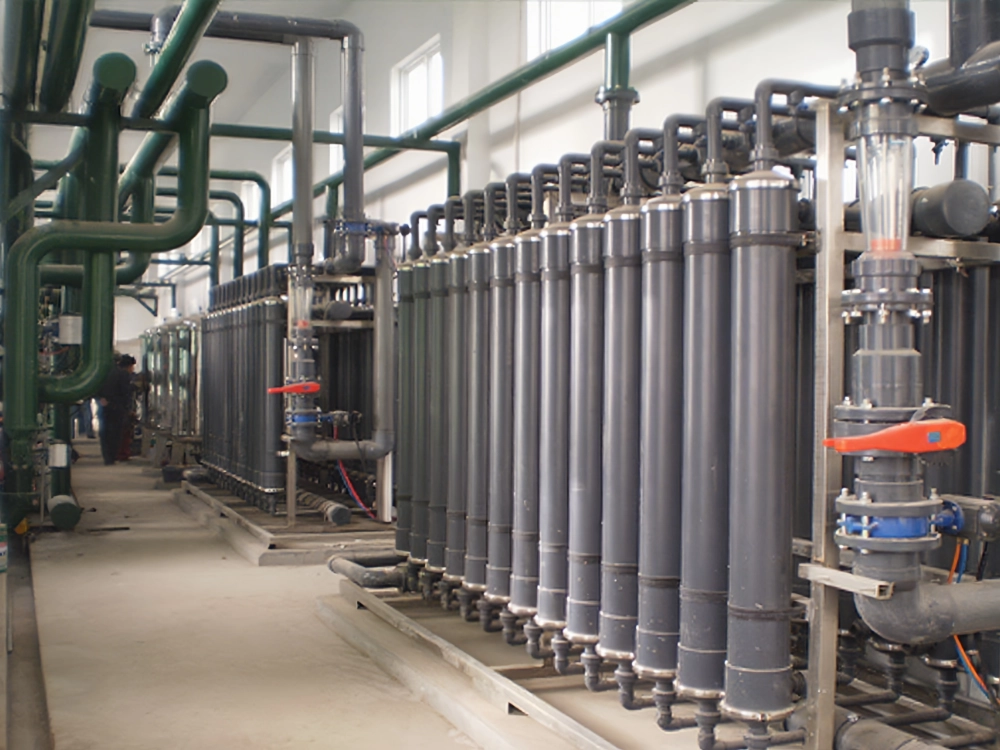
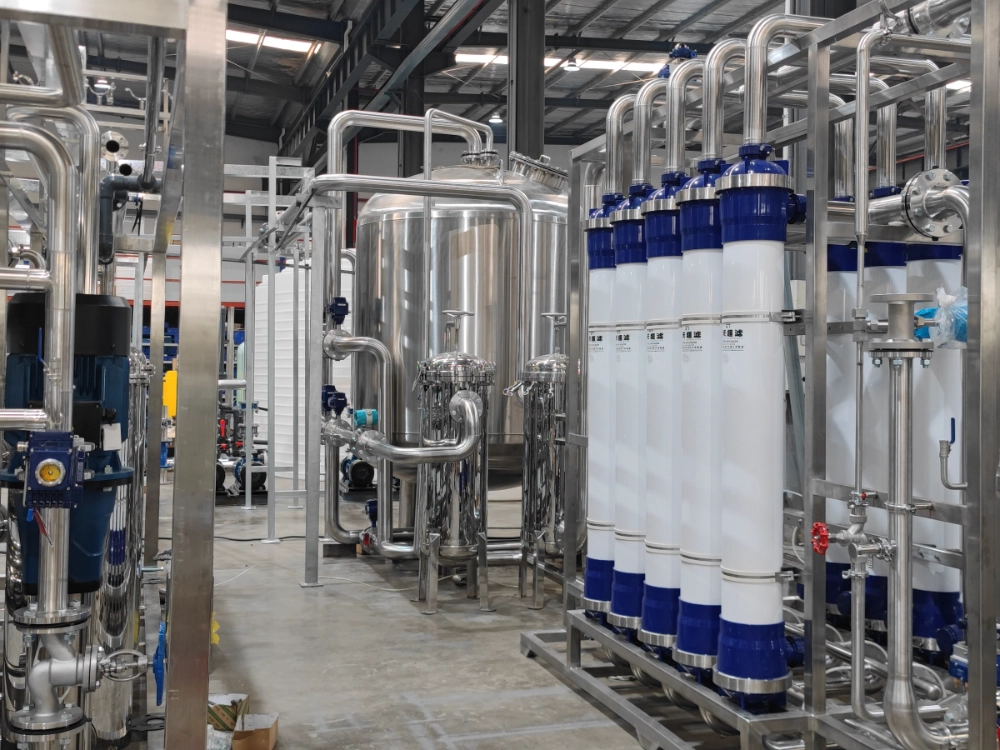
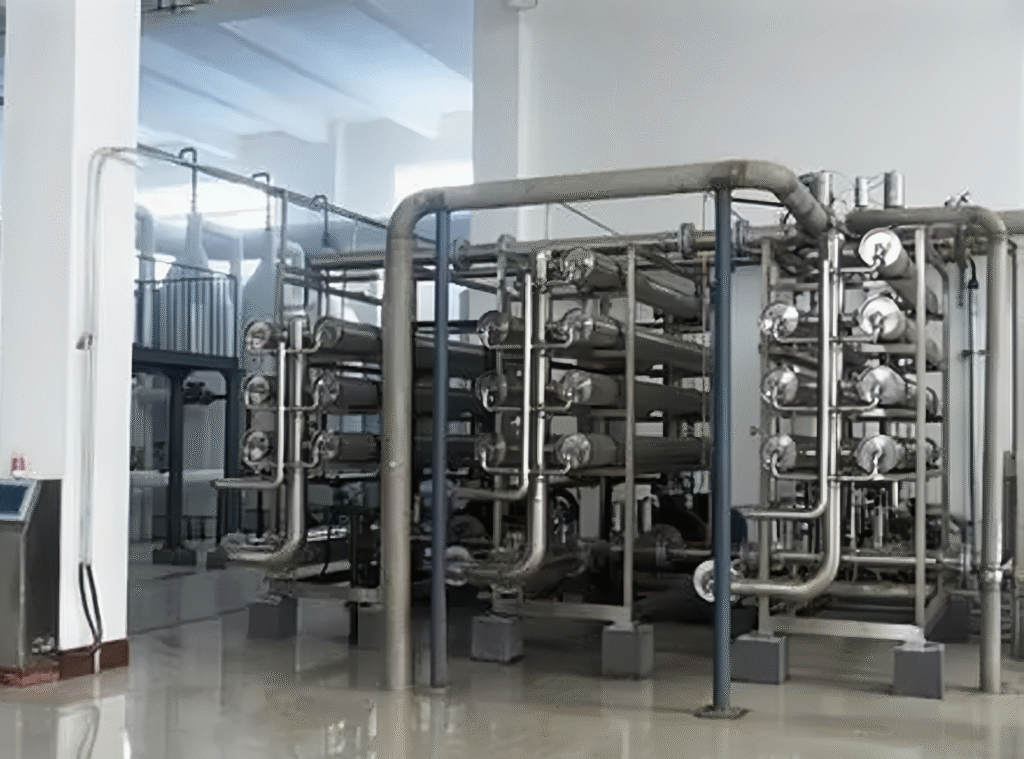
A Microfiltration (MF) system is a membrane-based water filtration technology designed to remove suspended solids, bacteria, protozoa, and other particulate matter from water. MF membranes typically have pore sizes between 0.1–10 microns, which allows water and dissolved salts to pass while blocking larger contaminants.

MF is widely used in drinking water treatment, industrial process water, wastewater treatment, and as pre-treatment for ultrafiltration (UF) or reverse osmosis (RO) systems. It ensures clear, safe water with reduced turbidity and microbial content.

How does Microfiltration Work?

MF systems operate by forcing water through a semi-permeable membrane under low pressure. Contaminants larger than the membrane pores are retained and removed from the system. Key processes include:

  • Size exclusion: Suspended solids and microorganisms are blocked based on their size.

  • Crossflow filtration: Water flows tangentially across the membrane surface, reducing fouling.

  • Backwashing or cleaning-in-place (CIP): Periodic cleaning maintains membrane performance.

MF is ideal for pre-treatment or direct filtration, depending on water quality and application.

Types of MF Membranes

Membrane TypePore SizeTypical ApplicationsAdvantages
Hollow Fiber0.1–0.2 µmResidential & small-scale systemsHigh surface area, easy maintenance
Spiral Wound0.2–0.45 µmIndustrial & municipal waterCompact design, high capacity
Tubular/Plate & Frame0.2–10 µmHigh-fouling or specialty waterEasy cleaning, chemical resistance

Advantages of MF Systems

  • Effective particle removal – Eliminates suspended solids, algae, and bacteria.

  • Low energy consumption – Operates at lower pressures than UF or RO.

  • Chemical-free operation – Physical filtration avoids chemical additives.

  • Versatile applications – Suitable for municipal, industrial, and residential water treatment.

  • Pre-treatment capability – Protects downstream UF or RO membranes from fouling.

Applications of Microfiltration

  • Drinking Water Treatment – Removes turbidity, sediment, and microorganisms, improving clarity and safety.

  • Industrial Water Filtration – Ensures clean water for manufacturing, food & beverage, and pharmaceutical processes.

  • Wastewater Treatment & Reuse – Reduces solids and microbial load for safe water reuse.

  • Pre-treatment for UF and RO Systems – Extends membrane life and efficiency by reducing fouling and scaling.

  • Aquaculture & Irrigation – Prevents clogging and maintains water quality in fish farms and agricultural systems.

How to Choose the Right MF System

inquirynow

Step 1: Analyze Feed Water – Determine turbidity, microbial content, and particle size distribution.
Step 2: Identify Water Demand – Calculate required flow rates and volume.
Step 3: Select Membrane Type – Choose hollow fiber, spiral wound, or tubular based on water quality and capacity.
Step 4: Consider Pre-treatment Needs – Sediment filters, chemical conditioning, or coagulation may be required.
Step 5: Plan Maintenance & Cleaning – Backwashing and chemical cleaning schedules are critical for optimal performance.

MF vs UF vs NF Comparison

TechnologyRemovesEnergy UseBest For
MFSuspended solids, bacteria, algaeLowPre-treatment, low-turbidity water, drinking water clarity
UFParticles, bacteria, virusesMediumIndustrial water, wastewater reuse, RO pre-treatment
NFMulti-valent ions, hardness, organicsMediumWater softening, industrial water, partial demineralization

Frequently Asked Questions

MF membranes are effective at removing bacteria, protozoa, algae, and suspended solids, but they cannot remove dissolved salts or small molecules. For desalination or ion removal, UF, NF, or RO systems are recommended.

Cleaning frequency depends on water turbidity and usage, typically monthly backwashing and chemical cleaning every 6–12 months. Membranes generally last 3–5 years, depending on water quality and maintenance practices.

Yes, MF is effective for reducing suspended solids and microbial load in treated wastewater, making it suitable for industrial process reuse, irrigation, and pre-treatment for NF or RO systems. This helps reduce freshwater demand and operational costs.

Signs that an MF system may be needed include:

  • Persistent cloudiness or sediment in tap water.

  • Frequent fouling or scaling in industrial equipment despite conventional filtration.

  • Waterborne bacterial or algal contamination detected in routine tests.

  • Ineffective pre-treatment for UF or RO systems.
    Upgrading to MF can improve water clarity, protect downstream membranes, and reduce maintenance costs.

Absolutely. In aquaculture, MF ensures clear, particle-free water to prevent fish disease and equipment clogging. In food and beverage processing, MF can:

  • Remove pulp, sediment, and microbes without altering mineral content.

  • Protect sensitive downstream filtration systems like UF or RO.

  • Maintain product quality, taste, and safety while reducing chemical additives.
    Optimized MF selection based on water characteristics and flow demand ensures reliable performance for these specialized applications.

Get in touch with us

Don’t let water quality issues stand in your way. MoerWater Purified Water Generator will help you solve all your water quality problems, improve operational efficiency, and ensure your product or experimental results are at the best level.

Fill in the information on the right to get the catalog

*Our team will answer your inquiries within 24 hours.

*Your information will be kept strictly confidential.


Get A Quote

*Our team will answer your inquiries within 12 hours.

*Your information will be kept strictly confidential.