

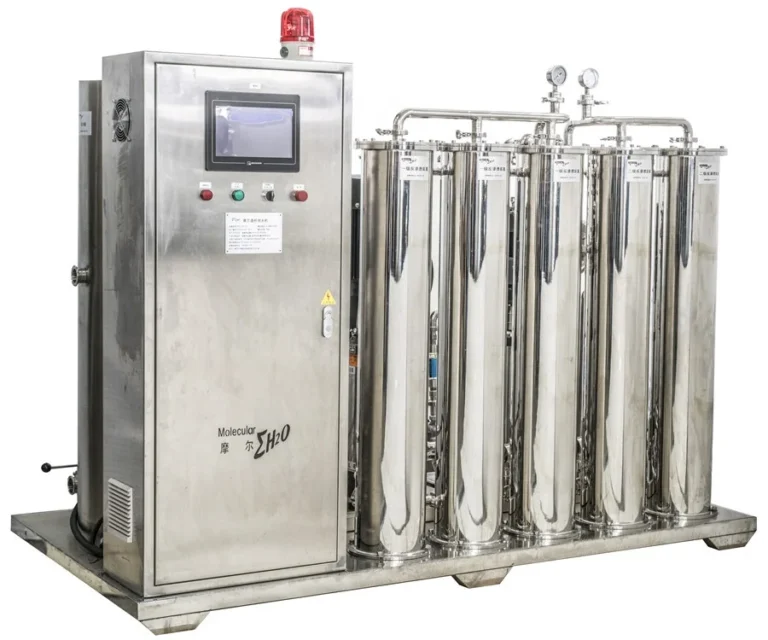
Por qué tu máquina de diálisis es tu primera línea de defensa
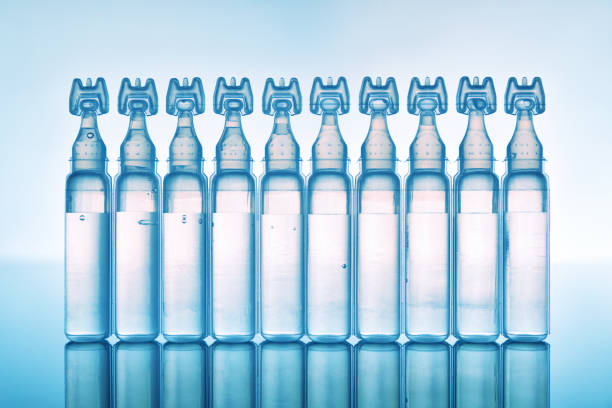
La calidad del agua utilizada en la diálisis influye directamente en los resultados de los pacientes. Los contaminantes que son inofensivos en el agua potable se vuelven mortales cuando eluden las defensas naturales del organismo.
-
Bacterias y endotoxinas: Puede provocar reacciones pirogénicas y shock séptico.
-
Contaminantes químicos (cloramina, fluoruro, metales): Pueden provocar problemas de salud a largo plazo, como anemia hemolítica o enfermedades neurodegenerativas.
-
Electrolitos y minerales: Provocan desequilibrios metabólicos e inestabilidad cardiovascular durante el tratamiento.
Tu sistema de agua para diálisis es la barrera fundamental contra estos riesgos.
El estándar de referencia: Desentrañando la norma AAMI/ISO 23500 para el agua de diálisis
Cualquier máquina de agua para diálisis debe diseñarse, validarse y supervisarse para cumplir con los rigurosos AAMI/ISO 23500 serie de normas. Estas definen los límites permitidos para los contaminantes químicos y los niveles microbianos.
Entre los parámetros clave se incluyen:
-
Niveles de intervención para las bacterias: < 100 UFC/mL (dializado ultrapuro: < 0,1 UFC/mL)
-
Límites de endotoxinas: < 0,25 EU/mL (dializado ultrapuro: < 0,03 EU/mL)
-
Contaminantes químicos: Límites estrictos para más de 70 sustancias, entre ellas cloraminas, metales pesados y nitratos.
Anatomía de una queja Sistema de purificación de agua para diálisis
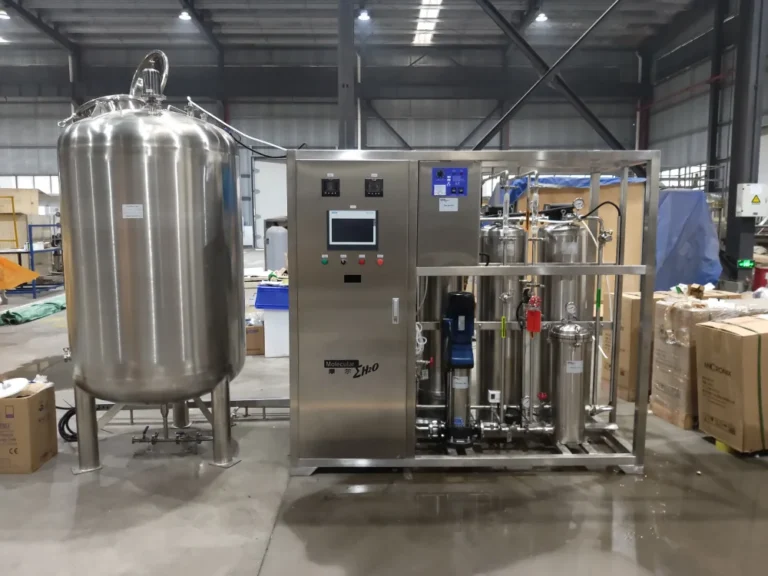
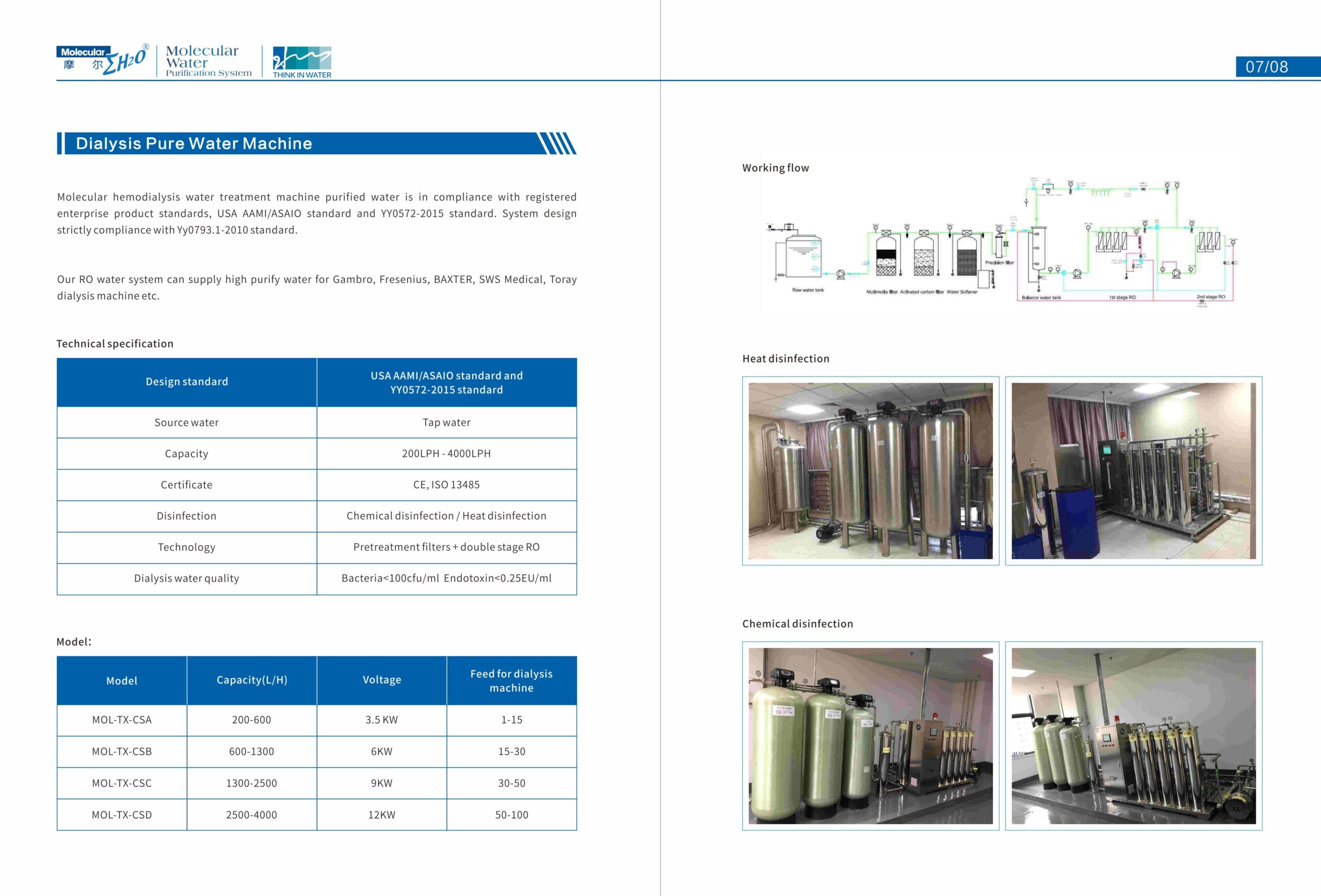
Un sistema fiable es un sistema de defensa de múltiples barreras, en el que cada componente desempeña un papel fundamental.
1. Pretratamiento: la base fundamental
-
Filtración de carbón: Elimina eficazmente las cloraminas y el cloro, que son tóxicas para los pacientes en diálisis y pueden atravesar las membranas de ósmosis inversa.
-
Descalcificación del agua: Evita la acumulación de incrustaciones en el sistema de ósmosis inversa, lo que garantiza un rendimiento constante y la durabilidad de la membrana.
2. Purificación primaria: el corazón del sistema
-
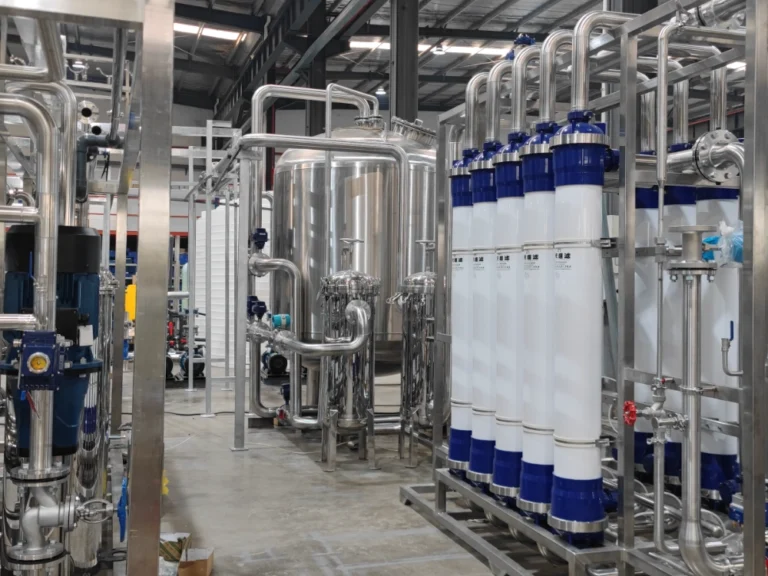
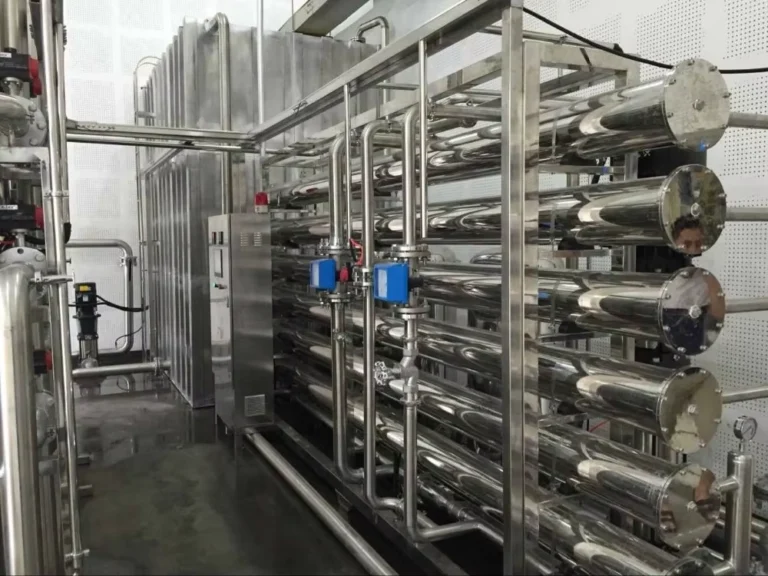
Ósmosis inversa (RO): La tecnología fundamental imprescindible. Una membrana de ósmosis inversa de alta selectividad elimina más del 99,1 % de los contaminantes iónicos, orgánicos y microbianos, lo que permite obtener agua que cumple con el estándar de “calidad AAMI” para diálisis.
3. Distribución y generación de dializado ultrapuro
-
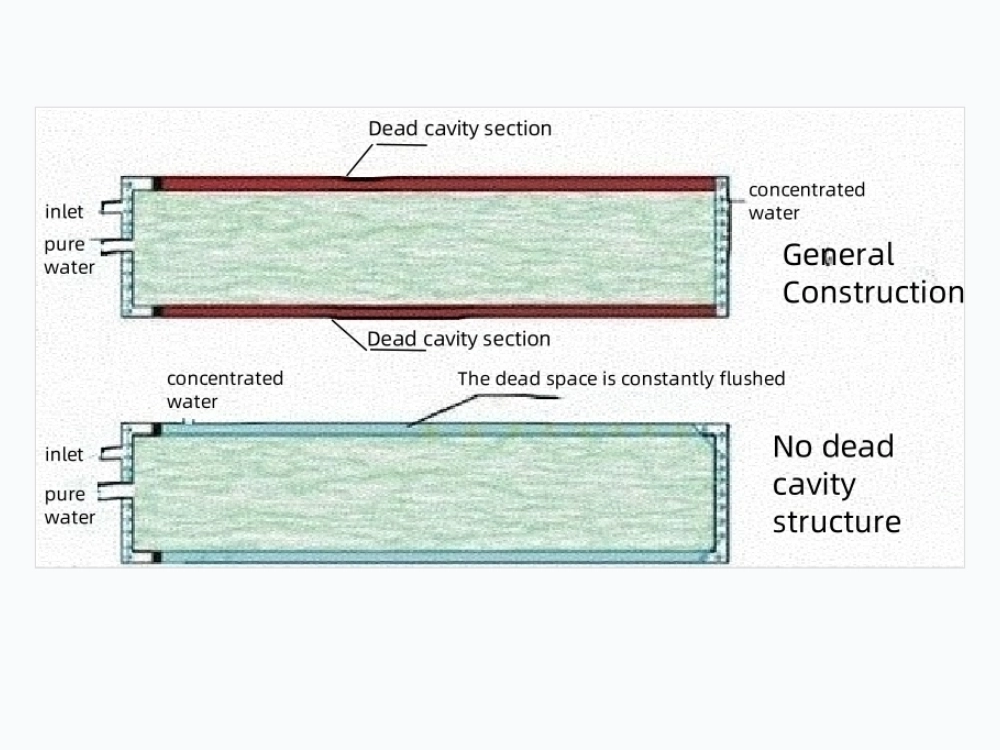
Circuito de distribución sanitaria: Diseñado con tuberías de acero inoxidable 316L o de PVC sin juntas para evitar la proliferación bacteriana, y con recirculación continua.
-
Módulos de ultrafiltración (UF): Instalados en el punto de uso, estos filtros deben producir Dializado ultrapuro, lo cual se asocia con una menor inflamación y mejores resultados para los pacientes.
Los 5 pasos fundamentales para la validación y el monitoreo de los equipos de agua para diálisis
Comprar el equipo es solo el principio. El cumplimiento continuo se demuestra mediante protocolos rigurosos.
-
Validación inicial (IQ/OQ/PQ): Confirma que el sistema está instalado correctamente y que produce agua con calidad AAMI de manera constante.
-
Control microbiano rutinario: Análisis semanales de los niveles de bacterias y endotoxinas en varios puntos del circuito de distribución.
-
Pruebas químicas: Análisis químico completo periódico (al menos una vez al año) para verificar la integridad de la membrana de ósmosis inversa.
-
Desinfección y mantenimiento: Desinfección periódica y documentada de todo el circuito mediante productos químicos o agua caliente.
-
Documentación completa: Cada acción, resultado de prueba y procedimiento de mantenimiento debe registrarse para demostrar el cumplimiento durante las auditorías.
Opinión de un experto: El punto de falla más común no es el RO en sí, sino un pretratamiento inadecuado (especialmente el agotamiento del lecho de carbón) o desinfección deficiente del circuito de distribución, lo que da lugar a la formación de biopelículas y a picos de endotoxinas.
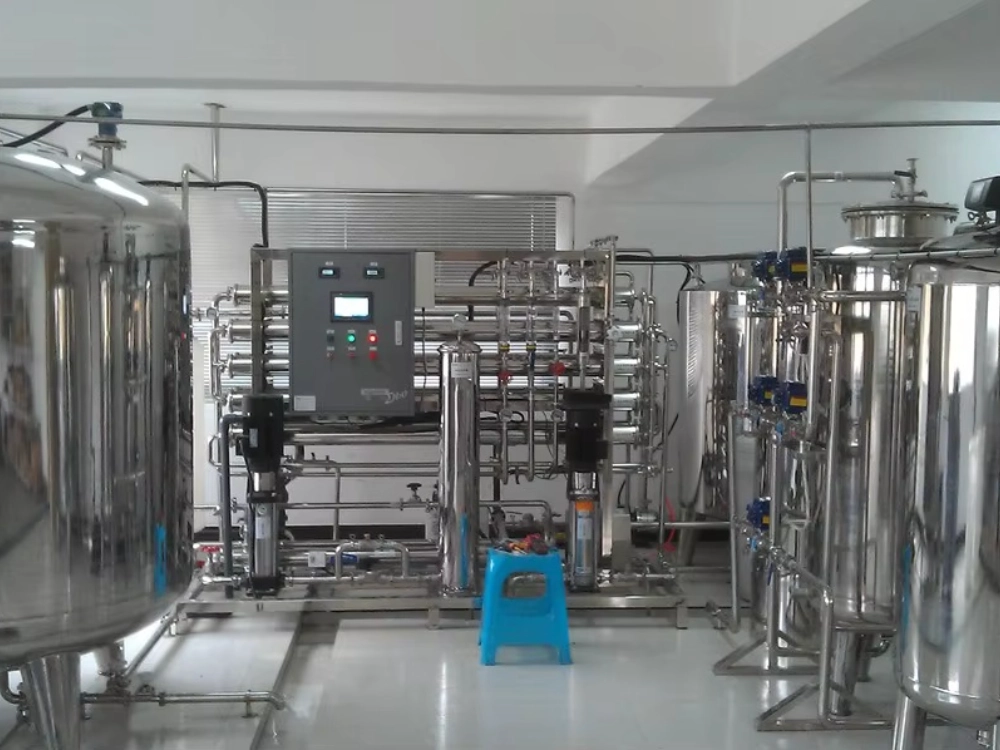
El Molewater Ventaja: Su aliado en la seguridad de los pacientes en diálisis
En [Nombre de su marca], entendemos que su máquina de agua para diálisis es un dispositivo de soporte vital. Vamos más allá de la simple venta de equipos para convertirnos en su socio en materia de cumplimiento normativo.
-
Diseño centrado en la AAMI: Nuestro sistemas de purificación de agua para diálisis han sido diseñados desde cero para cumplir y superar las normas AAMI/ISO 23500.
-
Enfoque «la validación primero»: Ofrecemos un paquete completo de validación, que incluye protocolos y asistencia para la validación de diseño (IQ), la validación operativa (OQ) y la validación de rendimiento (PQ), lo que garantiza que su proceso de acreditación se desarrolle sin contratiempos.
-
Asistencia y supervisión proactivas: Nuestros planes de servicio incluyen recordatorios para tareas de mantenimiento esenciales, como el reemplazo del filtro de carbón, y acceso a expertos técnicos.
¿Confía en la calidad actual del agua?
-
¿Tiene problemas con alertas persistentes de bacterias o endotoxinas?
-
¿Se enfrenta a una próxima auditoría estatal o de acreditación?
-
¿No está seguro de si su sistema actual cumple con los estándares de dializado ultrapuro?
Dé el primer paso hacia un cumplimiento normativo inquebrantable y la seguridad del paciente.
Haga clic aquí para programar una consulta gratuita y sin compromiso póngase en contacto con nuestros especialistas en seguridad acuática para que revisen su sistema actual.