
1. Gastos de capital (CAPEX): la base de la tecnología RO
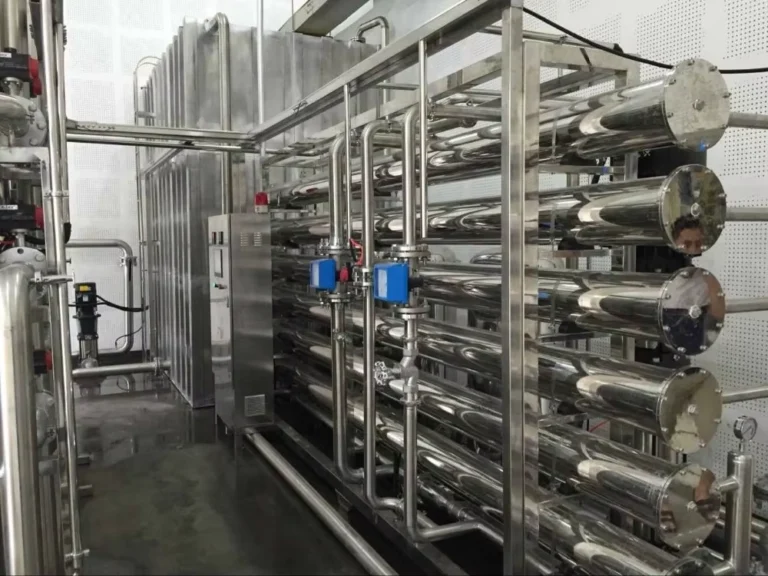
La inversión inicial en un sistema de ósmosis inversa—tu inversión en activos fijos—es a menudo donde las empresas intentan ahorrar a toda costa. Sin embargo, en el sector del tratamiento de aguas, un precio inicial más bajo suele ocultar una ingeniería deficiente que acaba generando costos operativos catastróficos más adelante.
Tecnología de ósmosis inversa con membrana central
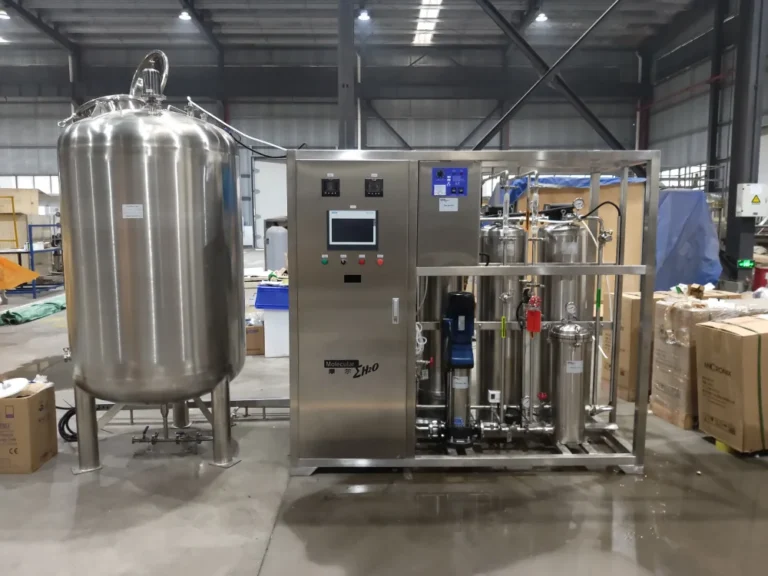
El núcleo del sistema es el Membrana de ósmosis inversa. En 2026, hemos dejado de utilizar membranas estándar para pasar a Membranas nanocompuestas de película fina (TFN) avanzadas.
- Característica:Estas membranas incorporan nanomateriales de alta permeabilidad.
- Ventaja:Ofrecen una tasa de flujo significativamente mayor a presiones de funcionamiento más bajas, al tiempo que mantienen una tasa de rechazo de sal del 99,71 % o superior.
- Ventaja:Se obtiene el mismo volumen de agua ultrapura con un equipo más compacto y una menor carga mecánica.
Sistemas de bombas de alta presión
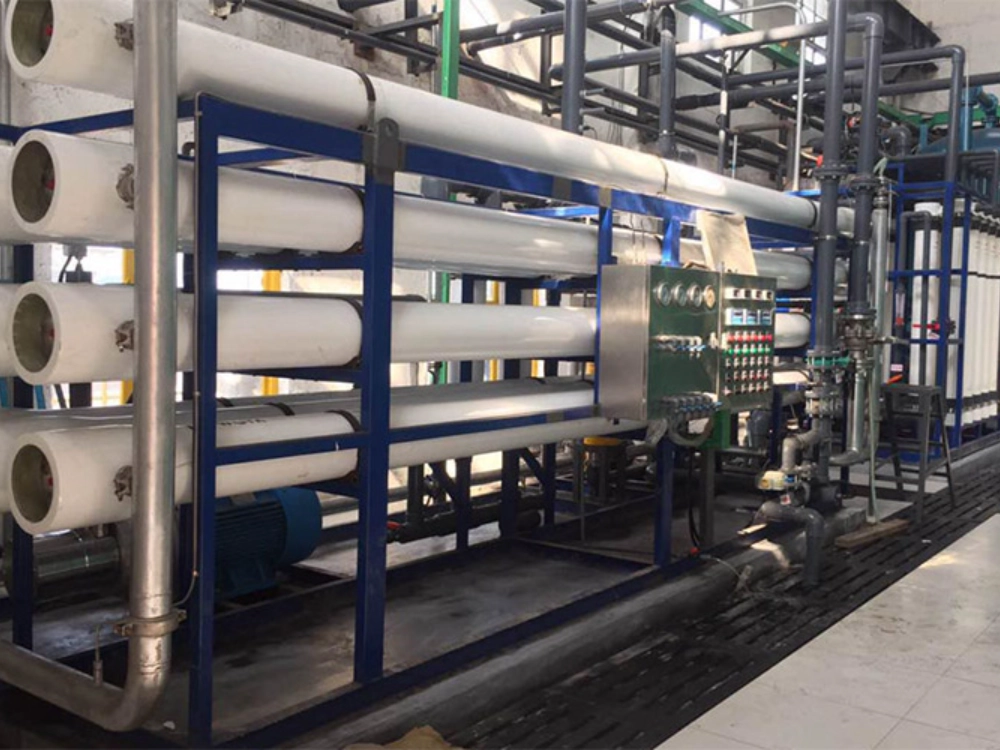
La bomba es el “motor” del proceso de ósmosis inversa. Utilizamos Bombas con variador de frecuencia (VFD) integrado por defecto.
- Característica:Ajuste de la presión en tiempo real en función de la salinidad y la temperatura del agua de alimentación.
- Ventaja:El sistema evita el “efecto martillo” y elimina el desperdicio de energía durante los periodos de baja demanda.
- Ventaja:Esta precisión prolonga la vida útil mecánica de todo el sistema hasta en un 40%, lo que reduce drásticamente la frecuencia de las reinversiones de capital.
Infraestructura de prefiltración
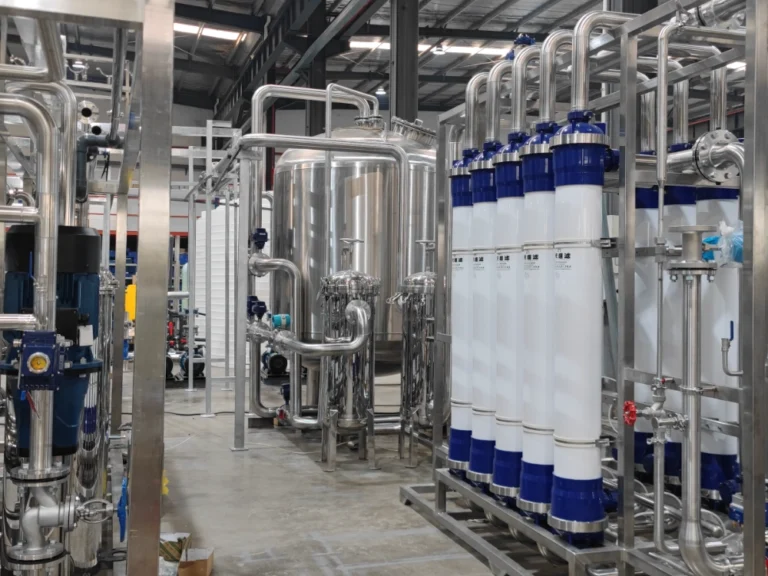
Las pruebas indican que que aproximadamente el 70 % de las fallas prematuras de las membranas de ósmosis inversa se deben a un pretratamiento inadecuado. Al invertir en Ultrafiltración (UF) o Filtros multimedia (MMF) Al incluirlo en su CAPEX, en esencia está contratando un seguro. Datos fiables del sector confirman que un pretratamiento eficaz puede prolongar la vida útil de sus membranas de ósmosis inversa, pasando de la media del sector de tres años a más de cinco, lo que supone un ahorro considerable a largo plazo.
2. Gastos operativos (OPEX): el costo real del agua
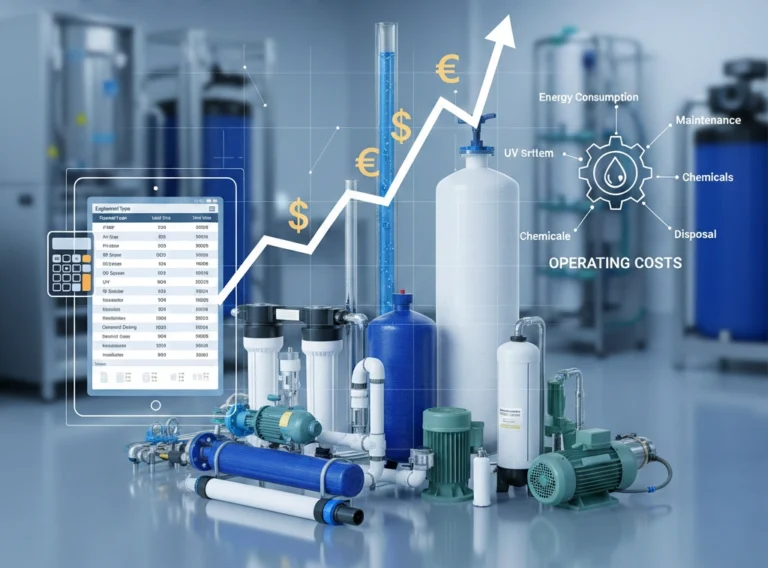
Mientras que el CAPEX es un gasto puntual, el OPEX es el motor del presupuesto de tu instalación. De media, el costo operativo representa 75% del costo total del ciclo de vida de una planta de ósmosis inversa.
El componente energético
La electricidad sigue siendo el mayor gasto variable. El principio físico de la ósmosis inversa consiste en hacer pasar el agua a través de una membrana semipermeable a presiones superiores a su presión osmótica natural.
- Característica:Integración de Dispositivos de recuperación de energía (ERD) como las cámaras isobáricas.
- Ventaja:Estos dispositivos capturan la energía a alta presión del flujo de salmuera (residuo) y la devuelven al agua de alimentación entrante.
- Ventaja:En aplicaciones con agua de mar, esto reduce el consumo de electricidad hasta en un 60%, lo que ha reducido el costo de la energía por metro cúbico a mínimos históricos.
Gestión de productos químicos y consumibles
Para prevenir la formación de incrustaciones y las acumulaciones biológicas, se necesitan productos químicos especializados: antiincrustantes y biocidas.
- Característica:Sistemas de dosificación química automatizados y controlados por sensores.
- Ventaja:A diferencia de la dosificación manual, que a menudo da lugar a una “sobredosis” por motivos de seguridad, los sensores inteligentes suministran la cantidad exacta en miligramos necesaria en función de los parámetros químicos del agua en tiempo real.
- Ventaja:Nuestros clientes han documentado un Reducción del 221 % en el gasto anual en productos químicos, al tiempo que protege las membranas de los daños causados por las incrustaciones.
3. Factores clave que influyen en el costo de su tecnología de ósmosis inversa
Para elaborar un presupuesto realista, debe tener en cuenta la “materia prima”: el agua de alimentación. La salinidad (medida como «sólidos totales disueltos» o TDS) determina la presión necesaria y, por consiguiente, el costo.
| Fuente de agua | TDS típico (ppm) | Gastos operativos estimados para 2026 ($/m³)* |
| Agua salobre/de pozo | 1 500 – 5 000 | $0.20 – $0.45 |
| Agua industrial de alta salinidad | 5 000 – 15 000 | $0,55 – $0,85 |
| Desalinización del agua de mar | 35,000+ | $0,95 – $1,55 |
| *Las estimaciones incluyen la energía eléctrica a $0,12/kWh, los productos químicos, el mantenimiento y las reservas para la sustitución de membranas. |
4. Por qué la supervisión inteligente es la mejor función para ahorrar costos
El costo “oculto” de Tecnología de ósmosis inversa es tiempo de inactividad. Si un sistema se amplía y necesita una limpieza a fondo no programada, la producción se detiene.
- Característica:Análisis predictivo basado en IA.
- Ventaja: Nuestros sistemas supervisan el “caudal de permeado normalizado”. Cuando la IA detecta una desviación de 5% respecto al valor de referencia, avisa al operador antes de que la incrustación se vuelva irreversible.
- Ventaja:Esto cambia tu modelo de mantenimiento de reactivo (caro) a predictivo (económico), garantizando un tiempo de actividad del 99,1 % para sus instalaciones.
5. Rendimiento basado en la evidencia: un estudio de caso de 2026
En una instalación reciente para un importante fabricante de productos electrónicos de Texas, sustituimos un sistema de ósmosis inversa obsoleto por una unidad moderna y de alta eficiencia.
- Reto inicial:Los altos costos de energía y el reemplazo de la membrana cada 18 meses.
- Solución:Membranas TFN integradas y tecnología ERD.
- Resultado:En los primeros 12 meses, el cliente informó de un 31%: reducción de los costos totales de producción de agua. Solo con el ahorro energético se amortizó la diferencia de precio entre nuestro modelo de alta eficiencia y un modelo estándar de la competencia en tan solo 14 meses.
Priorizar la calidad frente al precio
El costo de la tecnología de ósmosis inversa es una ecuación variable. Aunque el mercado está repleto de componentes de bajo costo, el operador con experiencia sabe que La eficiencia es el mejor descuento. Al centrarse en diseños de alta recuperación, sistemas de bombeo eficientes desde el punto de vista energético y un monitoreo inteligente, no solo trata el agua, sino que también protege sus resultados financieros.
Tanto si está diseñando una nueva instalación como si está modernizando una ya existente, comprender estos factores que influyen en los costos es el primer paso hacia una producción sostenible de agua de alta pureza.