Los fundamentos técnicos: cómo funcionan las soluciones de ósmosis inversa (RO) y de intercambio de datos electrónico (EDI) Trabajo
Para elegir el sistema adecuado, es necesario comprender la sinergia entre estas dos tecnologías.
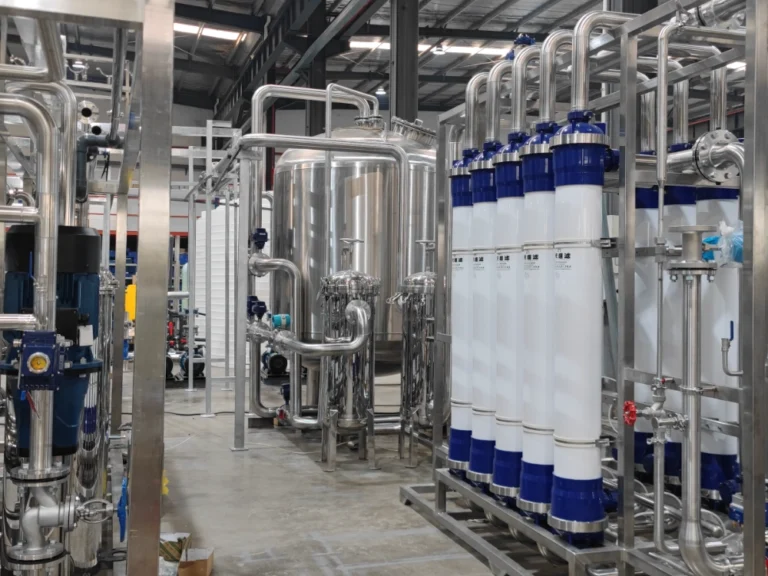
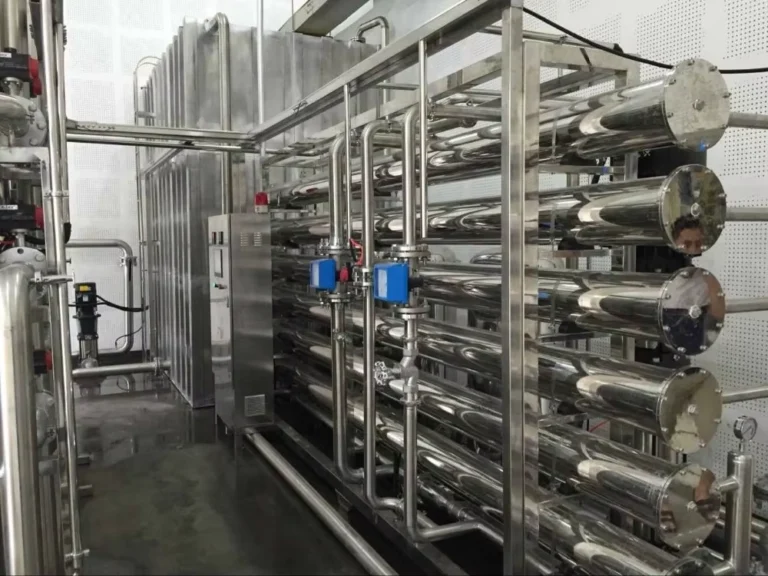
Ósmosis inversa (RO) constituye la etapa de purificación primaria esencial. Mediante el uso de bombas de alta presión que impulsan el agua a través de membranas semipermeables, elimina eficazmente hasta el 99,1 % de las sales disueltas, los compuestos orgánicos y las bacterias. Es el “motor” del sector para la desmineralización a gran escala.
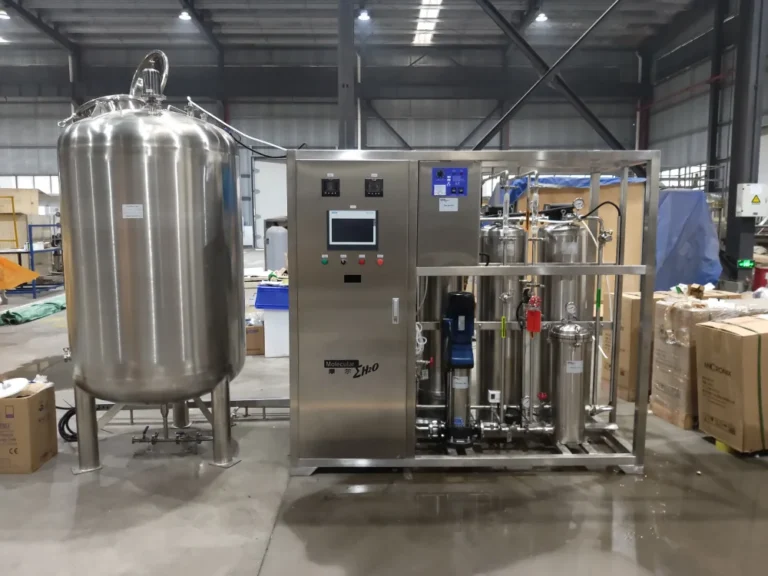
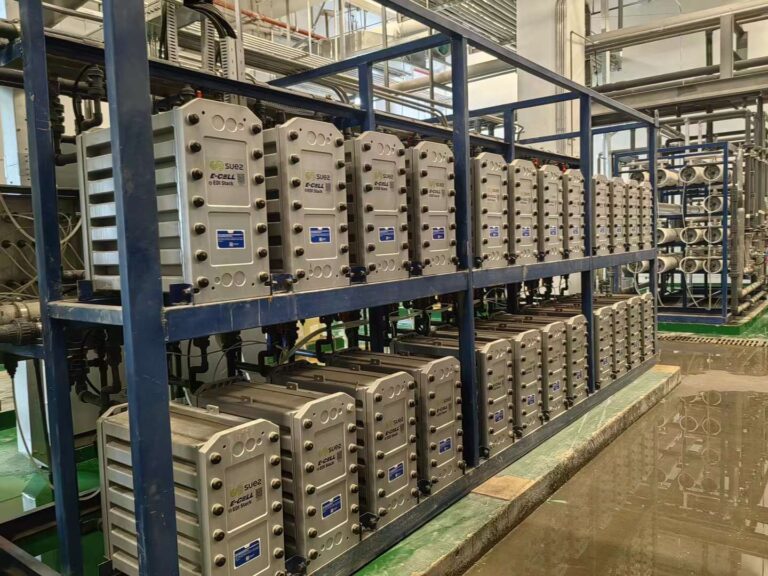
Sin embargo, para los laboratorios que requieren una pureza superior, un sistema de ósmosis inversa independiente suele no ser suficiente. Aquí es donde un Solución de EDI (electrodeionización) se vuelve indispensable. A diferencia de los métodos tradicionales, una solución EDI utiliza un campo eléctrico para desplazar continuamente los iones a través de membranas selectivas y hacia un flujo de residuos. Dado que las resinas de intercambio iónico del módulo se regeneran constantemente gracias a la corriente eléctrica, nunca es necesario detener el sistema para realizar una limpieza química o sustituir las resinas.
Por qué una solución EDI integrada es el nuevo estándar de referencia
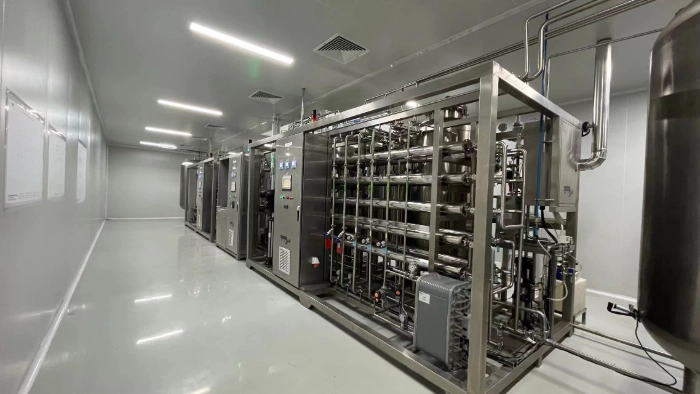
En el pasado, muchos laboratorios utilizaban sistemas de ósmosis inversa (RO) seguidos de cartuchos de resina de desionización (DI) reemplazables. Sin embargo, los laboratorios farmacéuticos modernos están adoptando cada vez más un sistema específico Solución EDI como su etapa principal de pulido. Este cambio viene impulsado por la necesidad de una mayor fiabilidad y menores riesgos operativos.
1. Coherencia inquebrantable e integridad de los datos
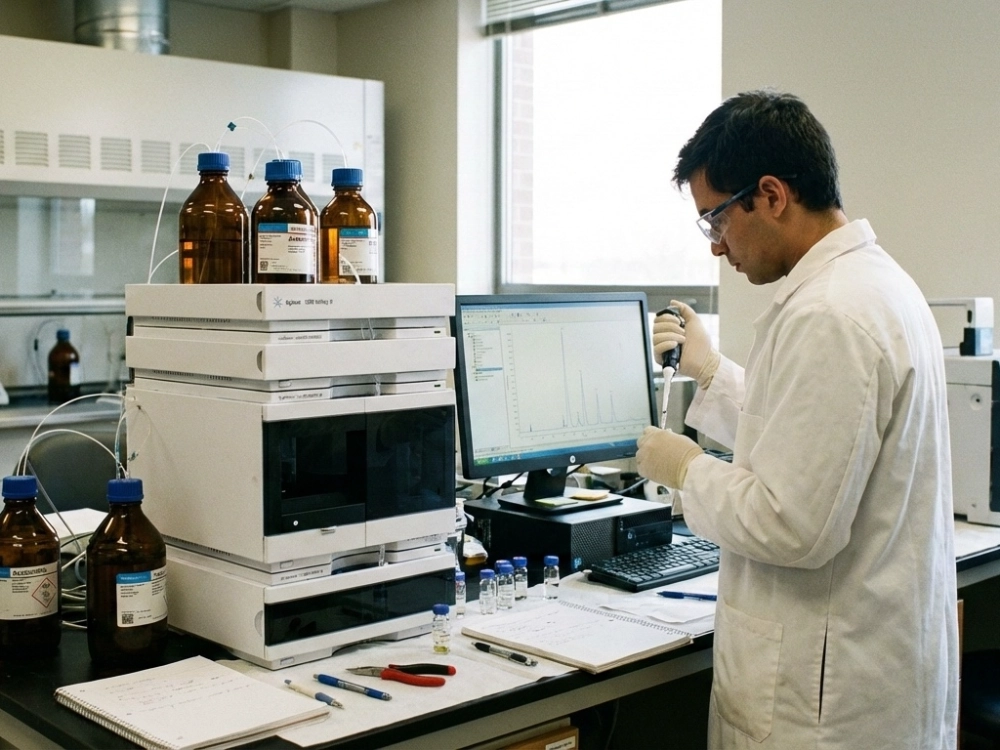
En el ámbito farmacéutico, la variabilidad es el enemigo del progreso. El rendimiento de un sistema de ósmosis inversa autónomo puede fluctuar debido a los cambios estacionales en el agua municipal o a la formación de incrustaciones en las membranas. Dichas fluctuaciones pueden introducir trazas de interferencia iónica en equipos sensibles como HPLC, LC-MS o ICP-MS, lo que provoca una deriva de la línea de base, picos fantasma y resultados poco fiables que pueden retrasar la aprobación de los medicamentos.
Un Solución EDI actúa como estabilizador de precisión. Suministra agua de manera constante con una resistividad de De 10 a 18,2 MΩ·cm, incluso si la calidad del agua de entrada varía ligeramente. Esta estabilidad es la “prueba” que buscan los auditores durante una inspección de BPF (Buenas Prácticas de Fabricación). Demuestra que el agua —y, por extensión, los resultados de sus experimentos— se produce en condiciones controladas y reproducibles. Cuando su laboratorio puede demostrar que la resistividad del agua no ha variado en seis meses, se gana la confianza de los organismos reguladores.
2. Eficiencia operativa y seguridad en el lugar de trabajo de primer nivel
Una de las ventajas más inmediatas de pasar a un sistema basado en EDI es la eliminación total de los productos químicos peligrosos. Los sistemas tradicionales de intercambio iónico requieren una regeneración periódica mediante ácido clorhídrico concentrado e hidróxido de sodio. Este proceso implica una gran cantidad de mano de obra, un almacenamiento especializado para los materiales corrosivos y el riesgo constante de exposición a productos químicos para el personal de laboratorio.
Por el contrario, un Solución EDI no contiene ningún producto químico. Al regenerarse eléctricamente, se elimina la logística que supone el cambio de tanques y los costos ocultos asociados a la compra, la manipulación y la eliminación de productos químicos peligrosos. Esto no solo reduce sus Coste total de propiedad (TCO) a lo largo del ciclo de vida del sistema, pero también mejora considerablemente la seguridad en el lugar de trabajo. En un laboratorio estadounidense moderno, reducir la responsabilidad civil y mejorar el perfil de seguridad de las instalaciones es una ventaja prioritaria que tiene gran resonancia entre las partes interesadas.
3. Sostenibilidad y alineación con el “Green Lab”
La industria farmacéutica mundial se ve sometida a una presión cada vez mayor para reducir su huella ambiental. La desionización tradicional genera una enorme cantidad de aguas residuales químicas que deben neutralizarse antes de su vertido, lo que supone una carga para las instalaciones locales de tratamiento de aguas. Un Solución EDI encaja perfectamente con las iniciativas de sostenibilidad de la empresa.
Estos sistemas tienen una alta tasa de recuperación de agua y no generan residuos peligrosos. Además, dado que los módulos están diseñados para una larga vida útil —a menudo duran entre 5 y 10 años con un pretratamiento adecuado de ósmosis inversa—, el volumen de residuos de plástico y resina se reduce drásticamente en comparación con los cartuchos de resina desechables. Optar por una solución EDI es una clara muestra de responsabilidad ambiental.
Tabla comparativa: Encuentra la opción ideal para ti
| Indicador de rendimiento | Ósmosis inversa de un solo paso | Ósmosis inversa de dos etapas | Solución EDI integrada |
| Calidad del agua del producto | 0,2 – 1,0 MΩ·cm | 1,0 – 5,0 MΩ·cm | 10 – 18,2 MΩ·cm |
| Frecuencia de mantenimiento | Moderado | Moderado | Muy bajo (autorregenerativo) |
| Manipulación de productos químicos | Limpieza periódica | Limpieza periódica | Sin productos químicos |
| Cumplimiento normativo en materia de auditoría | Básico | Moderado | Calidad superior/farmacéutica |
Cómo elegir el sistema adecuado para su aplicación
El “mejor” sistema depende totalmente de la sensibilidad específica de tu laboratorio:
Asistencia general para laboratorios: Para el lavado de material de vidrio o el agua de alimentación de autoclaves, un sistema robusto Sistema de ósmosis inversa es una opción rentable que ofrece una purificación a gran escala fiable.
Investigación de precisión: Para el análisis de biología molecular o de oligoelementos, la estabilidad de un Solución EDI Es obligatorio para evitar que la contaminación iónica distorsione tus datos.
Producción y ampliación: En el caso de la fabricación regulada por las buenas prácticas de fabricación (GMP), un Solución de ósmosis inversa de dos etapas + EDI es el estándar del sector y ofrece una protección de doble capa que garantiza que la calidad del agua siga cumpliendo con los requisitos, incluso si la calidad del agua de entrada del sistema municipal disminuye.
Conclusión: Invertir en fiabilidad
La transición a un sistema automatizado Solución EDI es más que una simple actualización técnica; es una inversión en la integridad de los datos de su laboratorio. Al combinar la potencia de filtración de la ósmosis inversa (RO) con el pulido continuo y sin productos químicos de la desionización electrolítica (EDI), se asegura un suministro de agua preparado para el futuro que satisfará tanto al auditor más riguroso como al científico más meticuloso.