
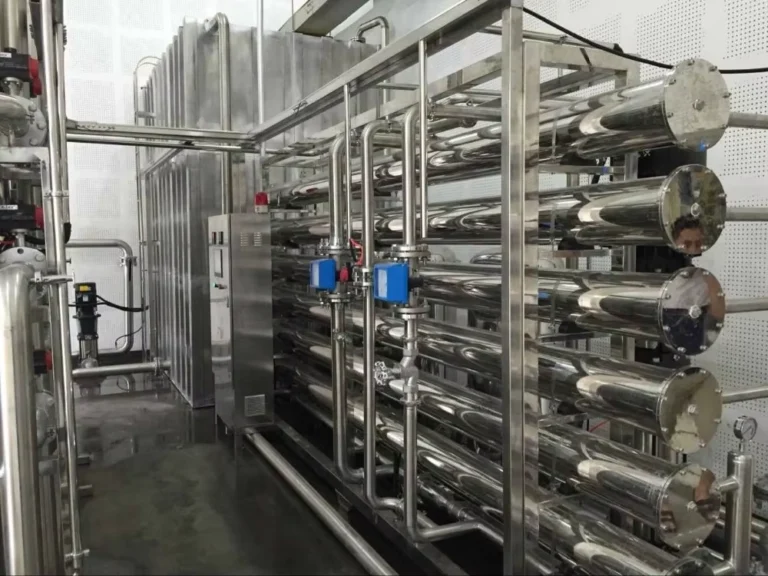
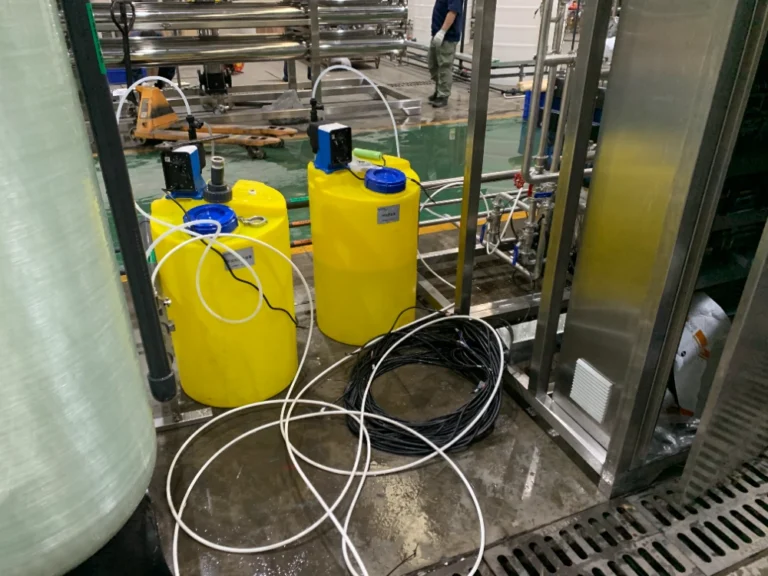
Introducción: La importancia fundamental de la dosificación de productos químicos en el tratamiento del agua
El tratamiento del agua es el fundación para garantizar el buen funcionamiento de los sistemas industriales y municipales. En este complejo proceso, el Dosificación de productos químicos El sistema desempeña un esencial función. Consiste en introducir cantidades precisas de productos químicos en el flujo de agua para lograr la purificación, la desinfección, el ajuste del pH o la prevención de la corrosión y la formación de incrustaciones. Sin preciso control de Dosificación de productos químicos, tanto los estándares de calidad del agua como la vida útil de los equipos se enfrentan a grave desafíos.
Este artículo te servirá de Guía básica, lo que ofrece un en profundidad análisis de la 6 más utilizado Dosificación de productos químicos tipos de agentes y sus aplicaciones específicas en su sistema de tratamiento de agua. Comprender estos núcleo agentes es el primer paso fundamental para optimizar tus procesos y garantizar el buen funcionamiento de tu sistema perfectamente.
Dosificación de productos químicos – Analizando 6 Tipos y aplicaciones
Recomendamos utilizar un complemento de índice (TOC) para estructurar el texto, tal y como se indica en la comprobación de legibilidad del contenido.
1. Floculantes
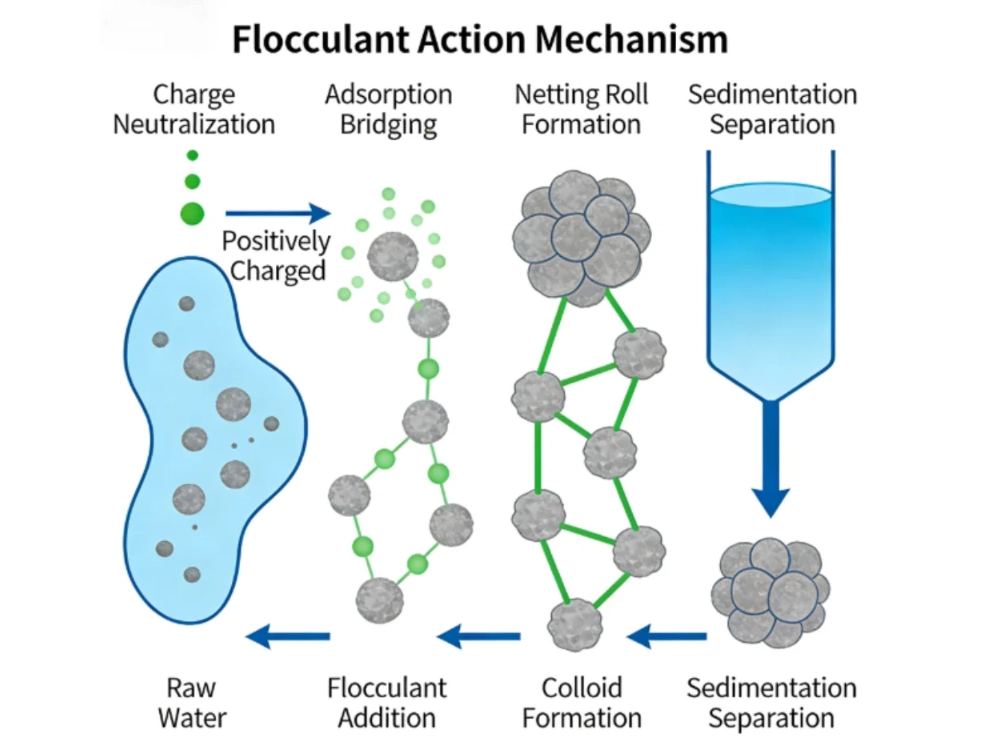
Los floculantes son vital agentes utilizados en el Dosificación de productos químicos proceso para tratar sólidos en suspensión y partículas coloidales. Su funcionamiento consiste en aglutinar las partículas diminutas para formar “flóculos” más grandes, lo que facilita enormemente su eliminación mediante sedimentación o filtración.
-
Función: Mejora la claridad y de manera eficiente elimina la turbidez y el color del agua.
-
Palabra de poder: Potente eliminación.
-
Párrafos cortos: A lo largo del artículo utilizamos párrafos cortos para facilitar la lectura.
2. Desinfectantes
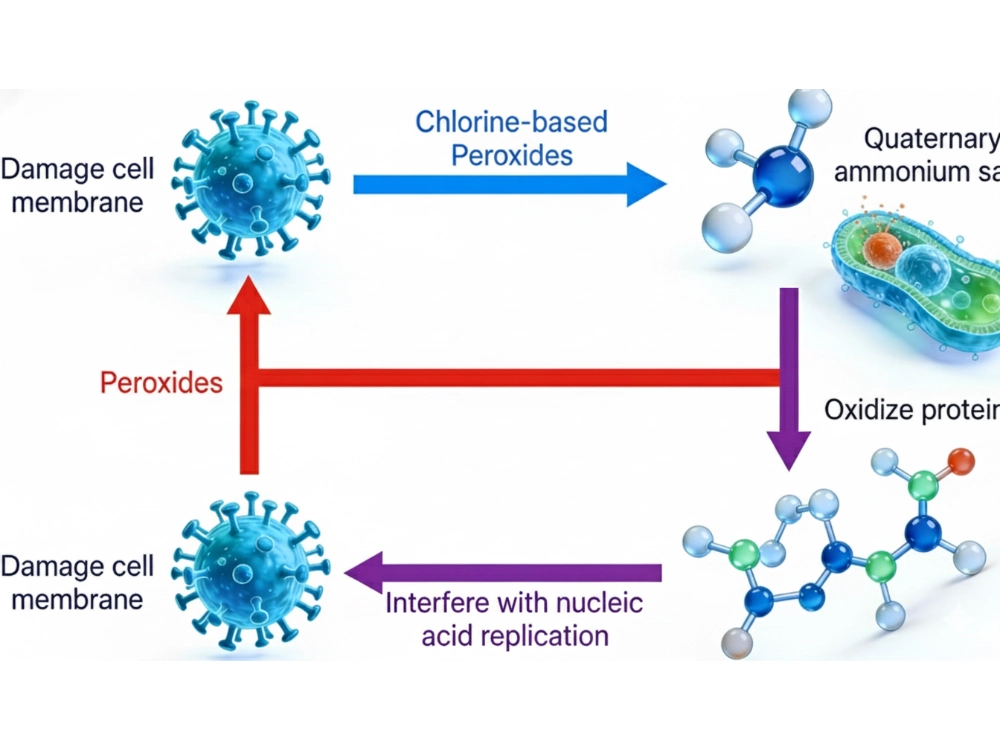
En el tratamiento del agua, especialmente en el caso del agua potable y las aguas residuales, la desinfección es un indispensable paso. Entre los desinfectantes más comunes se encuentran el cloro, el hipoclorito de sodio y el dióxido de cloro.
-
Función: Elimina o inactiva los microorganismos patógenos (bacterias, virus, etc.) presentes en el agua.
-
Palabra de sentimiento: Garantías increíble seguridad.
3. Reguladores de pH
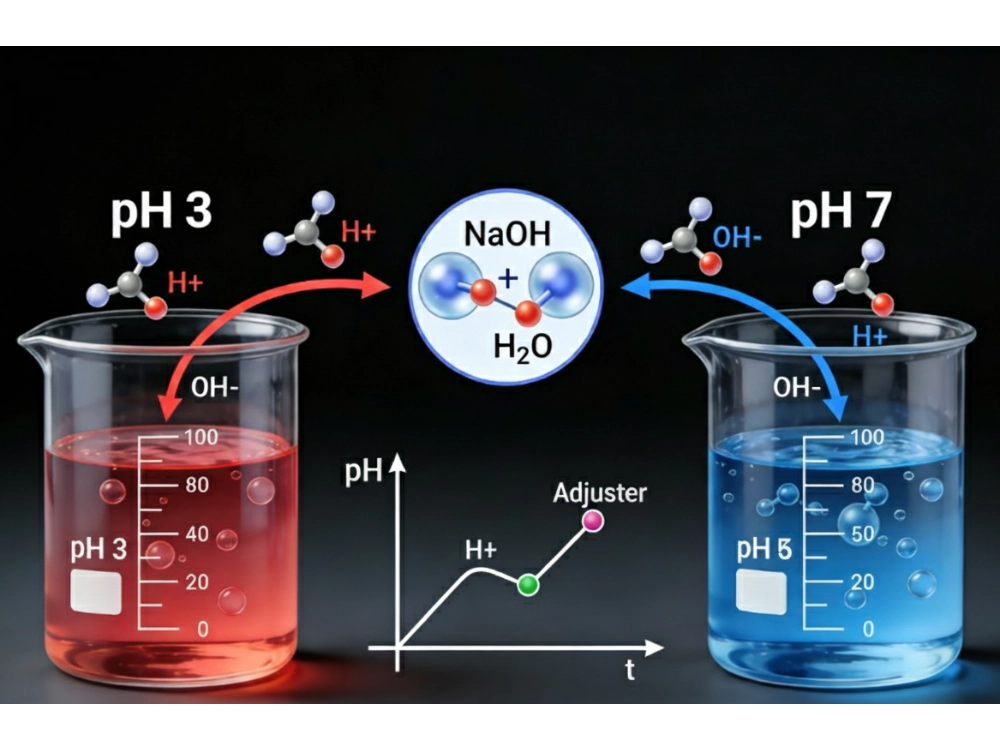
Muchos procesos de tratamiento del agua, como la coagulación, la desinfección y la prevención de la corrosión, tienen requisitos estrictos en cuanto al pH. Los reguladores de pH (como los ácidos o las bases) se utilizan para controlar el pH del agua dentro del ideal gama.
-
Función: Controla la acidez y la alcalinidad del agua, optimizando la eficacia de las reacciones químicas y protegiendo las tuberías.
-
Palabra de poder: Preciso saldo.
4. Inhibidores de incrustaciones
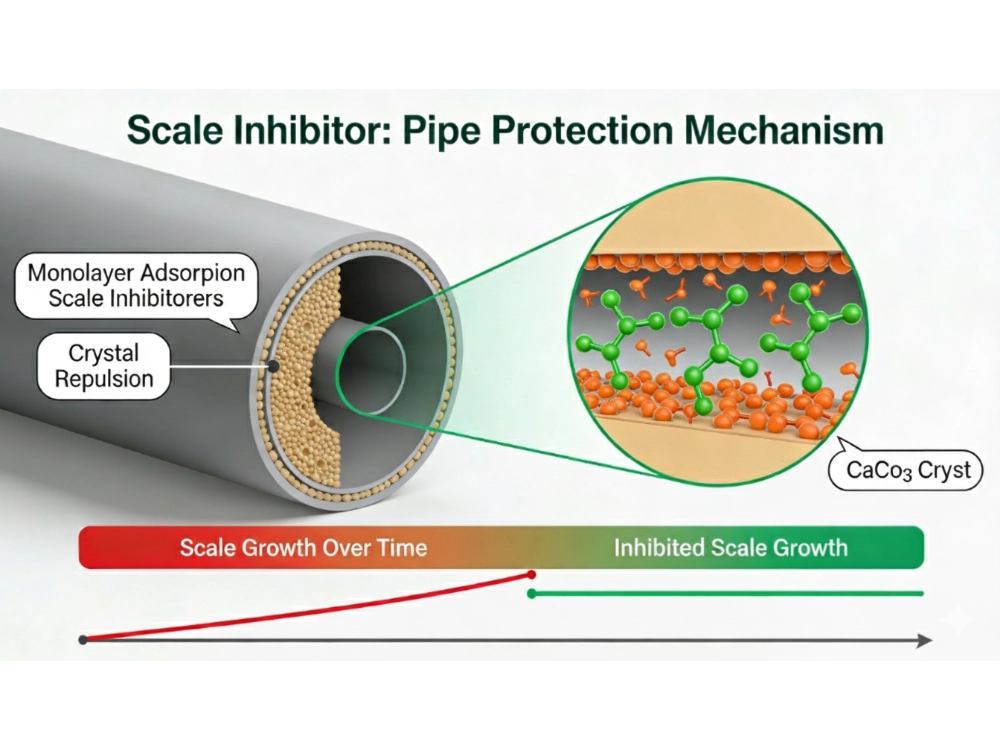
En el caso de las torres de enfriamiento y los sistemas de calderas, la formación de incrustaciones es un principal amenaza para los equipos. Los inhibidores de incrustaciones evitan que los minerales del agua dura se depositen en superficies calientes al interferir en el crecimiento de los cristales o al dispersar las partículas sólidas.
-
Función: Protege los equipos costosos contra los daños causados por las incrustaciones, de manera notable prolongar la vida útil del sistema.
-
Número: Reduce los costos de mantenimiento en 40%.
5. Inhibidores de corrosión
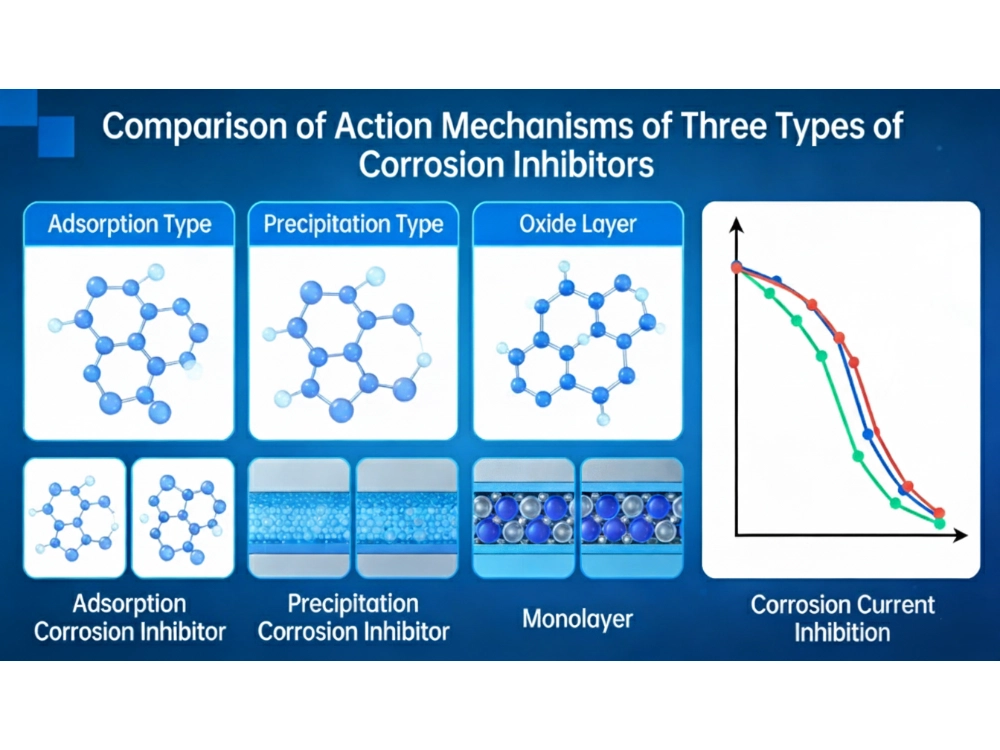
Los inhibidores de corrosión forman una película protectora en la superficie de las tuberías y los equipos, lo que reduce el contacto entre el agua y el metal, por lo que efectivamente prevenir la corrosión de los metales. Esto es especialmente crucial para sistemas industriales de circulación de agua.
-
Función: Crea una barrera física para prevenir la corrosión y las fugas en los equipos (por ejemplo, intercambiadores de calor).
-
Palabra de sentimiento: Confiable protección.
6. Agentes oxidantes – Los Definitivo Dosificación de productos químicos Experto en pretratamiento
Los agentes oxidantes (como el permanganato de potasio o el ozono) se utilizan a menudo en el pretratamiento para oxidar el hierro, el manganeso o los contaminantes orgánicos presentes en el agua, preparándola para el tratamiento posterior Dosificación de productos químicos y filtración.
-
Función: Elimina los iones metálicos y la materia orgánica de difícil degradación, optimizando los resultados del tratamiento.
-
Palabra de poder: Definitivo purificación.
Fundamental Consejos para Éxito Dosificación de productos químicos
Para garantizar que su Dosificación El sistema logra máximo eficacia, el mero hecho de conocer los agentes es insuficiente. También debe centrarse en la selección de la bomba dosificadora, la optimización de los puntos de inyección y la supervisión continua. Una correcta Dosificación de productos químicos La dirección garantiza el cumplimiento y de manera significativa reduce los costos operativos y el impacto ambiental.
📌 Acciones clave para el éxito:
-
Monitoreo continuo: Comprueba periódicamente los parámetros de calidad del agua para asegurarte de que Dosificación de productos químicos los niveles son óptimo.
-
Seleccione equipos de calidad: Invertir en de alta precisión Dosificación de productos químicos bombas y sistemas de control.
-
Enlace externo: Para obtener más información sobre las normas internacionales de calidad del agua, consulte el Directrices de la Organización Mundial de la Salud (OMS)
Conclusión
Dominar estos 6 núcleos tipos de agentes y sus funciones específicas en Dosificación de productos químicos es un esencial competencia para los profesionales del tratamiento del agua. A través de preciso Dosificación de productos químicos, su empresa puede lograr excelente normas de calidad del agua y protección de los equipos.
¿Listo para encontrar el el más adecuado Dosificación de productos químicos ¿Una solución para sus retos específicos en el tratamiento del agua? ¡Póngase en contacto con nuestro equipo de expertos hoy mismo!