
If you’re reading this, you’re likely grappling with the difficult choice of implementing or upgrading a membrane separation sistema.
Choosing the best membrane separation technology isn’t about picking the latest gadget; it’s about rigorously matching the technology to your water’s unique “personality.”
It’s not about the initial price tag; it’s about stability. A poorly chosen Separación por membrana system quickly becomes an expensive liability when cleaning frequency goes up and membrane life expectancy goes down.
Why does this happen? Simple: You were sold on a specification sheet rather than a holistic solution tailored to your unique wastewater.
El CRUCIAL Misstep: Thinking All Water is the Same
Most selection mistakes stem from one fatal assumption: believing that a membrane system that works for your competitor will work for you. Every plant’s raw water—even in the same industrial sector—is a distinct cocktail of contaminants.
Trap 1: Obsessing over Recovery Rate, Ignoring Fouling Potential
Everyone wants to save water, so high recovery rates (e.g., 90% water reuse) sound amazing. But if your raw water is high in difficult-to-treat components like silica, organic colloids, or oil, choosing a standard, tight Membrana de ósmosis inversa (RO) just to hit that high rate is a recipe for disaster.
- The Emotional Cost: El stress of watching pressure gauges drop daily because of rapid fouling is immense. You save on water, but spend a fortune on chemicals, energy, and labor for constant cleaning.
Trap 2: Underestimating the Power of Pre-Treatment
I cannot overstate this: the life and efficiency of your entire membrane separation system are determined by its pretratamiento.
Think of the primary membrane (like RO) as the sensitive surgical team. The pre-treatment (like Ultrafiltración (UF), softening, or activated carbon) is the preparation team. If the prep team fails, the surgery fails. Investing adequately in pre-treatment protects your core investment and dramatically extends the membrane’s lifespan.
The “Human” Approach: Ask These Three Questions
To avoid the common pitfalls, we use a human-centric, problem-solving approach. Forget the sales brochures for a minute and ask:
1. What is the Water’s Biggest “Anger Point”?
Is your water highly saline? Is it prone to scaling (hardness)? Does it have a high Suspended Solids load?
- If your water is highly contaminated and prone to fouling, you should immediately look past standard spiral-wound membranes toward robust structures like Disc Tube Reverse Osmosis (DTRO). While the initial CapEx is higher, DTRO’s resistance to fouling and ease of cleaning lead to drastically lower long-term operational costs (OpEx). This is where the real savings are made!
2. What is the Absolute Minimum Output Quality You Need?
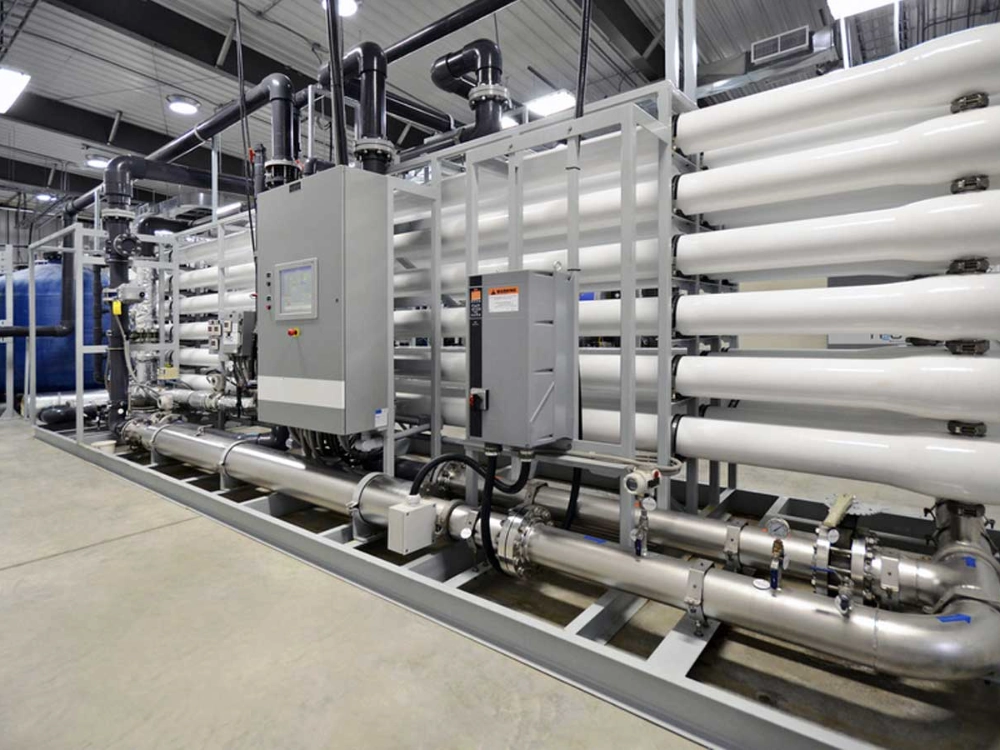
Don’t over-specify the membrane. If you only need to remove suspended solids and bacteria (e.g., for drinking water pre-treatment), a cost-effective Ultrafiltration (UF) system is likely enough. You don’t need the expense and complexity of Ósmosis inversa (RO) if moderate salt removal is acceptable.
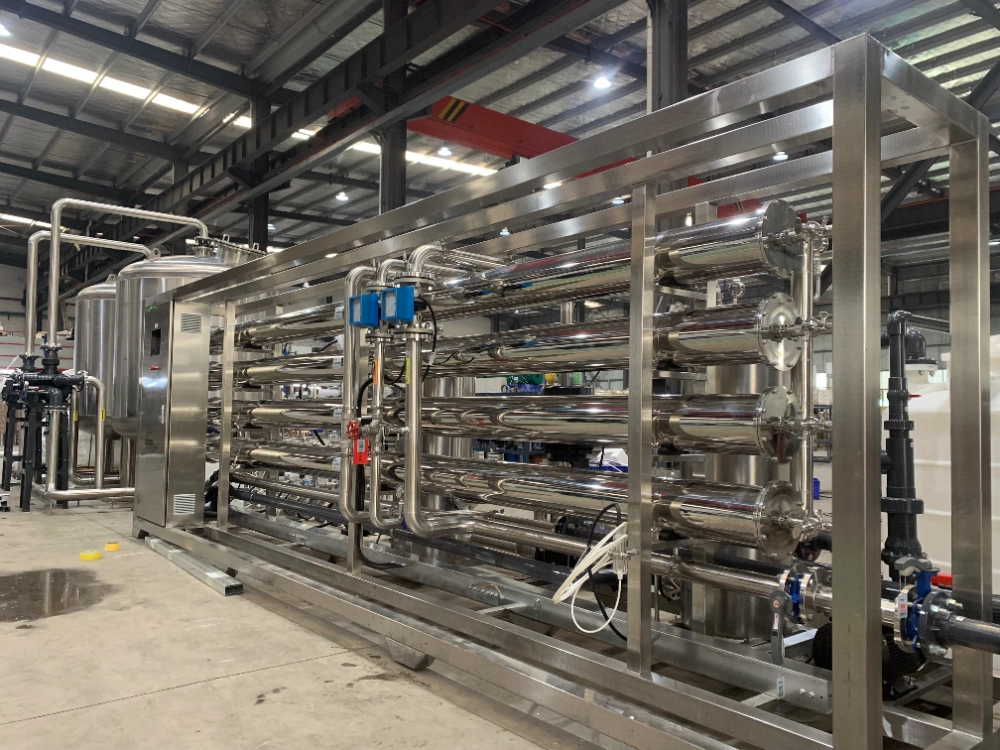
Choosing the Right Membrane Separation Technology: It Starts with Your Water
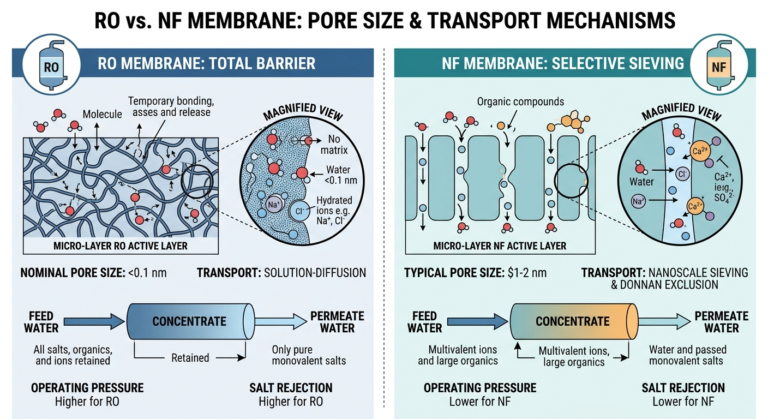
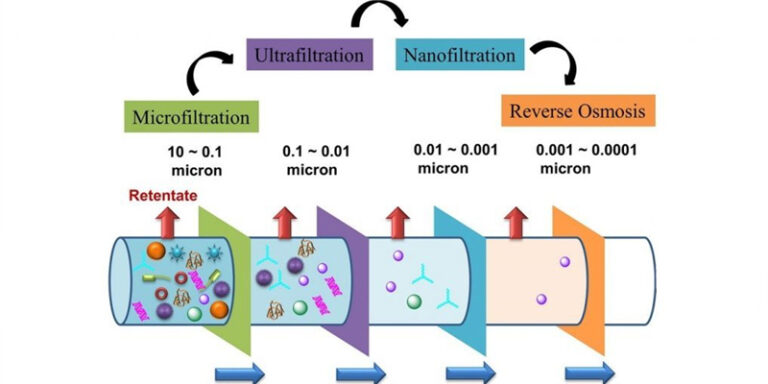
Before looking at models, you must deeply understand your raw water’s “personality.” Different types of Separación por membrana technologies (MF, UF, NF, RO) are designed to handle different kinds of contamination.
| Contaminant Profile | Recommended Membrane | Why? |
| High Suspended Solids, Bacteria, Colloids | Ultrafiltración (UF) | Acts as a robust pre-filter to protect downstream systems. |
| High Dissolved Solids (TDS), High Purity Required | Ósmosis inversa (RO) | The ultimate tool for deep demineralization and reuse. |
| High Fouling Potential (Oil, Grease, Organics) | Tubular/DTRO Membrane Separation | Wide flow channels reduce clogging and handle challenging flows. |
This is not a guess; it requires meticulous water analysis and, ideally, on-site pilot testing.
The ULTIMATE Pre-Treatment Strategy for Membrane Separation
I am passionate about pre-treatment because it’s the single most neglected component. A high-quality Separación por membrana unit is useless if its “lungs” (the membranes) are choked by contaminants the pre-treatment failed to remove.
NEVER compromise on:
-
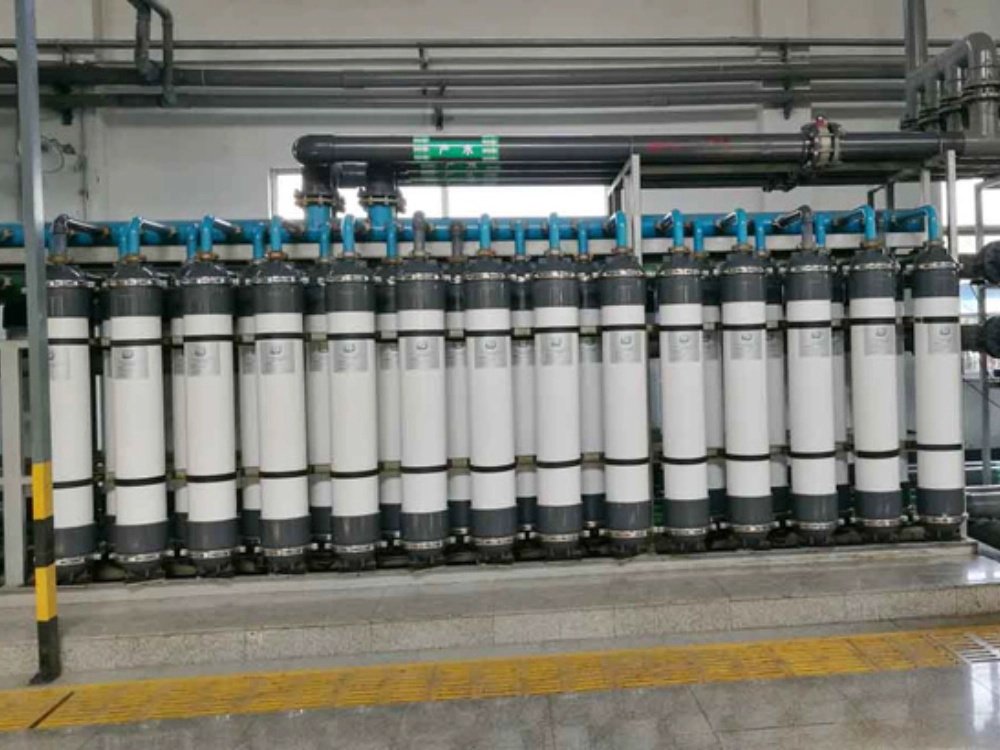
Effective Filtration: Remove suspended solids aggressively. If you have high colloidal silica, a UF unit is a must before RO.
-
Chemical Dosing Control: Improper dosage of antiscalants or coagulants can actually cause fouling on the membrane surface, a devastating outcome.
Why Specialized Membrane Separation Systems are Worth the Investment
For the most aggressive industrial effluents—like landfill leachate or high-concentration industrial brine—standard spiral-wound RO membranes simply won’t last. They were not engineered for that stress.
This is where specialized Separación por membrana systems, such as Disc Tube Reverse Osmosis (DTRO), shine. Yes, the initial cost is higher, but their robust design allows them to tackle high-TDS, high-fouling streams with far less maintenance and significantly longer membrane life. Investing in the right specialized system prevents the disastrous cycle of frequent replacement and operational failure.