La necesidad imperiosa de endotoxinas en el agua Control
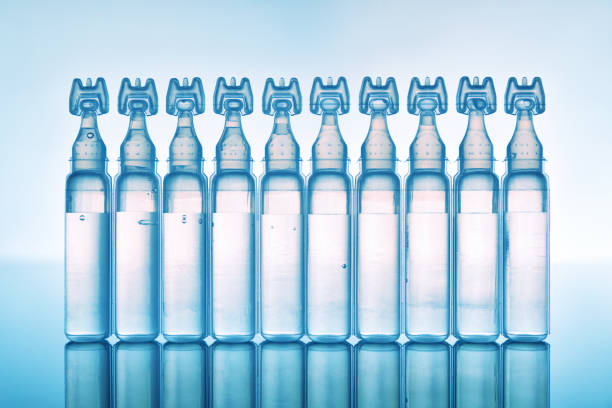
La cuestión de “¿Cómo eliminar las endotoxinas del agua?” aborda uno de los retos más importantes en los sectores farmacéutico, biotecnológico y de dispositivos médicos. La eliminación de endotoxinas, o despirrogenización, es obligatorio para cualquier producto que se vaya a inyectar o que entre en contacto de cualquier otra forma con el torrente sanguíneo humano.
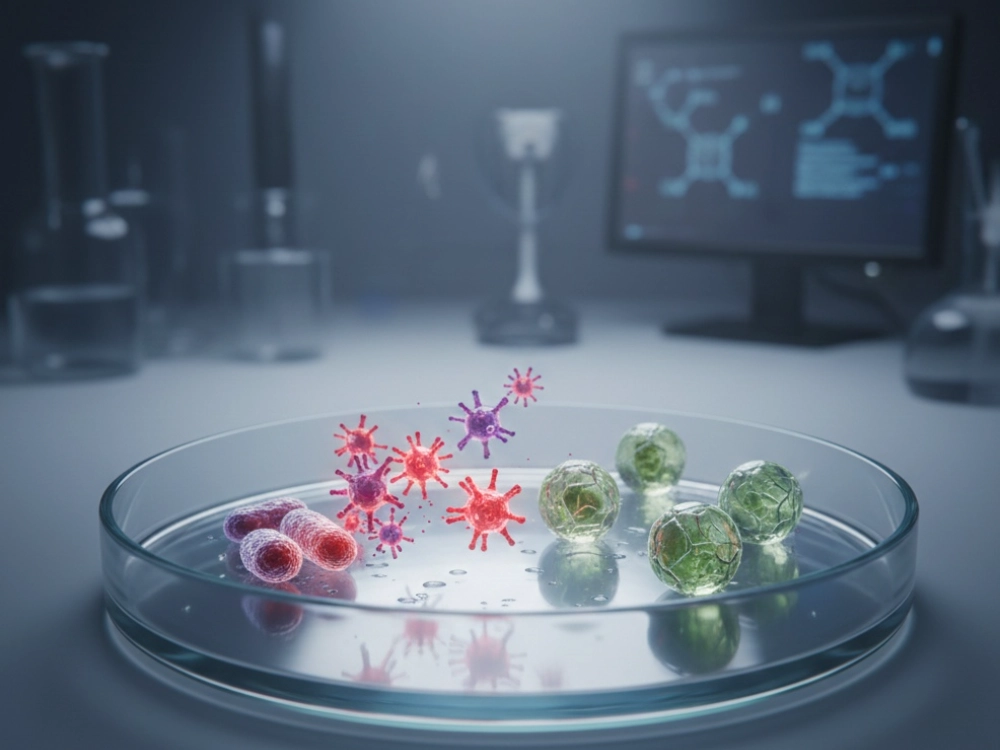
Las endotoxinas son lipopolisacáridos (LPS) que se encuentran en las paredes celulares de las bacterias gramnegativas. Es importante destacar que se liberan incluso cuando las bacterias mueren, lo que significa que pueden persistir tras la esterilización. Si se inyectan, son potentes pirógenos (sustancias que provocan fiebre) que pueden causar inflamación grave, shock o incluso septicemia mortal. Por lo tanto, alcanzar los límites ultrabajos requeridos para Agua para preparaciones inyectables (Agua para inyección) (normalmente ≤ 0,25 EU/ml) exige estrategias de purificación especializadas y con múltiples barreras, como ultrafiltración (UF) y destilación.
Esta guía ofrece una comparación detallada de los principalesmary eliminación de endotoxinas en el agua ydetallar las estrategias de control críticas necesarias para mantener el cumplimiento.
Comprender las endotoxinas en el agua: estructura, riesgos y normas
Estructura y características
Las endotoxinas se caracterizan por su notable estabilidad. Son altamente estable al calor, lo que significa que un simple proceso de esterilización en autoclave o hervir el agua eliminará las bacterias, pero no destruir la propia molécula de LPS. Esto obliga a utilizar técnicas de eliminación específicas. Desde el punto de vista estructural, las endotoxinas se presentan como agregados moleculares relativamente grandes (a menudo superiores a 10 000 daltones, Da). Esta diferencia de tamaño entre la molécula de LPS y la molécula de agua es el principio fundamental que hace que los métodos de separación física sean eficaces.
Normas de calidad reglamentarias
Los organismos reguladores de todo el mundo, entre ellos la USP y la FDA, establecen límites estrictos. Para Agua para inyección En los productos inyectables, el límite de endotoxinas es extremadamente bajo: ≤0,25 EU/ml (unidades de endotoxina por mililitro). Este estricto límite sirve como referencia definitiva para validar cualquier método de eliminación de endotoxinas utilizados en el proceso de fabricación.
Las tres principales tecnologías físicas de eliminación de endotoxinas
La separación física es el método preferido para eliminar las endotoxinas del agua, ya que logra separar el contaminante en lugar de basarse en su inactivación.
1. Ultrafiltración (UF): el purificador moderno
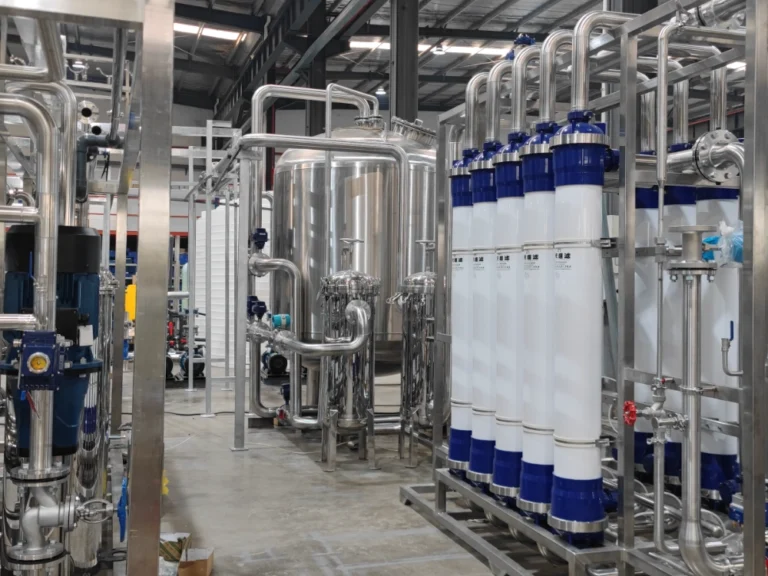
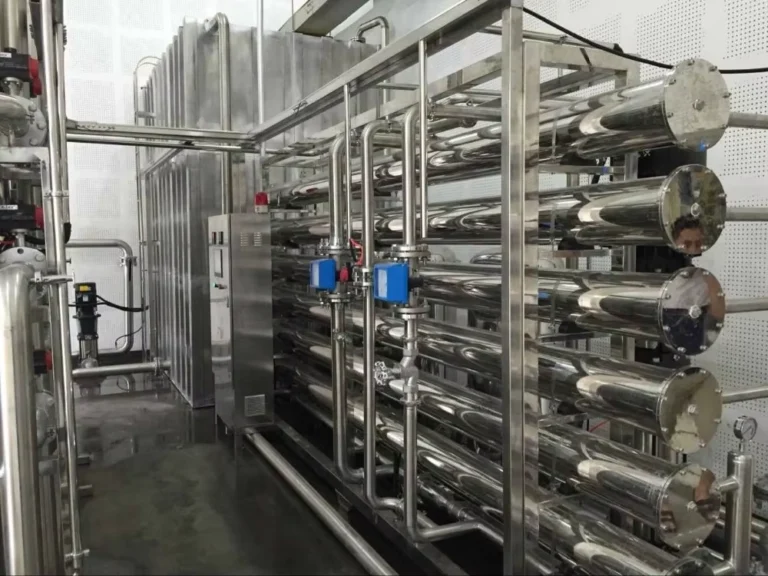
Ultrafiltración (UF) es el pilar de la Eliminación de endotoxinas del agua. La membrana de ultrafiltración (UF) se fabrica específicamente con un umbral de peso molecular (NMWL) preciso, normalmente de 10 000 Da o 20 000 Da. Dado que los agregados de LPS son más grandes que estos poros, la membrana de ultrafiltración (UF) físicamente los descarta, actuando como una barrera continua y altamente eficiente. La ultrafiltración (UF) es un componente fundamental para lograr el pulido final del agua en las modernas Sistemas de agua para inyección gracias a su flujo continuo y a su menor consumo de energía en comparación con los métodos térmicos.
2. Destilación: el método tradicional de referencia
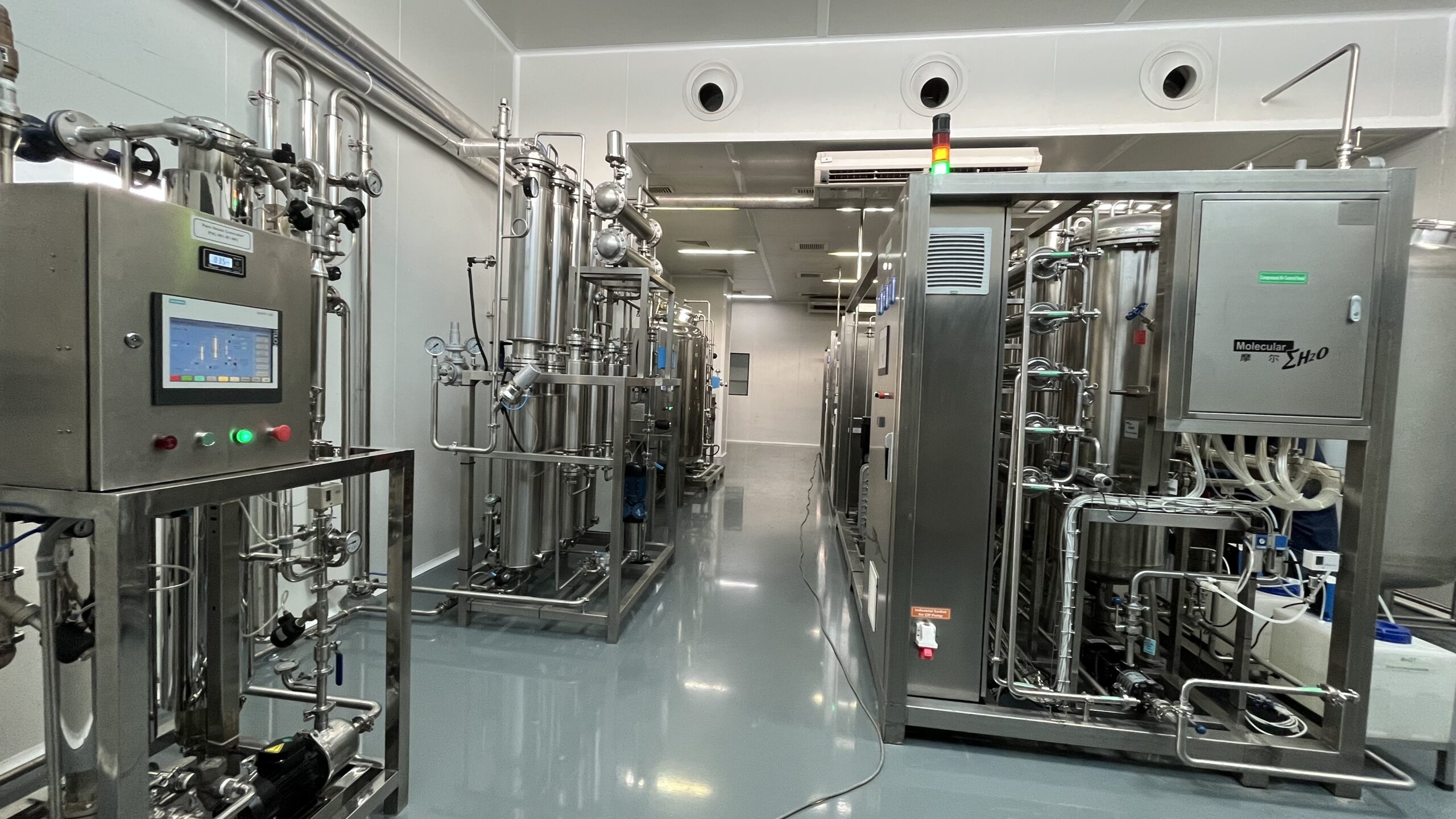
Destilación es el método histórico para despirrogenización y el estándar de referencia tradicional para Producción de agua para inyección. En un destilador de efectos múltiples, el agua se vaporiza, dejando los contaminantes no volátiles —los iones, las partículas y, sobre todo, las endotoxinas LPS— en el residuo de ebullición. Aunque es increíblemente confiable y sigue siendo muy utilizado, el proceso requiere un consumo de energía y una inversión de capital considerablemente mayores que las tecnologías basadas en membranas.
3. Ósmosis inversa (RO): la barrera de primera línea
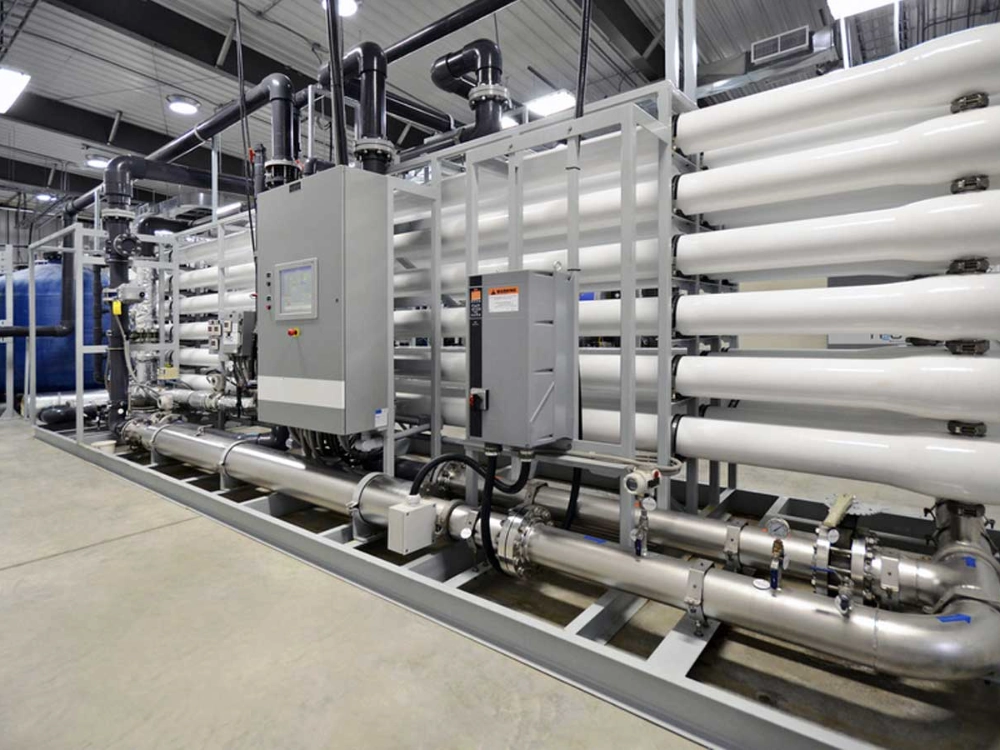
Aunque se conoce principalmente por su alta eficiencia en la desionización, la estructura de poros estrechos del Membrana de ósmosis inversa (RO) lo convierte en un formidable barrera de primera línea contra los contaminantes microbianos. La ósmosis inversa (RO) suele alcanzar una tasa de retención de endotoxinas y bacterias superior al 99,91 %. Por lo tanto, es esencial como pretratamiento del núcleo etapa en cualquier sistema de agua WFI o ultrapura, lo que reduce drásticamente la carga de contaminantes para las unidades posteriores de ultrafiltración o destilación.
Métodos auxiliares para el control de endotoxinas
Además del tratamiento de grandes volúmenes de agua, se utilizan técnicas especializadas para la purificación de soluciones o la preparación de equipos.
1. Intercambio iónico y adsorción
Las endotoxinas tienen una carga neta negativa en soluciones acuosas. Esta característica se aprovecha mediante el uso de medios de intercambio aniónico (cartuchos o membranas adsorbentes) que tienen una carga positiva. Este proceso es eficaz captura y vincula las moléculas de LPS. Este método se utiliza principalmente para purificar soluciones biológicas complejas (como preparaciones de proteínas o ácidos nucleicos), en las que la ultrafiltración (UF) podría provocar la pérdida de producto, más que para la purificación de agua a gran escala.
2. Inactivación por calor seco a alta temperatura
Aunque la luz ultravioleta y los métodos habituales de esterilización no pueden destruir las endotoxinas presentes en el agua, el calor extremo sí puede hacerlo. Despirrogenización por calor seco utiliza temperaturas de 250 ℃ o más durante períodos prolongados (por ejemplo, 30 minutos) para oxidar y destruir la molécula de LPS. Es importante señalar que este método se utiliza exclusivamente para esterilización y despirogenización de equipos fijos como los artículos de cristalería y los componentes de acero inoxidable, y es no se aplica al agua en sí.
Diseño de sistemas de agua para inyección (WFI) y estrategias de control de biopelículas
La mejor manera de controlar las endotoxinas en el agua es evitar que las bacterias que las producen lleguen a proliferar. Esto requiere un diseño meticuloso del sistema.
1. La prevención de la biopelícula pasa por el control de la fuente
Desde Las bacterias son la única fuente de endotoxinas, impidiendo la formación de colonias microbianas, o biofilm, es fundamental. Esto se logra mediante la ingeniería: utilizando materiales de alta pureza Acero inoxidable 316L tuberías para garantizar superficies lisas, mediante la implementación de recirculación continua del agua, y eliminar los “tramos muertos” (secciones de tubería estancadas) donde los microbios pueden acumularse y proliferar. Estos son requisitos imprescindibles métodos de prevención de la formación de biopelículas.
2. Ciclos de desinfección activos
Para frenar de manera activa el crecimiento microbiano, los sistemas de agua para inyección (WFI) deben desinfectarse periódicamente:
Desinfección en caliente: La norma del sector para el agua para inyección (WFI) consiste en calentar periódicamente —o de forma continua— toda el agua del circuito de distribución a 80 °C o más. Este ciclo térmico es muy eficaz para eliminar las bacterias y prevenir la formación de biopelículas cumplimiento.
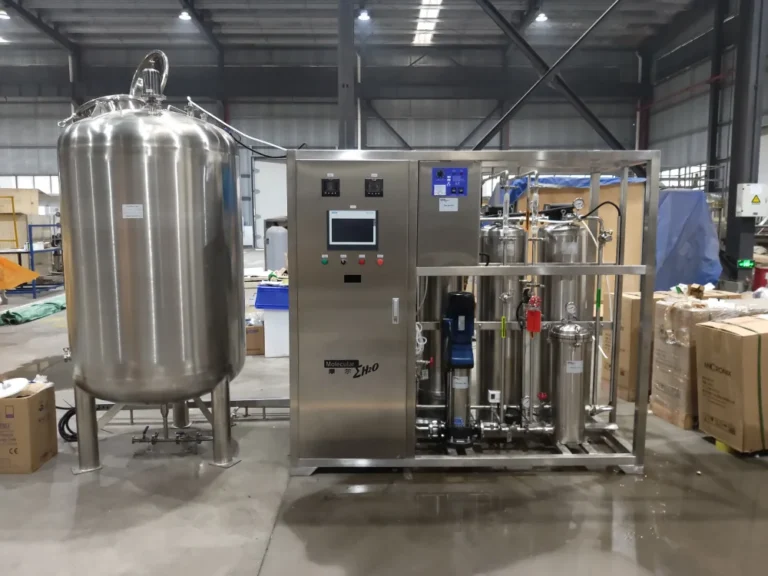
Medidas de seguridad en los terminales: Como última capa de protección, Ultrafiltros de 10 kDa para la terminal Da NMWL a menudo se instalan en el punto de uso para garantizar que cualquier traza de contaminantes o pequeñas contaminaciones microbianas en el circuito de distribución se capturen antes de que el agua entre en contacto con el producto.
Conclusión: La despirogenización es el estándar de seguridad más elevado
Eliminación de endotoxinas define el más alto estándar de calidad del agua y representa el máximo compromiso con la seguridad del paciente en los sectores regulados. Requiere un enfoque altamente integrado y de barreras múltiples que combine el alto rechazo inicial de contaminantes de RO, la capacidad de separación específica de Ultrafiltración o destilación, y meticuloso diseño de sistemas para prevenir la formación de biopelículas. Dominar estos métodos de despirogenización es esencial para garantizar el cumplimiento normativo constante.
¿Desea diseñar o validar su sistema de agua ultrapura para cumplir de manera constante con el estándar de 0,25 EU/ml? Póngase en contacto con nuestros expertos hoy mismo para recibir asesoramiento especializado sobre eliminación de endotoxinas diseño y homologación de sistemas.