Water for Injection (WFI): The Gold Standard for Safety
The Rigor of Purity
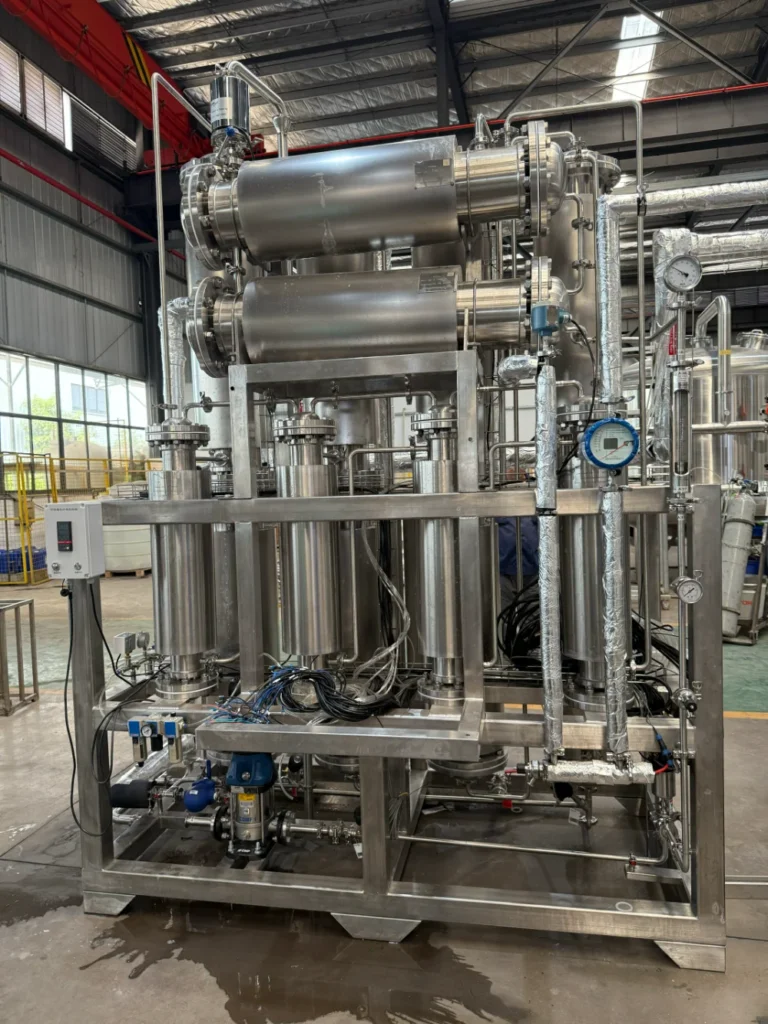
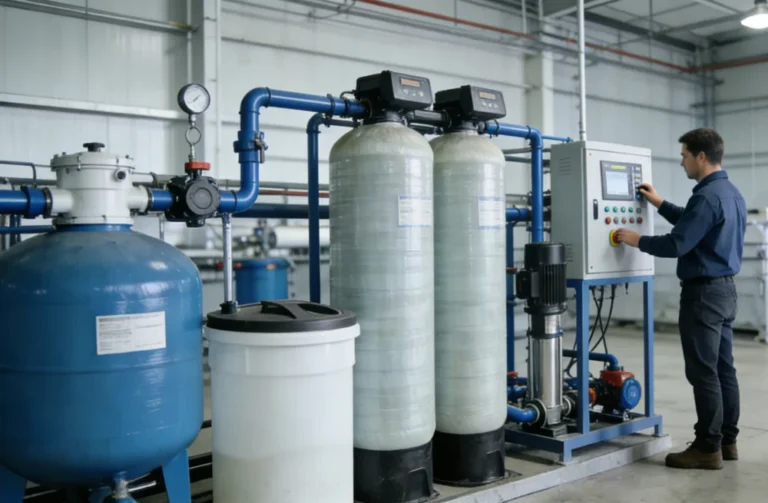
Water for Injection is essentially the ultra-pure evolution of PW. It is required for any medication that is administered parenterally (bypassing the digestive system) or used for the final rinsing of sterile components.
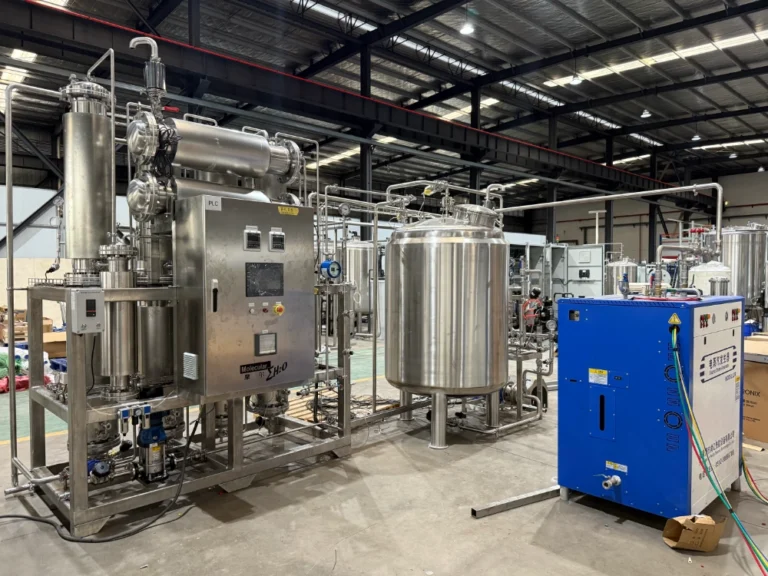
- The Feature:Traditionally, Water for Injection was produced exclusively via Multi-Effect Distillation (MED) or Vapor Compression (VC). However, recent regulatory shifts now allow for Membrane-based WFI, which utilizes RO, EDI, and a final Ultrafiltration (UF) stage to ensure biological purity.
- The Advantage:The primary differentiator is the control of Endotoxins (Pyrogens). WFI must meet a limit of <0.25 EU/ml. Distillation achieves this through a phase-change barrier (steam), while Membrane WFI achieves it through the physical exclusion of high-molecular-weight pyrogens via the UF membrane.
The Safety Imperative
The benefits of a Water for Injection system are measured in lives sawhereas Membrane WFI achieves it by physically excludingved and risks averted.
- Patient Safety:Injecting water directly into the bloodstream carries the risk of a “pyrogenic response” (fever, shock, or death) if endotoxins are present. WFI eliminates this risk.
- Regulatory Shield:Utilizing a validated WFI system for sterile formulations is a non-negotiable requirement for FDA and EMA compliance. It protects the manufacturer from devastating batch recalls and legal liabilities.
Purified Water (PW): The Workhorse of Non-Sterile Production
The Technical Framework
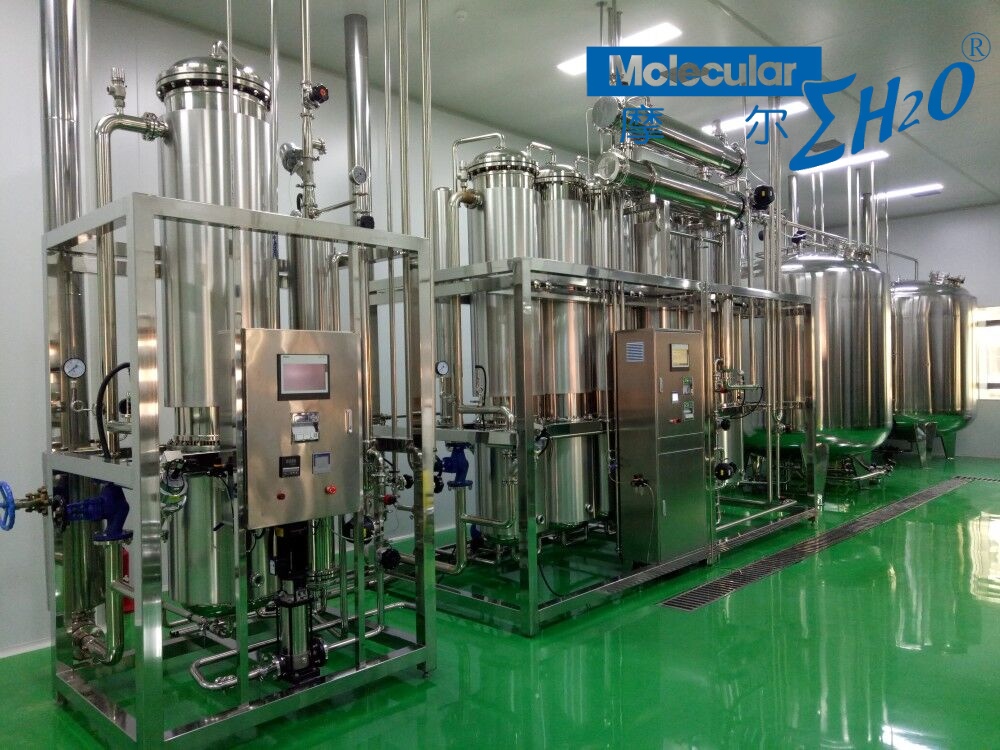
Purified Water (PW) is the standard grade for the production of non-sterile pharmaceuticals. Its production typically involves a sophisticated multi-stage treatment train starting with potable water.
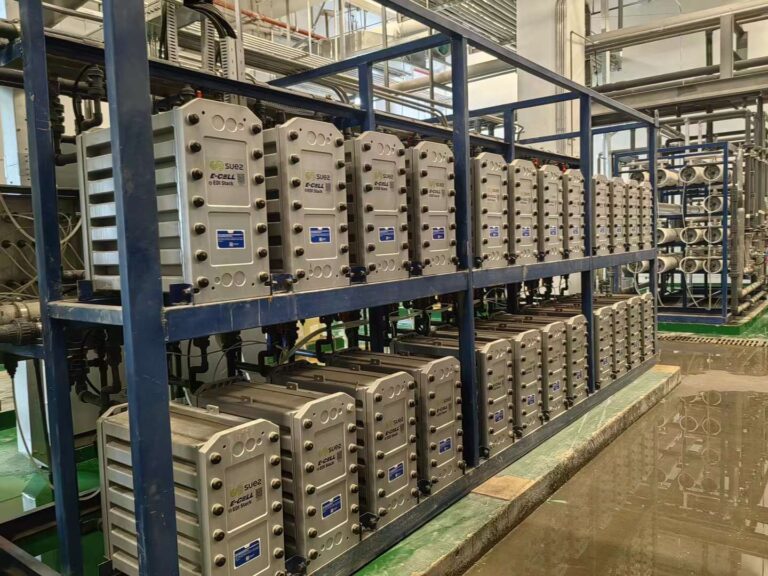
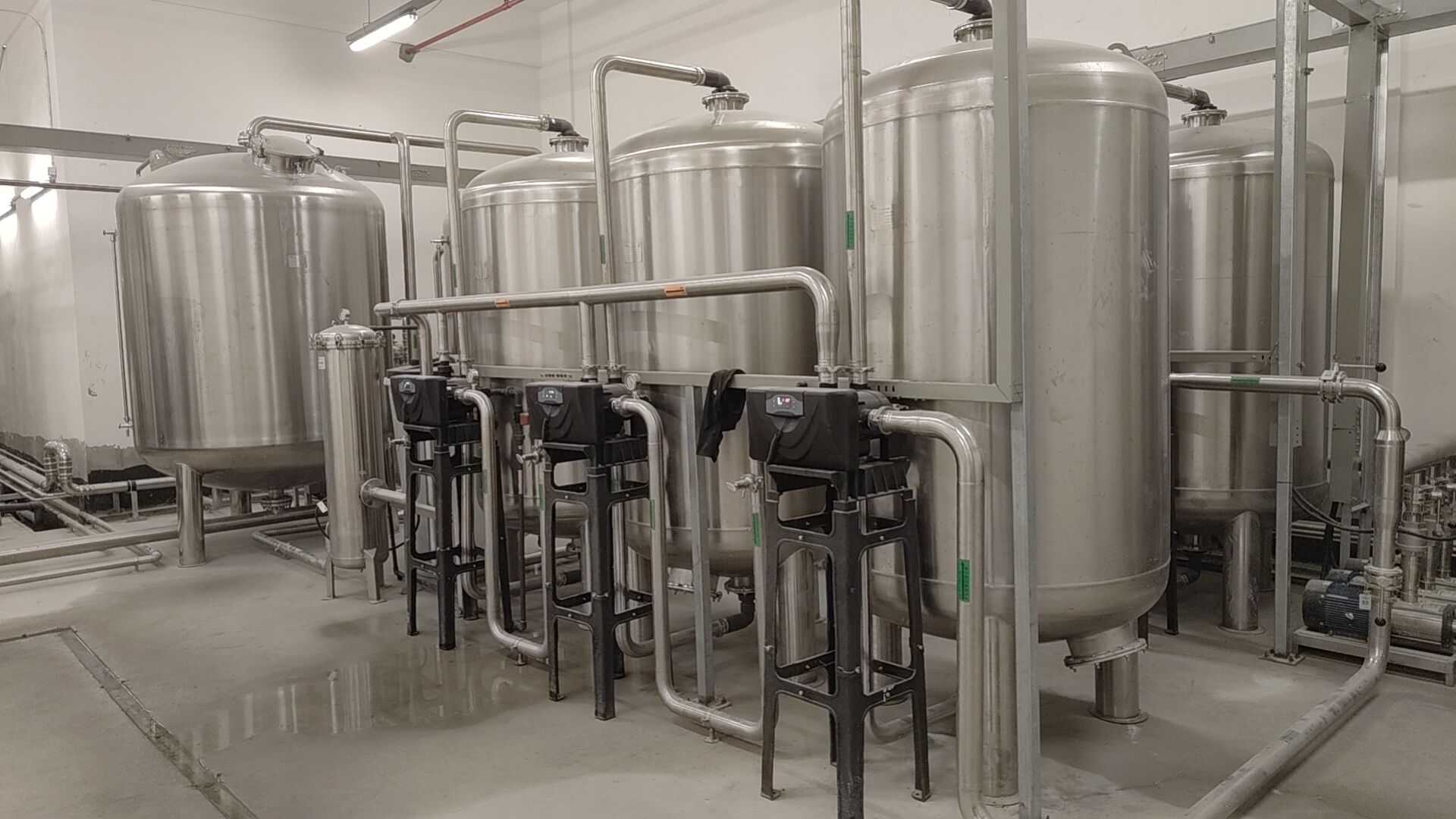
- The Feature:A modern PW system utilizes a combination of Pre-treatment (multimedia filters and water softeners), Double-Pass Reverse Osmosis (RO), and Electrodeionization (EDI).
- The Advantage:This integrated “RO-EDI” approach removes more than 99% of dissolved solids and organic contaminants without the need for hazardous chemical regeneration associated with traditional ion exchange beds. It ensures a stable conductivity level, typically maintaining <3µS/cm at 25℃.
The ROI for Manufacturers
By choosing a high-efficiency PW system, manufacturers gain a reliable “utility” that minimizes downtime.
- Operational Efficiency:Because the system is largely automated and chemical-free, it reduces the risk of operator error and chemical handling accidents.
- Product Stability:For oral solids like tablets or capsules, the high ionic purity of PW ensures that sensitive active pharmaceutical ingredients (APIs) do not degrade or react with trace minerals in the water.
Comparison: PW vs. WFI at a Glance
To provide Evidence of the differences, consider the following regulatory benchmarks (USP/EP standards):
| Parameter | Purified Water | Water for Injection |
| Conductivity (25℃) | ≤1.3 µS/cm | ≤1.3 µS/cm |
| Total Organic Carbon (TOC) | < 500 ppb | < 500 ppb |
| Microbial Limit | ≤100CFU/ml | ≤10 CFU/100ml |
| Endotoxin (Pyrogen) Limit | No requirement | < 0.25 EU/ml |
| Primary Production Method | RO + EDI | Distillation or RO + EDI + UF |
Engineering the Distribution System
The difference is not just in how they are made, but in how they are kept.
- PW Distribution:Often kept in a Cold Loop with periodic chemical or ozonated sanitization.
- WFI Distribution:Typically maintained in a Hot Loop, circulating at temperatures above 80℃ (Self-Sanitizing). This prevents the formation of “Biofilms”—slimy colonies of bacteria that are notoriously difficult to remove once they take hold in a piping system.
Evidence from the Field: Our engineering data shows that facilities utilizing hot-loop WFI circulation experience 85% fewer microbial excursions compared to cold-stored PW systems, proving the long-term reliability of thermal sanitization.
Strategic Selection: Making the Right Investment
Risk Assessment
When deciding which system to implement, ask the following questions:
- Does the product enter the bloodstream?If yes, WFI is the only choice.
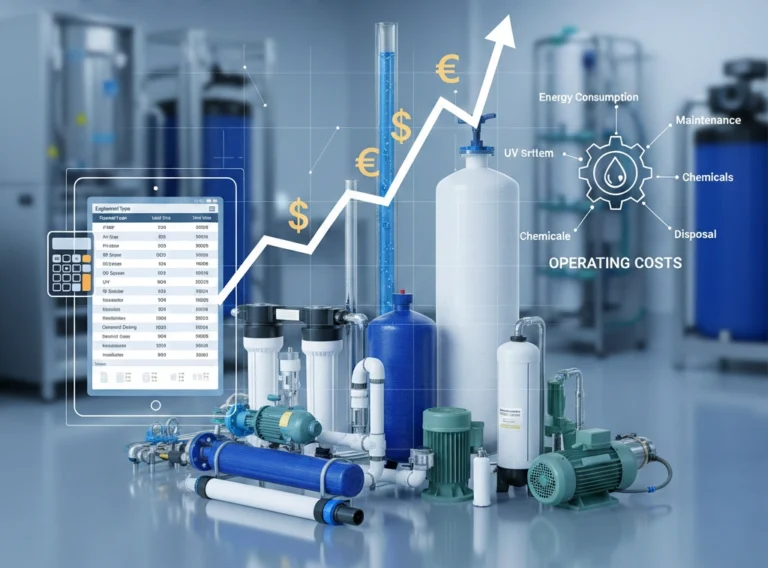
- What are the OPEX goals?While Membrane WFI has lower initial energy costs, it requires more frequent integrity testing of the membranes. Distillation (MED) has higher energy costs but is often seen as a “more robust” barrier by traditional quality auditors.
- Future-Proofing:Many modern facilities are opting to install WFI systems even for non-sterile products to streamline their validation processes and ensure they are ready for future high-spec product lines.
FAQ: Compliance and Technology
Q: Can I upgrade a PW system to a WFI system?
A: Yes, by adding an Ultrafiltration (UF) module and upgrading the sanitization protocols (e.g., adding a heat exchanger for thermal sanitization), many PW systems can be converted to produce WFI, provided the final water meets all USP/EP pyrogen tests.
Q: Why did the European Pharmacopoeia (EP) change its rules on WFI?
A: The EP aligned with the USP to allow non-distillation methods (like RO/UF) to encourage more sustainable, energy-efficient manufacturing practices, provided the manufacturer can prove the system is consistently “equivalent to distillation.”
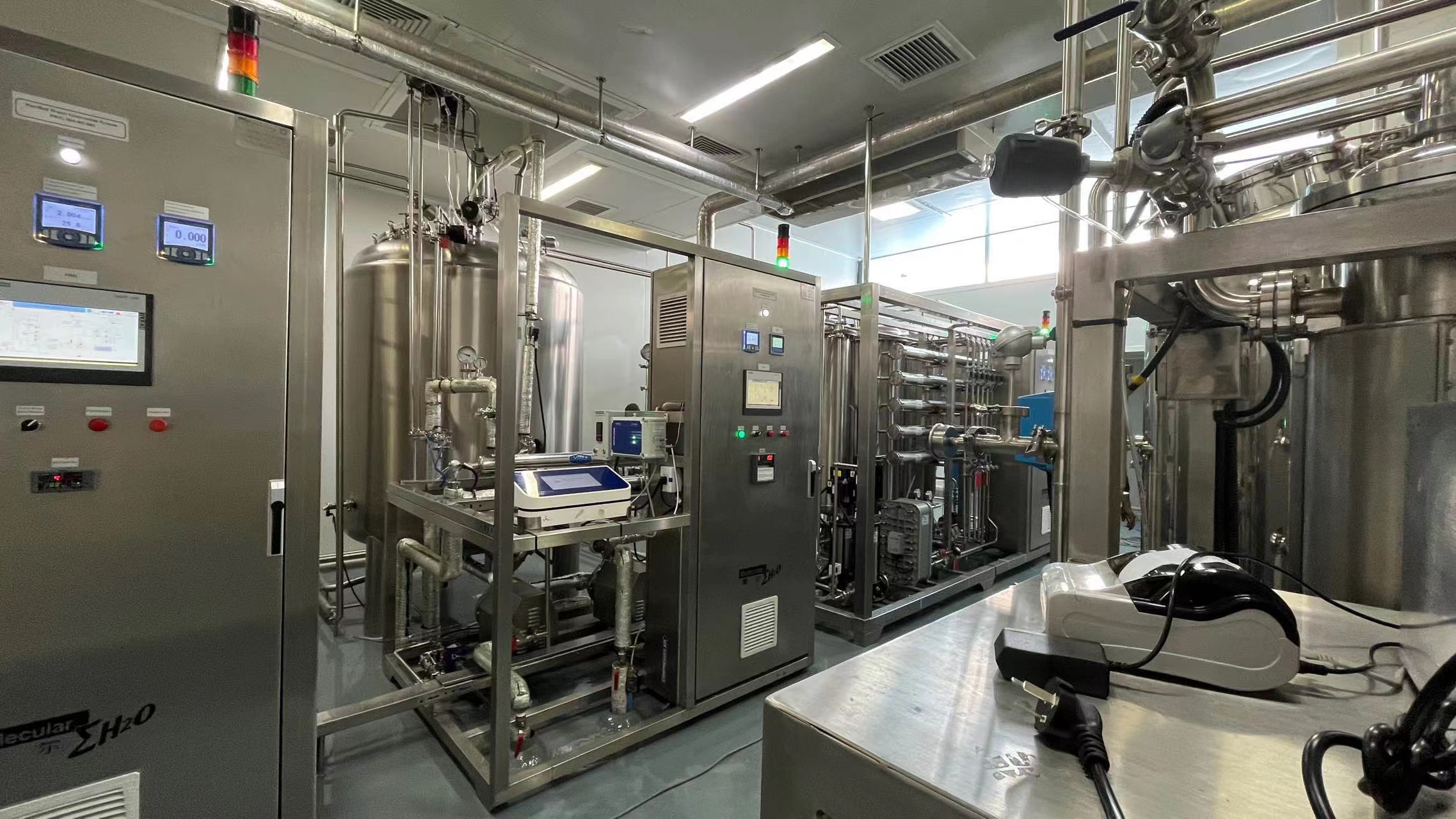
Conclusion: Partnering for Purity
Navigating the complexities of PW and WFI requires a blend of deep engineering expertise and a thorough understanding of global pharmacopeias. By focusing on a “Compliant by Design” approach, you ensure that your water system is not a bottleneck, but a catalyst for high-quality pharmaceutical production.
Whether you are looking for the cost-efficiency of a Purified Water system or the absolute security of a Water for Injection unit, the key is a validated, high-performance design that puts patient safety and operational reliability at the forefront.