1. Home
  2. »
  3. Physical Treatment Technology

Physical Treatment Technology in Water Treatment

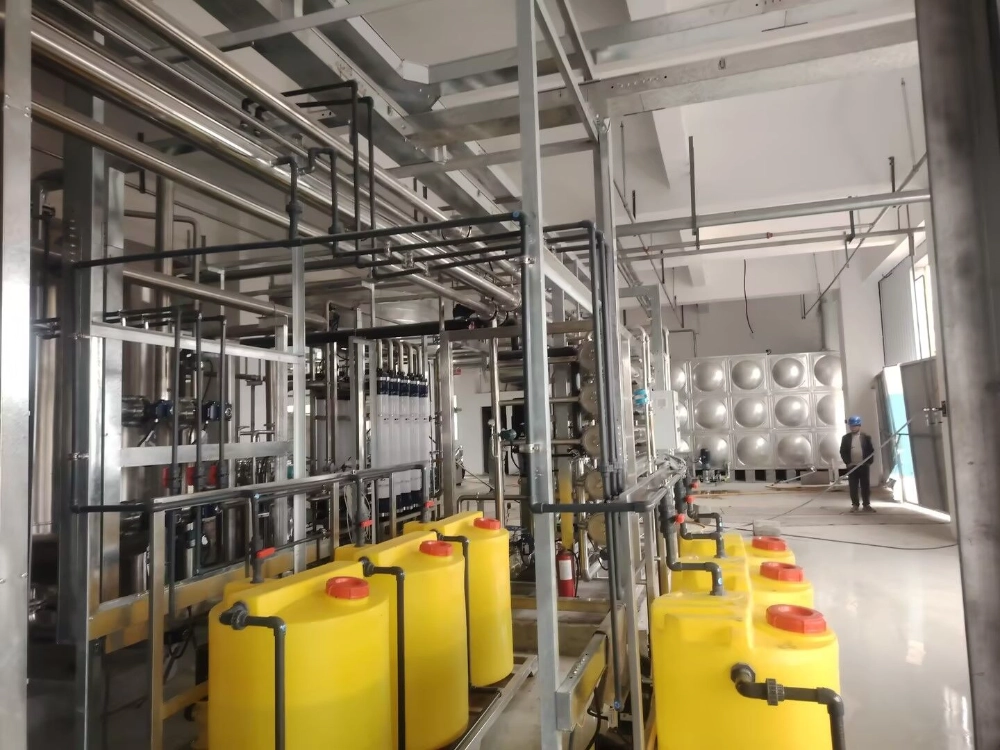
Physical treatment technology is one of the most important methods in water purification. Instead of relying on chemical reactions, it removes impurities through filtration, adsorption, and disinfection processes. These technologies are widely used in municipal water, industrial wastewater, and drinking water systems.

Key Physical Treatment Solutions

Multi-Media Filter
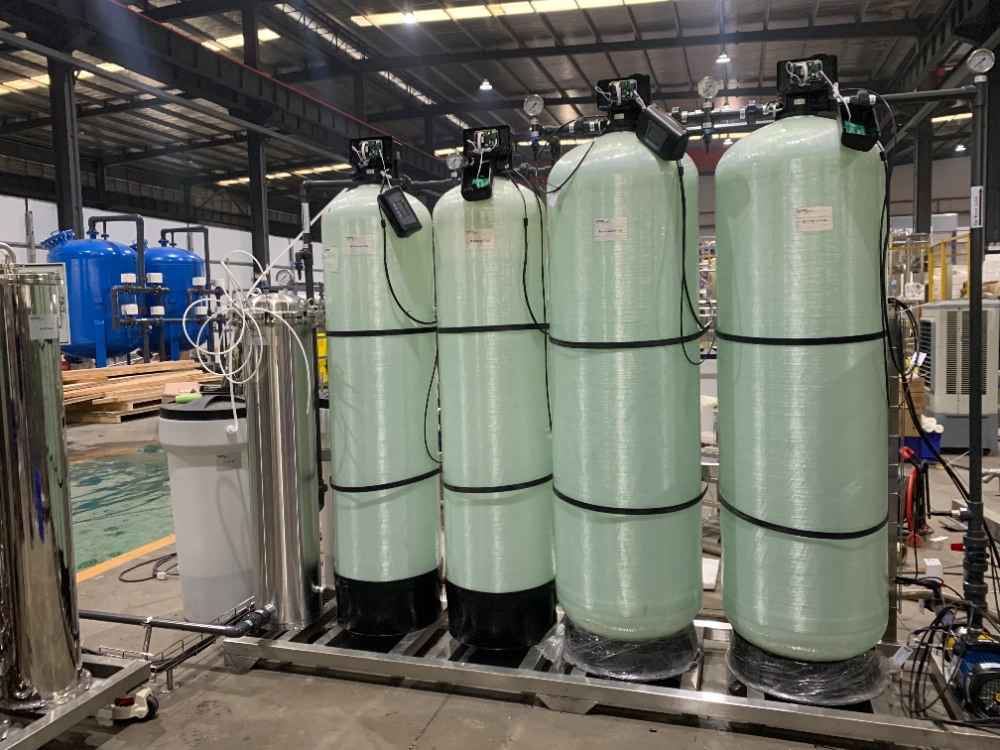
Multi-Media Filter

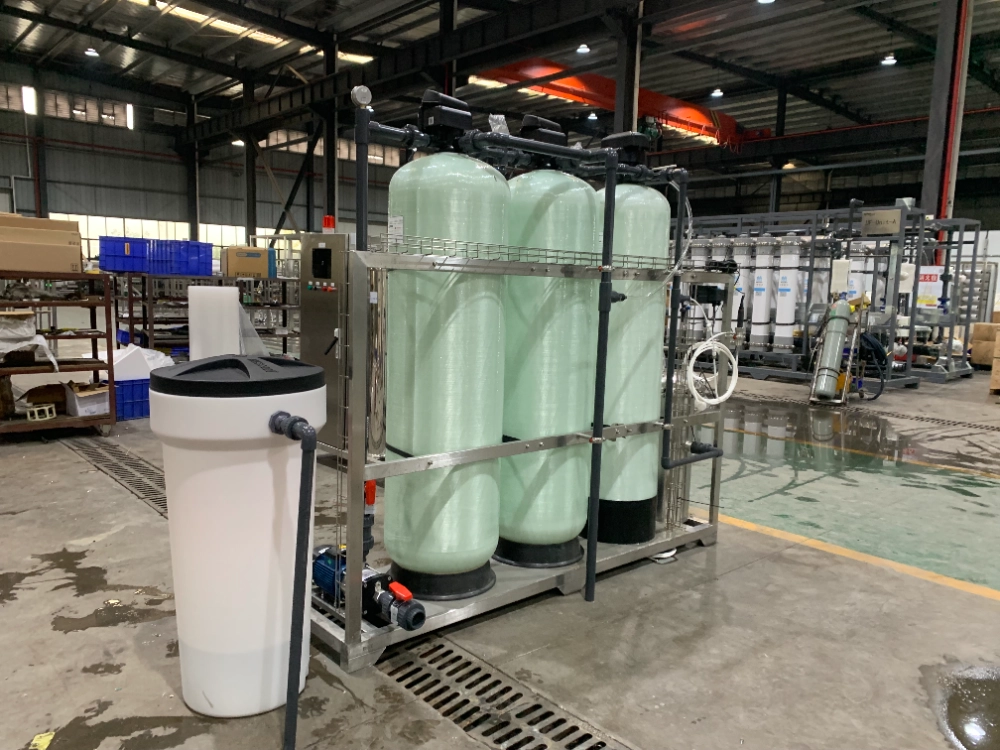
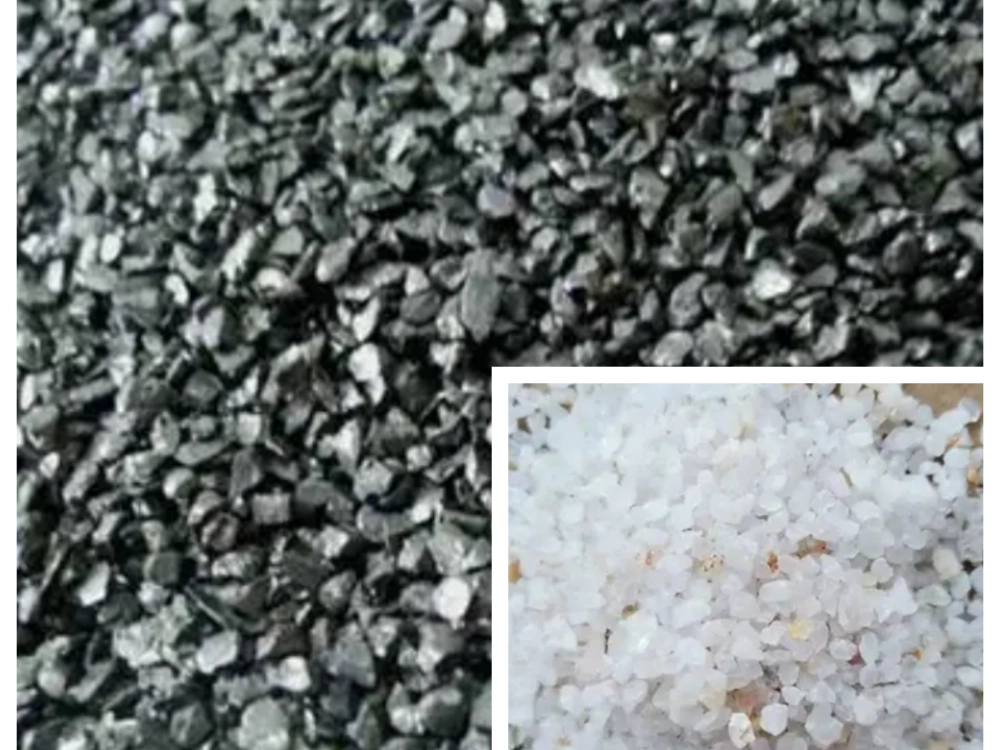
A multi-media filter uses several layers of filtration media such as sand, anthracite, and gravel to capture suspended particles and turbidity.

  • Effectively reduces suspended solids and sediment.

  • Extends the lifespan of downstream RO membranes and equipment.

  • Commonly used as a pretreatment step in industrial and municipal water systems.

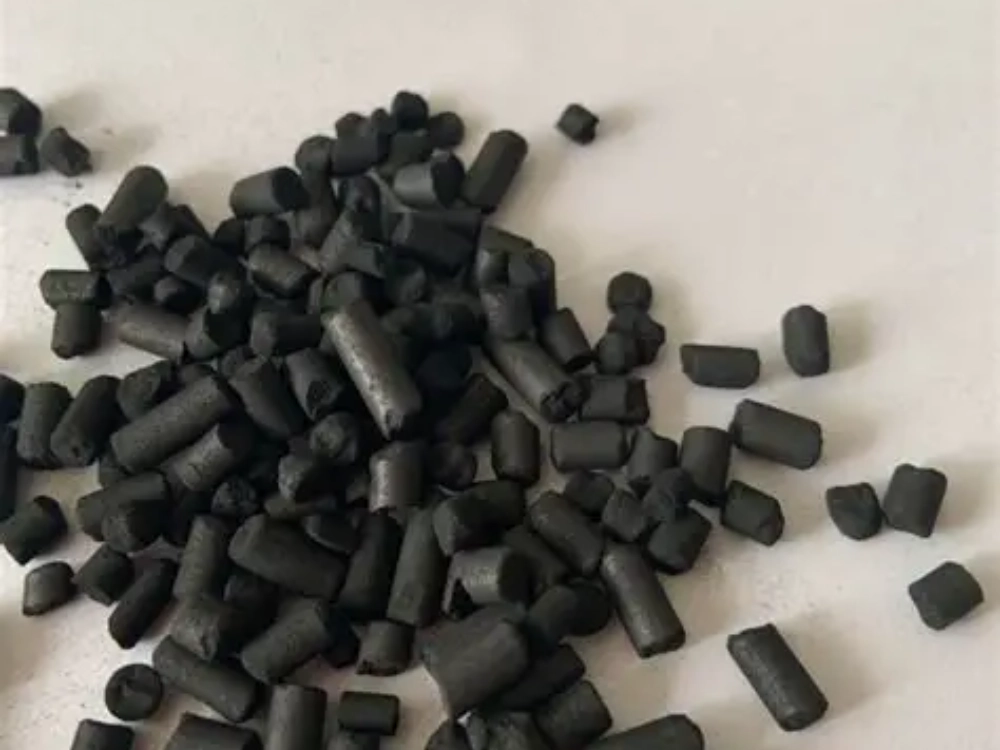
Activated Carbon Filter

Activated carbon filters are known for their strong adsorption ability. They effectively remove:

  • Chlorine and residual disinfectants.

  • Organic contaminants, odor, and bad taste.

  • Certain pesticides and chemicals.

They are essential for improving water quality and protecting sensitive processes like RO systems and UV sterilizers.

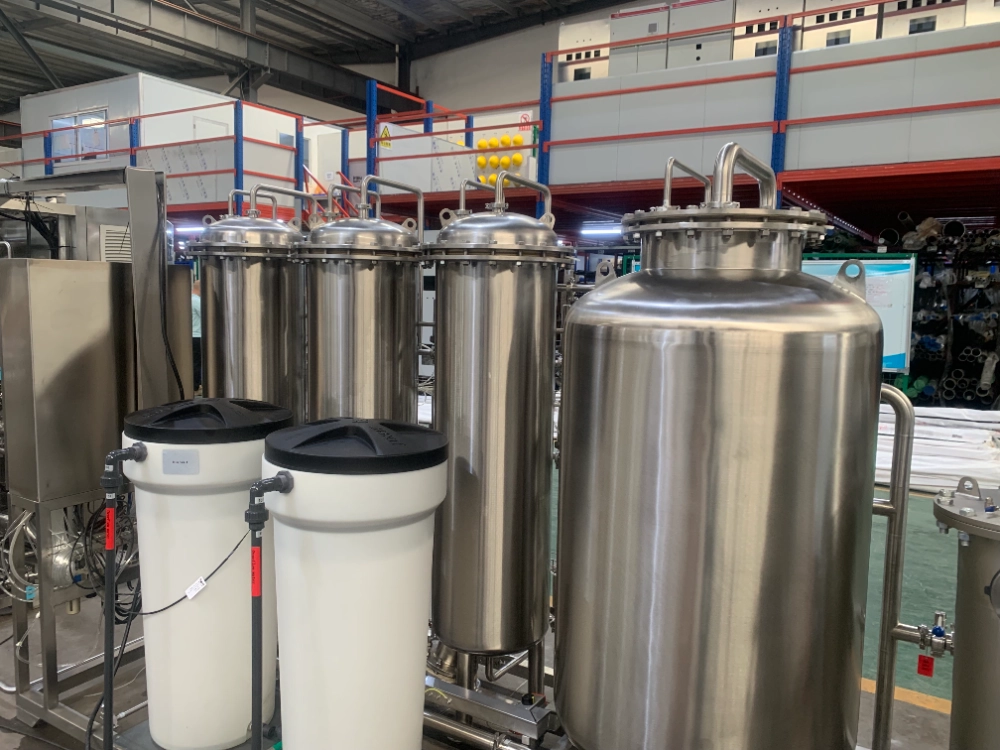
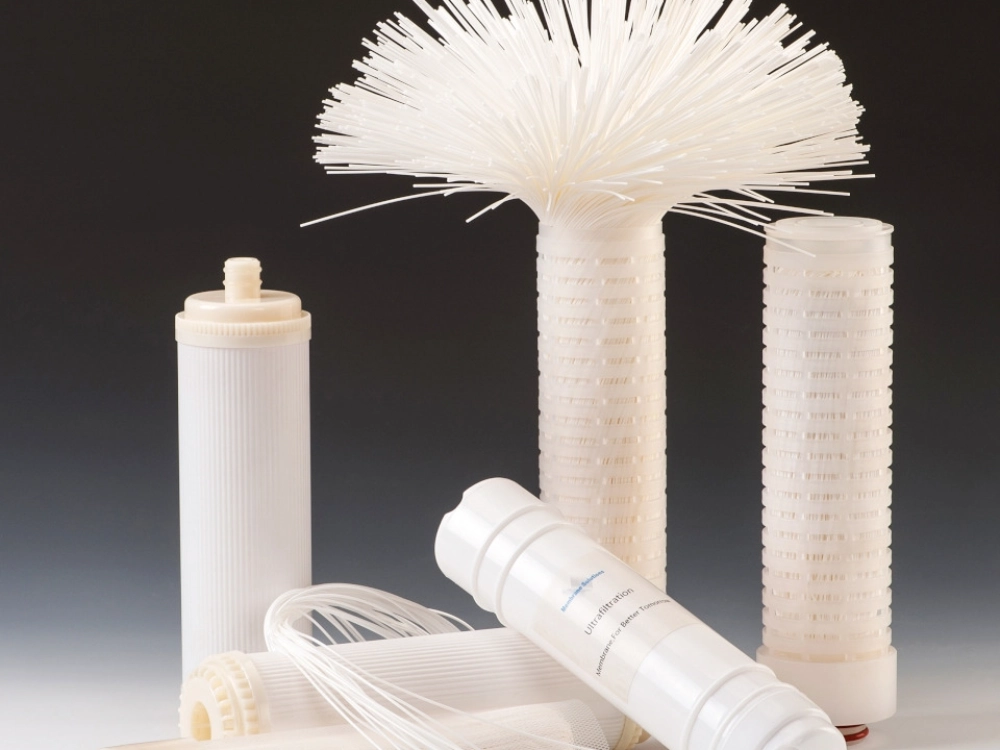
Cartridge Filter
Cartridge Filter

A cartridge filter provides fine filtration, usually in the range of 0.5–50 microns.

  • Removes fine particles and suspended matter.

  • Ensures water clarity before advanced purification processes.

  • Widely applied in drinking water systems, food & beverage industries, and pharmaceutical production.

Cartridge filters are easy to install and replace, making them highly flexible for different applications.

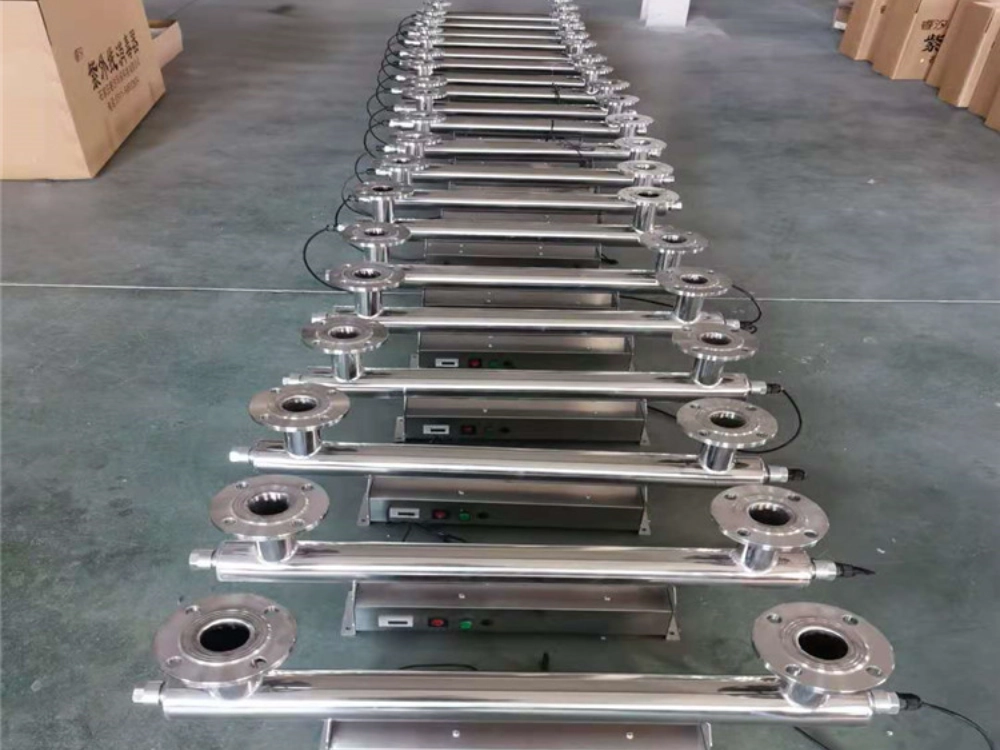
UV Sterilizer

A UV sterilizer uses ultraviolet light to kill or inactivate bacteria, viruses, and other microorganisms.

  • Provides chemical-free disinfection.

  • Effective against waterborne pathogens.

  • Commonly applied in both domestic drinking water and industrial applications.

UV systems are often the final step in water treatment, ensuring microbiologically safe water.

Common Physical Treatment Methods

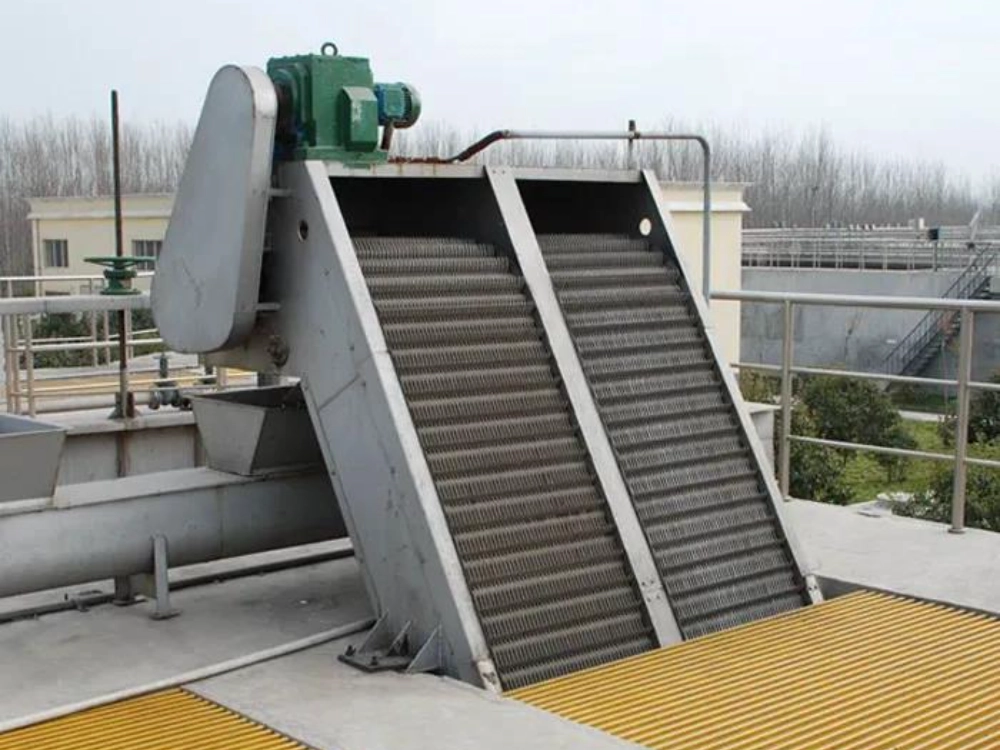
Screening (Grates and Mesh Filters)

1. Screening (Grates and Mesh Filters)

Removes large debris such as plastics, leaves, and solid waste at the initial stage.
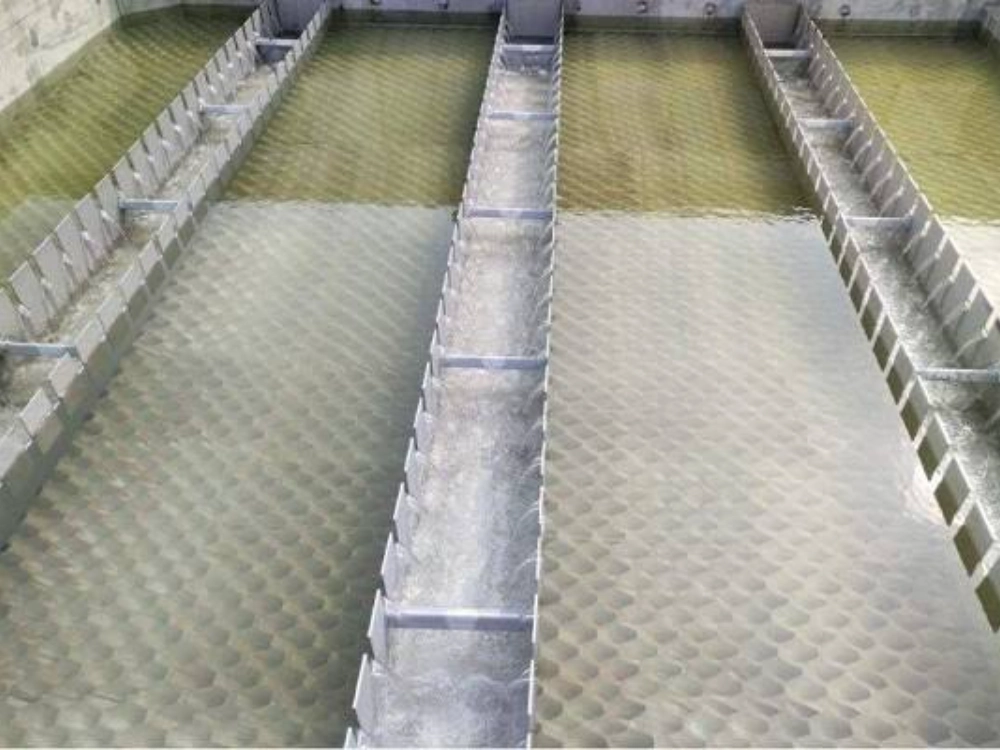
Sedimentation (Clarification)

2. Sedimentation (Clarification)

Uses gravity to settle suspended particles at the bottom of a tank. Widely applied in municipal and industrial wastewater treatment.
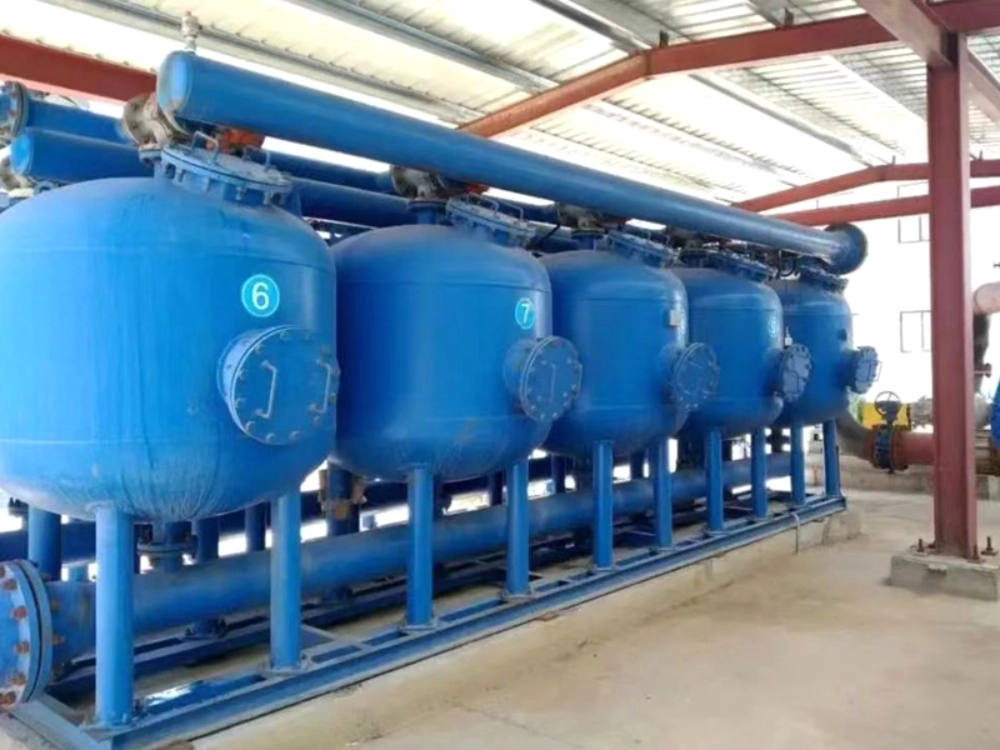
3.Filtration

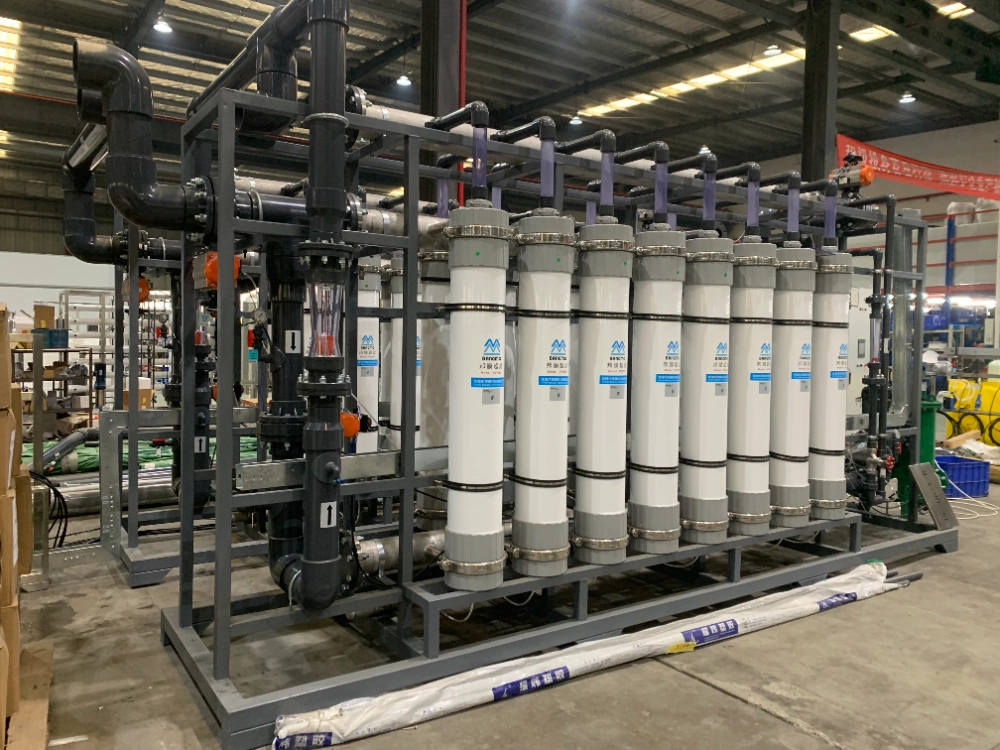
Water passes through sand, gravel, or activated carbon filters to remove fine particles. Advanced options include microfiltration (MF) and ultrafiltration (UF) membranes.
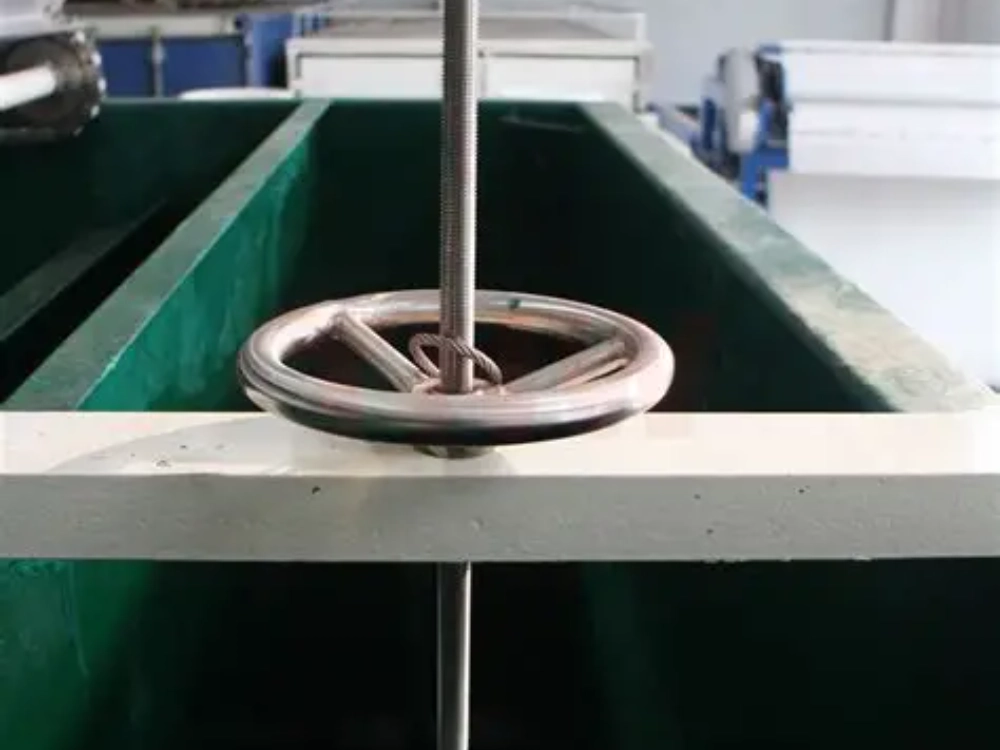
Flotation

4. Flotation (Dissolved Air Flotation, DAF)

Fine air bubbles attach to low-density particles, oils, and algae, making them float to the surface for removal.
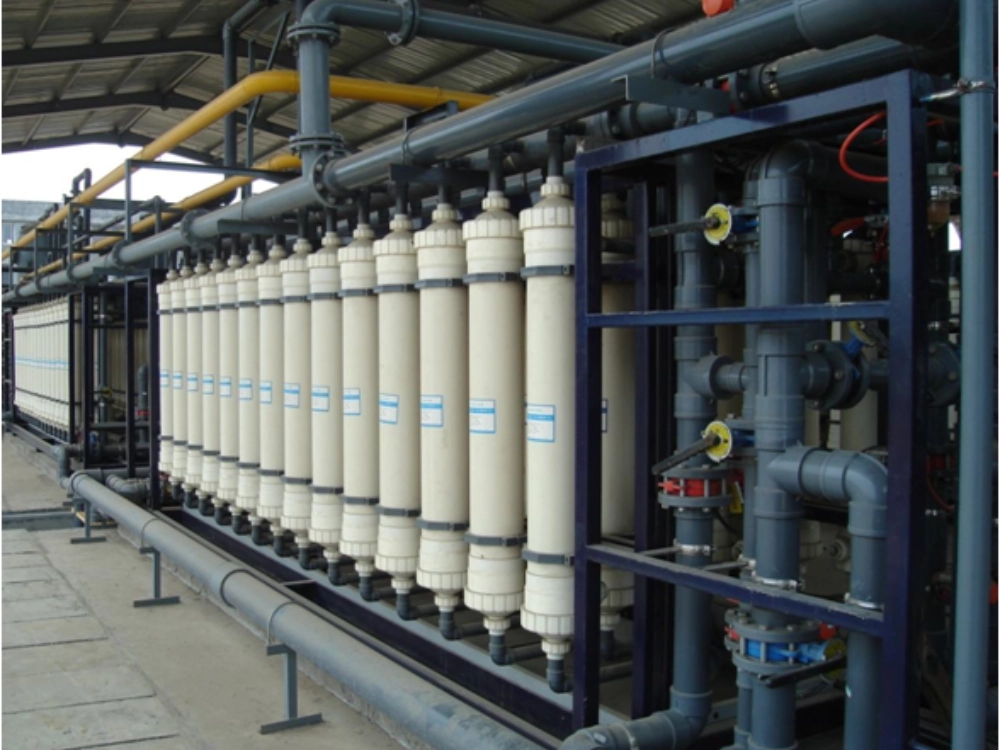
Membrane Separation

5. Membrane Separation

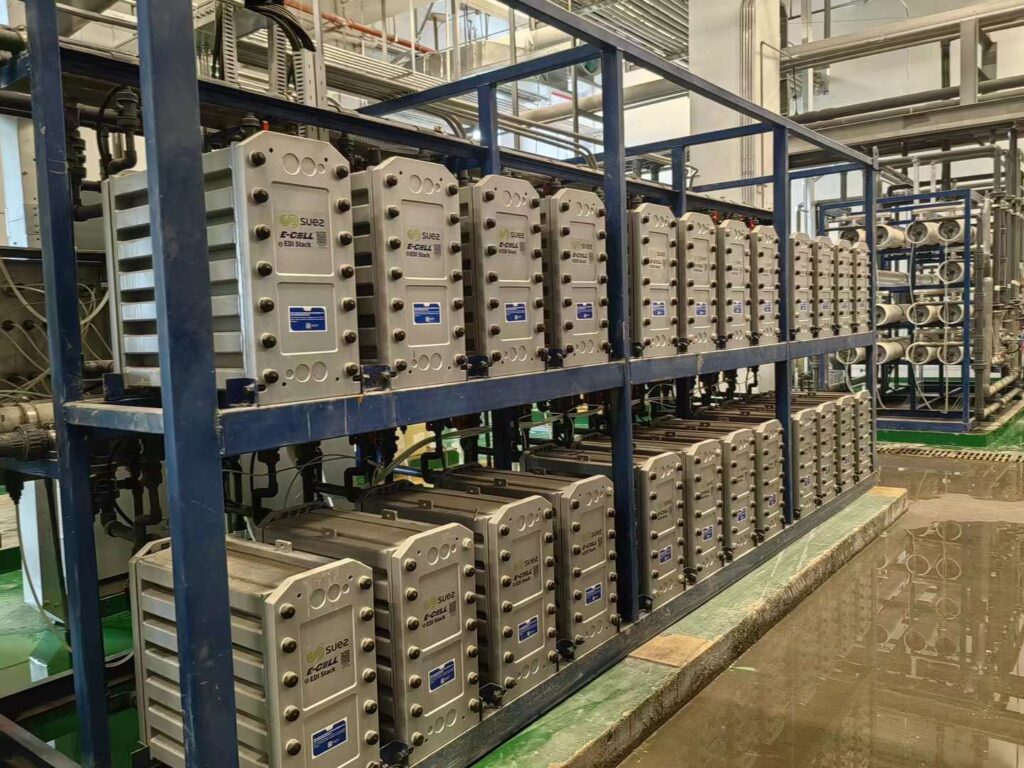
Technologies like UF, NF, and RO (ultrafiltration, nanofiltration, reverse osmosis) remove small particles, salts, and organic matter under pressure.
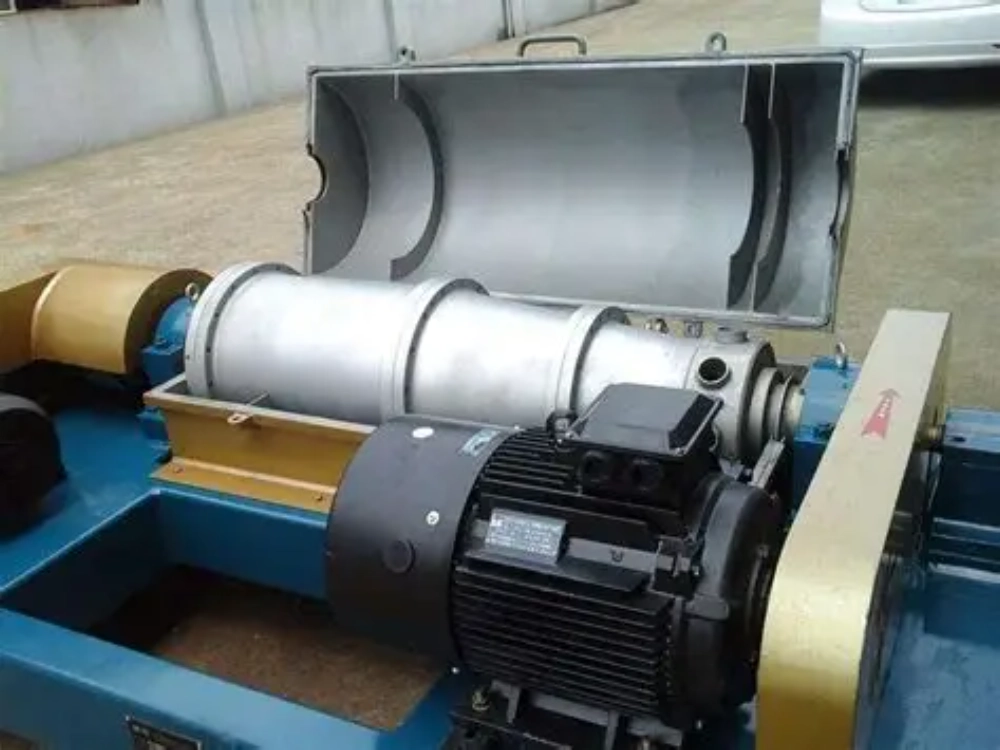
6. Centrifugation

High-speed rotation generates centrifugal force to separate substances by density. Often used for sludge dewatering.

Applications of Physical Treatment

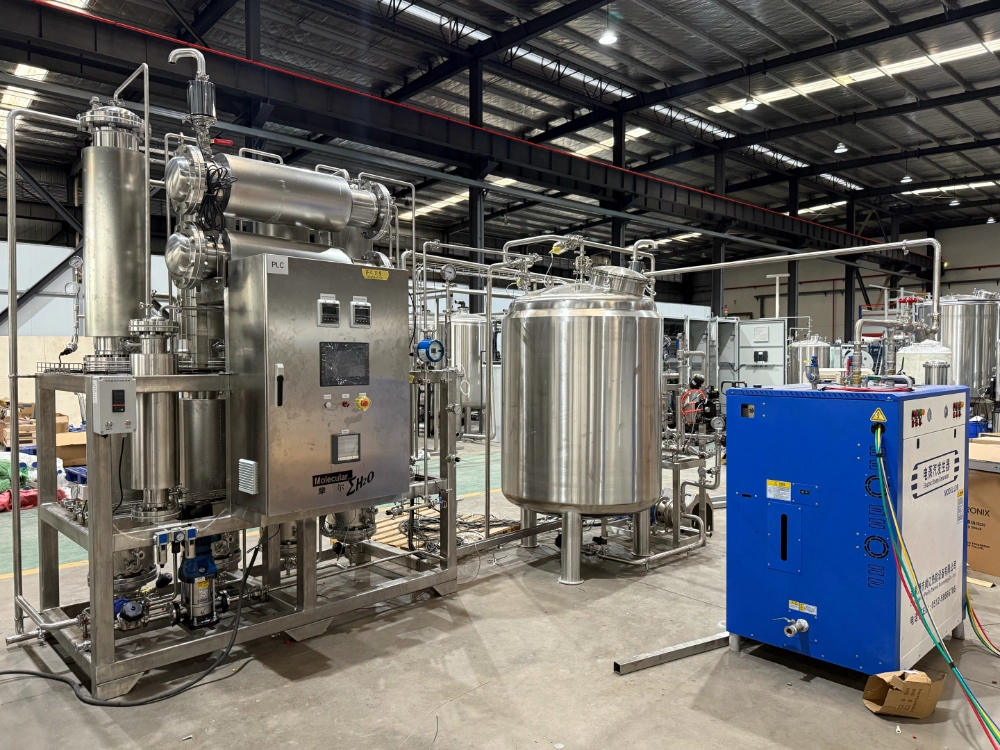
The highly pure Water for Injection and pure steam generated by our purified water generator are indispensable for various critical processes in the life sciences and pharmaceutical sectors.

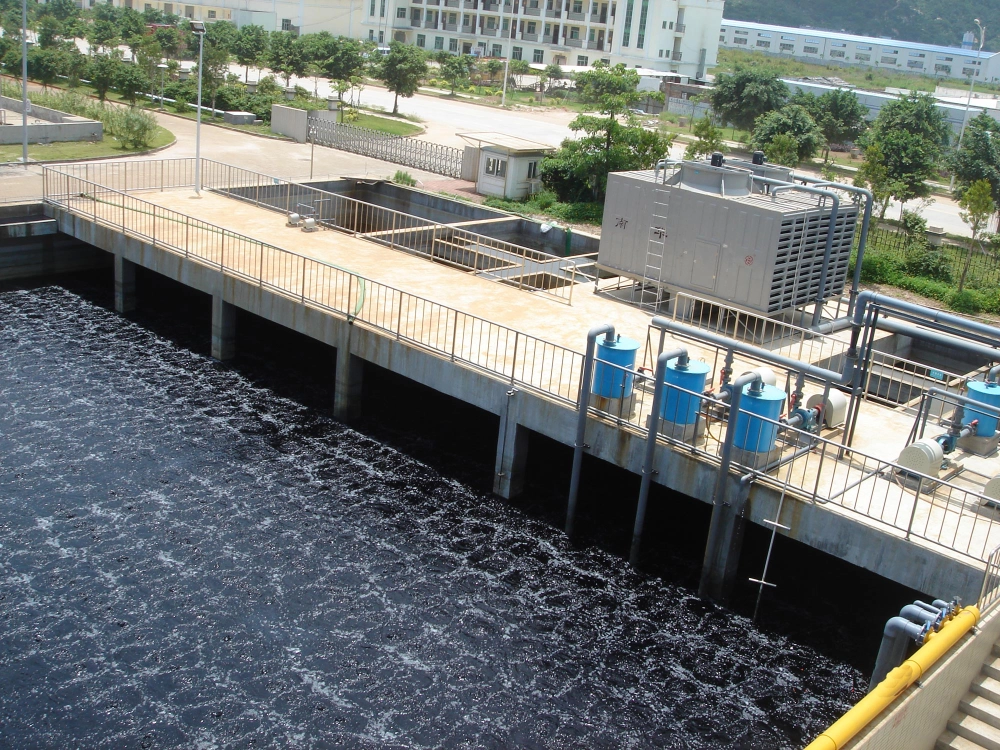
Municipal Water Treatment:

screening, sedimentation, sand filters.
municipal water treatment

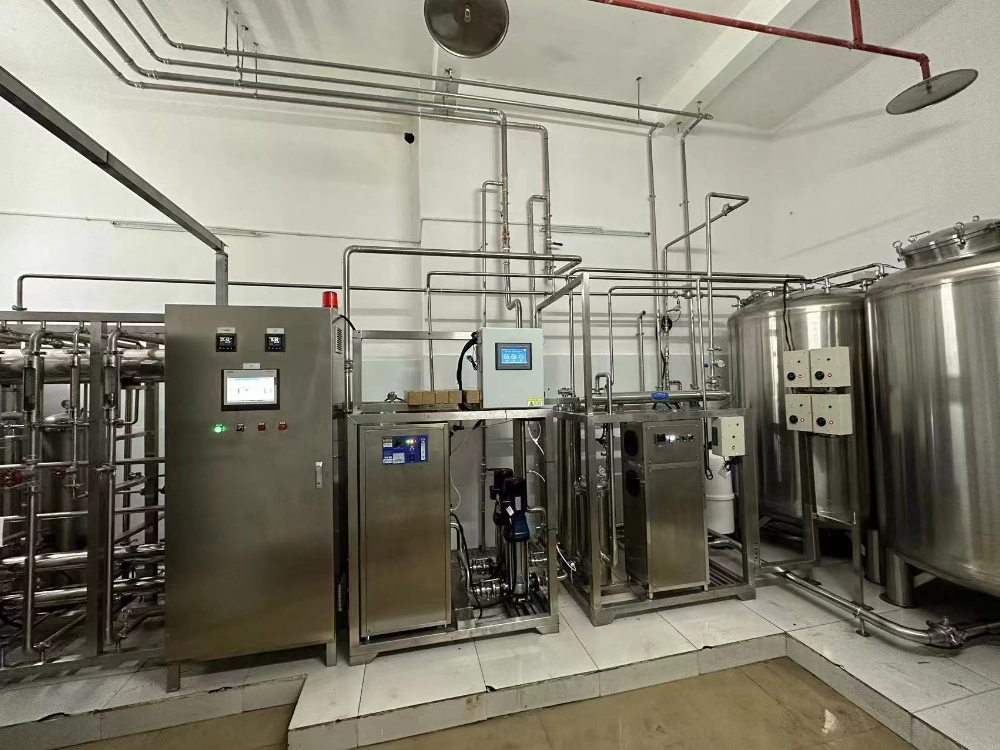
Drinking Water Production

clarification, filtration, membrane systems.
drinking water production

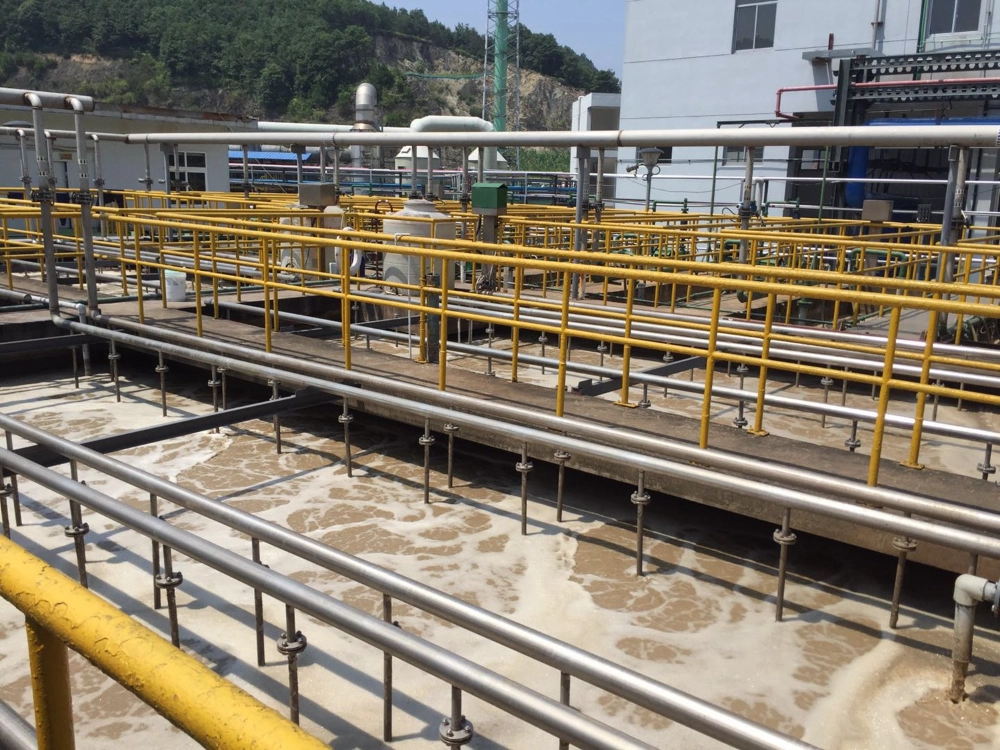
Industrial Wastewater

flotation, centrifugation, ultrafiltration.
industrial wastewater

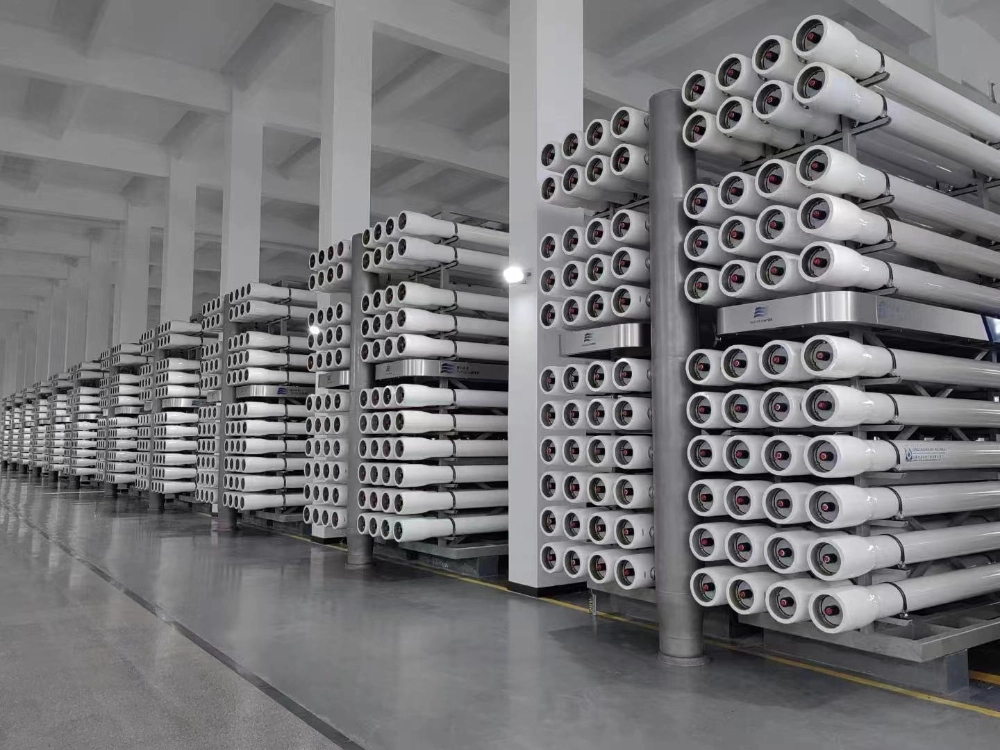
Seawater Desalination

reverse osmosis (RO).
Advantages and Limitations

Advantages and Limitations

Advantages

  • Simple process and easy operation.

  • Requires little or no chemical input.

  • Essential as a pretreatment step for chemical or biological processes.

Limitations

  • Ineffective for dissolved pollutants (salts, heavy metals, ammonia nitrogen).

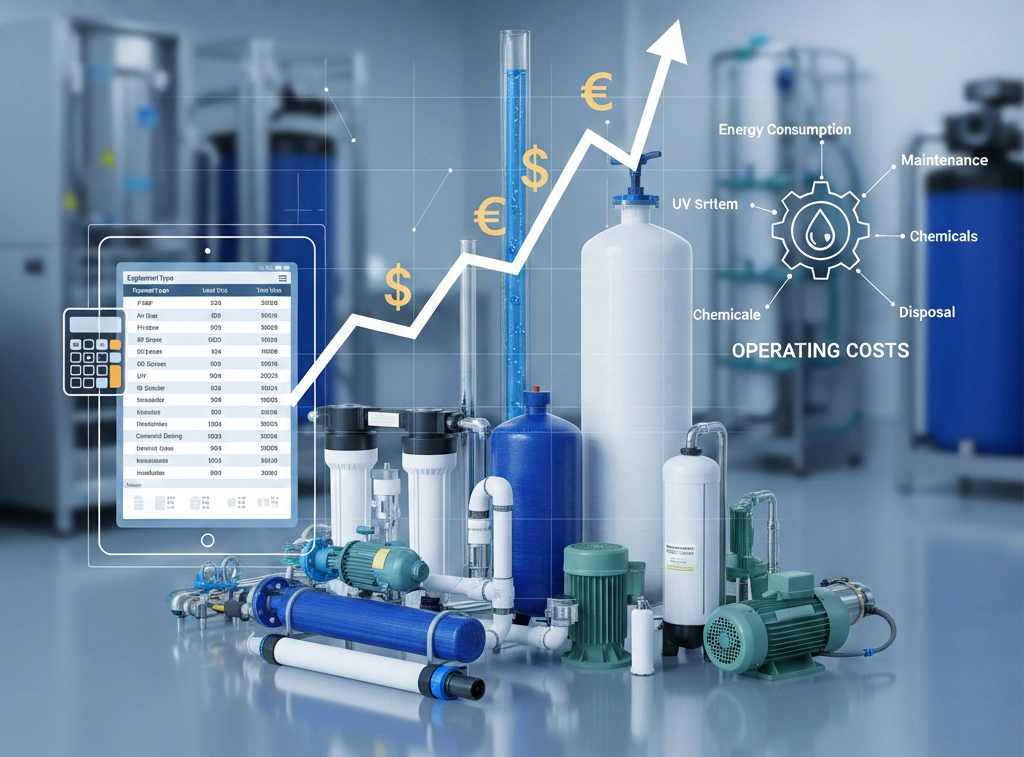
  • Some methods (e.g., RO membranes) involve high cost.

  • May not achieve strict discharge or drinking standards when used alone.

Frequently Asked Questions

Its purpose is to remove suspended solids, floating matter, and large debris, creating better conditions for chemical or biological processes.

Sedimentation uses gravity to settle particles, while filtration passes water through a porous medium to trap smaller particles.

No, except for advanced membrane processes like reverse osmosis. Standard methods like screening and sedimentation only handle solids.


Because it prepares raw water by removing coarse pollutants, which prevents clogging and improves the efficiency of downstream processes.

Get in touch with us

Don’t let water quality issues stand in your way. MoerWater Purified Water Generator will help you solve all your water quality problems, improve operational efficiency, and ensure your product or experimental results are at the best level.

Fill in the information on the right to get the catalog

*Our team will answer your inquiries within 24 hours.

*Your information will be kept strictly confidential.


Get A Quote

*Our team will answer your inquiries within 12 hours.

*Your information will be kept strictly confidential.