- Home
- »
- Electrodeionization (EDI) System
Electrodeionization (EDI) System
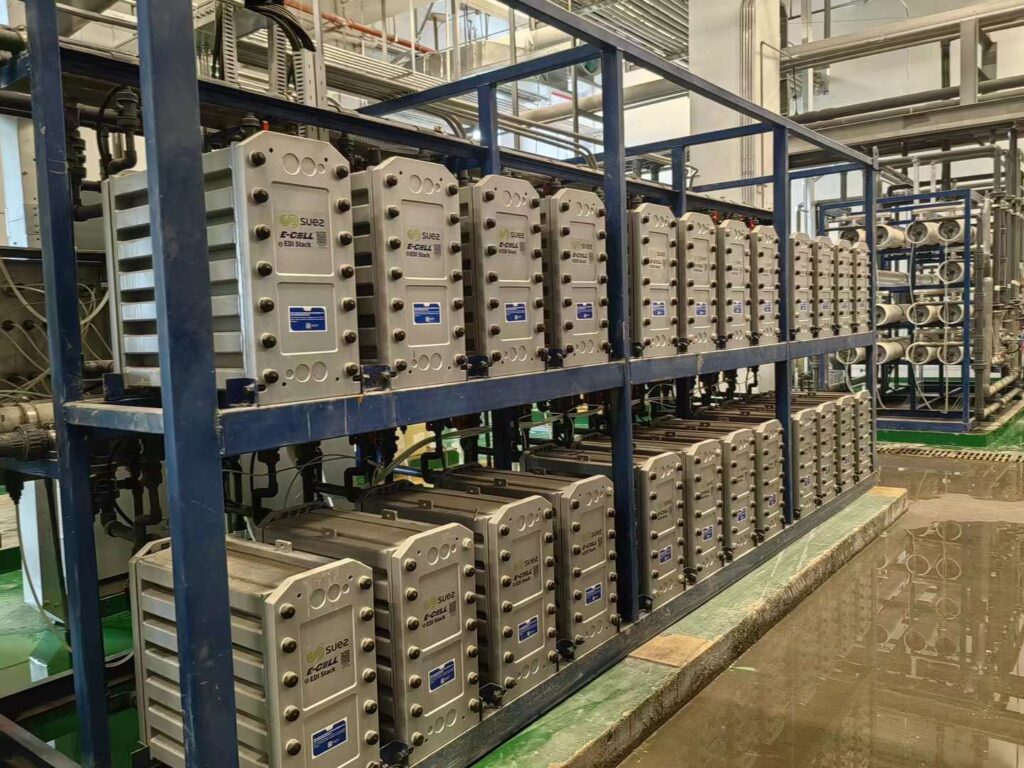
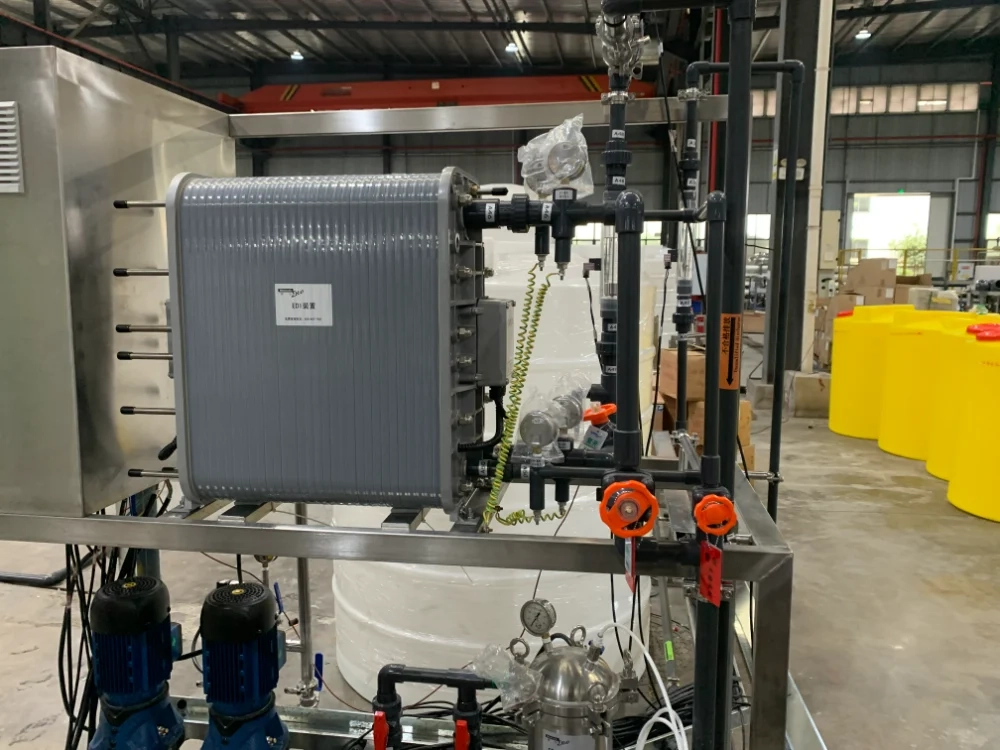
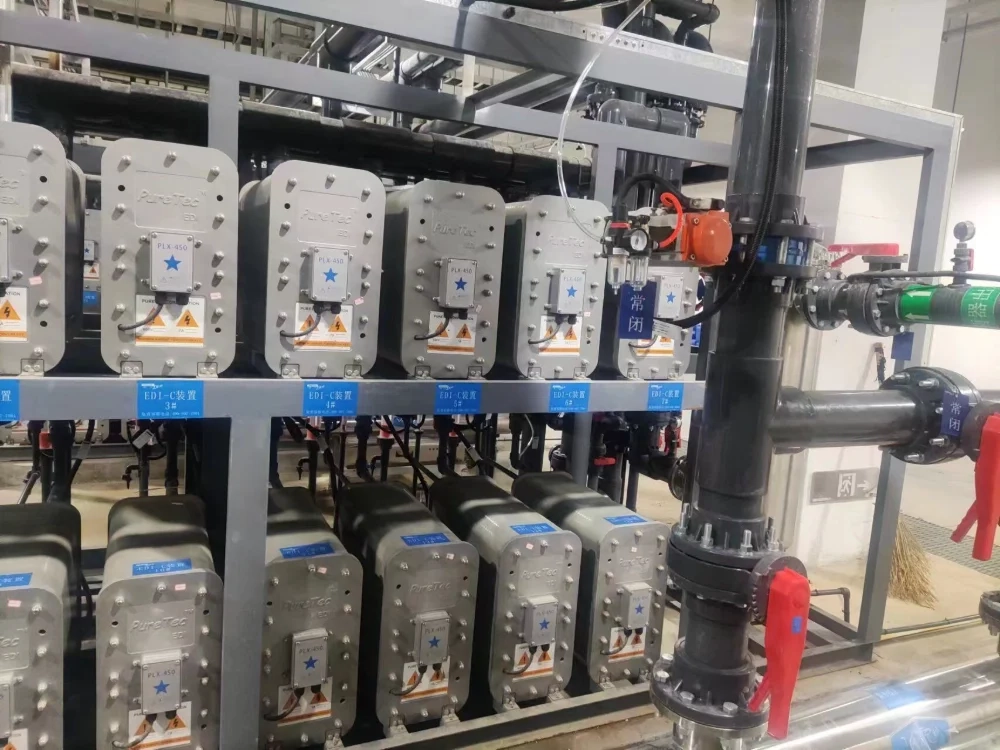
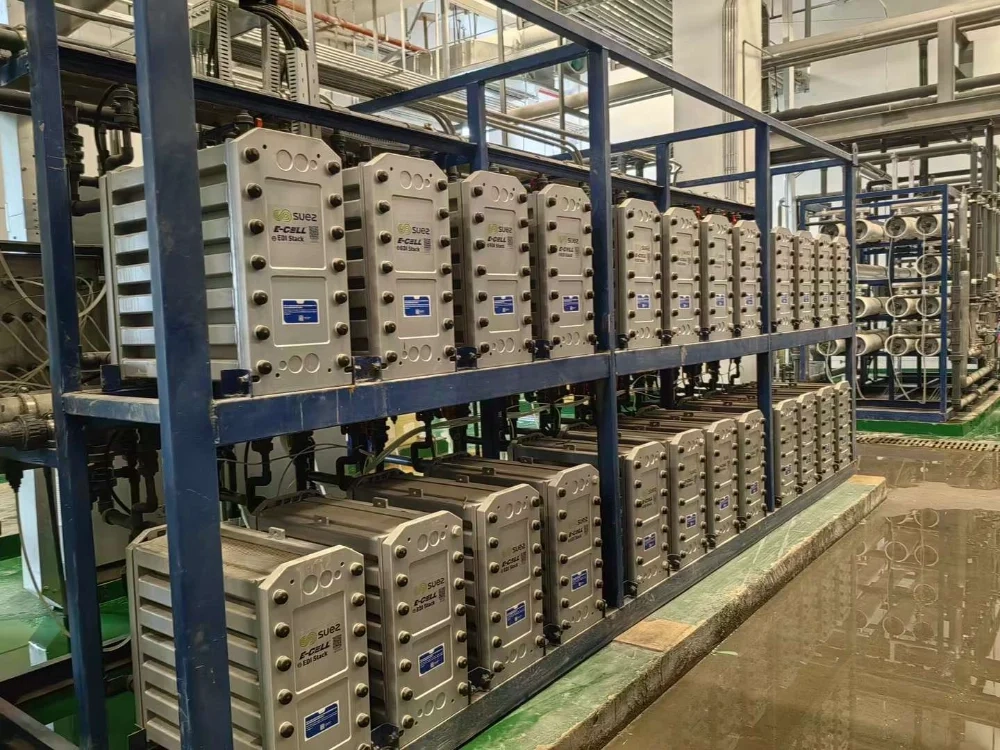
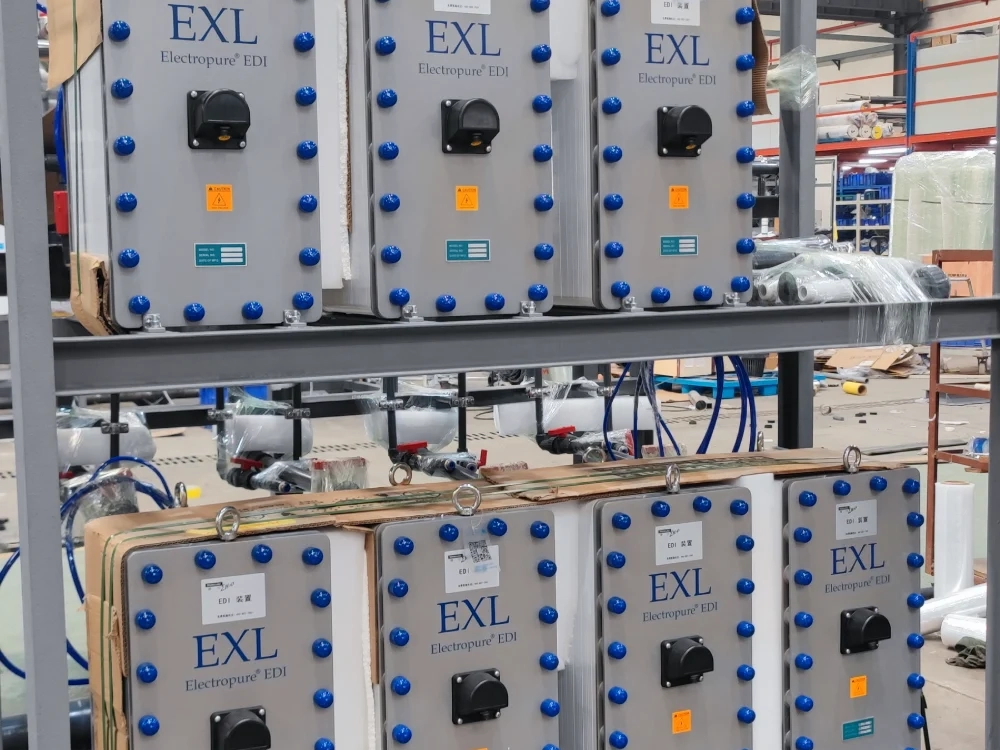
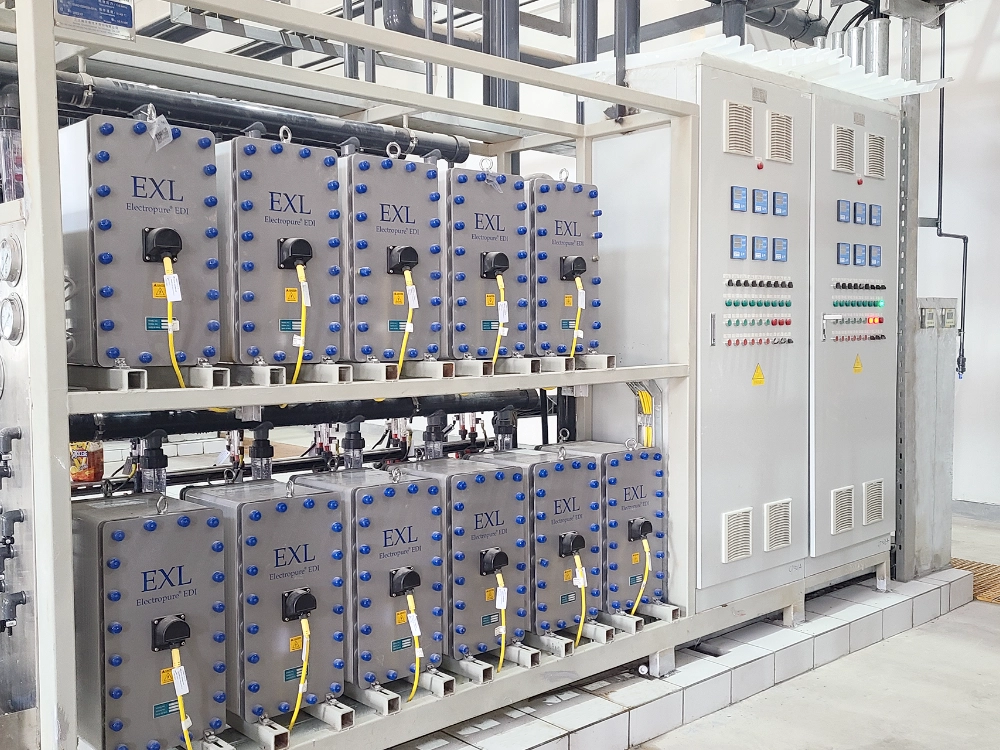
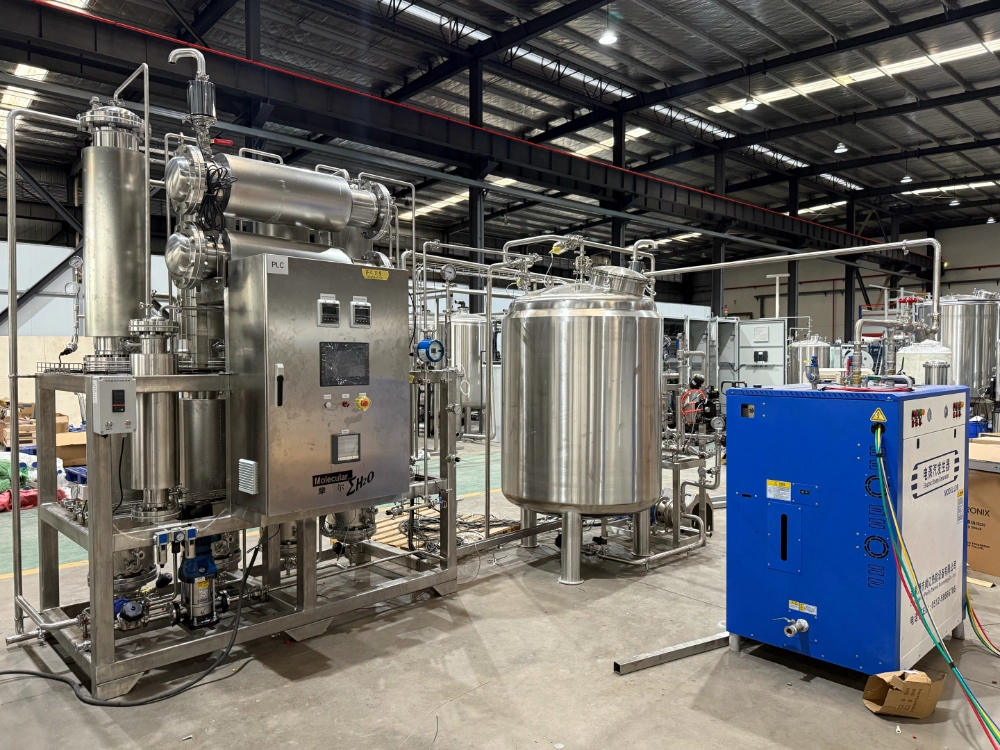
Our Electrodeionization (EDI) System is a revolutionary technology that combines electrodialysis with ion exchange to produce high-quality, ultrapure water. This system operates continuously and stably without the need for acid and alkali chemical regeneration.
Features of Our EDI System
Combined Technology
The EDI system merges electrodialysis and ion exchange technologies into one.
Continuous Regeneration
The system's resin is continuously regenerated by its own water dissociation effect, eliminating the need for chemical regeneration.
Automated Operation
The system is highly automated and simple to operate. It only requires electricity and a small amount of concentrated water reflux.
Modular Design
The modular design makes the system easy to install and maintain, and it takes up minimal space.
Advantages of Our Electrodeionization System
Eco-Friendly: Our electrodeionization system is a pollution-free technology because it completely avoids the consumption and storage of acids and alkalis and eliminates the discharge of hazardous waste liquid.
Stable Water Quality: The system runs continuously and produces stable water quality without the periodic fluctuations seen in traditional mixed beds.
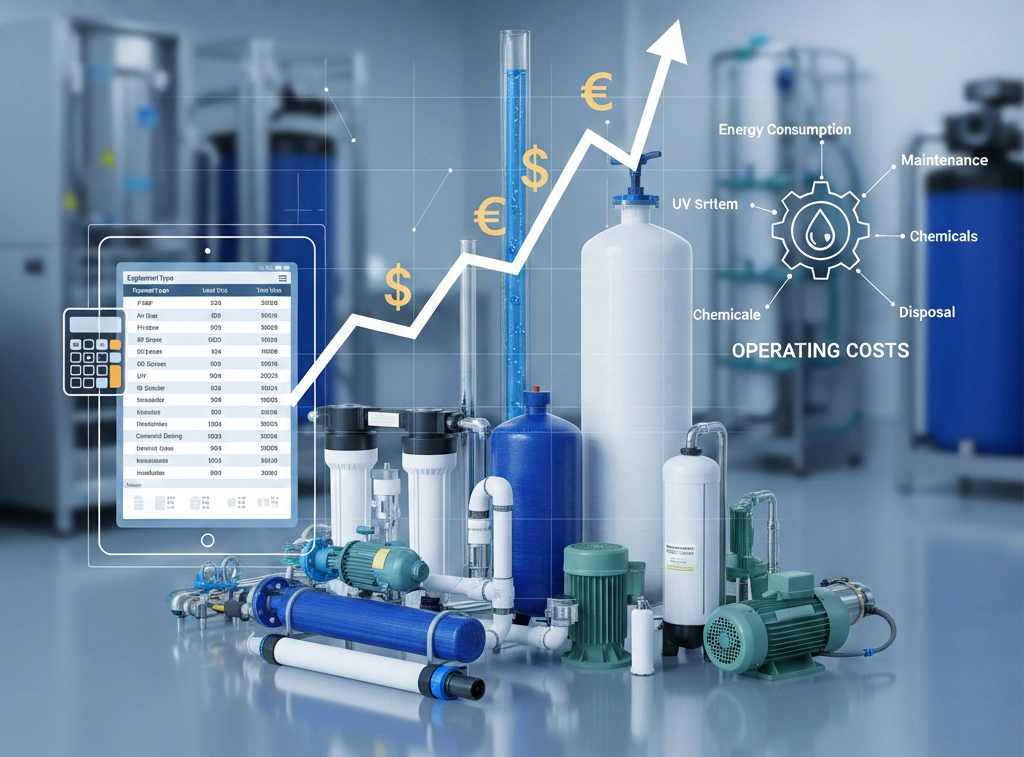
Cost-Effective in the Long Run: Although the initial investment is higher, the long-term operating costs are lower than those of a mixed-bed system.
Applications for Our EDI Water Systems
Our EDI water systems are used in a variety of industries for producing high-purity water.
Electronics and Semiconductors
They are used for the final polishing of ultrapure water in the electronics and semiconductor industries.
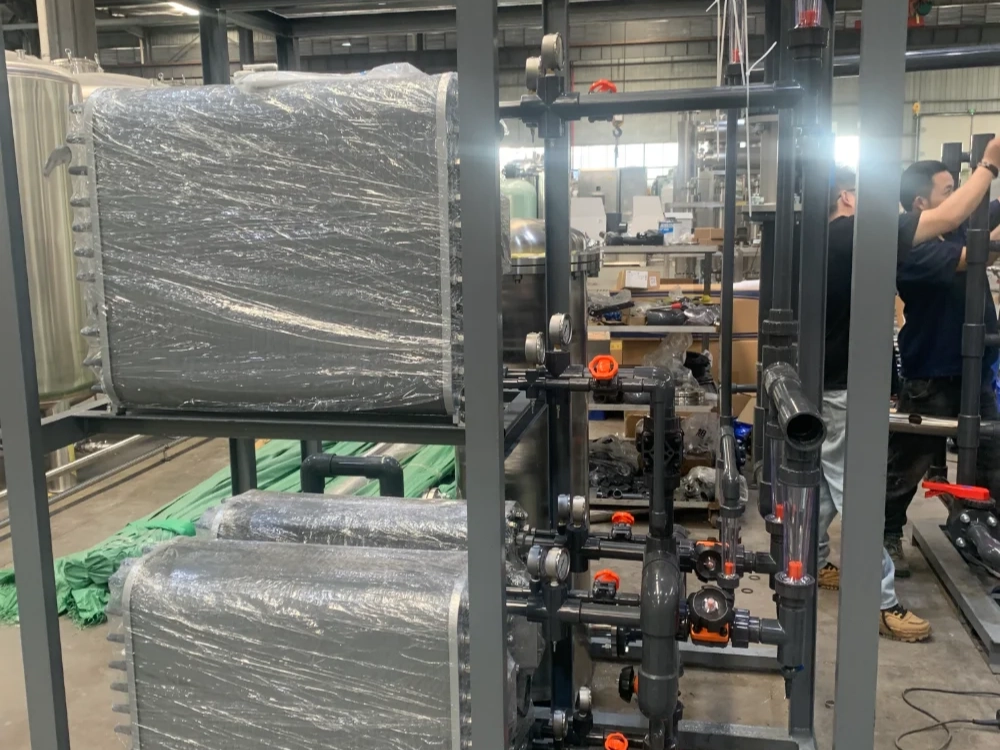
Biopharmaceuticals
The system is a key component in the preparation of water for injection (WFI) for the biopharmaceutical industry.
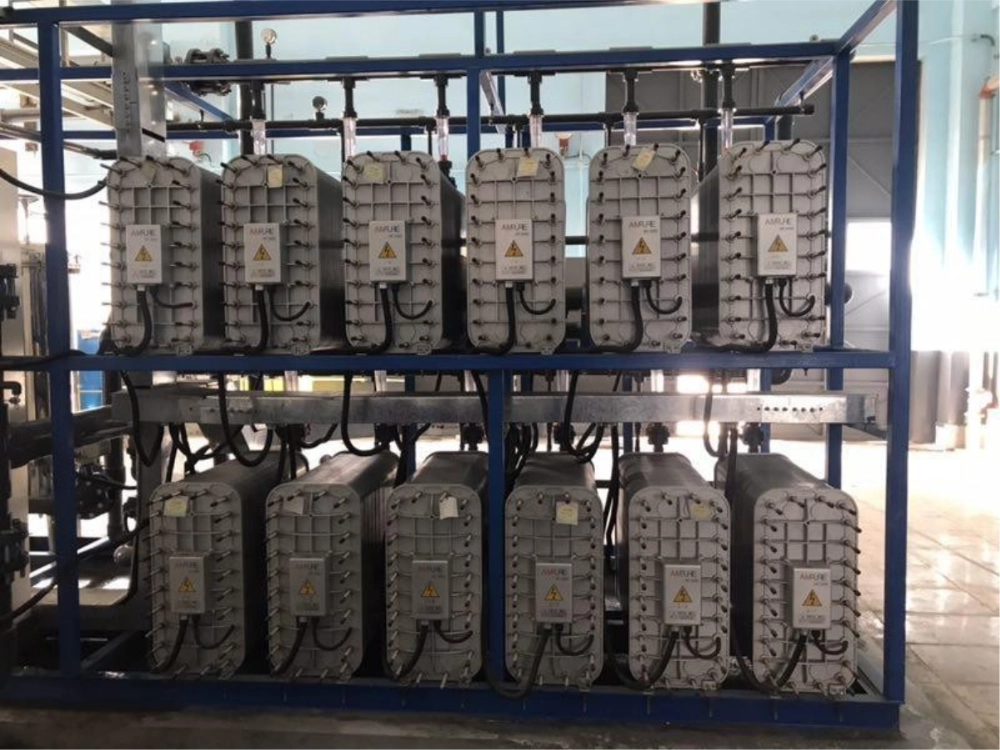
High-End Laboratories
It's also used for the final purification of water for high-end laboratories and for boiler feedwater in power plants.
Frequently Asked Questions
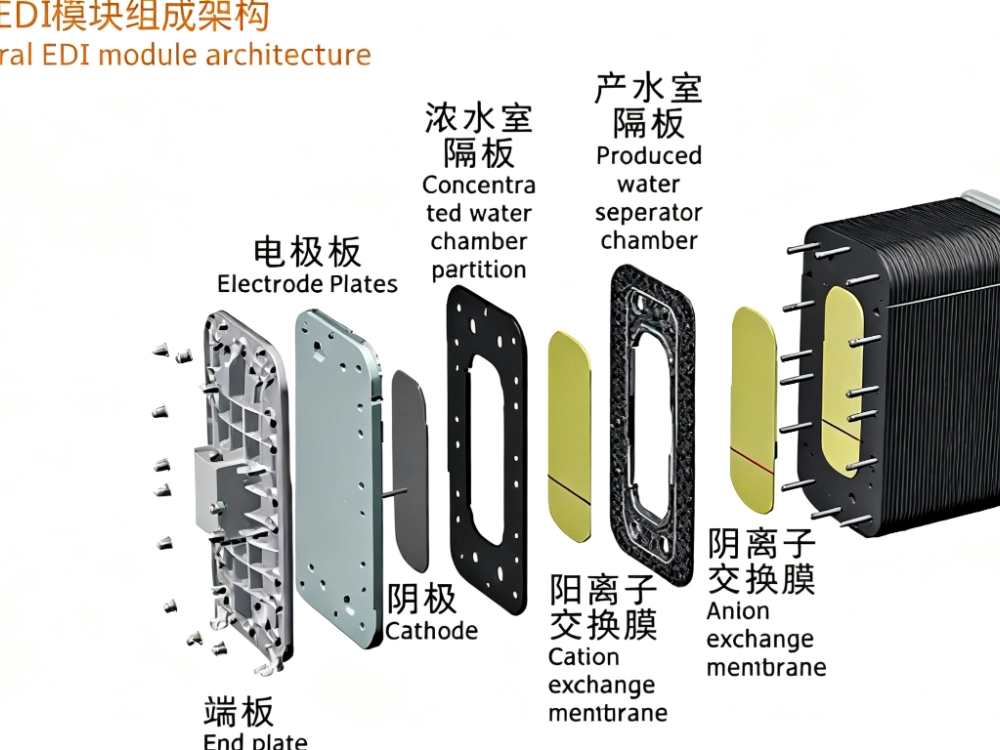
An EDI system combines electrodialysis and ion exchange technologies. In the presence of a DC electric field, ions are directed from a dilute water chamber to a concentrated water chamber to be discharged.
The resin inside the EDI device acts as an electrical conductor, and its own water dissociation effect (H2O → H+ + OH-) continuously regenerates the resin.
A traditional mixed-bed system has periodic water quality fluctuations, whereas an EDI system runs continuously and produces stable water quality without the need for chemical regeneration with acids and alkalis.
The main advantages are that it is environmentally friendly, has no hazardous waste discharge, provides stable water quality, and has a small footprint.
Yes, while the initial investment may be higher, the long-term operating costs of an
EDI system are lower than those of a traditional mixed-bed system.
Related Articles
PW vs. WFI
RO vs EDI Solution in Pharma
Cost Analysis of RO Technology
Get in touch with us
Don’t let water quality issues stand in your way. MoerWater Purified Water Generator will help you solve all your water quality problems, improve operational efficiency, and ensure your product or experimental results are at the best level.
*Our team will answer your inquiries within 24 hours.
*Your information will be kept strictly confidential.