What is Distilled Water?
1. What it is
Distilled water is perhaps the most well-known form of highly purified water, renowned for its extreme purity. It is defined by its production method, which effectively removes virtually all minerals, salts, and contaminants. A key characteristic of distilled water is its Total Dissolved Solids (TDS) level, which is typically near 0 ppm, making it one of the purest forms of water available.
2. How it’s Made
Distilled water is created through a process that mimics the natural water cycle:
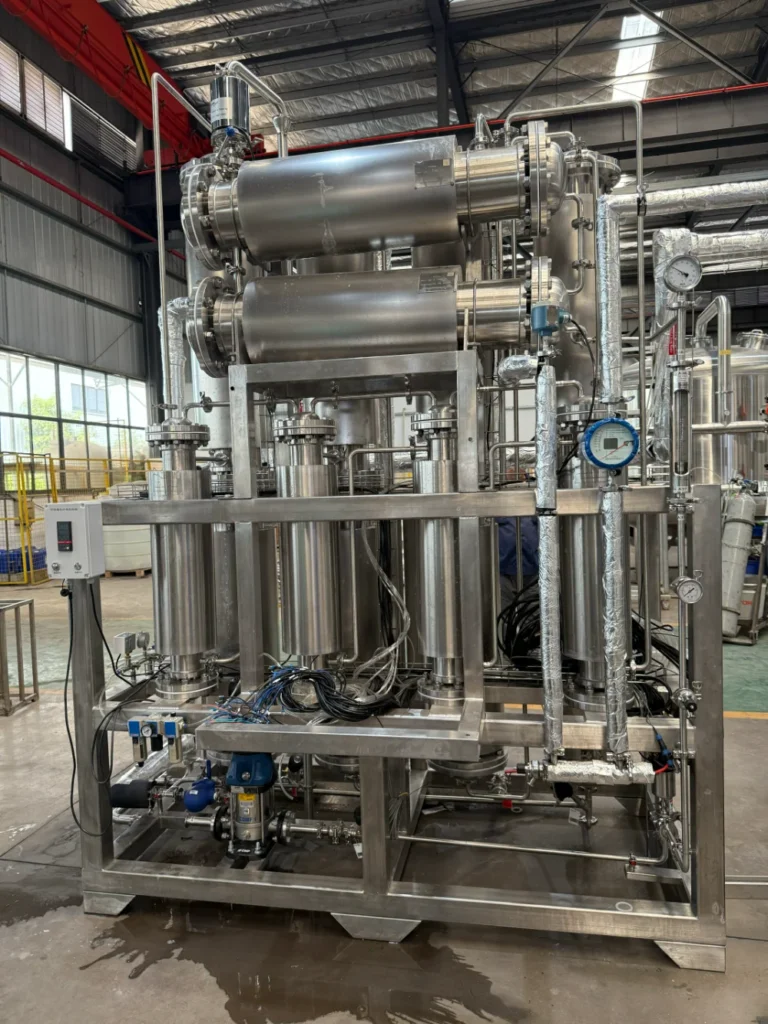
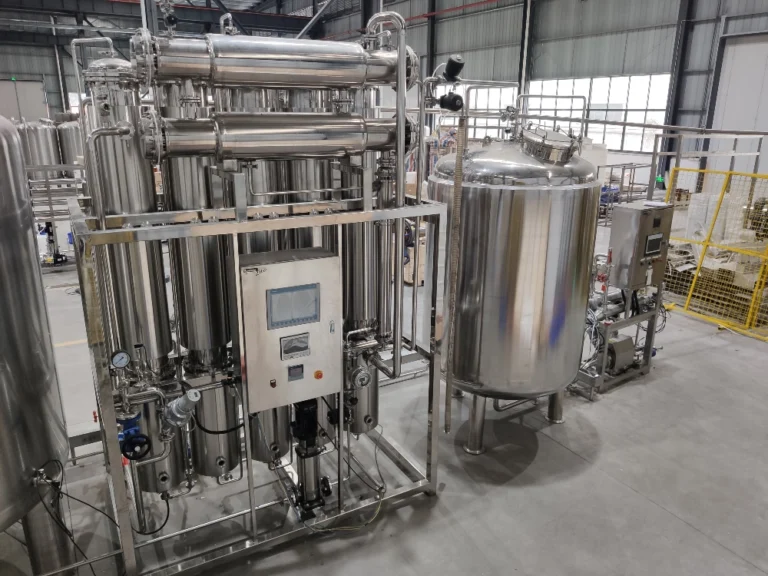
- Boiling: Water is heated to its boiling point, transforming it into pure steam. During this phase, non-volatile impurities such as minerals, salts, and heavy metals are left behind in the boiling chamber.
- Condensation: The steam then rises, leaving contaminants behind, and is cooled. As it cools, the steam condenses back into liquid water.
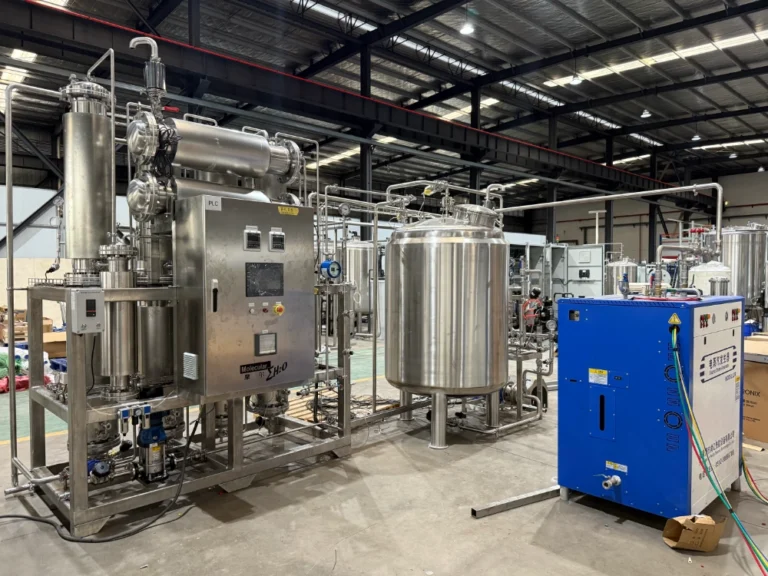
- Collection: This condensed, pure liquid—the distilled water—is then collected, while any volatile organic compounds that evaporated with the steam are vented off, ensuring maximum purity. This entire process is typically performed by a distilling water machine or water distiller machine.
3. Why Choose Distilled Water?
- Unrivaled Purity: Distilled water offers the highest level of purity by effectively removing all dissolved solids, minerals, and most other contaminants, ensuring a truly blank slate.
- Absolute Mineral Absence: For applications where even trace amounts of minerals are problematic, distilled water is the ideal solution.
- Medical & Laboratory Precision: Its extreme purity makes it indispensable for sensitive medical equipment like CPAP machines, laboratory experiments, and industrial processes where mineral interference or contamination cannot be tolerated.
- Preventing Mineral Buildup: Using distilled water in devices such as car batteries, radiators, and steam irons completely eliminates mineral buildup, extending their lifespan and ensuring optimal performance.
What is Purified Water?
1. What it is
Purified water is, simply put, water that has been mechanically filtered or processed to remove impurities and contaminants to a very high standard. This means its Total Dissolved Solids (TDS) level is typically below 10 parts per million (ppm), making it significantly cleaner than regular tap water. To be classified as purified, it must meet stringent purity standards set by bodies like the U.S. Pharmacopeia (USP) or environmental agencies.
2. How it’s Made
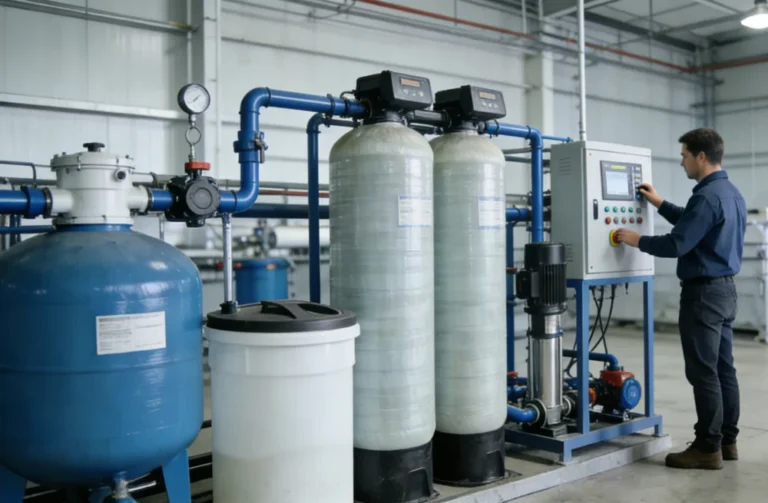
The creation of purified water involves a multi-stage process, often utilizing a combination of advanced filtration technologies:
- Reverse Osmosis (RO): This is the cornerstone of most purification systems. It forces water through a semi-permeable membrane with incredibly tiny pores ($0.0001\ \mu m$), effectively removing dissolved solids, heavy metals, chemicals, and even some bacteria and viruses.
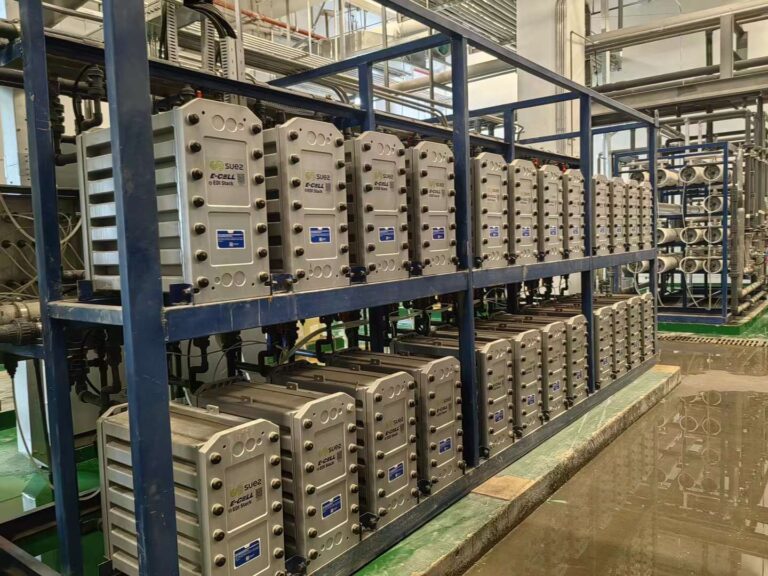
- Deionization (DI): This process removes mineral ions from water through ion-exchange resins.
- Carbon Filtration: Activated carbon filters are used to adsorb chlorine, chloramines, volatile organic compounds (VOCs), and other contaminants that affect taste and odor.
- Microfiltration/Ultrafiltration: These physical barrier filters are employed to capture microscopic particles, cysts, and bacteria.
3. Why Choose Purified Water
- Comprehensive Contaminant Removal: Purified water excels at removing a broad spectrum of impurities that concern consumers, including lead, arsenic, fluoride, nitrates, pesticides, chlorine, and various microbial contaminants. This provides a safety net against both aesthetic and health-threatening pollutants.
- Exceptional Taste & Odor: By stripping away chlorine and organic compounds, purified water offers a clean, crisp, and neutral taste that enhances the flavor of beverages and food.
- Safe for Daily Hydration: Its high purity makes it an excellent choice for everyday drinking, ensuring safe and healthy hydration for the entire family, including infants (when mixed with formula).
- Appliance Longevity: The absence of scale-forming minerals means purified water helps prevent unsightly buildup and extends the lifespan of kitchen appliances like coffee makers, kettles, and ice machines.
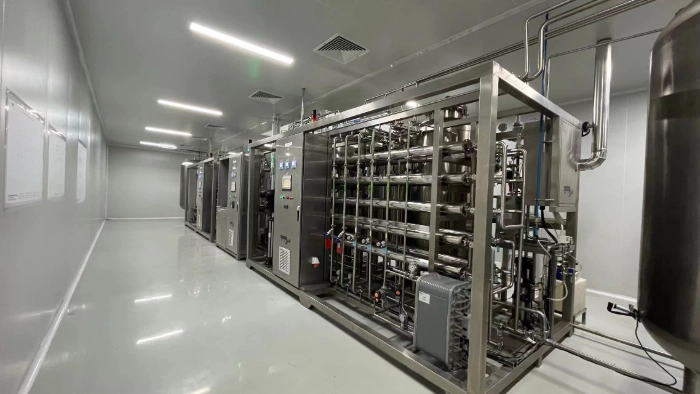
Direct Comparison – Purified vs. Distilled
While both purified water and distilled water are excellent choices for specific needs, understanding their nuances is key. Here’s a detailed look at the difference between purified and distilled water:
| Feature / Criteria | Purified Water | Distilled Water |
| Purity Level (TDS) | < 10 ppm | Near 0 ppm (Often 0-1 ppm) |
| Production Method | RO, DI, Carbon Filt., Microfilt. | Boiling & Condensation (using a distilled water machine) |
| Contaminants Removed | Particles, Chemicals, Heavy Metals, Microbes | All minerals, Contaminants, Microbes, VOCs (if vented) |
| Mineral Content | Very Low / None | Absolutely None |
| Taste | Clean, Fresh, “Normal” | Flat, Bland (due to complete mineral absence) |
| Energy Consumption | Moderate (for RO/DI) | High (significant energy for boiling) |
| Production Speed | Continuous Flow (RO) | Slower, Batch Process |
| Primary Use | Daily Drinking, Cooking, Home Appliances | CPAP, Labs, Car Batteries, Steam Irons, Specialized Medical |
| Availability | Bottled, Home RO Systems | Bottled, Water distiller machine |
This table clearly highlights why the choice between distilled vs purified depends entirely on the intended application.
Practical Applications & Alternatives
Making the right choice for your water depends on what you need it for. Both purified water vs. distilled water have their optimal applications, and sometimes, even substitutes for distilled water can be considered.
1. Optimal Uses for Purified Water
- Everyday Hydration: For most people, purified water is the ideal choice for drinking, offering great taste and comprehensive contaminant removal without stripping away essential hydration qualities.
- Cooking & Beverages: Use it to enhance the flavor of your coffee, tea, and culinary creations.
- Infant Formula: Many pediatricians recommend purified water for mixing baby formula due to its consistent purity and lack of unwanted additives.
- Home Appliances: Extend the life of your coffee makers, humidifiers, and clothes irons (for general use) by preventing mineral scale buildup.
2. Optimal Uses for Distilled Water
- Medical & Health Devices: Essential for CPAP (Continuous Positive Airway Pressure) machines, nebulizers, and other medical devices where mineral buildup could damage the equipment or be inhaled.
- Industrial & Lab Precision: A must-have for scientific experiments, laboratory equipment, car batteries, and specific industrial processes that require water free from any dissolved solids.
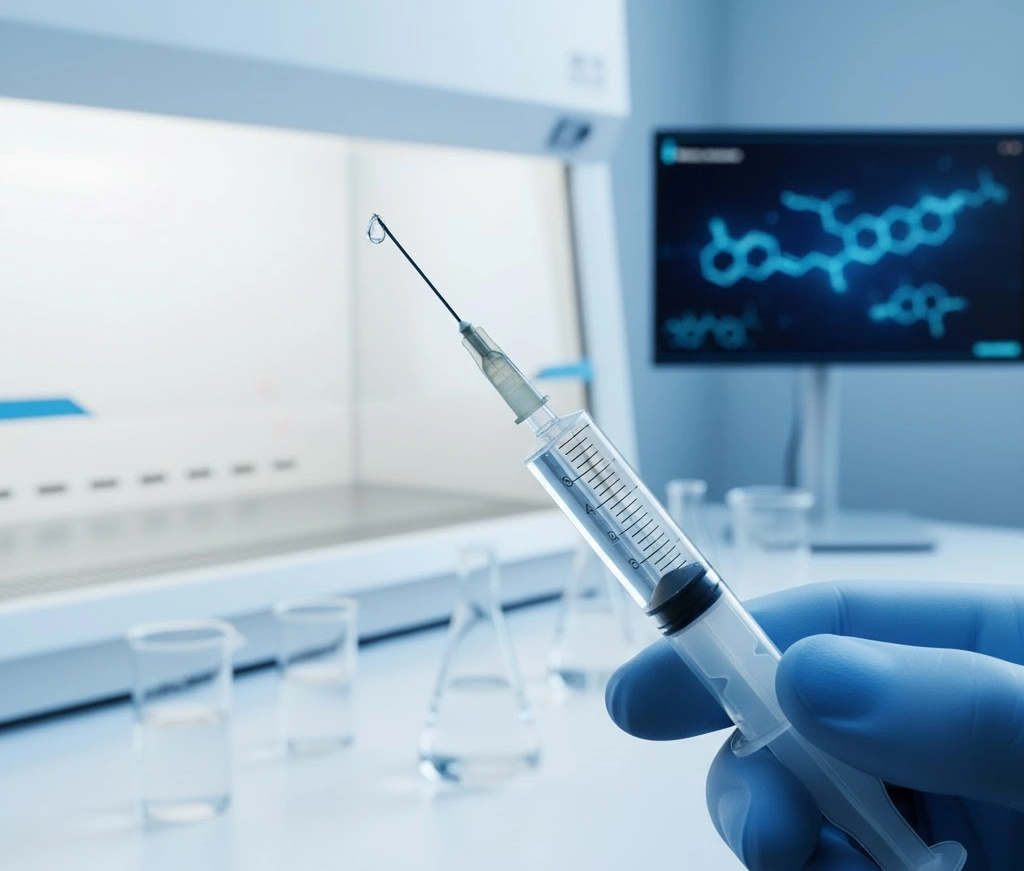
- Pharma Appliances: For the preparation of inject water and pharmaceutical preparations, distilled water with virtually zero pyrogen, endotoxins is required to ensure safety.
3. Alternatives & Substitutes
While in some non-critical applications (e.g., watering plants or some general cleaning), purified water can act as a substitute for distilled water, it’s crucial to understand when alternatives are not recommended. For medical devices or sensitive lab work, the specific purity of distilled water is often non-negotiable. Using tap or even purified water as an alternative to distilled water in these contexts could lead to damage or inaccurate results.

Making Your Informed Choice
Deciding between purified water vs. distilled water ultimately comes down to your specific needs and intended use. Both offer exceptional purity far beyond tap water. Purified water stands out as the superior choice for daily drinking and most household applications, offering a clean taste and comprehensive contaminant removal while being efficient to produce. Distilled water, with its extreme lack of dissolved solids, is best reserved for specialized applications such as medical devices, laboratories, and specific industrial uses where even trace minerals are detrimental.
By understanding these key differences, you can confidently choose the water that best supports your health and protects your valuable equipment.