1. Home
  2. »
  3. Mixed Bed / Dual Bed Ion Exchanger

Mixed Bed & Dual Bed Ion Exchanger

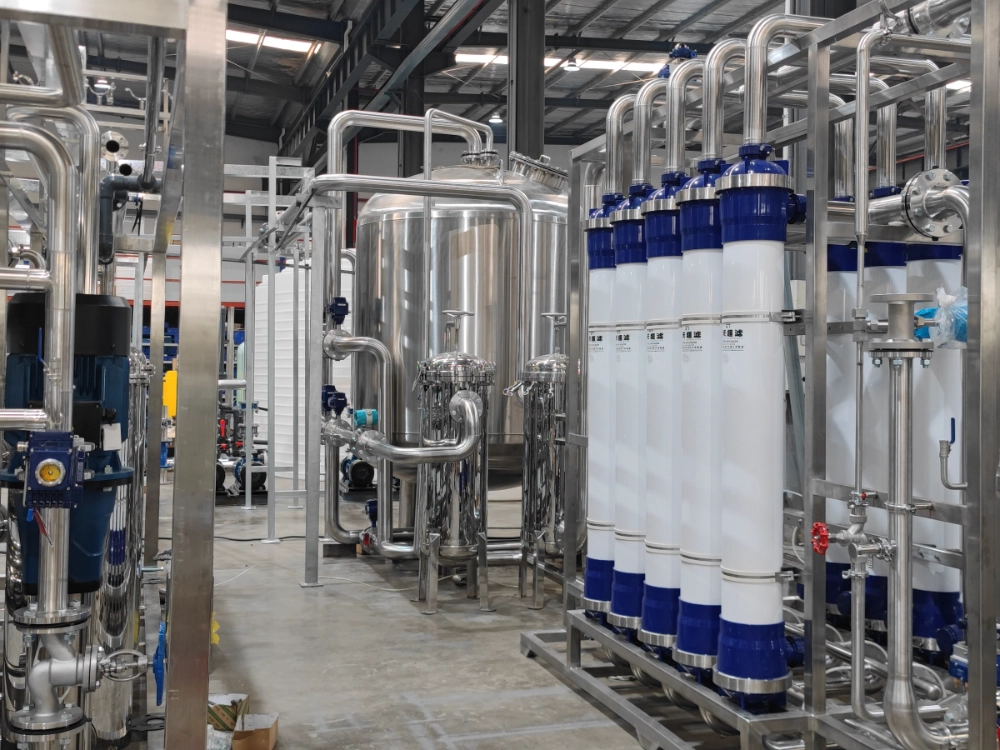
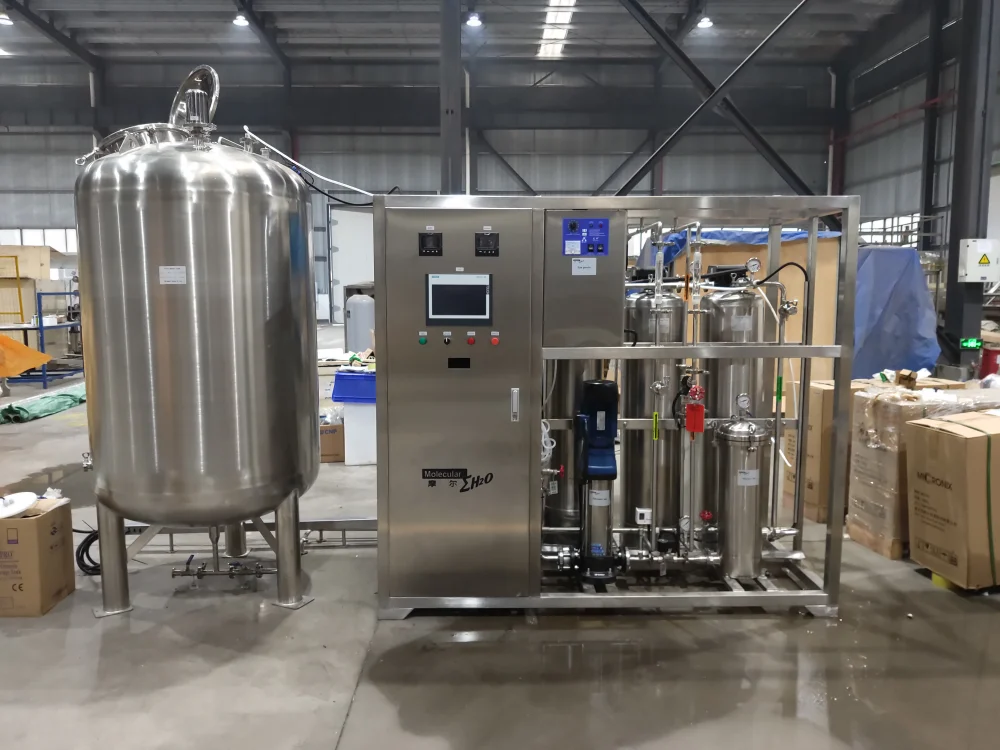
Our Mixed-Bed and Dual-Bed Ion Exchanger systems are designed for deep demineralization and the preparation of high-purity water. These systems significantly reduce water conductivity and are used to produce both primary pure water and ultra-high quality ultrapure water.

Features of Our Ion Exchanger Systems

Dual-Bed Ion Exchanger

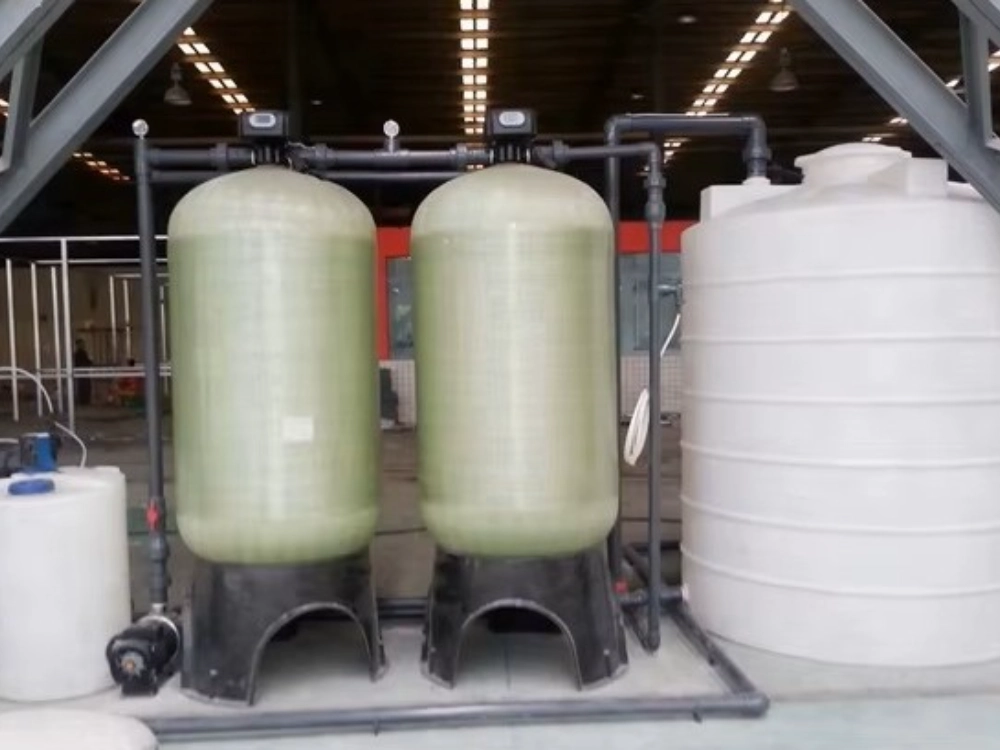
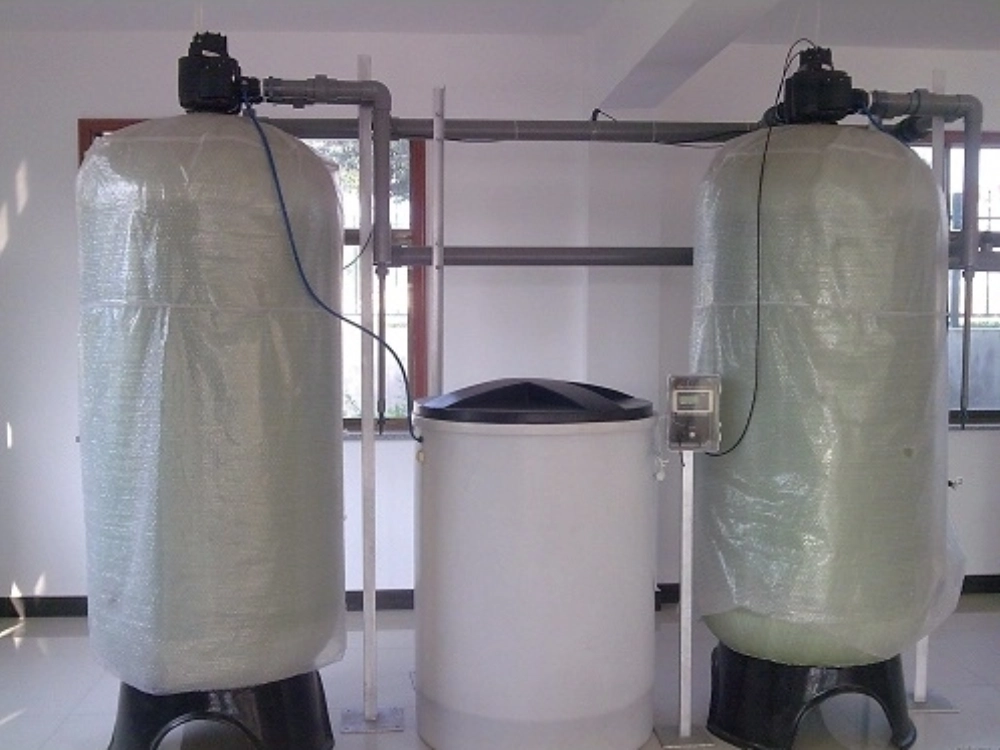
This system consists of a cation exchange bed and an anion exchange bed connected in series. The raw water first passes through the cation bed to remove all cations, which makes the water acidic. The acidic water then passes through the anion bed to remove all anions.

Mixed-Bed Ion Exchanger

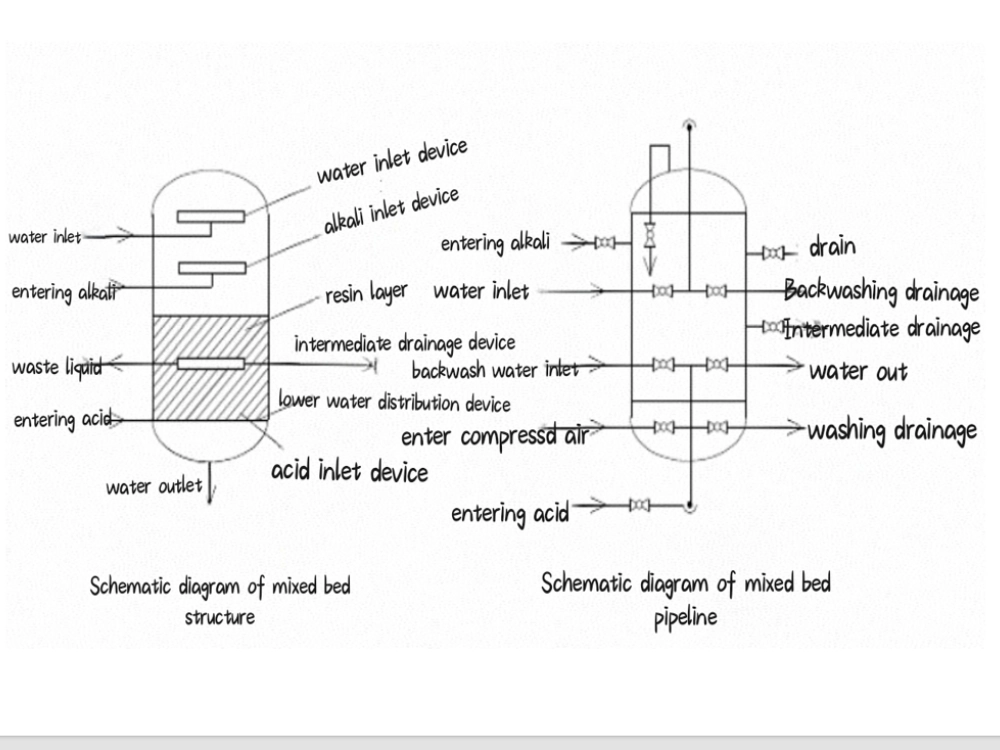
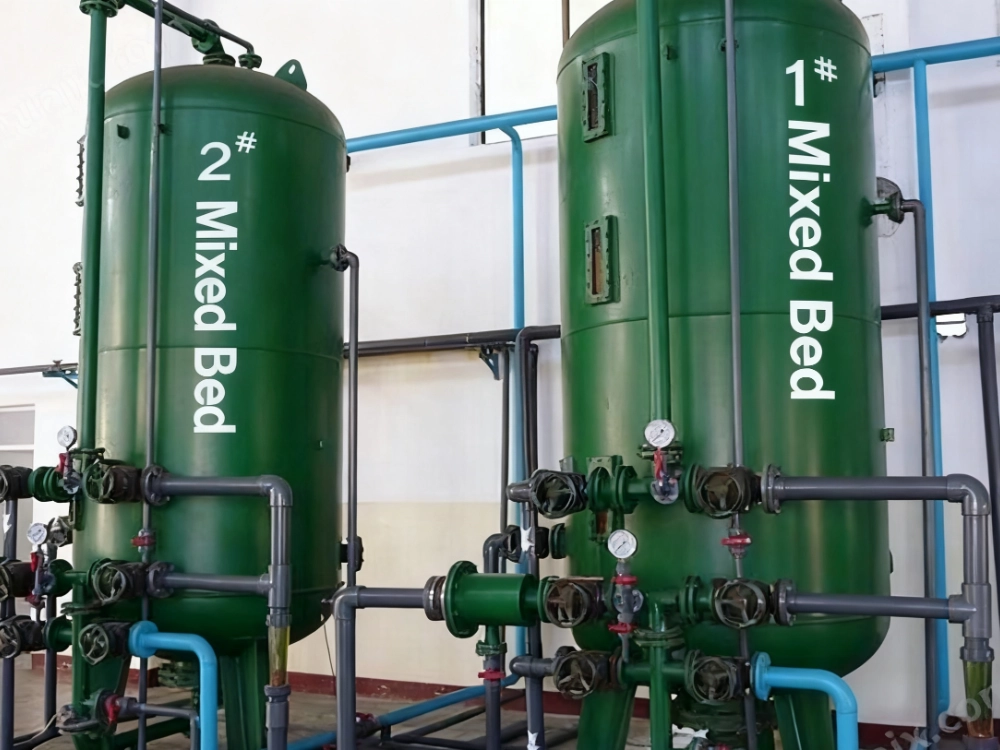
This system mixes both cation and anion resins evenly within the same exchange column. Water flowing through it undergoes a simultaneous and continuous ion exchange reaction, resulting in extremely high-quality output water.

Regeneration Process

The resins in both systems are regenerated using high concentrations of chemicals (acid for cation resin and base for anion resin) to restore their exchange capacity.

Advantages of Our Ion Exchanger Systems

  • Superior Water Quality: The mixed-bed system is capable of producing ultra-high quality ultrapure water, with a quality that is superior to the dual-bed system.

  • Deep Demineralization: Both dual-bed and mixed-bed systems are effective for deep demineralization, removing most of the cations and anions from the water and significantly reducing its conductivity.

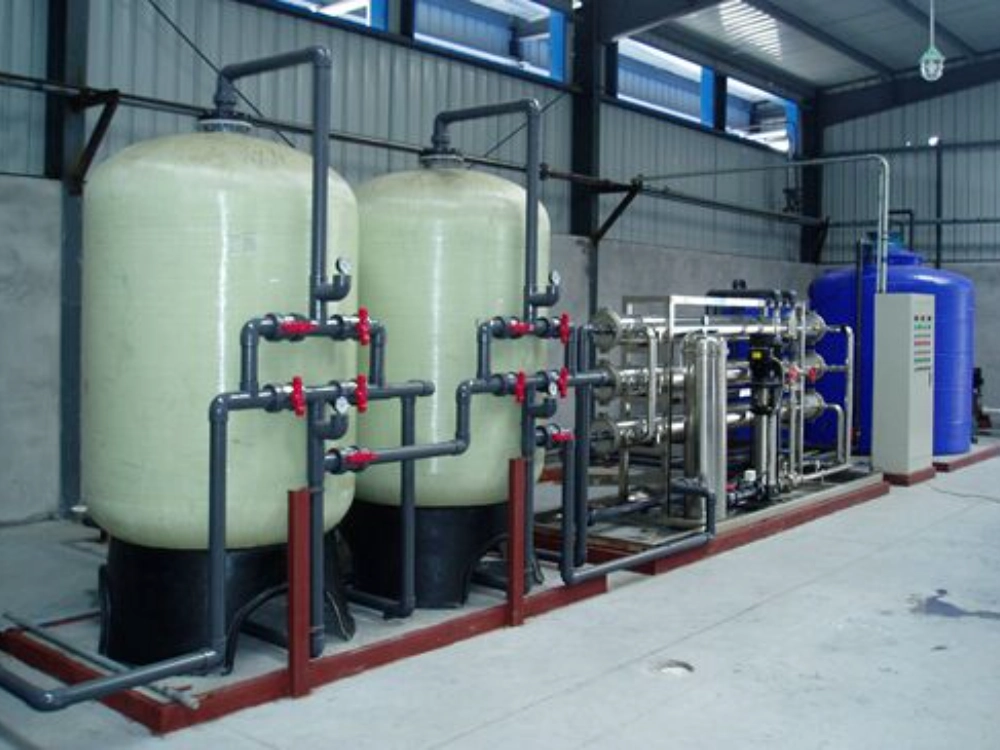
  • Final Polishing: The mixed-bed system is also used for the final polishing of reverse osmosis (RO) permeate water.

Applications for Our Pure Water Systems

Our Mixed-Bed and Dual-Bed Ion Exchanger systems are widely used in industries requiring high-purity water

Power Generation

Used for boiler makeup water in thermal and nuclear power plants.
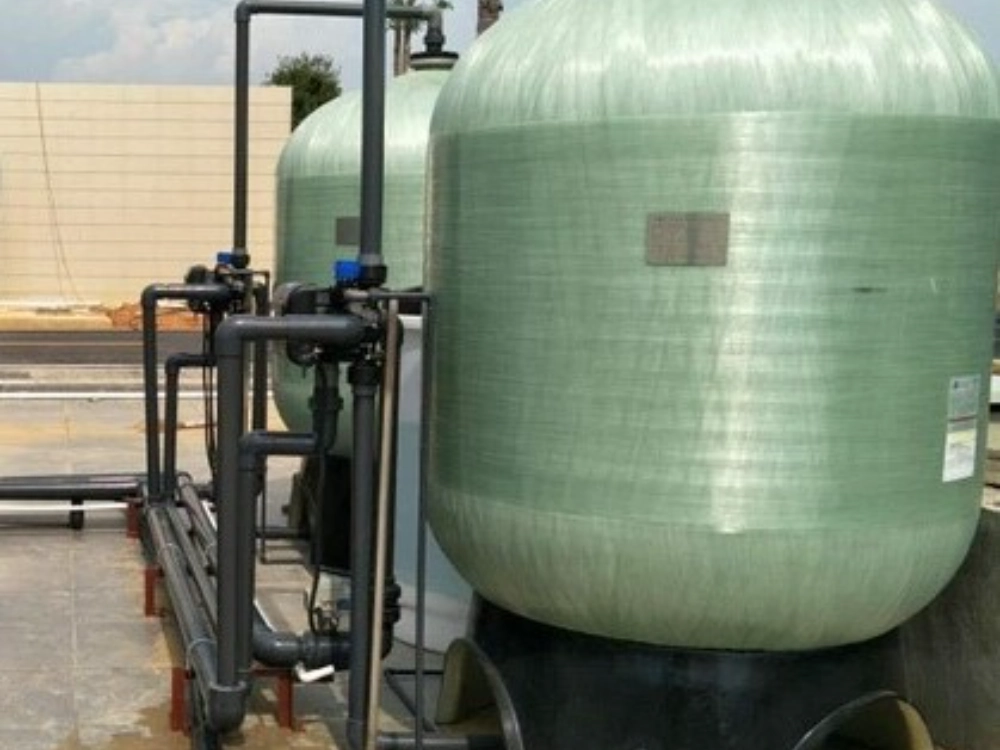
power generation

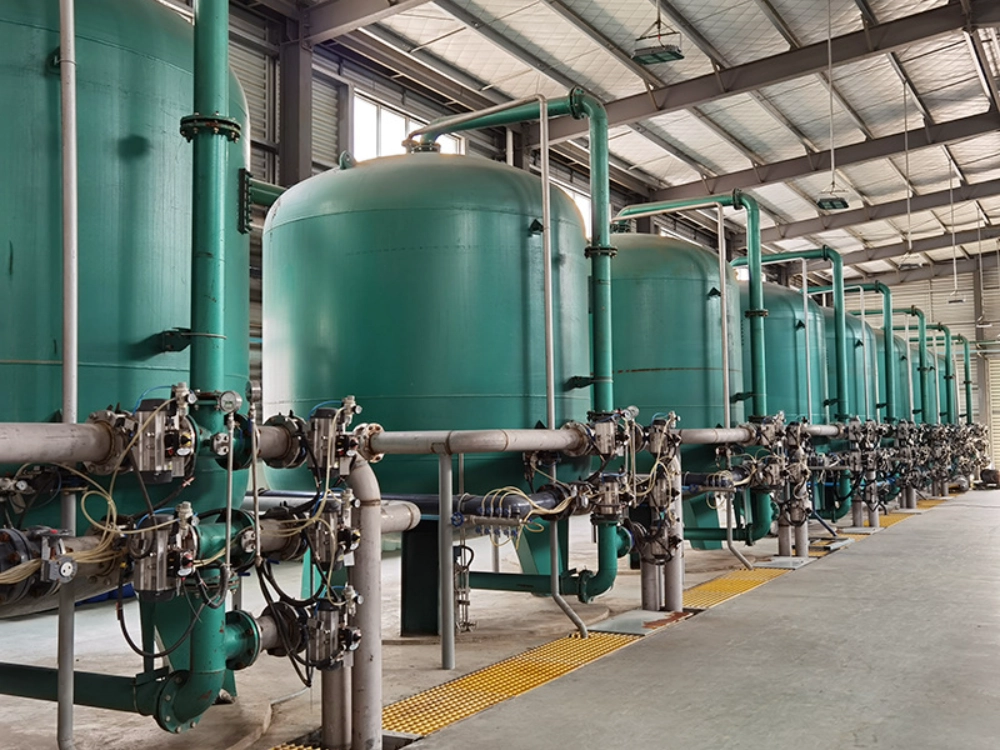
Electronics

Essential for preparing ultrapure water in the petrochemical and electronics industries, including for semiconductors and integrated circuits.
Biopharmaceuticals & Laboratories

The systems are used for preparing water for biopharmaceuticals and for laboratory use.
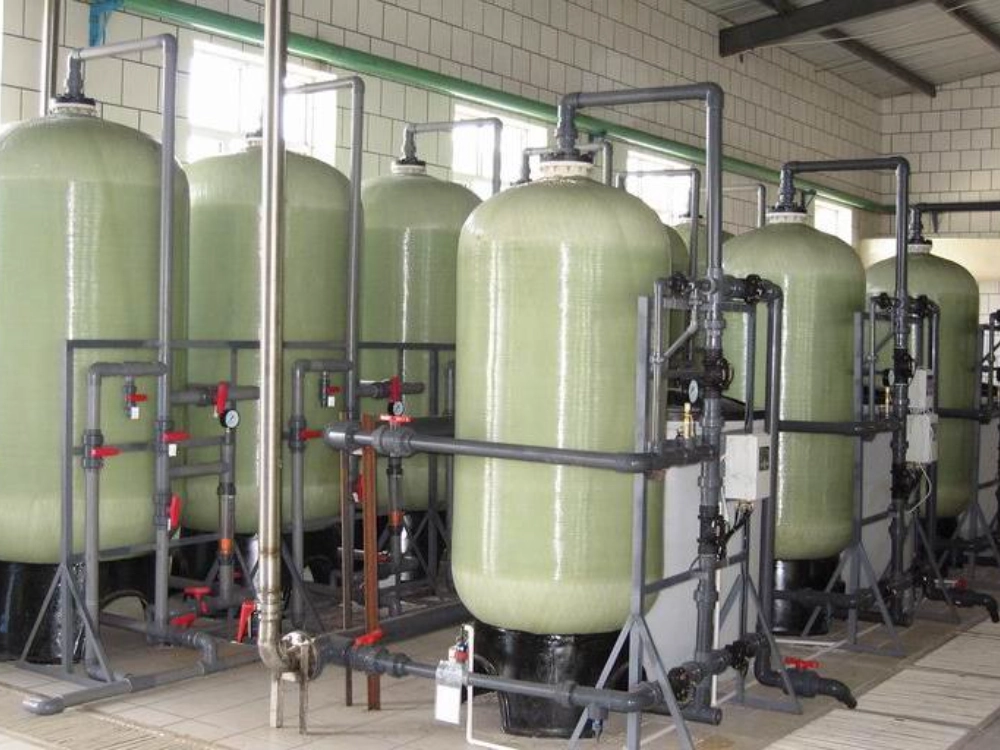
biopharmaceuticals laboratories

Frequently Asked Questions

A dual-bed system uses two separate columns, one for cation resin and one for anion resin, to remove ions. A mixed-bed system combines both resins in a single column, which results in a more thorough, continuous exchange and produces a higher quality of ultrapure water.

In a dual-bed system, water first passes through a cation exchange bed to remove all cations, then through an anion exchange bed to remove all anions. The H+ and OH- ions released from the resins combine to form water.

The core function of a mixed-bed system is to prepare ultra-high quality ultrapure water and to perform final polishing on water from an RO system.

The resins are regenerated by using high-concentration chemicals (acid for the cation resin and base for the anion resin) to replace the adsorbed ions.

These systems are typically used in applications that require high purity water, such as in power plants, the electronics industry for semiconductor manufacturing, biopharmaceuticals, and laboratories.

Get in touch with us

Don’t let water quality issues stand in your way. MoerWater Purified Water Generator will help you solve all your water quality problems, improve operational efficiency, and ensure your product or experimental results are at the best level.

Get in touch with us
Fill in the information on the right to get the catalog

*Our team will answer your inquiries within 24 hours.

*Your information will be kept strictly confidential.


Get A Quote

*Our team will answer your inquiries within 12 hours.

*Your information will be kept strictly confidential.