1. Главная
  2. »
  3. Membrane Separation Technology

Membrane Separation Technology in Water & Wastewater Treatment

Membrane separation technology has become one of the most advanced and reliable solutions in modern water and wastewater treatment. Using semi-permeable membranes, this process removes salts, organic matter, microorganisms, and other contaminants from water, delivering safe and high-quality effluent. From drinking water purification to industrial wastewater recycling, membrane separation technology plays a vital role in sustainable water management.

What is Membrane Separation Technology?

Membrane separation technology is a physical water treatment method that uses membranes with selective permeability to separate impurities from water.

  • Principle: Contaminants are blocked by the membrane, while pure water molecules pass through.

  • Driving force: Pressure, concentration gradient, or electric potential.

This technology is widely recognized for its efficiency, scalability, and ability to meet strict water quality standards.

Types of Membrane Separation Technology

Different types of membranes are used depending on water quality requirements and applications:

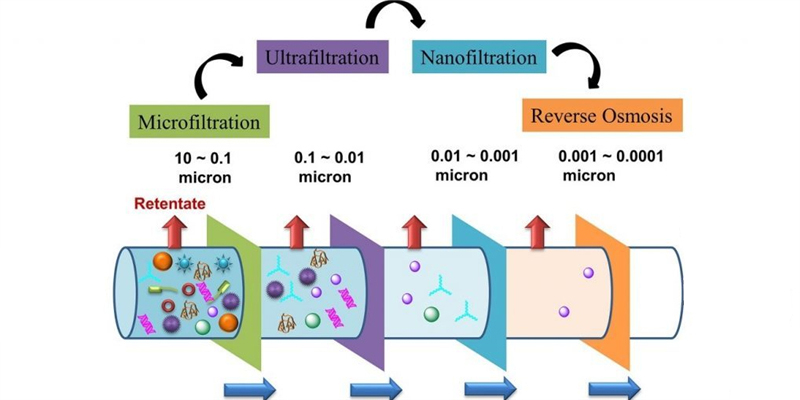
MF

Microfiltration (MF)
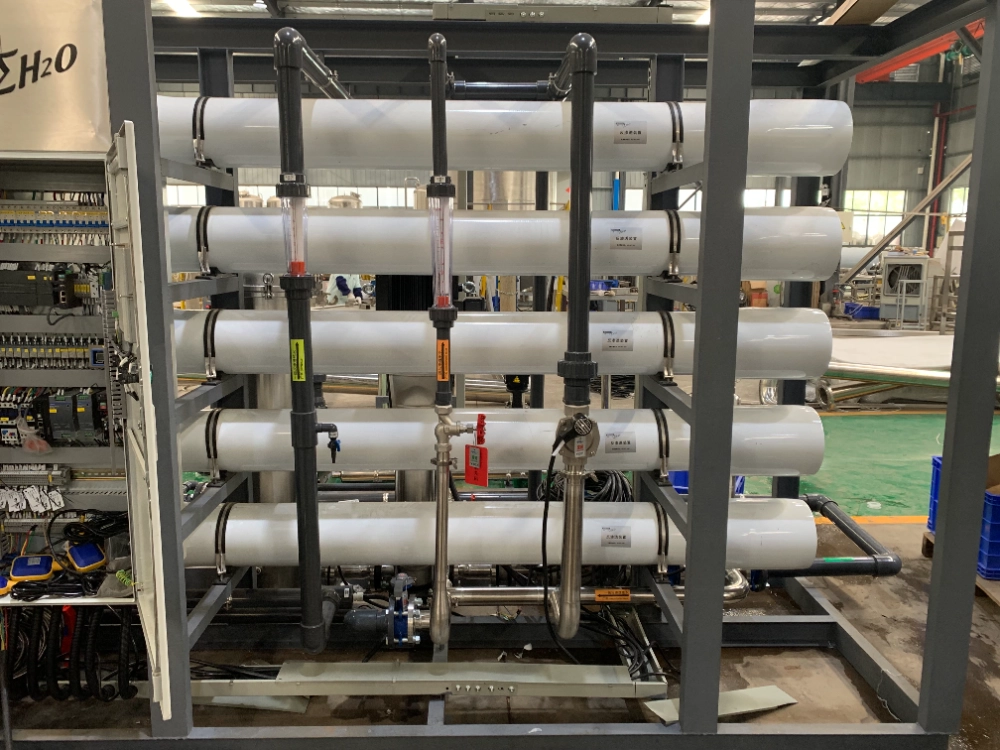
  • Pore size: 0.1–1.0 μm
  • Removes: Suspended solids, bacteria, some colloids
  • Applications: Pre-treatment, food and beverage industry

  • UF

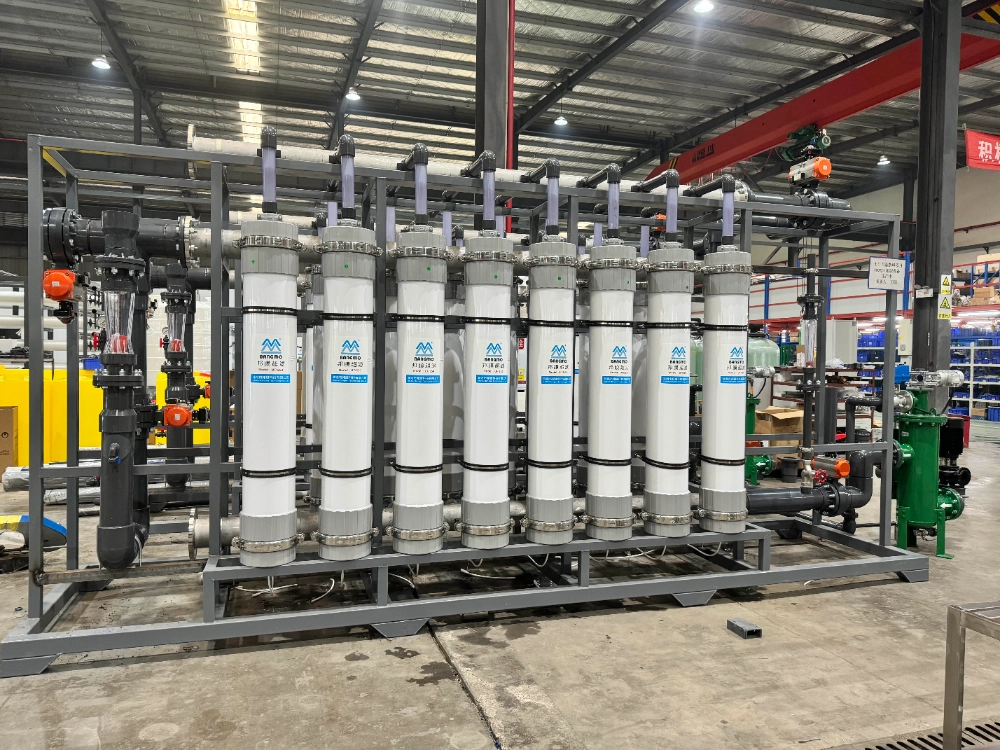
    Ultrafiltration (UF)

  • Pore size: 0.01–0.1 μm
  • Removes: Viruses, proteins, fine particles
  • Applications: Surface water purification, pharmaceutical processes

  • NF

    Nanofiltration (NF)

  • Pore size: 0.001–0.01 μm
  • Removes: Multivalent salts, heavy metals, organic matter
  • Applications: Softening, wastewater treatment, food industry

  • RO

    Reverse Osmosis (RO)

  • Pore size: <0.001 μm
  • Removes: Dissolved salts, ions, organic pollutants
  • Applications: Desalination, ultrapure water, industrial reuse

  • Advantages of Membrane Separation Technology

    • High efficiency: Removes 95–99% of contaminants.

    • Environmentally friendly: No need for large amounts of chemicals.

    • Scalable: Applicable to both small and large treatment plants.

    • Stable operation: Reliable water quality output.

    • Cost-effective: Reduced operational cost with modern energy-saving membranes.

    Conclusion

    With the growing demand for sustainable water solutions, membrane separation technology is expected to play an even greater role in the future. Innovations such as low-energy membranes, antifouling coatings, and hybrid treatment systems will further improve performance and reduce costs.

    Membrane separation technology is transforming water and wastewater treatment worldwide. Whether for drinking water, industrial reuse, or desalination, it offers a clean, efficient, and sustainable solution.

    Applications in Water and Wastewater Treatment

    Membrane separation technology is applied across multiple sectors:

    Drinking Water Treatment

    Produces safe, clean drinking water by removing pathogens and harmful substances.
    Industrial Wastewater Treatment

    Ensures compliance with discharge standards in industries such as chemicals, textiles, and food processing.
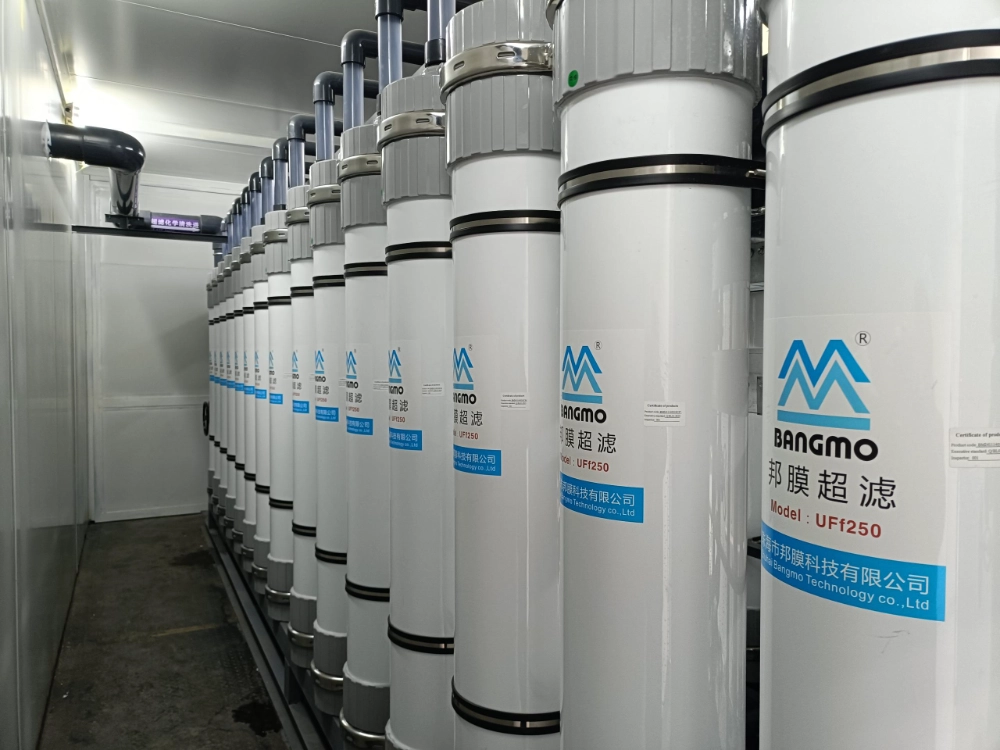
    Seawater and Brackish Water Desalination

    RO membranes provide fresh water from seawater, essential for coastal cities and islands.
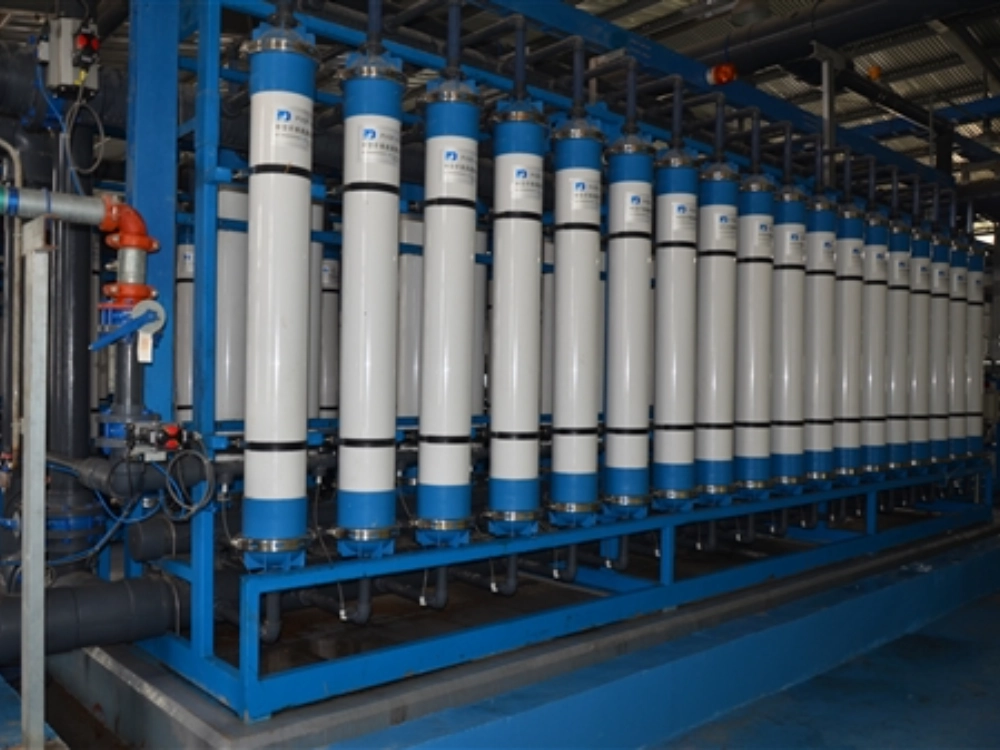
    Seawater Desalination

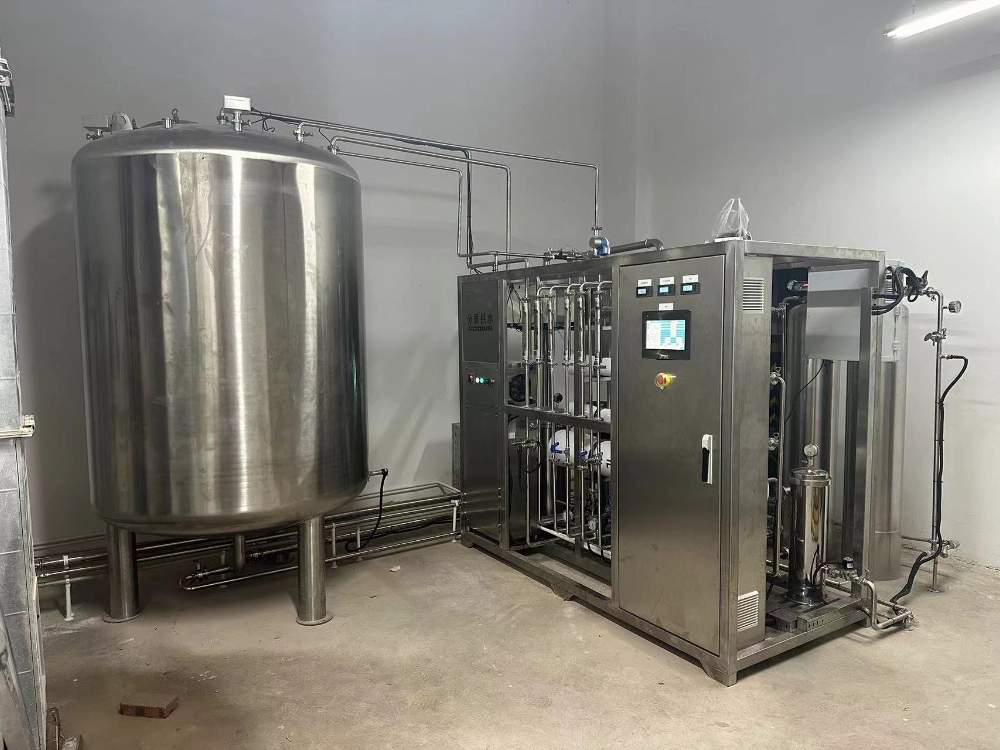
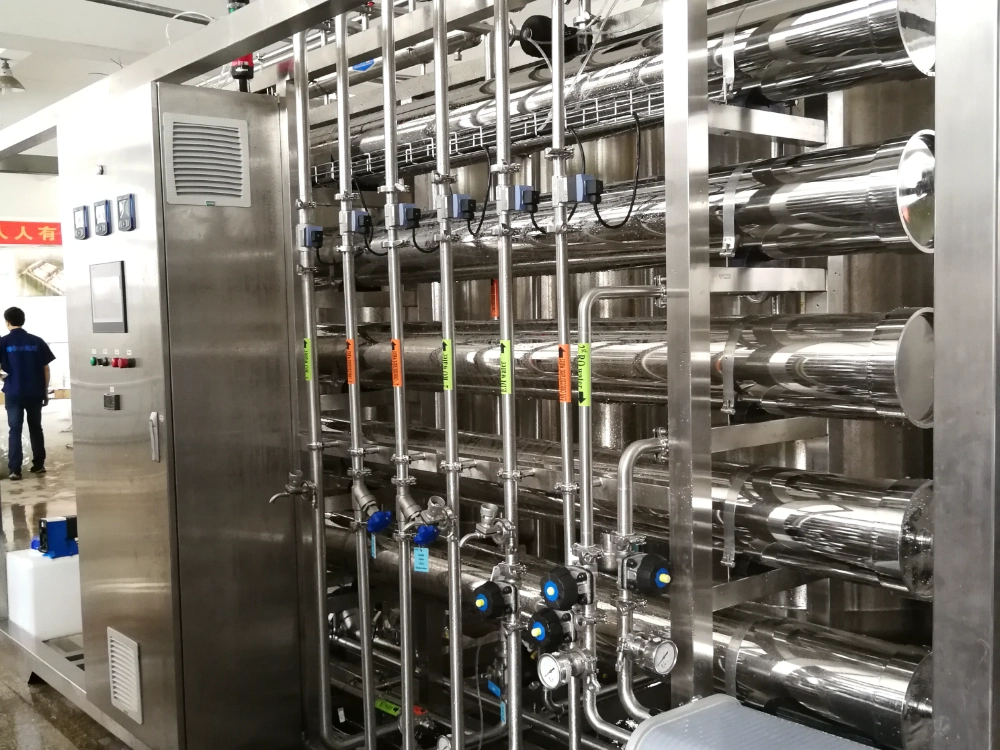
    Pharmaceutical and Medical Use

    UF and RO systems provide ultrapure water for laboratories, hospitals, and drug production.
    Food and Beverage Industry

    Used for concentration, separation, and purification of food ingredients.
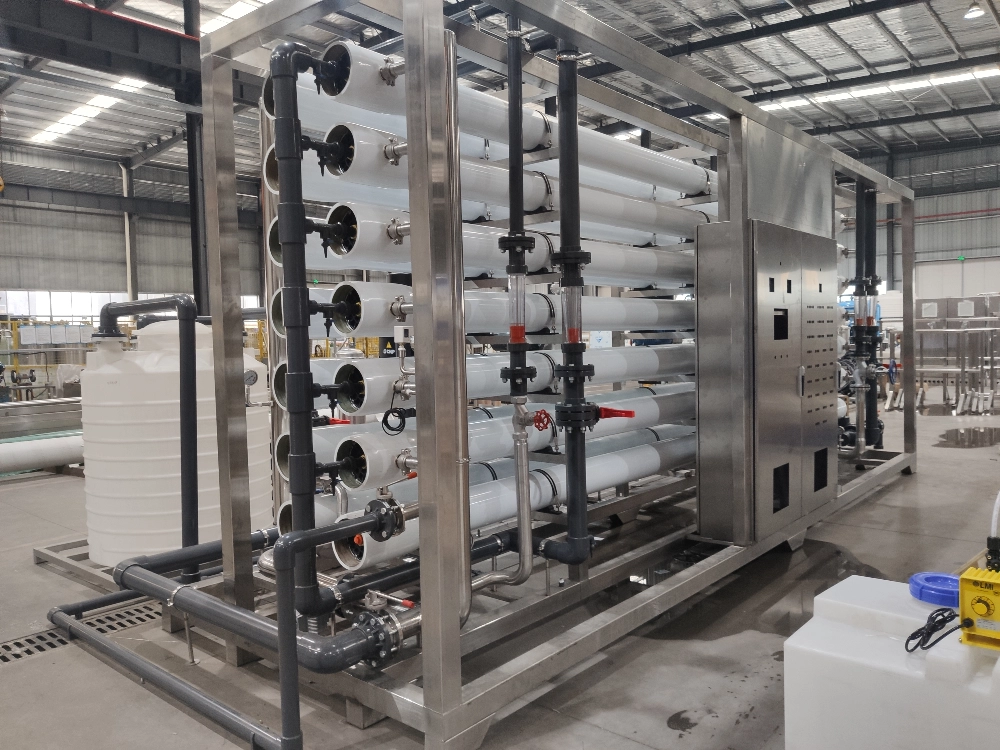
    food and beverage industry

    👉 Looking for a reliable membrane separation solution?

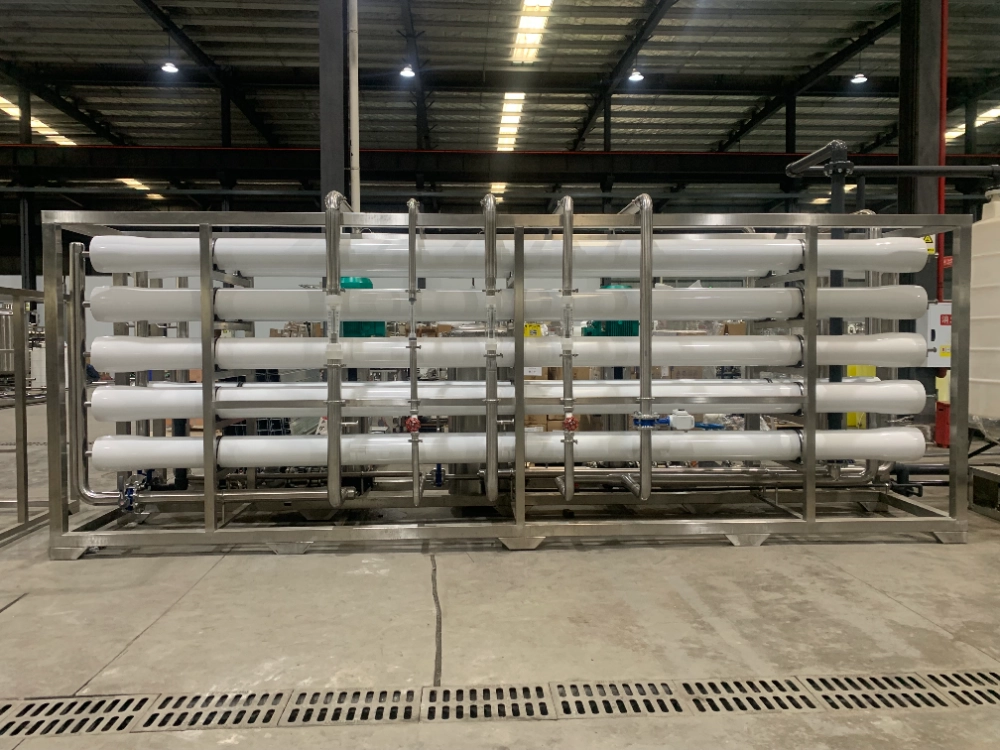
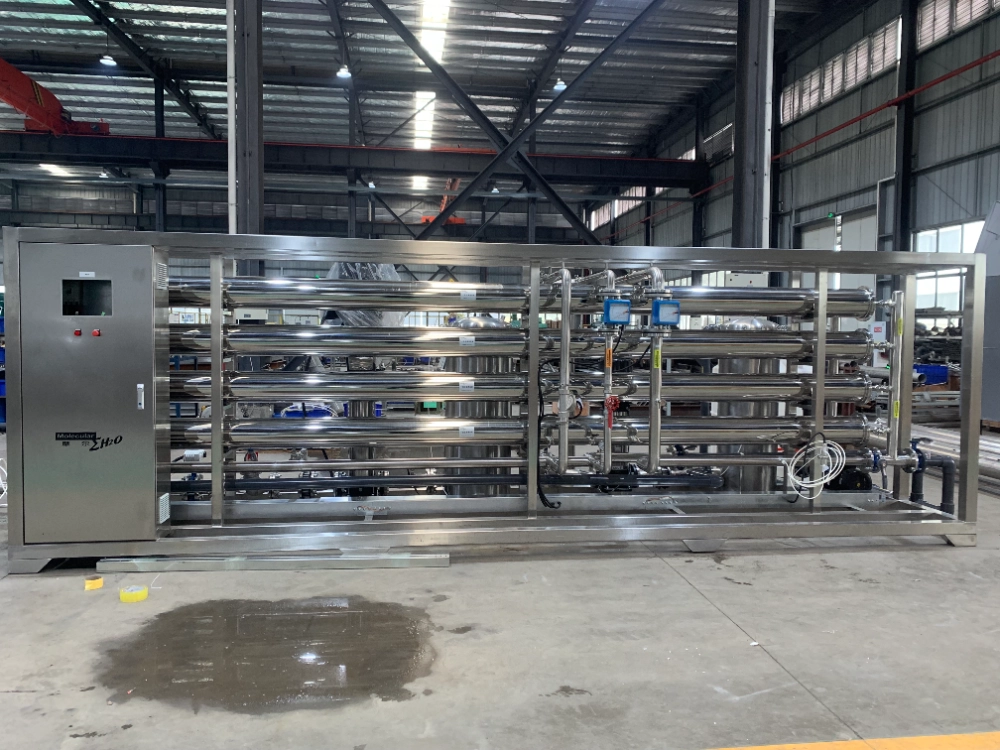
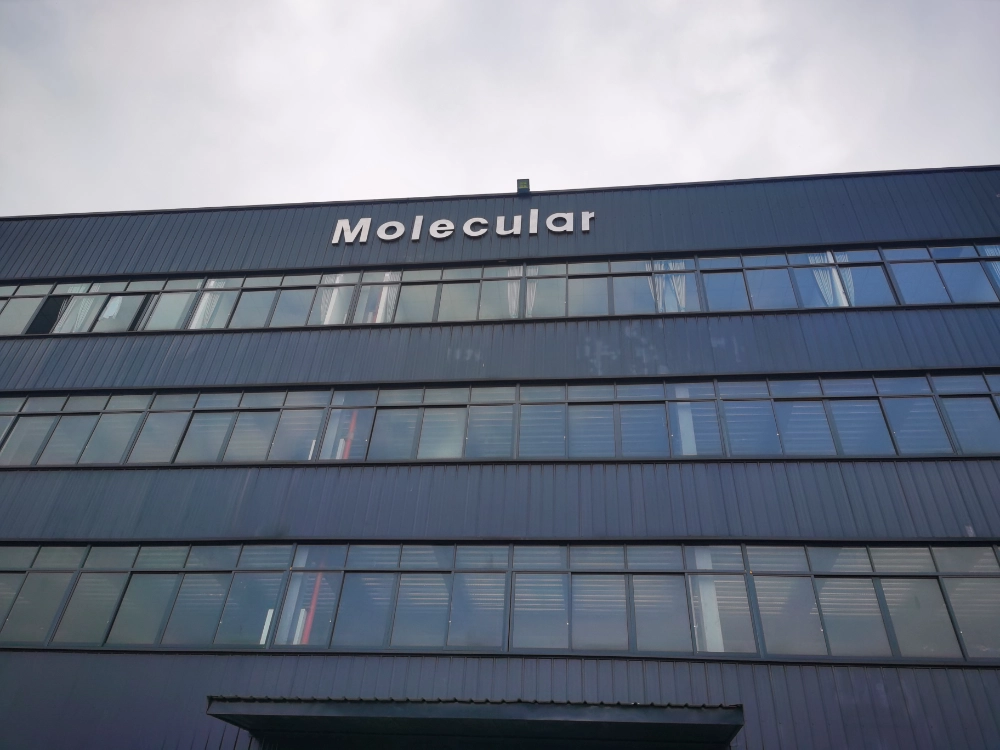
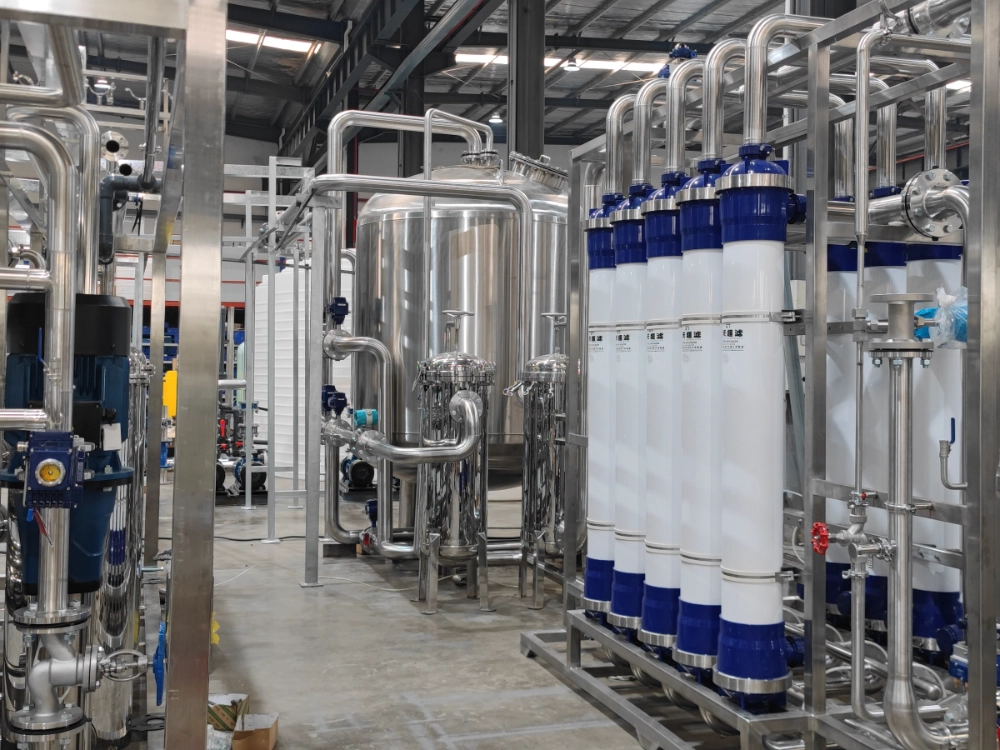
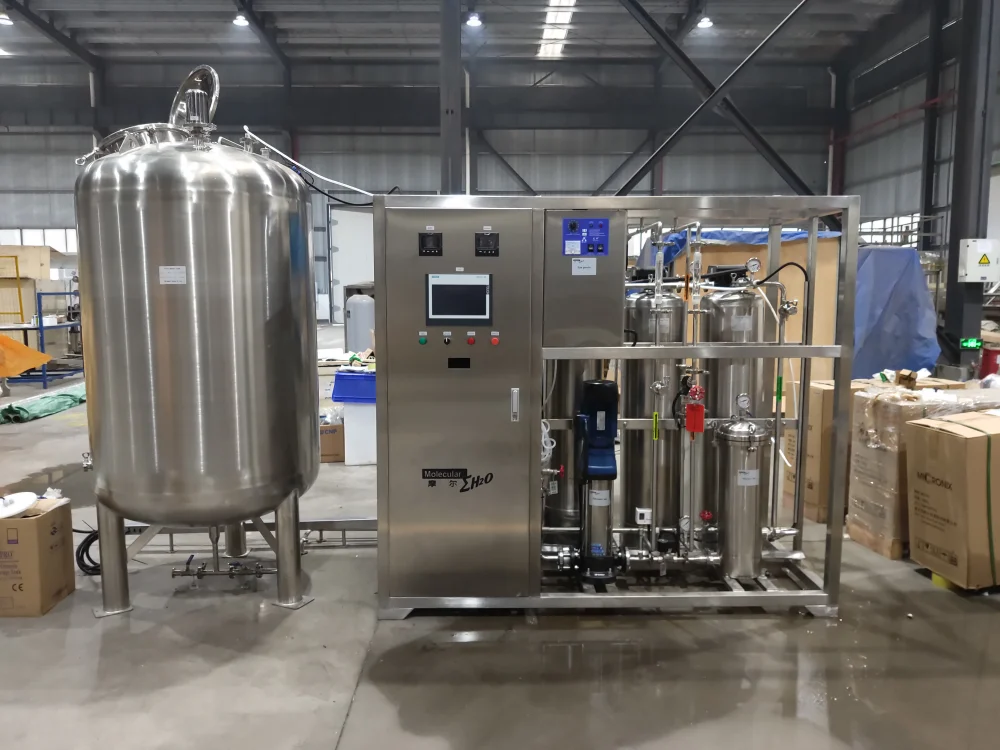
    factory picture
    Factory picture

    Molewater specializes in advanced RO, UF, NF, and MF systems for municipal, industrial, and medical applications. Contact us today to learn more about how our membrane separation technology can meet your water treatment needs.

    Frequently Asked Questions

    Because it provides high efficiency, stable water quality, and enables recycling and reuse, which are critical for sustainable development.

    Fouling occurs when particles or organic matter clog the membrane pores, reducing efficiency. Regular cleaning and proper pre-treatment help extend membrane life.

    Costs depend on system size and feed water quality, but membranes generally reduce chemical use and energy consumption compared to conventional methods.


    Not entirely. In many cases, membrane technology is combined with other processes (such as coagulation, sedimentation, or activated carbon) to achieve the best results.


    The choice depends on water source, contaminants, and quality requirements. For example, RO is best for desalination, while UF is suitable for surface water clarification.

    Get in touch with us

    Don’t let water quality issues stand in your way. MoerWater Purified Water Generator will help you solve all your water quality problems, improve operational efficiency, and ensure your product or experimental results are at the best level.

    Fill in the information on the right to get the catalog
    Fill in the information on the right to get the catalog

    *Our team will answer your inquiries within 24 hours.

    *Your information will be kept strictly confidential.


    Get A Quote

    *Our team will answer your inquiries within 12 hours.

    *Your information will be kept strictly confidential.