1. Главная
  2. »
  3. Boiler Feedwater Treatment

Boiler Feedwater Treatment Solutions for Industrial Boilers

Molewater provides turnkey boiler feedwater treatment systems tailored for power plants, chemical facilities and steel mills. Our solutions focus on scale prevention, corrosion control and steam quality — delivering higher heat-exchange efficiency and lower operating cost through integrated RO + EDI purification, smart controls and field service support.

What is Boiler Feedwater Treatment?

Boiler feedwater treatment is the set of physical, chemical and mechanical processes that prepare make-up and condensate water for safe and efficient boiler operation. The primary goals are to remove suspended solids and dissolved minerals, strip dissolved oxygen and other corrosive gases, and maintain the internal chemistry that prevents scale, corrosion and steam carryover.

Why Boiler Feedwater Treatment Matters for Power, Chemical & Steel Plants

  • Protect critical assets — scale and corrosion reduce heat-transfer efficiency and accelerate tube failures, causing costly downtime.

  • Improve energy efficiency — cleaner heat-transfer surfaces and proper water chemistry reduce fuel consumption.

  • Regulatory & steam-quality compliance — industrial boilers must meet precise feedwater specs to ensure product quality and safe operation (Mole complies with DL/T 805.4-2016 and GB/T 1576-2018). (Mole: your compliance statement)

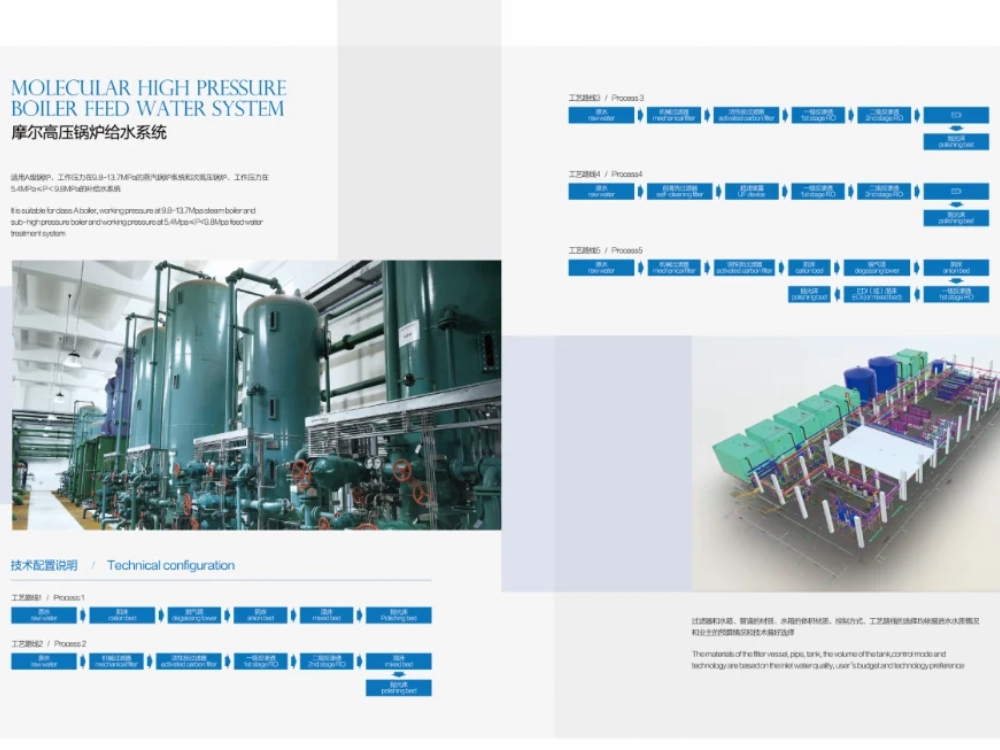
Our Boiler Feedwater Treatment Process (Mole) — Overview

Below is our default full-flow process for high-purity boiler feedwater. Each project is custom-sized — pre-treatment stages and polishing are adjusted to source water and boiler pressure class.

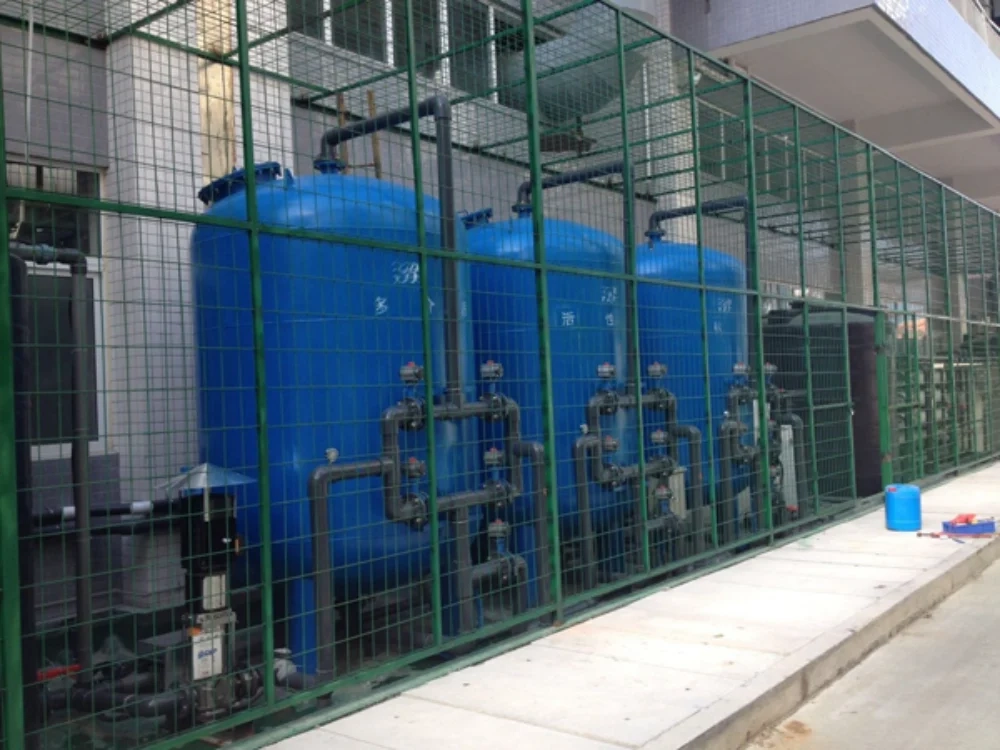
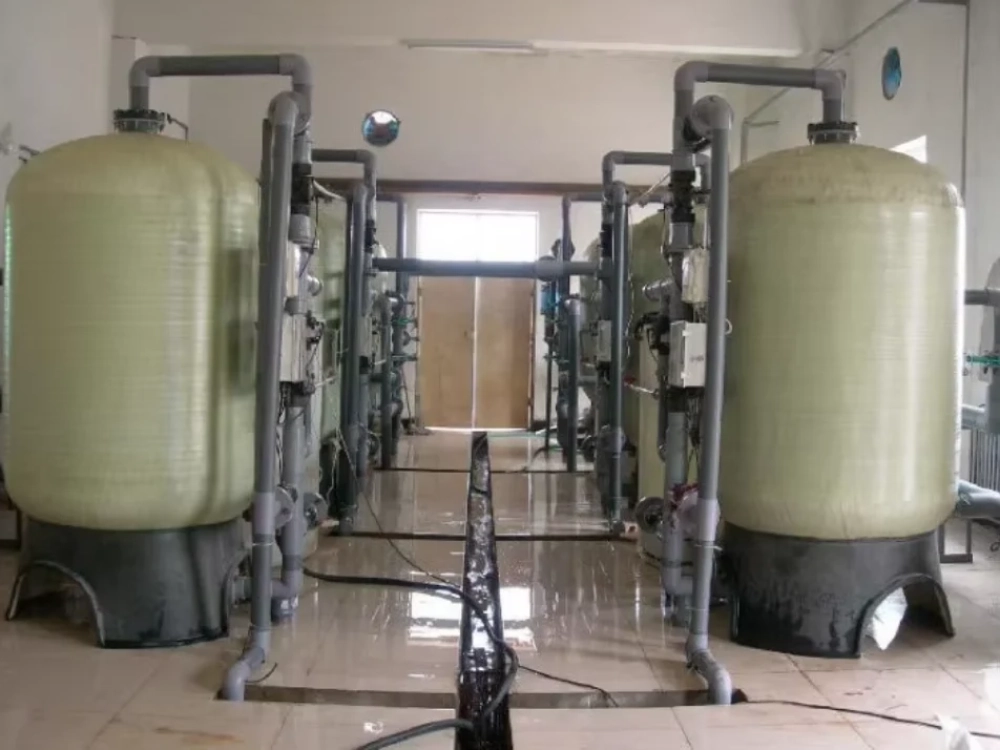
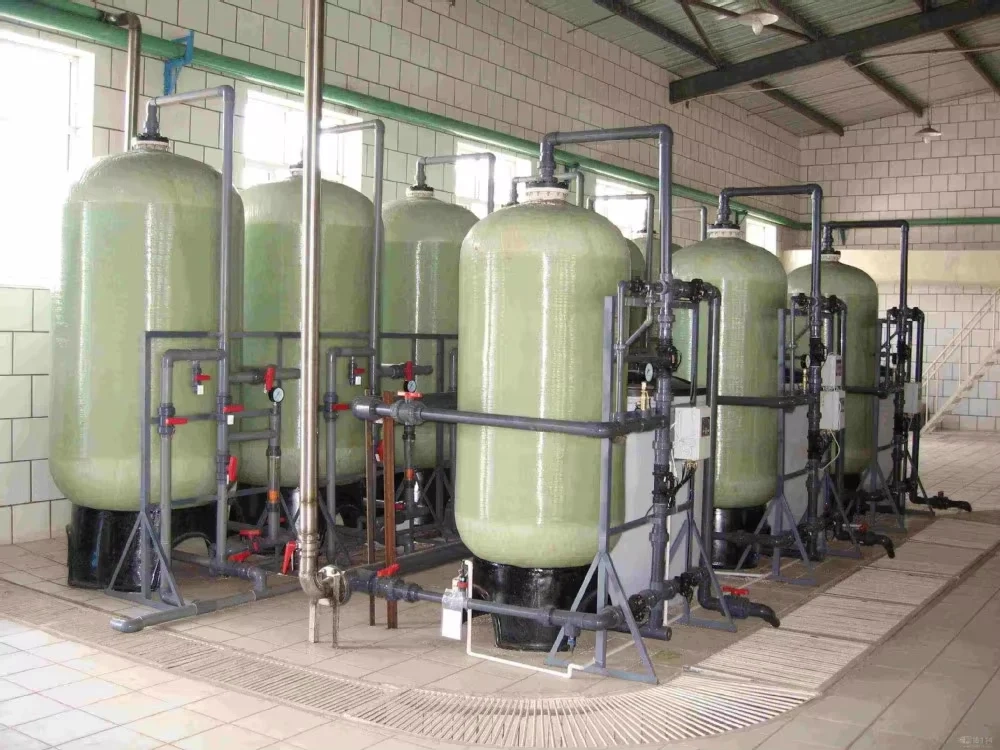
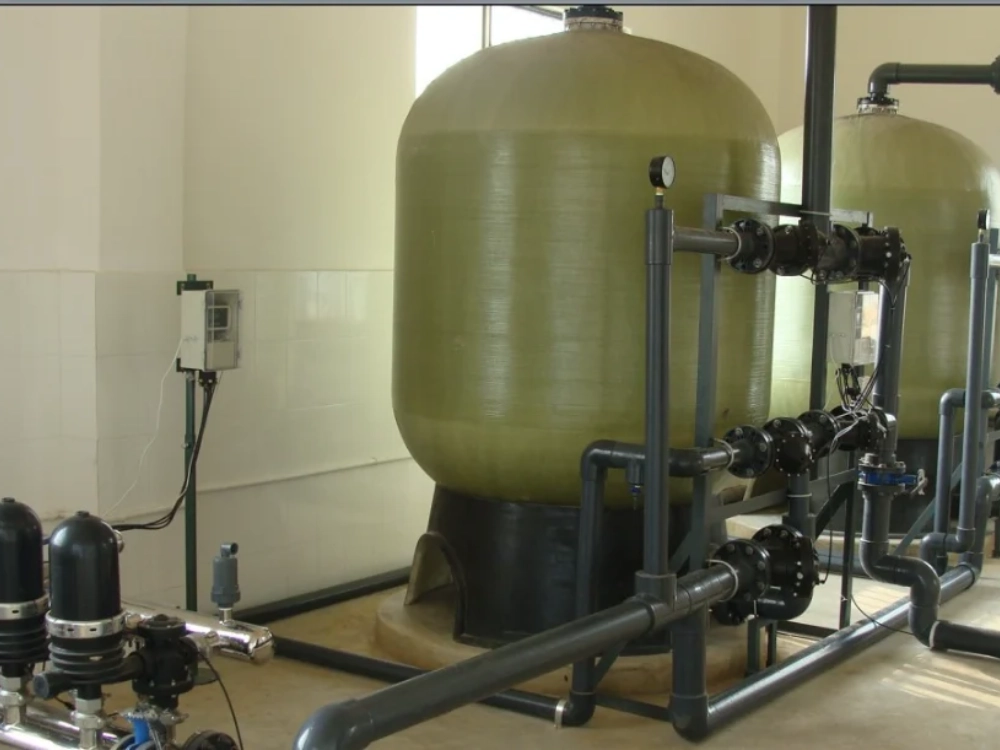
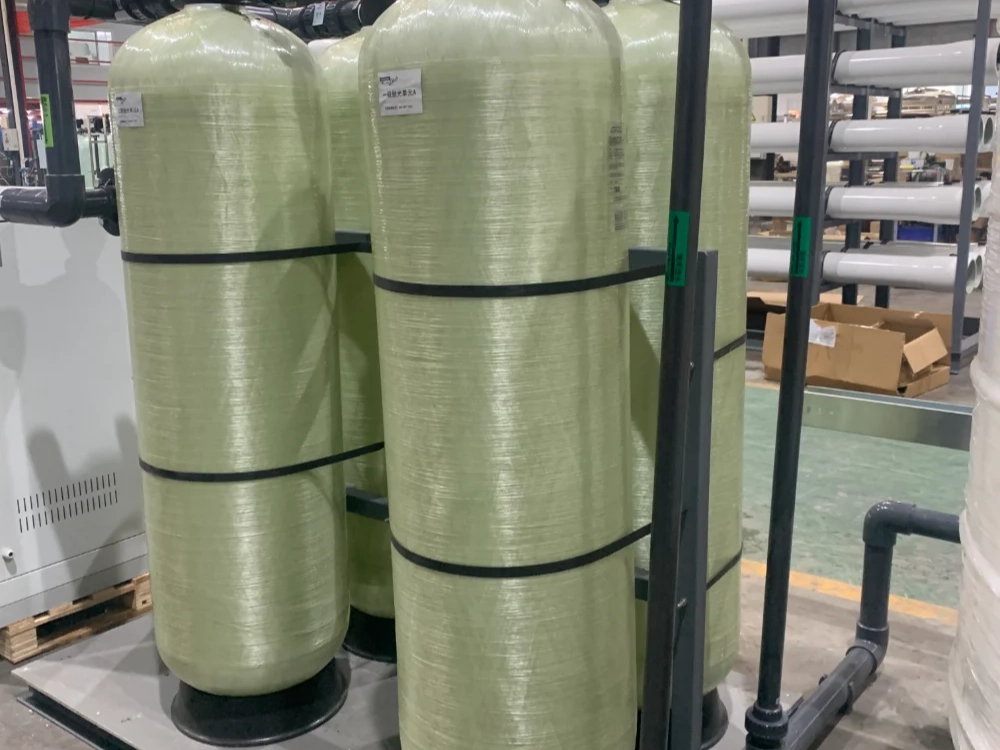
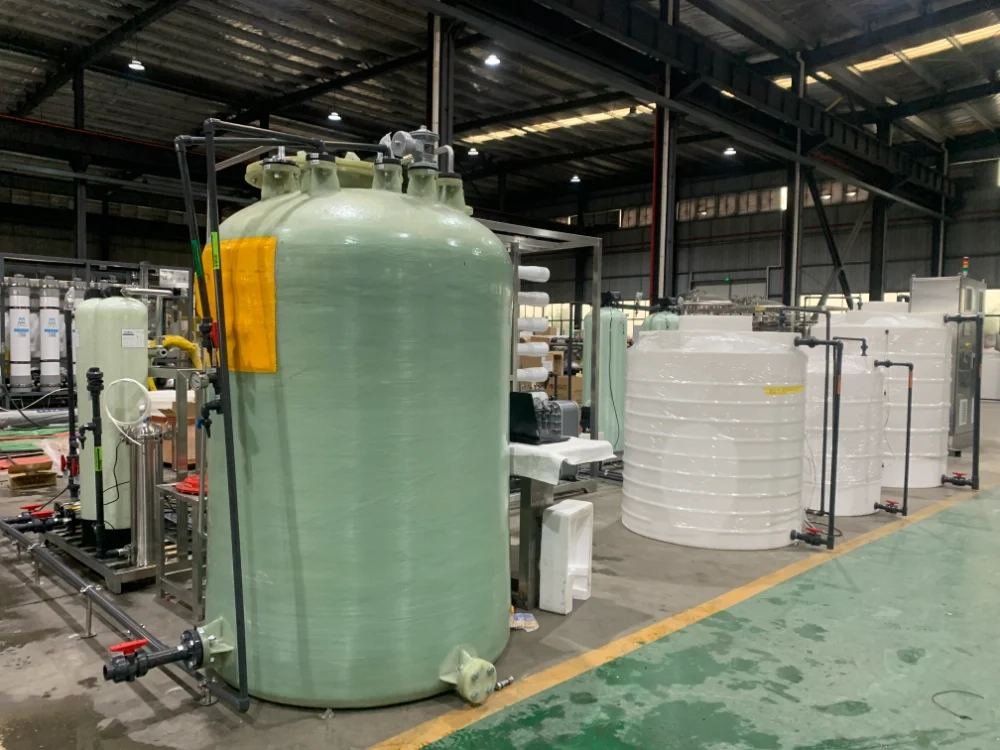
Pretreatment Module

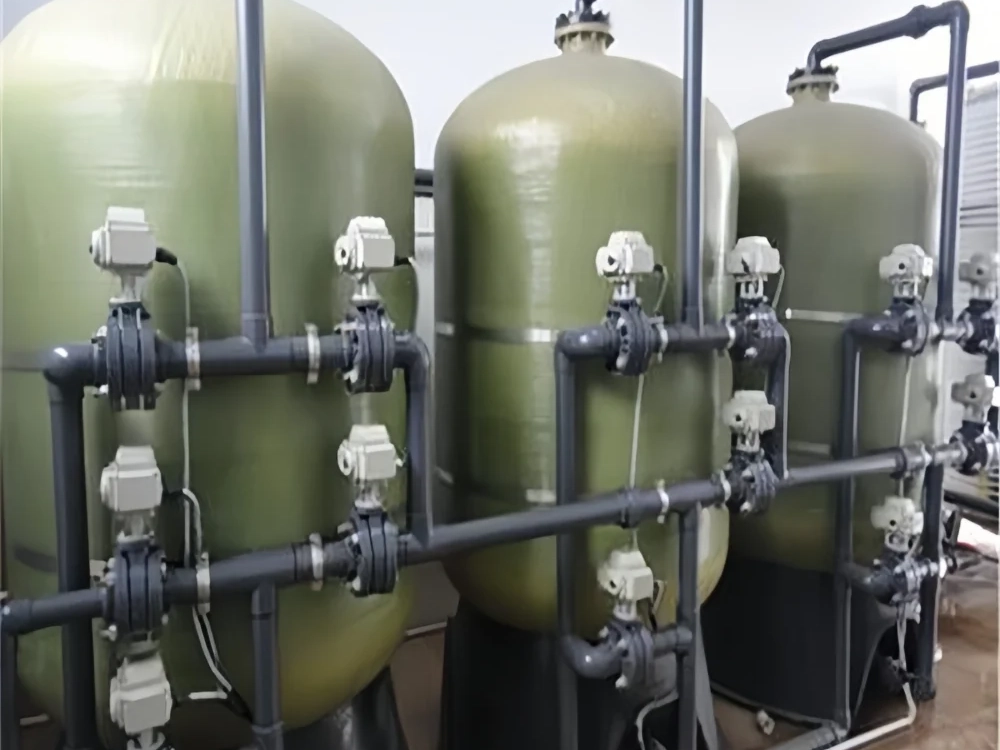
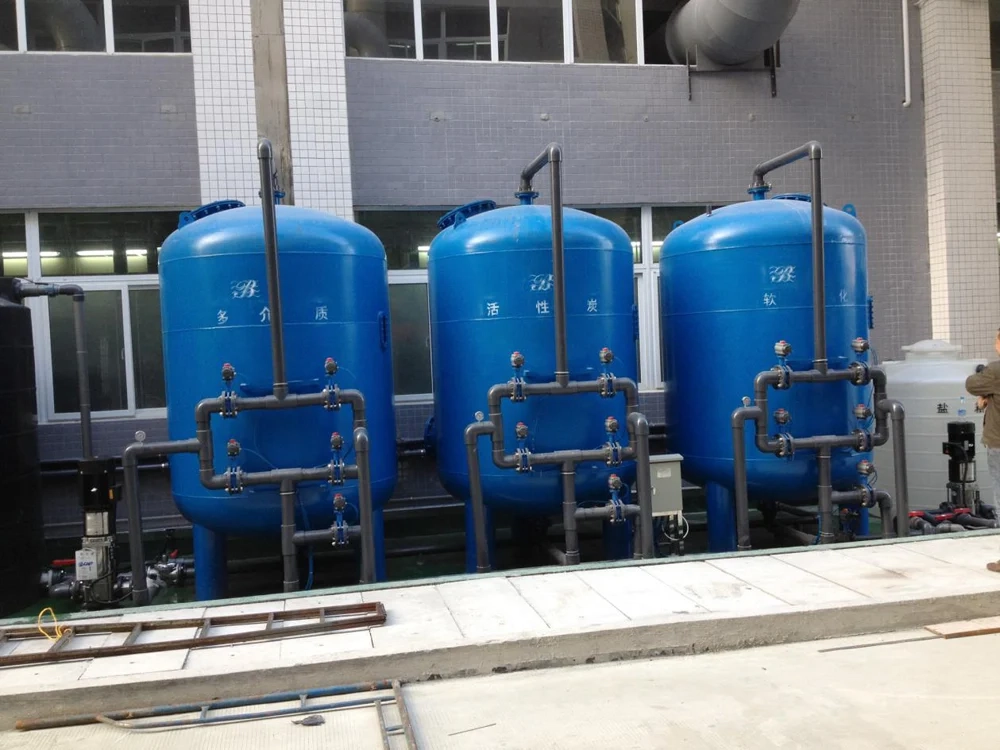
  • Multi-media filtration removes turbidity and suspended solids.

  • Activated carbon adsorption eliminates residual chlorine and organic compounds that harm membranes and catalyze corrosion.

  • Fully-automatic softening reduces hardness (Ca²⁺, Mg²⁺) ahead of RO to prevent scaling.


pretreatent module
Pretreatment Flow Diagram

👉 Common Feedwater Contaminants & Their Risks

Common raw water issues include scaling caused by high hardness, boiler tube blockage caused by excessive silica, accelerated corrosion caused by iron and copper ions, membrane element damage caused by residual chlorine, contamination caused by organic matter, and pitting caused by dissolved oxygen. The Mole system addresses these issues with multi-stage filtration, softening, deoxygenation, and desiliconization processes to ensure long-term water stability.

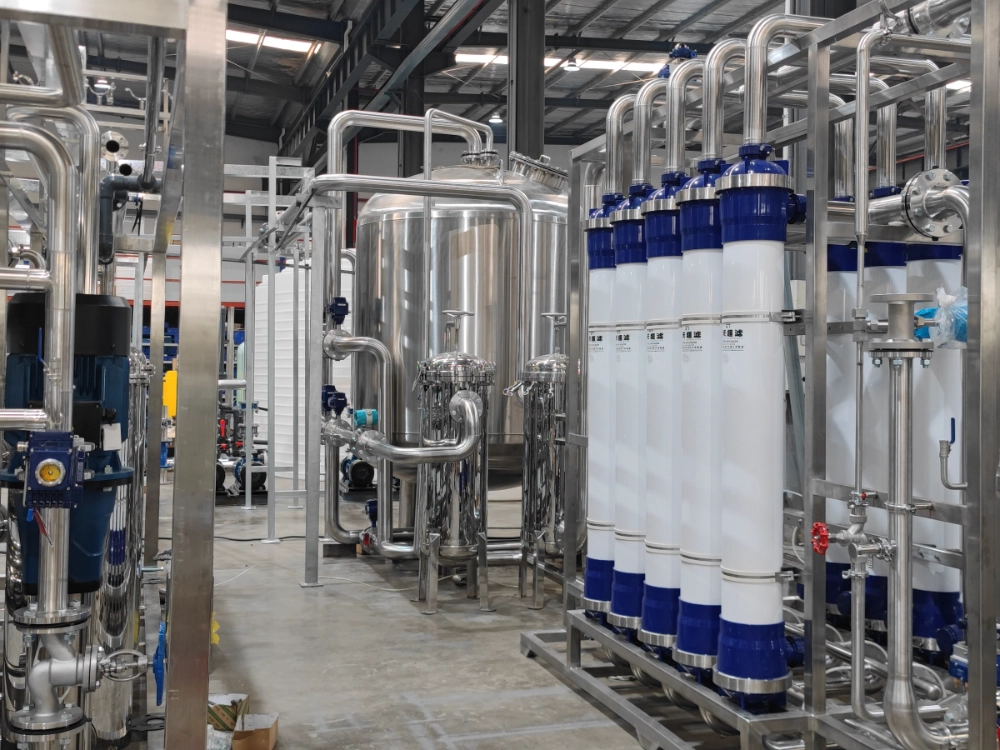
Core Desalination — RO + EDI Dual-Stage

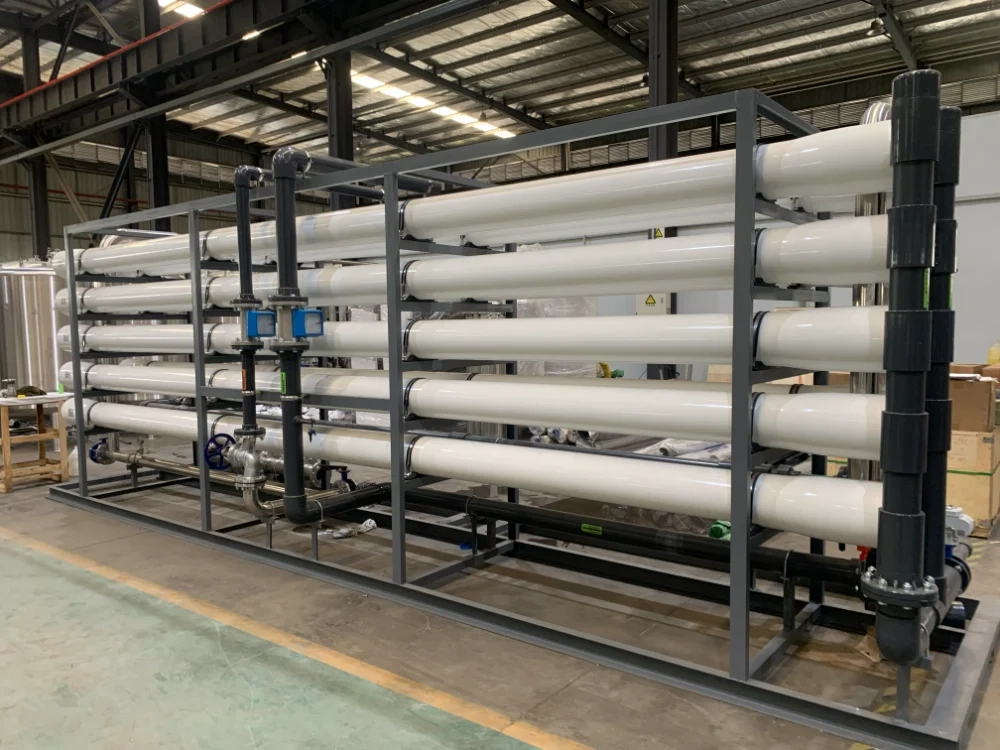
  • Reverse osmosis (single or double-pass depending on feed TDS) performs bulk reduction of dissolved solids.

  • Electrodeionization (EDI) polishes RO permeate to produce continuous high-purity water without chemical regeneration (avoids acid/caustic waste).

  • Benefits: continuous operation, lower chemical handling, stable resistivity for high-pressure

desalination-ro+edi
RO + EDI Skid Diagram

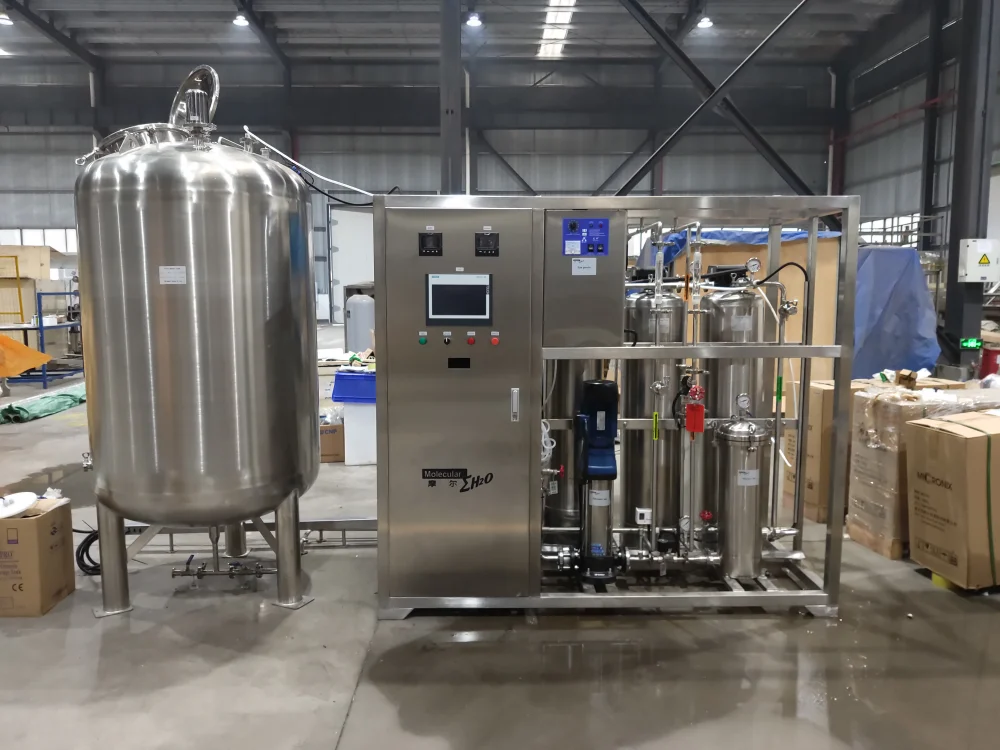
Polishing & Deaeration

  • For ultra-high purity or critical cases we add mixed-bed resin polishing to reach target resistivity (e.g., 18.25 MΩ·cm).

  • Deaerator removes dissolved oxygen and CO₂; residual oxygen scavengers may be dosed as needed to protect boiler metallurgy.

polishing deaeration
Deaerator / Mixed Bed Stack

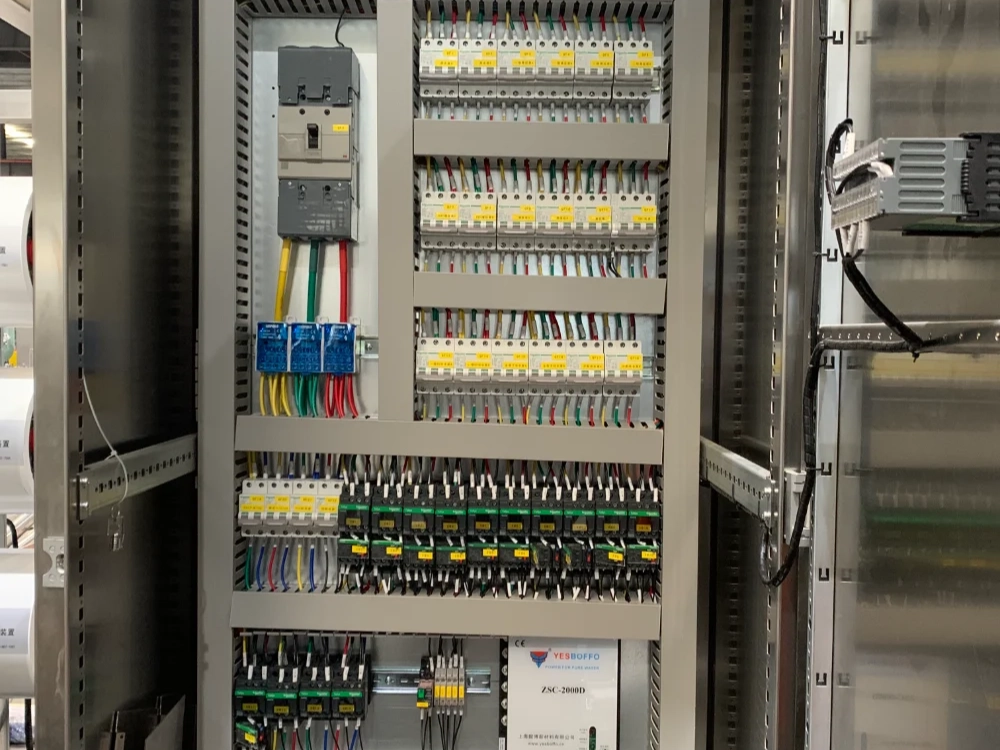
Smart Control & Monitoring

  • PLC-based control with online sensors for pH, conductivity/TDS, dissolved oxygen, hardness, and resistivity.

  • Automated backwash/regeneration and alarmed thresholds ensure reliable unattended operation.

Control Screen / Trends

Performance Targets & Compliance

  • Target resistivity: up to 18.25 MΩ·cm after polishing (per Mole design).

  • Dissolved Oxygen: controlled by deaeration + scavengers to minimize corrosion risk.

  • Standards: Designed to meet DL/T 805.4-2016 and GB/T 1576-2018 where applicable. (Mole will supply project-specific guaranteed values in the proposal.)

Recommended Boiler Feedwater Quality Parameters
Boiler TypeHardness (mg/L as CaCO₃)Silica (mg/L)Dissolved Oxygen (µg/L)Conductivity (µS/cm)
Low Pressure (<2.5MPa)≤0.03≤150≤20≤25
Medium Pressure (2.5–9.8MPa)≤0.01≤100≤10≤10
High Pressure (≥9.8MPa)≤0.01≤20≤7≤5
Technical Specifications Table
Boiler PressureHardness (mg/L as CaCO₃)Silica (mg/L)Dissolved Oxygen (µg/L)Conductivity (µS/cm)
Low Pressure (<2.5 MPa)≤0.03≤150≤20≤25
Medium Pressure (2.5–9.8 MPa)≤0.01≤100≤10≤10
High Pressure (≥9.8 MPa)≤0.01≤20≤7≤5

Notes (optional):

  • These values are based on industry standards DL/T 805.4-2016 and GB/T 1576-2018.

  • Mole’s systems are designed to meet or exceed these water quality specifications to ensure optimal boiler performance.

Applications

Power Plants

make-up water for subcritical & supercritical boilers, condensate recovery loops.
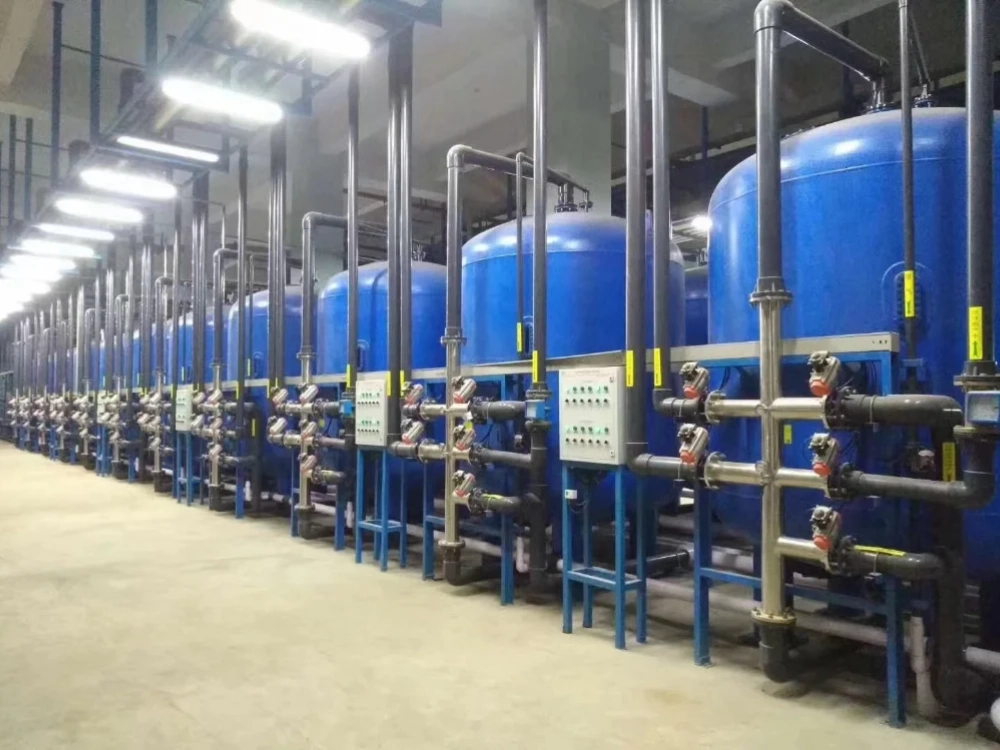
power plants

Chemical Industry

reactor steam supply and thermal oil boiler make-up.
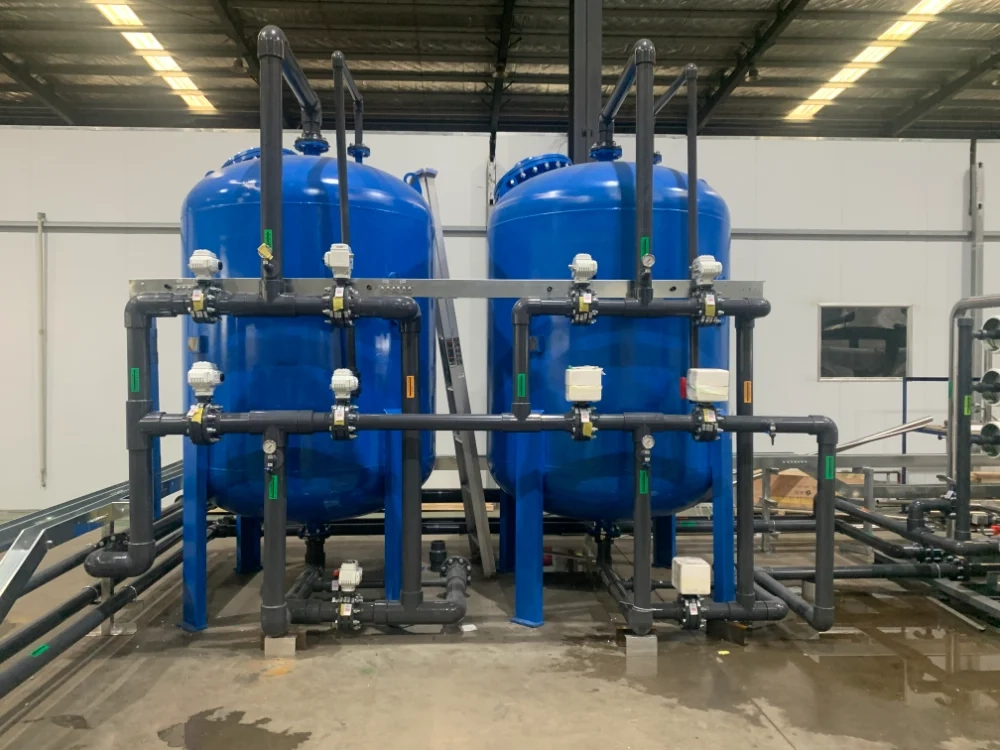
chemical industrial

Steel Plants

waste heat boilers and reheating furnace feedwater purification.
Why Choose Mole Water Treatment

Treatment MethodRegeneration MethodChemical ConsumptionOperating CostEnvironmental Impact
Traditional Ion ExchangeAcid / Alkali RegenerationHighHighProduces acid/alkali waste
RO + Mixed BedChemical RegenerationMediumMediumComplex waste disposal
RO + EDI (Mole)Continuous Electrical RegenerationNoneLowZero chemical discharge
why choosen mole water treatment
  • Tailored design — on-site water analysis and custom process selection.

  • Advanced core technology — RO + EDI to minimize chemical regeneration waste.

  • Service & reliability — 3-year warranty on core equipment; 24/7 emergency operations team with ≤2-hour response.

  • Performance-focused — proven reductions in scaling and corrosion, improved heat-exchange efficiency, and lower annual OPEX.

Frequently Asked Questions

A1: That depends on your boiler’s pressure class, incoming water quality (TDS, hardness, dissolved oxygen), and steam purity requirements. For many industrial boilers, a combination of pretreatment (filtration, softening), RO + EDI polishing, and deaeration offers a reliable, continuous, and low-waste approach. Mole designs the system based on actual raw water test results.

A2: Yes—RO + EDI is increasingly used as an alternative. EDI allows polishing of RO permeate continuously without using strong acids and alkalis for regeneration, meaning lower chemical handling, less waste, and often lower operating cost over time. However, in some ultra-high-purity or fluctuating feedwater quality situations, mixed beds may still be needed as a backup or for very high demands.

A3: Typical targets often include:

  • Water resistivity after polishing: up to 18.25 MΩ·cm

  • Dissolved oxygen: kept very low via deaeration and oxygen scavengers

  • Hardness: minimal (after pretreatment/softening) to prevent scaling

  • Compliance with relevant industry standards (in China: DL/T 805.4-2016, GB/T 1576-2018)
    Mole guarantees the exact figures in proposals based on the boiler pressure, steam quality, and feedwater baseline.

A4: Regular maintenance is crucial for reliable operation. Key points include:

  • Cleaning / backwashing of pretreatment filters periodically (frequency depends on raw water turbidity).

  • RO membrane inspection & cleaning (or replacement) when flux drops or differential pressure rises.

  • EDI stack monitoring.

  • Calibration of sensors (pH, conductivity, dissolved oxygen, etc.).

  • Deaerator check & possible oxygen scavenger dosing.
    Mole offers full maintenance contracts to handle this proactively.

A5: Savings come from multiple sources:

  • Reduced fuel / energy costs due to cleaner heat transfer surfaces.

  • Lower chemical consumption (acid/alkali / oxygen scavengers).

  • Fewer unscheduled shutdowns and less wear/corrosion on tubes and boilers.

  • Longer equipment life and less frequent repairs.
    Depending on scale, raw water quality, and current inefficiencies, payback periods can range from 1 to 3 years after installation.

A6: Mole’s systems are designed from the ground up to meet both international best practices and local Chinese standards. For boiler feedwater, we align with DL/T 805.4-2016 , GB/T 1576-2018  and any client-specific or industry-specific requirements. We deliver test reports, water quality certificates, and performance warranties as part of our proposals.

A7: Absolutely. Mole’s design begins with full water quality analysis. For very hard / high TDS water we size pretreatment robustly (strong softening, sufficient filtration), possibly double-pass RO, and ensure EDI or polishing stages are adequate. In extreme cases, additional pre-RO conditioning might be needed. All designed so that downstream equipment (membranes, EDI stacks) are protected and lifetime maximized.

A8: The lead time depends on system size, jurisdiction, and permitting, but generally:

  • Design & raw water analysis: 1–2 weeks

  • Fabrication & equipment procurement: 4–8 weeks depending on scale

  • Installation & commissioning: 1–2 weeks on-site + start-up adjustments
    Mole commits to minimizing downtime and works closely with client teams to ensure smooth integration.

Get in touch with us

Don’t let water quality issues stand in your way. MoerWater Purified Water Generator will help you solve all your water quality problems, improve operational efficiency, and ensure your product or experimental results are at the best level.

get in touch with us
Fill in the information on the right to get the catalog

*Our team will answer your inquiries within 24 hours.

*Your information will be kept strictly confidential.


Get A Quote

*Our team will answer your inquiries within 12 hours.

*Your information will be kept strictly confidential.