- Accueil
- »
- Ultrafiltration (UF) Systems
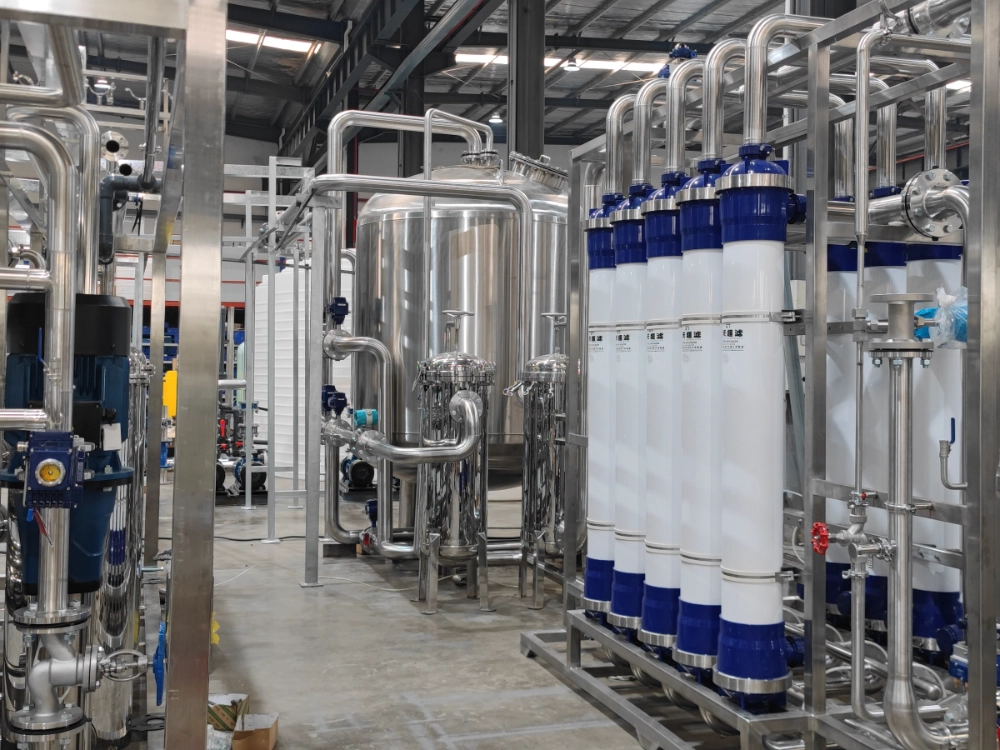
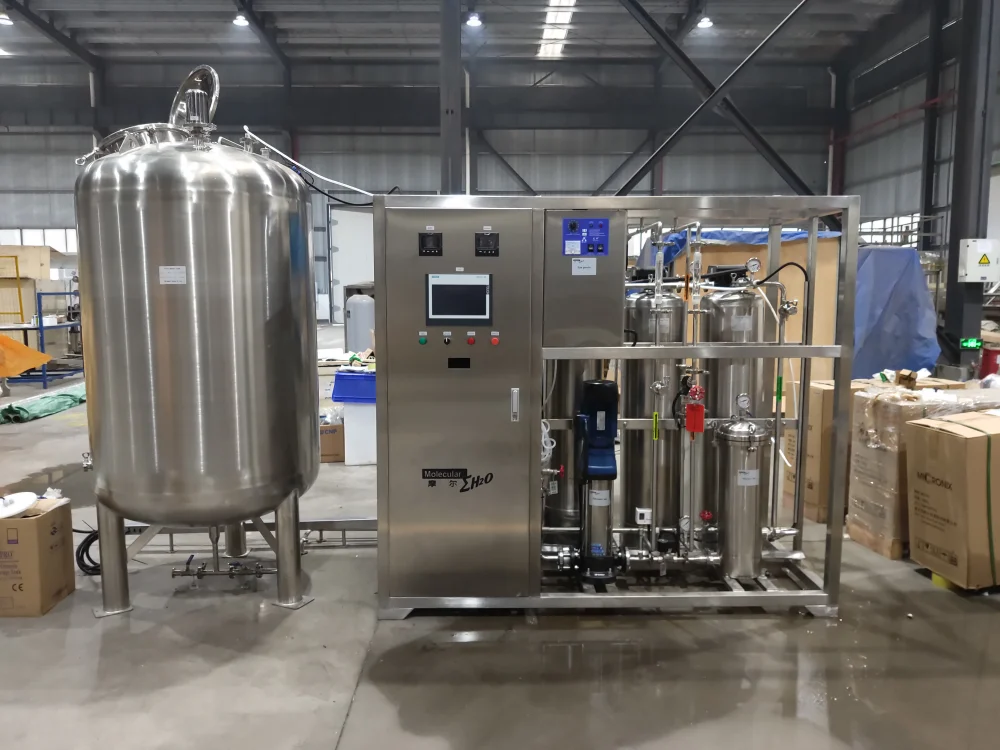
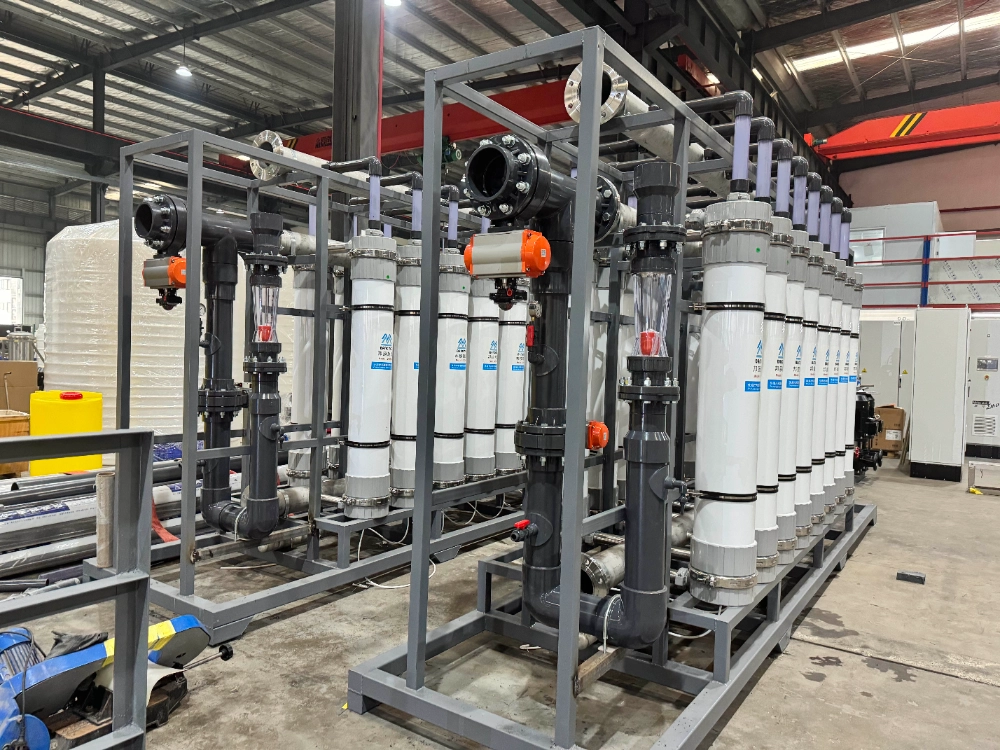
Ultrafiltration (UF) System Overview
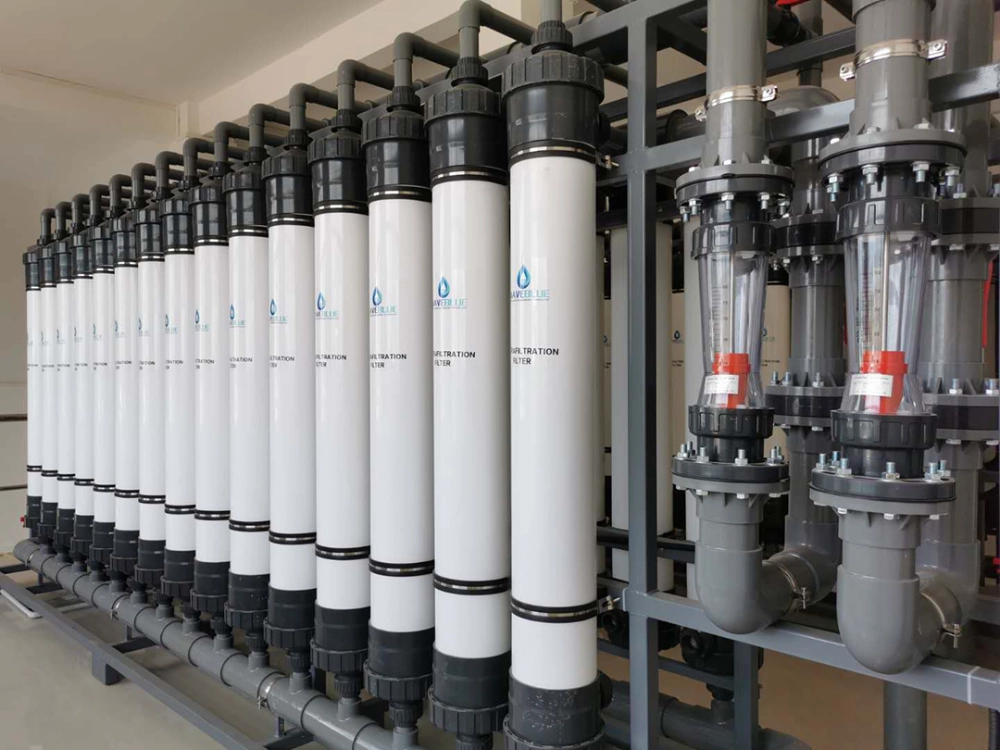
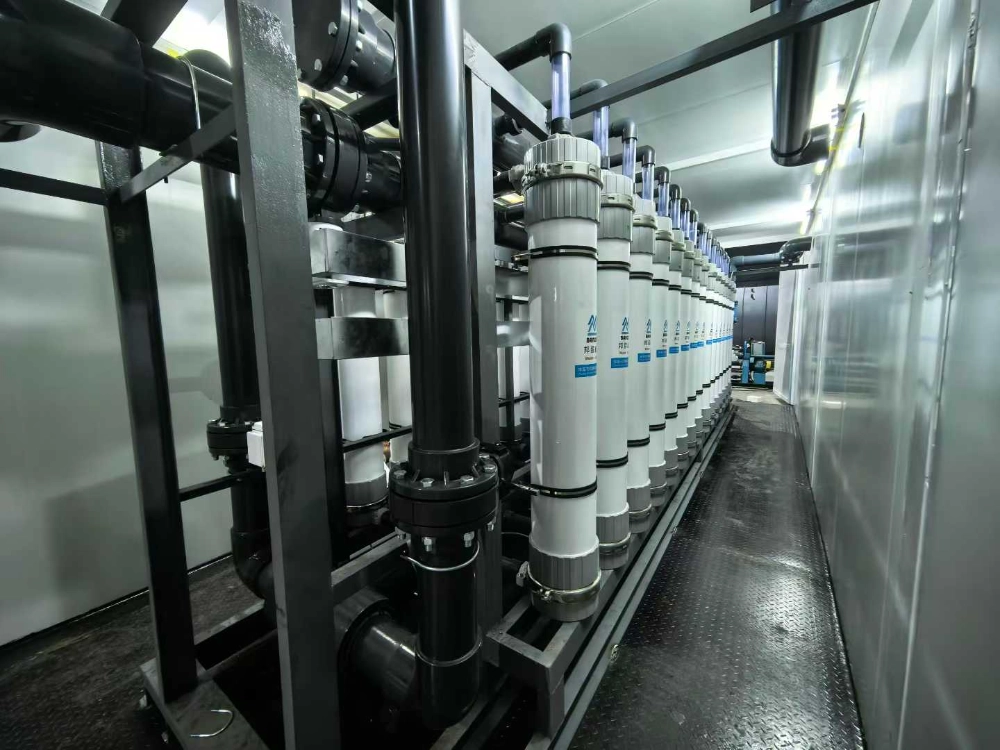
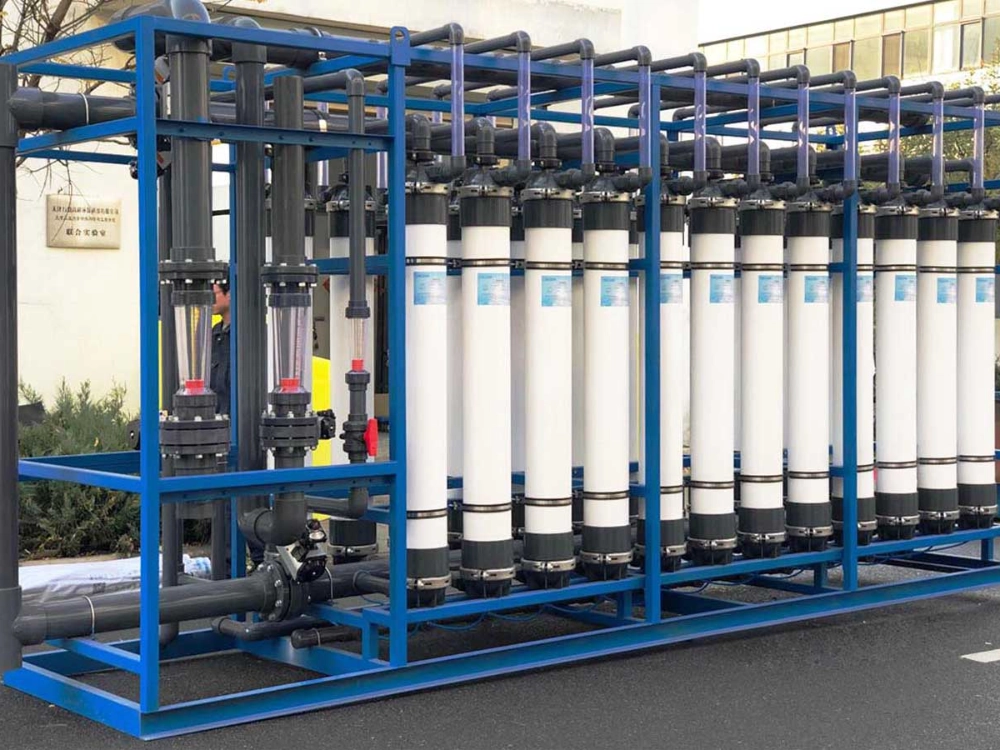
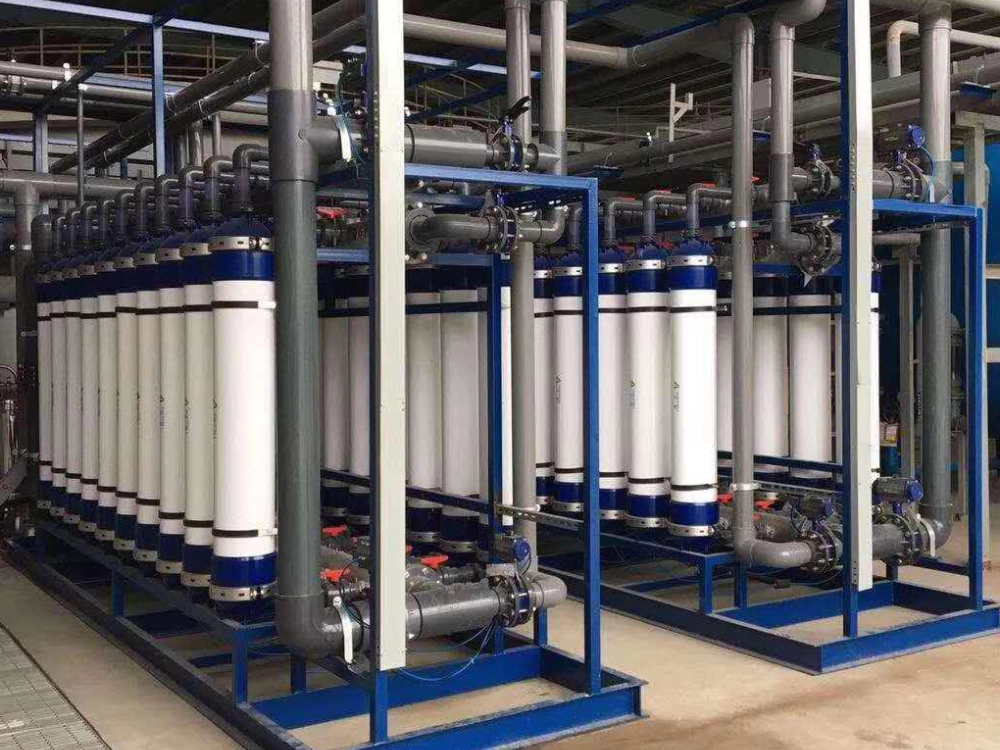
Ultrafiltration (UF) is a cutting-edge membrane filtration technology that removes suspended solids, bacteria, viruses, colloids, and high molecular weight substances from water. UF membranes have pore sizes typically ranging from 0.01 to 0.1 microns, allowing water to pass while blocking contaminants.
How does UF Systems Work ?
Pre-Treatment of Water
Water passes through a pre-filter to remove larger particles and protect the UF membranes.Pressure-Driven Filtration
Under pressure, water flows through the UF membrane. Clean water passes through, while impurities are retained.Backwash and Cleaning
Regular backwashing and chemical cleaning maintain membrane flux and extend lifespan.
Types of UF Membranes
| Membrane Type | Pore Size | Application | Advantages |
|---|---|---|---|
| Hollow Fiber | 0.01–0.1 µm | Industrial & residential water | High surface area, self-cleaning |
| Flat Sheet | 0.02–0.1 µm | Laboratory & specialty water | Easy maintenance, modular |
| Spiral Wound | 0.02–0.1 µm | Large-scale industrial water | High packing density, low footprint |
Advantages of UF Systems
High Contaminant Removal – Removes particles, bacteria, and viruses down to the micron level.
Energy Efficient – Lower energy consumption compared to RO systems, minimal chemical use.
Versatile Applications – Suitable for drinking water, industrial process water, and wastewater reuse.
Easy Maintenance – Modular design allows quick inspection and membrane replacement.
UF System Selection Guide
Step 1: Analyze Water Source
Check turbidity, microbial content, and chemical composition.
Step 2: Determine Flow Rate
Calculate water demand to select proper membrane capacity.
Step 3: Consider Application
Industrial, residential, or wastewater reuse – different UF designs suit different needs.
Step 4: Evaluate Maintenance & Operating Costs
Factor in cleaning frequency, membrane lifespan, and energy consumption.
Step 5: Choose Membrane Type
Select hollow fiber, flat sheet, or spiral wound based on space, flow, and maintenance preferences.
Applications of UF Systems
Drinking Water Treatment
Safe, clean water for households and municipalities.
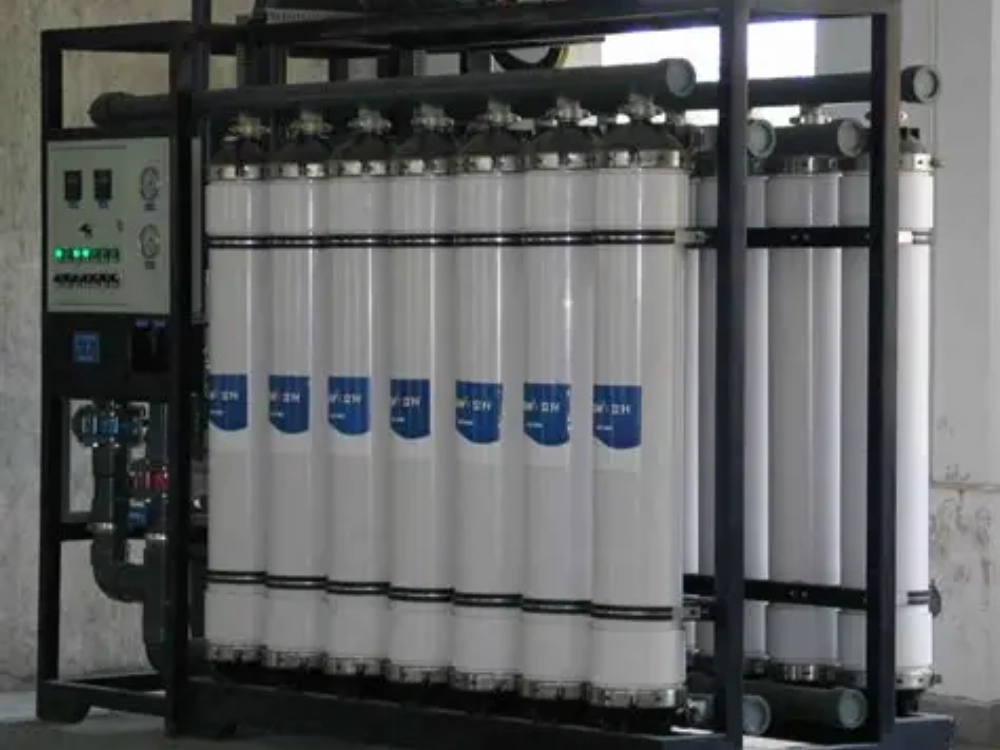
Industrial Process Water
Ensures high-quality water for manufacturing, pharmaceuticals, and electronics.
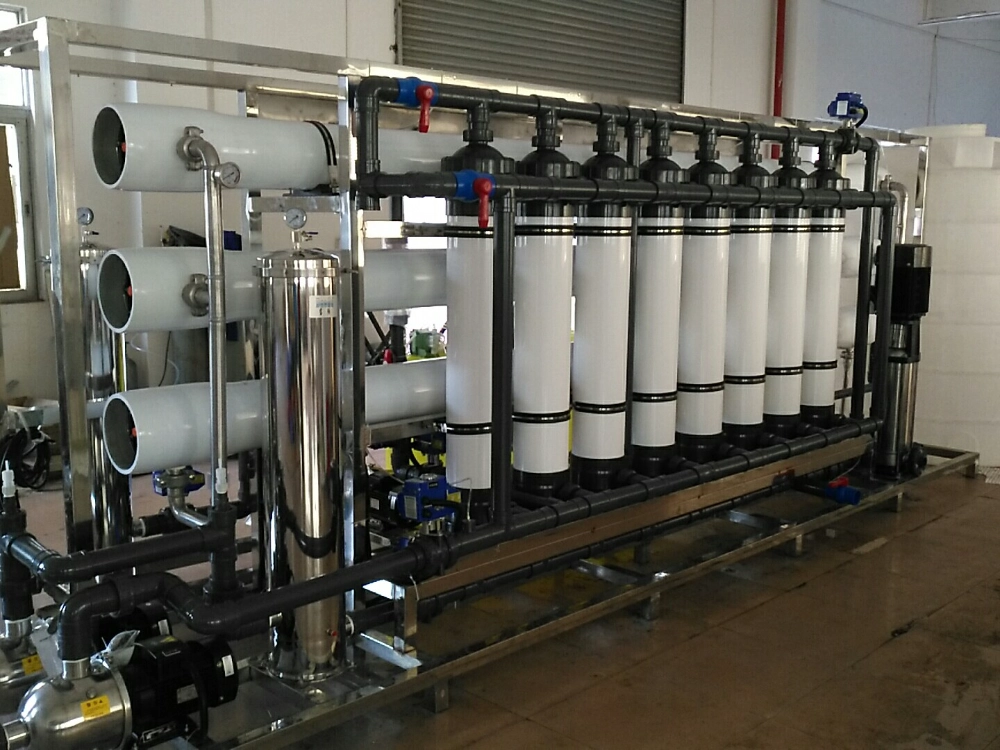
Wastewater Reuse
Recycles water efficiently, reducing environmental impact.
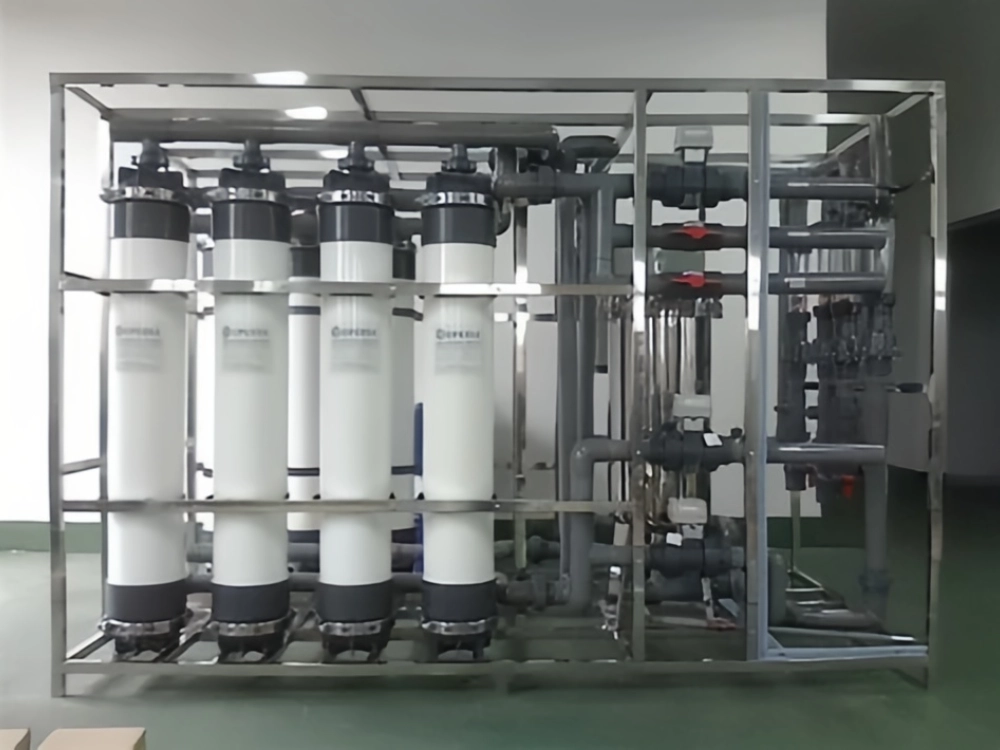
Food & Beverage Industry
Protects product quality by removing contaminants.
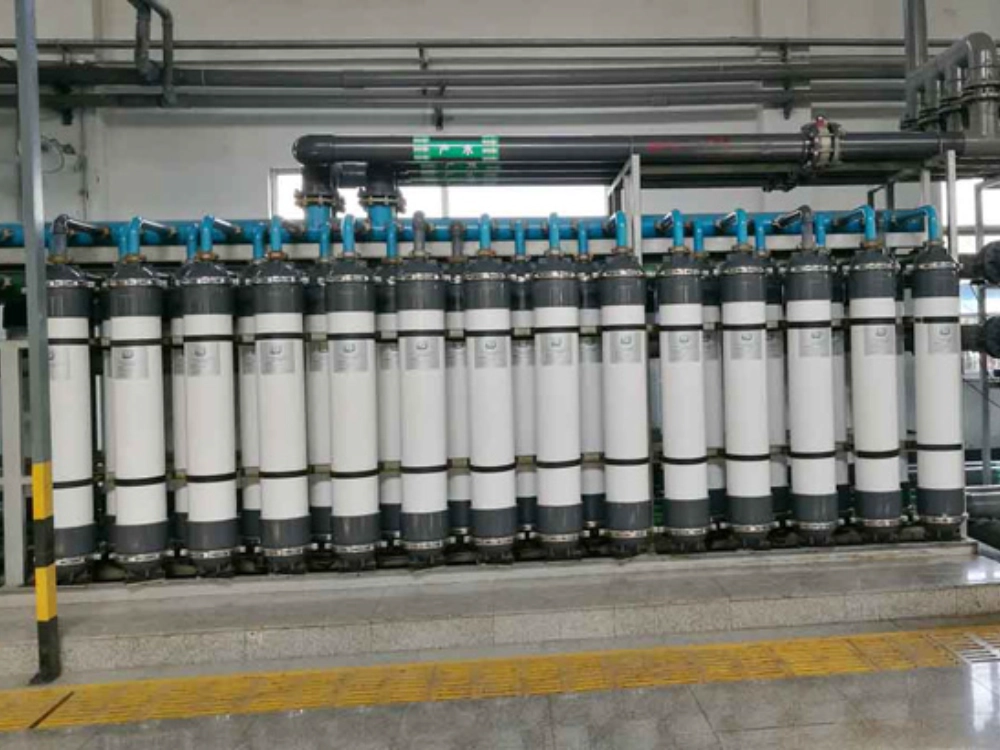
RO Pre-Treatment
UF membranes serve as pre-filters for reverse osmosis, reducing fouling and extending RO life.
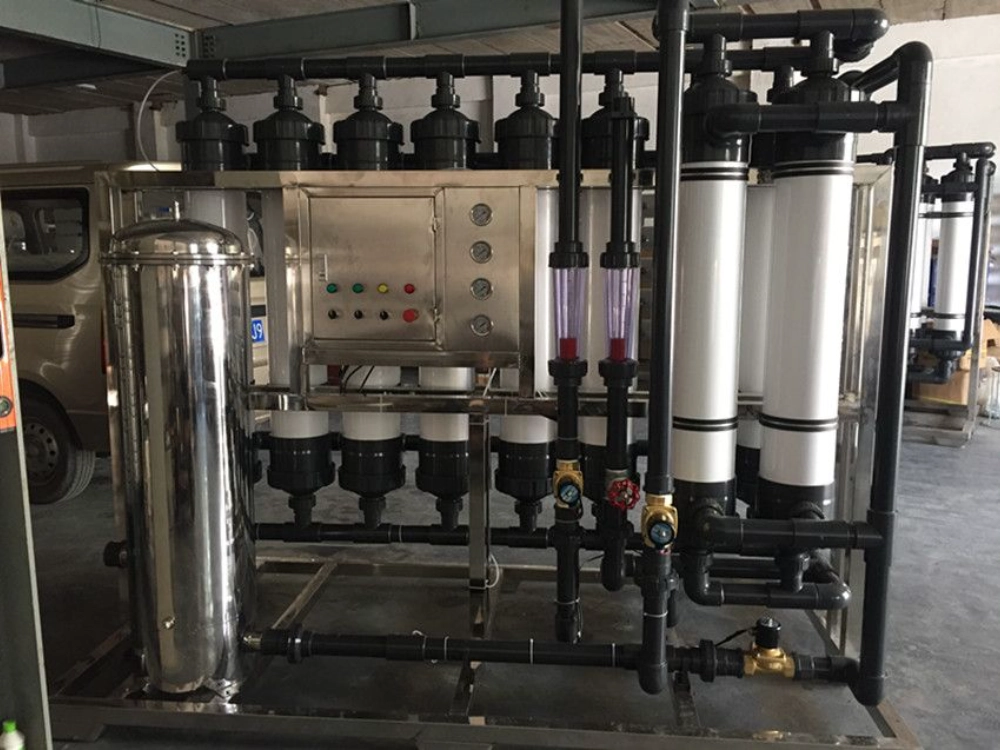
UF vs Other Filtration Technologies
| Technology | Contaminant Removal | Energy Use | Applications |
|---|---|---|---|
| UF Membrane | Particles, bacteria, viruses | Low | Industrial & residential, wastewater reuse |
| Reverse Osmosis (RO) | Dissolved salts, small molecules | High | Desalination, high-purity water |
| Microfiltration (MF) | Larger particles & bacteria | Low | Pre-treatment, low turbidity water |
Frequently Asked Questions
Not all water sources require UF treatment. You should consider installing a UF system if your water has:
High turbidity or visible suspended particles
Microbial contamination (bacteria, protozoa, or viruses)
Organic matter that causes taste or odor issues
Industrial process water requiring consistent purity
A quick water quality test including turbidity, microbial count, and TDS (total dissolved solids) can help you assess the necessity of a UF system. UF systems are particularly recommended when conventional filtration cannot reliably remove microscopic contaminants, or when pre-treatment for RO systems is needed.
Several factors influence UF system efficiency and durability:
Feed water quality: High turbidity or organic load increases fouling risk.
Operating pressure and flow rate: Excessive pressure or uneven flow can damage membranes.
Maintenance practices: Infrequent backwashing or chemical cleaning reduces lifespan.
Water chemistry: High chlorine or scaling ions can degrade membranes if not pre-treated.
By carefully monitoring these factors and performing scheduled maintenance, UF membranes can last 5–10 years while maintaining optimal filtration performance.
Not all water sources require UF treatment. Consider a UF system if your water has high turbidity, microbial contamination (bacteria, protozoa, viruses), organic matter causing taste or odor issues, or industrial water requiring consistent purity. Conduct a water quality test measuring turbidity, microbial count, and TDS to evaluate the need. UF is particularly recommended when conventional filtration cannot remove microscopic contaminants or as pre-treatment for RO systems.
UF systems are highly adaptable:
Residential: Often installed under sinks or at main water inlets to ensure clean drinking water.
Industrial: Used as process water treatment, pre-treatment for RO, or wastewater reuse.
Integration tips: Ensure proper pre-filtration, install pressure gauges, and include automatic backwash cycles. Integration improves water consistency, reduces maintenance, and optimizes overall system performance.
Watch for these indicators:
Decreased water flow – Suggests membrane fouling.
Pressure drop across the membrane – Indicates clogging or scaling.
Change in water quality – Increased turbidity or microbial counts.
Odor or taste changes – May indicate organic matter buildup.
Timely backwashing, chemical cleaning, and filter replacement are critical to maintaining efficiency and prolonging membrane lifespan.
UF systems are highly effective for suspended solids, bacteria, viruses, and colloids, but they do not remove dissolved salts, minerals, or certain chemicals. For applications requiring ultra-pure water, desalination, or heavy metal removal, UF should be combined with reverse osmosis (RO) or advanced chemical treatments. This combination ensures comprehensive water purification for industrial, municipal, or residential applications.
Related Articles
PW vs. WFI
RO vs EDI Solution in Pharma
Get in touch with us
Don’t let water quality issues stand in your way. MoerWater Purified Water Generator will help you solve all your water quality problems, improve operational efficiency, and ensure your product or experimental results are at the best level.
*Our team will answer your inquiries within 24 hours.
*Your information will be kept strictly confidential.