- Home
- »
- UV Sterilizer
UV Sterilizer
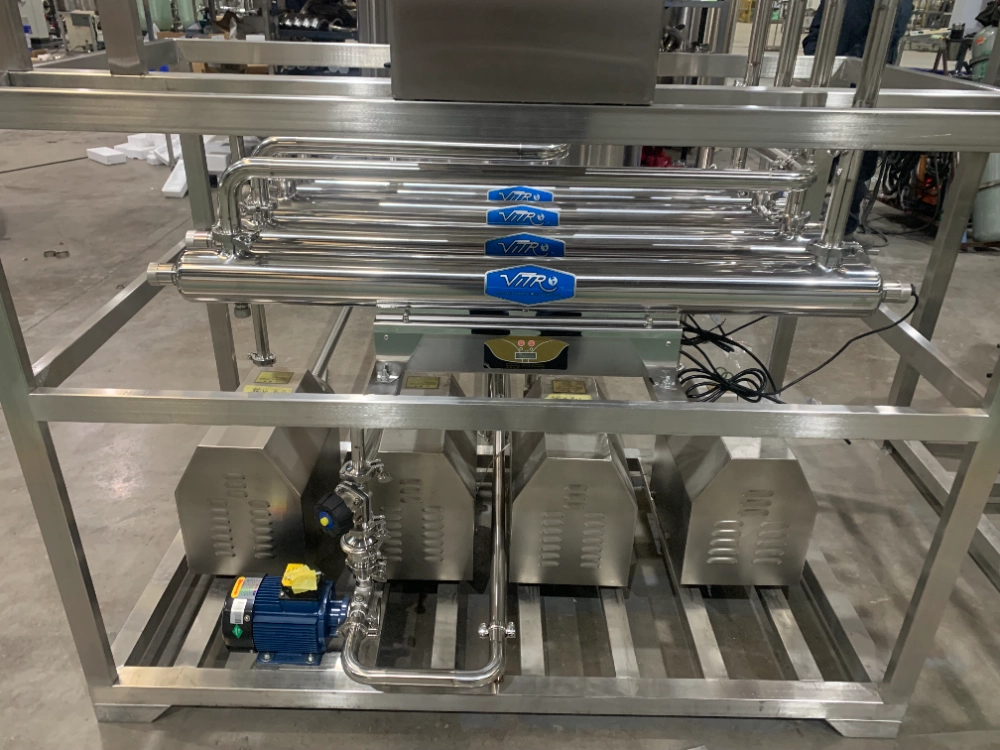
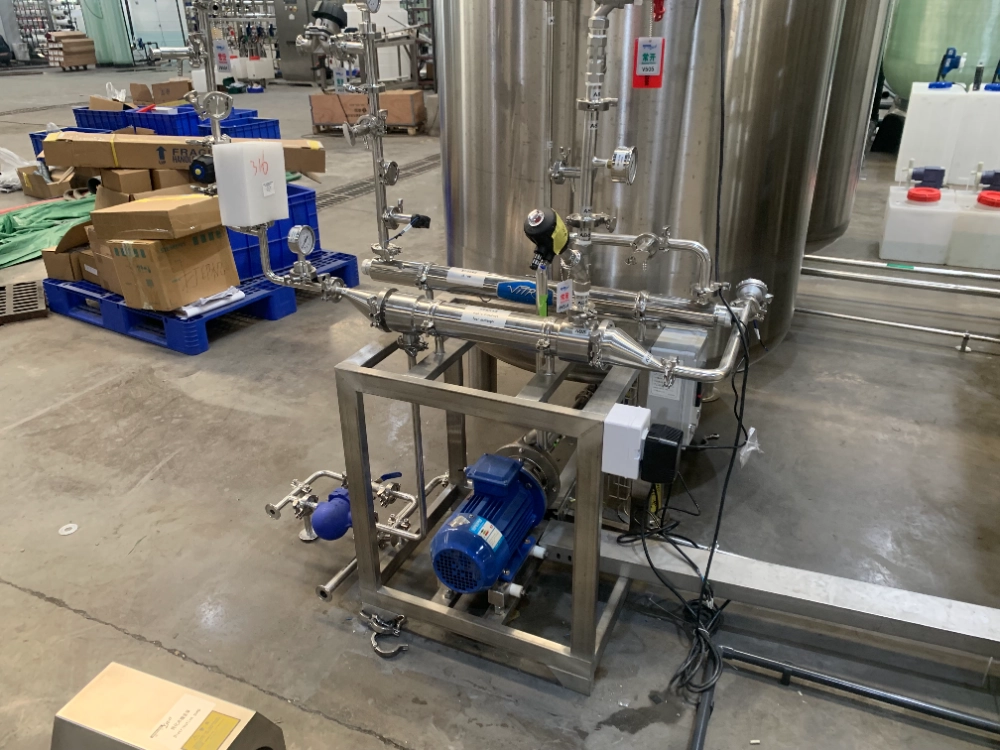
UV sterilizer is a device that uses ultraviolet (UV-C) light to inactivate or kill microorganisms such as bacteria, viruses, algae, and fungi. Unlike chemical disinfectants, UV sterilizers do not add substances to water or air. Instead, the UV-C light damages the microbes’ DNA or RNA, preventing them from multiplying and causing infection.
How does UV Sterilization Work
UV sterilization works most effectively in the UV-C wavelength range (approximately 200-280 nm, with ~254 nm being a common germicidal standard).
The effectiveness is determined by the dose (UV intensity × exposure time) that microorganisms receive. Higher dose means higher inactivation.
Other factors: water clarity or air turbidity (particles block UV), distance from UV source, lamp condition, and presence of pre-filters or protective sleeves.
Key Features & Benefits
Chemical-Free Disinfection: No chlorine, no residual chemicals, preserving water/air purity and taste.
Broad Spectrum Pathogen Control: Effective against bacteria, viruses, algae, protozoa.
Quick and Efficient: High-dose UV can inactivate many pathogens quickly.
Low Maintenance & Operating Cost: Mostly lamp replacement and cleaning, no ongoing chemical consumables.
No Effect on Taste, Colour, pH: Since no chemicals are added, the natural properties of water remain intact.
Environmentally Friendly: No harmful by-products, less chemical use, safer for ecosystems.
How to Choose the Right UV Sterilizer
Consider these when selecting:
UV Dose Requirement: Determine what level of pathogen inactivation you need (e.g. for virus vs bacteria vs algae). Choose a device that delivers sufficient UV-C dose.
Flow Rate / Air Volume: For water sterilizers, how much water per minute; for air, how many cubic feet per minute (CFM). A mismatch lowers effectiveness.
Lamp Type and Quality: Low-pressure vs medium pressure vs LED UV-C; lamp lifespan; whether quartz sleeve is protective and cleanable.
Pre-Filtration / Clarity: For water, remove turbidity/particles so UV light can penetrate. For air, filters to remove dust.
Safety Features: Safeguards to avoid human exposure (eyes/skin), lamp shut-off if opened, proper shielding.
Maintenance & Parts Availability: Lamp replacement interval; spare parts; ease of cleaning; cost over time.
Applications
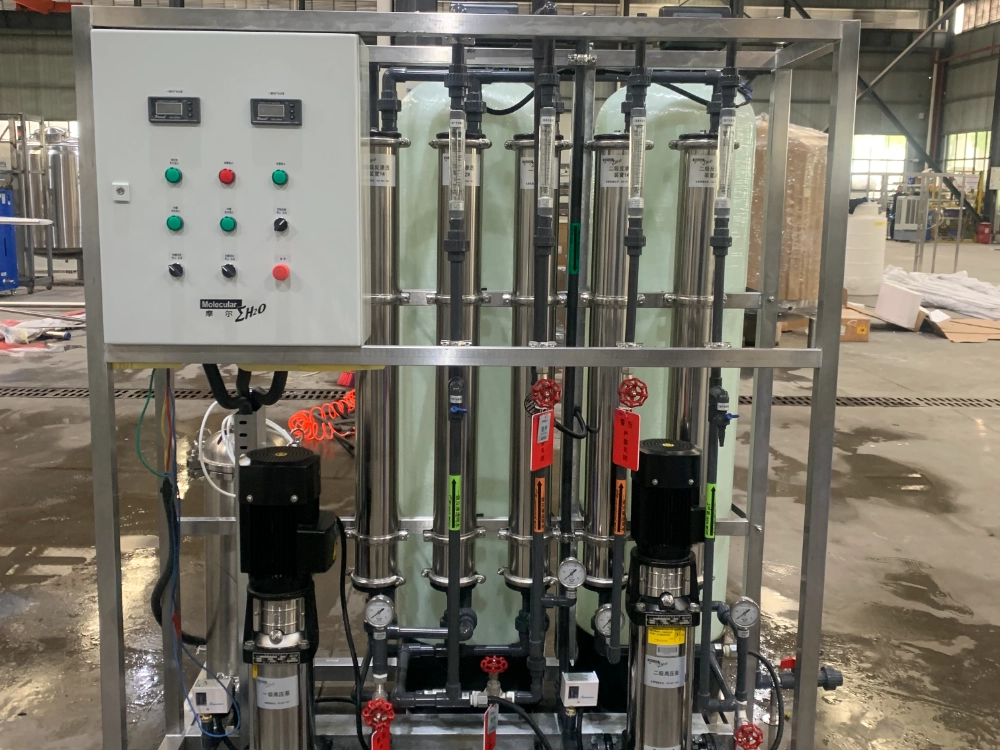
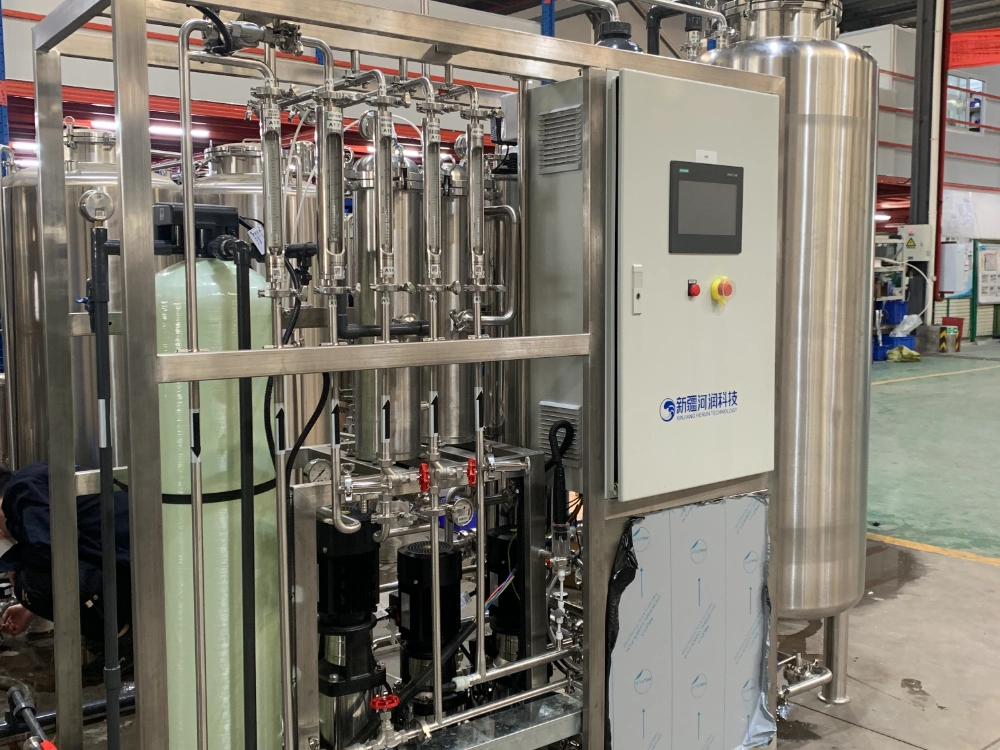
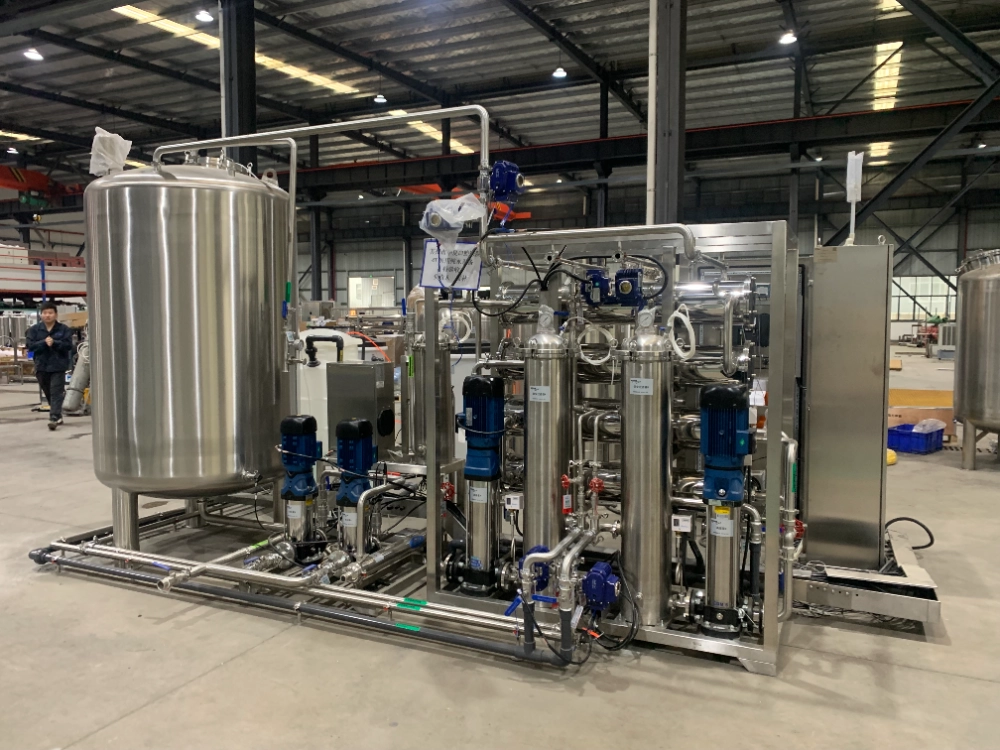
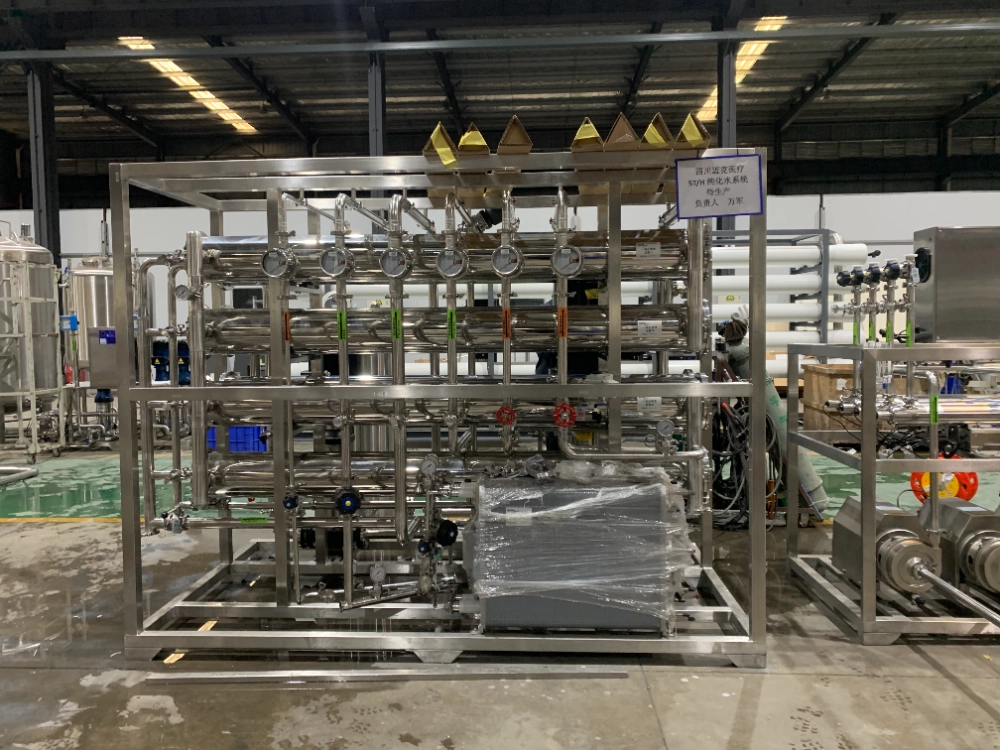
The highly pure Water for Injection and pure steam generated by our purified water generator are indispensable for various critical processes in the life sciences and pharmaceutical sectors.
Home Drinking Water
Protect against bacteria & viruses in well water or municipal supply.
Pools, Spas & Aquariums
Control algae, parasites, and waterborne pathogens.
Municipal / Industrial Water Treatment
Large-scale UV reactors for drinking water or wastewater.
Food & Beverage Production
Sterilize processing water, surfaces, ingredients.
Related Products

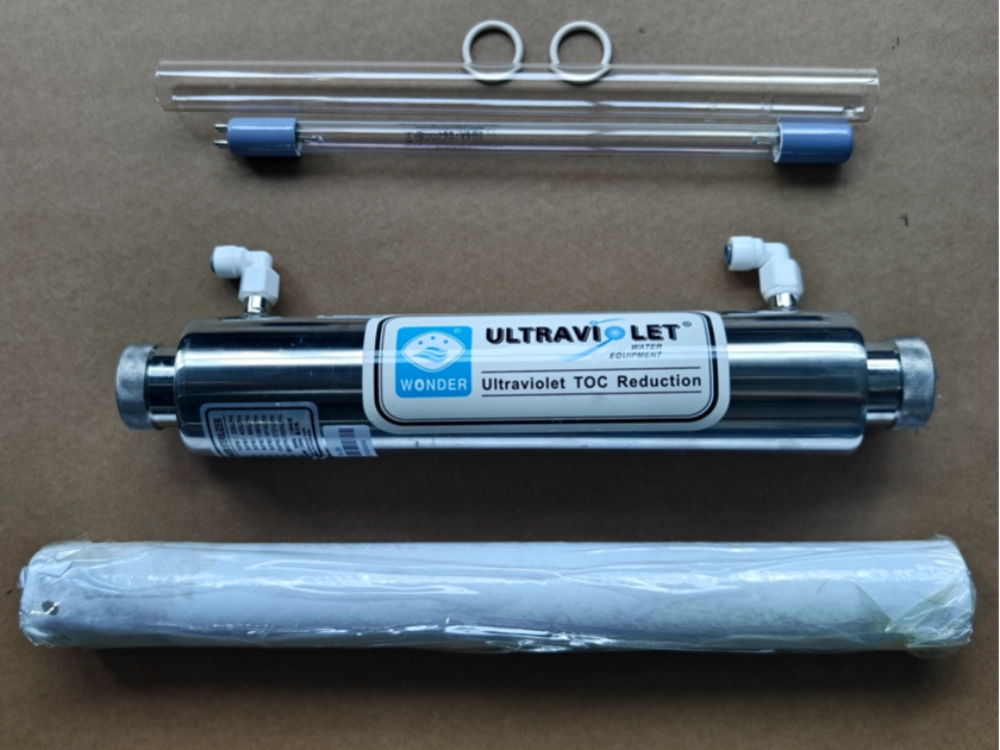
185nm UV light
The 185 nm UV light serves a powerful dual function in purification applications: its high-energy photons directly break the chemical bonds of organic molecules, achieving degradation through photolysis; simultaneously, when irradiating ambient air, this specific wavelength converts oxygen (O 2 ) into ozone (O 3 ), which is a strong oxidizer used to enhance sterilization, disinfection, and deodorization, allowing for effective purification even in areas where the UV light cannot directly penetrate.
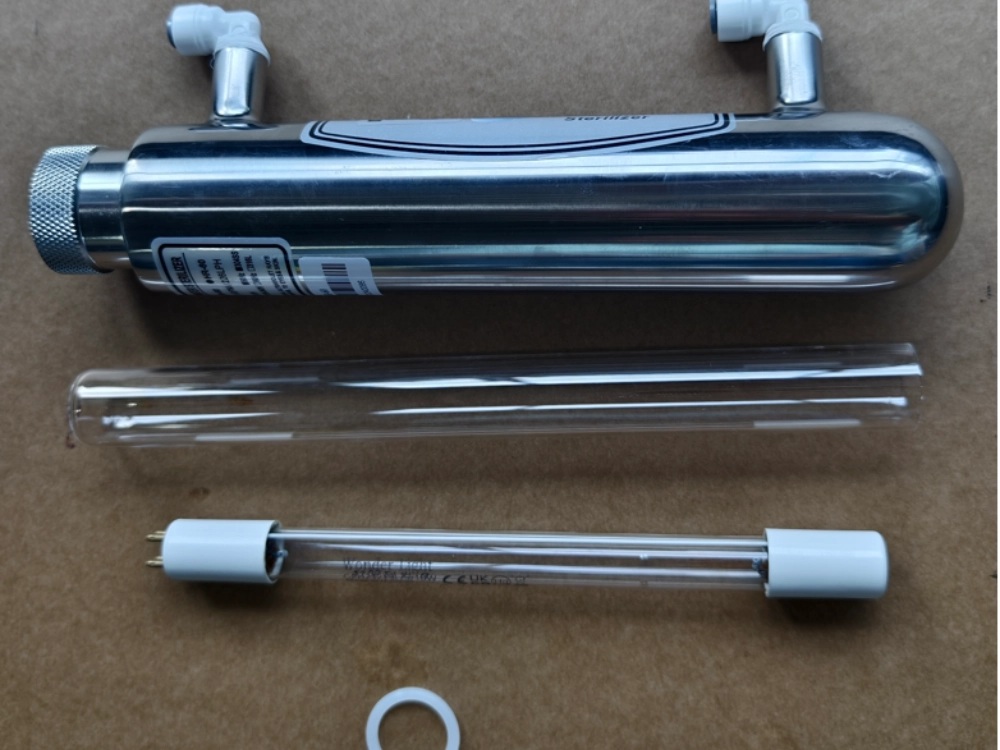
254nm UV light
The 254 nm UV light is primarily utilized for its potent germicidal effect: it directly sterilizes by disrupting the DNA/RNA structure of microorganisms (including bacteria, viruses, and fungi), thereby rendering them unable to reproduce. This makes it highly effective for direct UV irradiation and disinfection of surfaces, water, and air.
Frequently Asked Questions
A1: No. UV doesn't remove dissolved chemicals, heavy metals, or particulates. It only inactivates microorganisms. Pre-filtration or other treatment may be needed for chemical removal.
A2: Yes, provided the device is certified, properly sized, maintained, and water clarity is adequate. It does not leave chemical residues.
A3: UV-C light is effective in inactivating many viruses, including coronaviruses, when applied at proper dose and exposure.
A4: No. Since UV is a physical disinfection method without chemicals, it doesn’t alter these properties.
A5: It depends on the lamp type and usage hours. Often lamps are rated for several thousand hours; replacement is important as UV output decreases over time.
Related Articles
PW vs. WFI
RO vs EDI Solution in Pharma
Get in touch with us
Don’t let water quality issues stand in your way. MoerWater Purified Water Generator will help you solve all your water quality problems, improve operational efficiency, and ensure your product or experimental results are at the best level.
*Our team will answer your inquiries within 24 hours.
*Your information will be kept strictly confidential.