
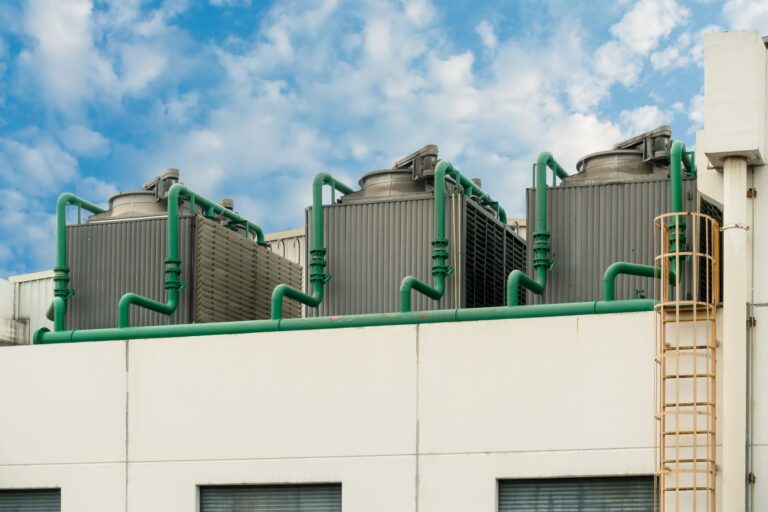
Is Your Cooling Tower Quietly Draining Your Budget and Raising Your Liability? Inefficient cooling tower water treatment is a silent profit killer. Uncontrolled scale reduces heat transfer, forcing compressors to work harder and spiking energy costs by 10% or more. Corrosion leads to costly equipment repairs and leaks. Worst of all, poor microbial control creates a breeding ground for Legionella, posing severe public health and legal risks.
Moving from reactive chemical dosing to a strategic water management program is no longer optional—it’s essential for operational and financial resilience. This guide outlines a five-point strategic plan for cooling tower water treatment that transforms your tower from a liability into a model of efficiency and safety.
Point 1: Cycle of Concentration Optimization – Your Biggest Water Savings Lever
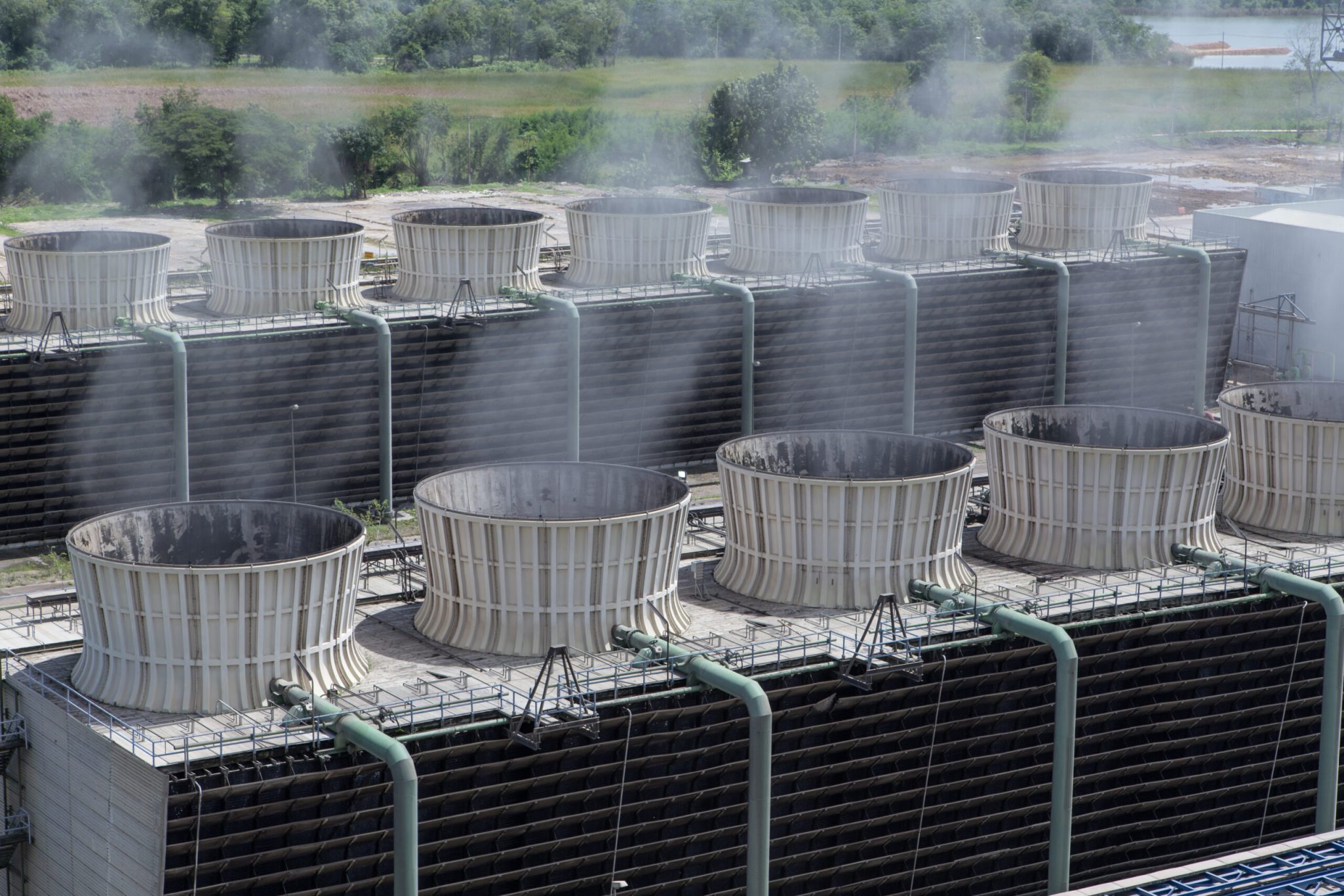 The Cycle of Concentration (CoC) measures how many times water can be recycled before blowdown is required. A low CoC means you’re wasting water and money.
-
The Goal: Maximize CoC by precisely controlling blowdown. Increasing CoC from 3 to 6 can reduce make-up water and blowdown volume by up to 20%, delivering immediate savings on water and sewer charges.
-
The Technology: Automated controllers that monitor conductivity in real-time and trigger blowdown only when necessary are the cornerstone of modern cooling tower water treatment.
Point 2: Precision Scale & Corrosion Inhibition
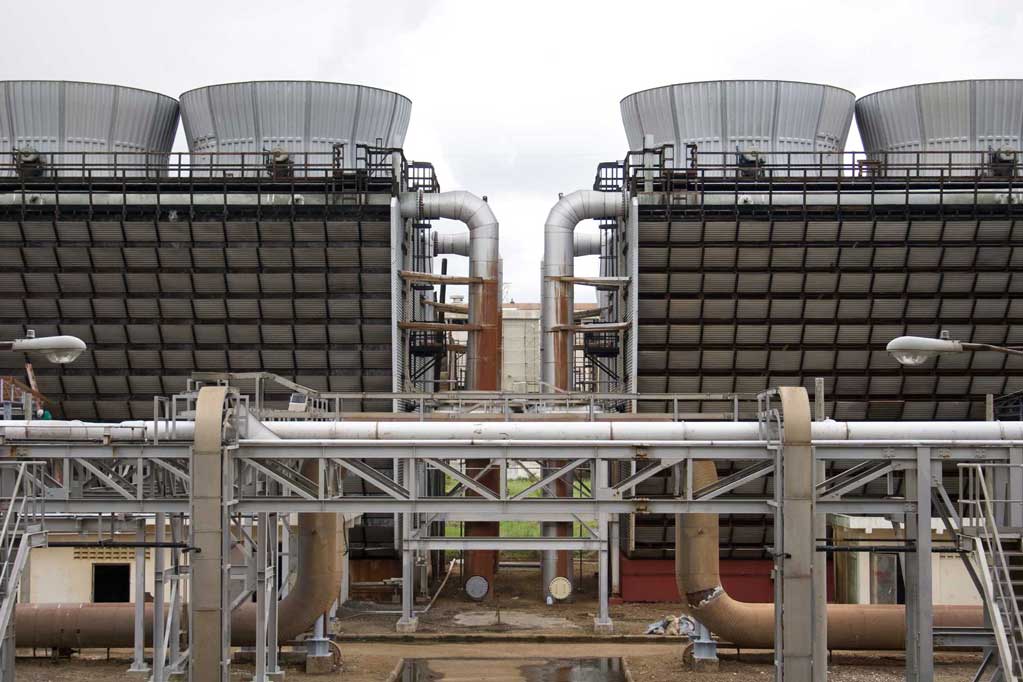 Scale (from calcium, silica) acts as an insulator. Corrosion destroys system integrity. Both are controlled through targeted chemistry.
-
Scale Inhibition: Advanced polymer- and phosphonate-based inhibitors prevent mineral crystals from adhering to heat exchanger surfaces, even at high CoC.
-
Corrosion Control: A tailored blend of cathodic and anodic inhibitors (e.g., zinc, molybdates, orthophosphates) forms a protective film on metal surfaces. The correct dosage is critical and depends on your water chemistry and system metallurgy.
Point 3: Aggressive Microbial & Biofilm Control
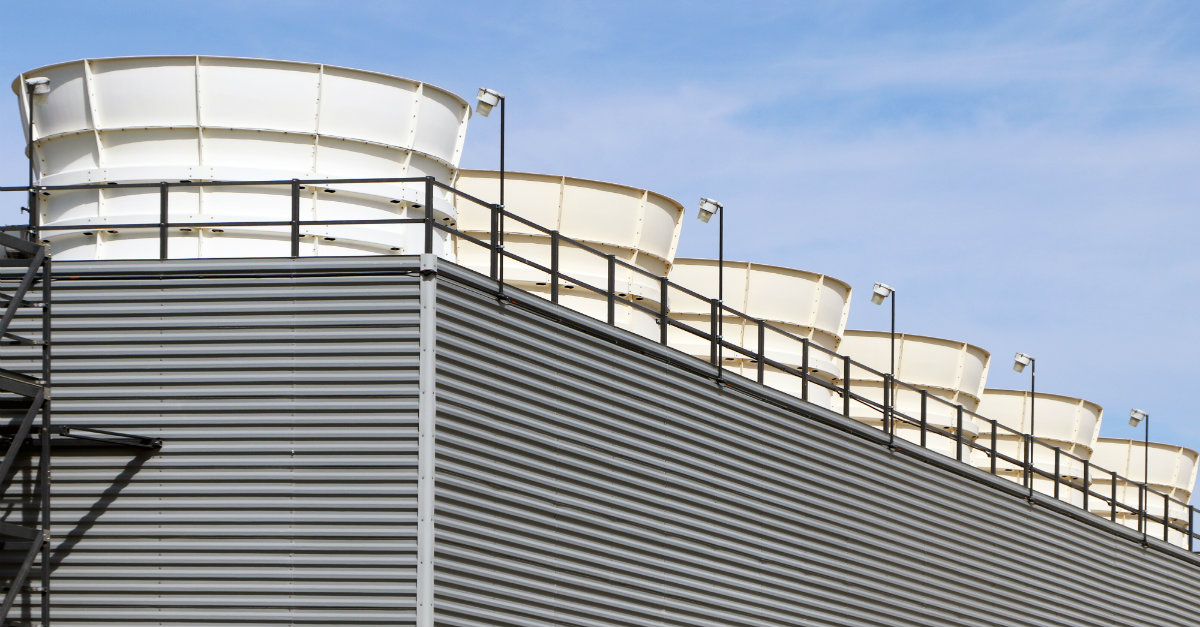 Microbes, particularly in biofilm form, are the primary enemy. Biofilm dramatically reduces heat transfer efficiency and protects Legionella from disinfectants.
-
A Dual Approach:
-
Oxidizing Biocides (e.g., chlorine, bromine): The primary disinfectants that kill free-swimming bacteria.
-
Non-Oxidizing Biocides (e.g., isothiazolinones, glutaraldehyde): Essential for penetrating and removing biofilm. A regular “shock” dose is necessary.
-
-
Monitoring: Regular dip slide tests or ATP monitoring should be standard procedure in any cooling tower water treatment program.
Point 4: Proactive Monitoring, Control & Data Analytics
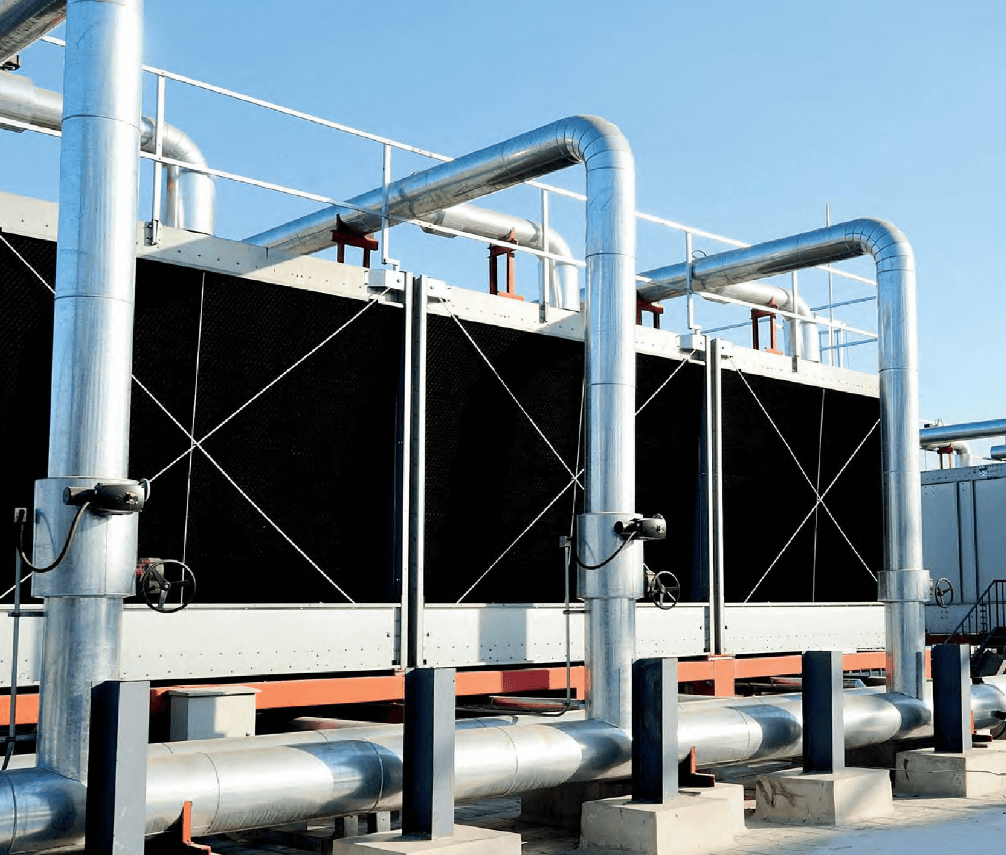 The era of manual testing and guesswork is over. Intelligence is key to reliability.
-
Smart Controllers: Modern systems continuously monitor pH, conductivity, ORP (Oxidation-Reduction Potential), and temperature. They automatically adjust blowdown and chemical feed pumps.
-
The Data Advantage: Cloud-connected systems provide dashboards, trend analysis, and remote alerts. This data is invaluable for optimizing programs, proving due diligence for Legionella risk management compliance (e.g., with ASHRAE Standard 188), and forecasting chemical usage.
Point 5: Integrated Mechanical Filtration & Side-Stream Treatment
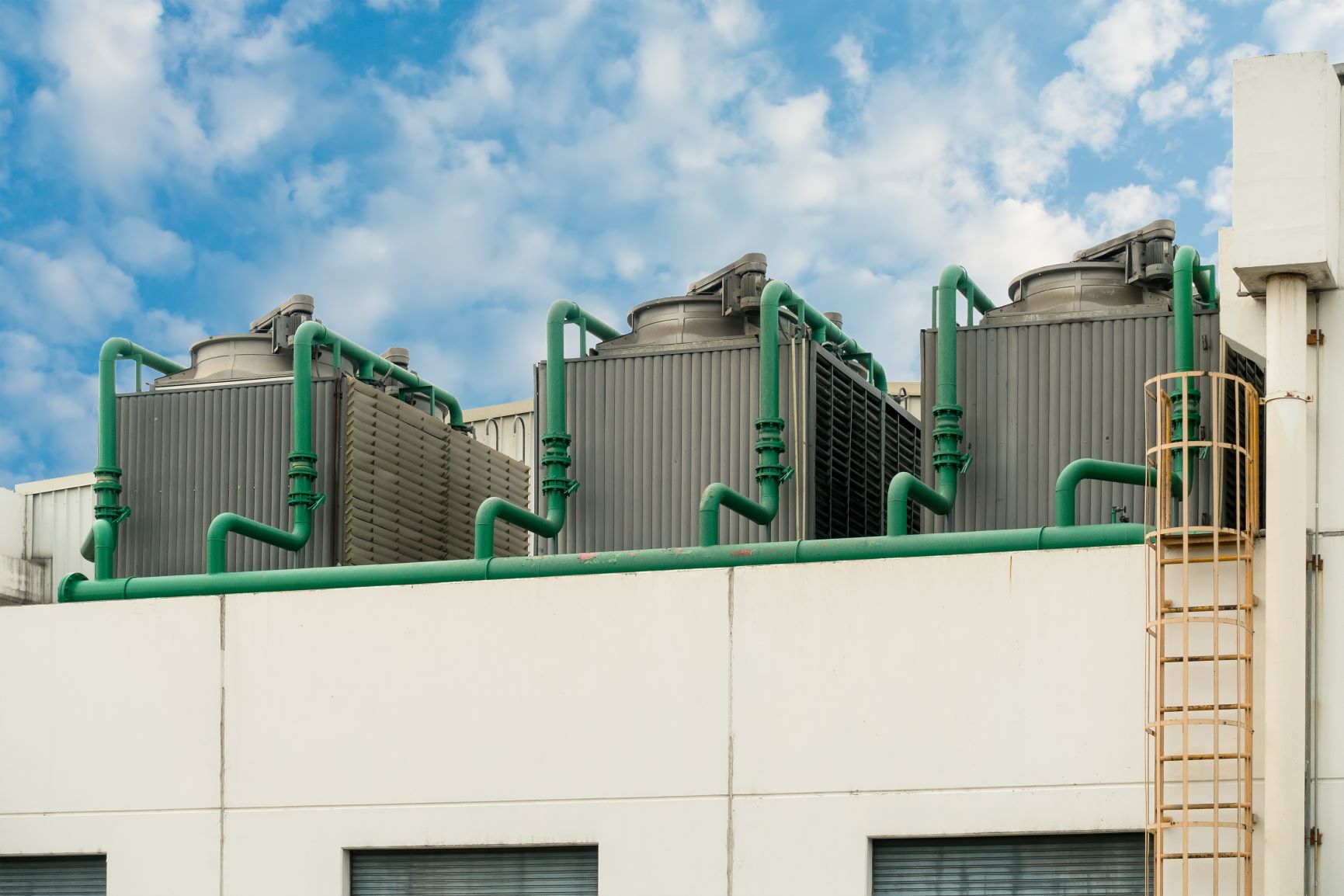 Chemistry alone cannot remove all suspended solids (dust, sand, biomass). These particles deposit in the system, reducing efficiency.
-
Side-Stream Filtration: Installing a continuously operating filter that processes 1-10% of the total circulation flow removes suspended solids effectively. This simple mechanical step dramatically improves water clarity, reduces biological demand, and enhances chemical performance.
Expert Insight: “The most expensive water treatment chemical is the one that is dosed incorrectly. Overspending on chemicals is as common as underspending. A data-driven, automated cooling tower water treatment program isn’t a cost—it’s an investment with a direct ROI in water, energy, and chemical savings, while de-risking your entire operation.” – Molewater SystemTechnical Director.
Conclusion: From Cost Center to Competitive Advantage
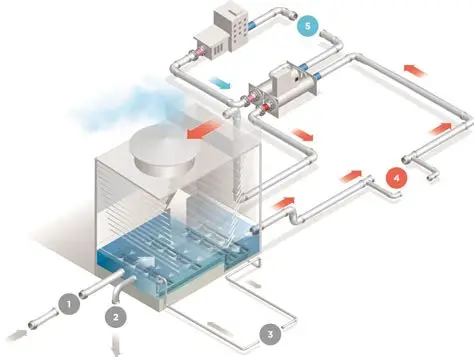
A strategic cooling tower water treatment program is a powerful tool for sustainability and cost management. By implementing this five-point plan, you secure water savings, energy efficiency, equipment longevity, and regulatory peace of mind.
At Molewater System, we engineer intelligent water management solutions. We combine advanced chemical technologies with IoT-enabled monitoring and expert analysis to deliver guaranteed program performance.
Ready to optimize your cooling tower?
Contact us for a free, data-driven system assessment and performance proposal.