
1. What is Bacteriostatic Water?
Bacteriostatic Water for Injection is a sterile, non-pyrogenic preparation of water for injection containing 0.9% (9 mg/mL) of benzyl alcohol as a bacteriostatic preservative. Unlike standard sterile water, which is intended for single use, the addition of benzyl alcohol allows this solution to be used multiple times by inhibiting the growth of bacteria that may be introduced during repeated needle punctures. It is important to note that bacteriostatic water is not a medicine itself, but rather a specialized solvent or diluent used to dissolve or dilute drugs for injection.
2. Common Uses: Why is it used for Injections?
Bacteriostatic water is an essential tool in clinical, laboratory, and therapeutic settings. While it is not a treatment for any specific disease, its role as a stable, hygienic solvent makes it indispensable for several medical applications:
Reconstituting Lyophilized (Freeze-Dried) Medications
Many potent medications—including certain antibiotics, growth factors, and specialized hormones—are chemically unstable in liquid form over long periods. To maintain their shelf life and biological efficacy, pharmaceutical manufacturers use a process called freeze-drying (lyophilization) to convert them into a stable powder. Before these medications can be administered, they must be reconstituted. Bacteriostatic water is the preferred solvent for this process, as it ensures the powder dissolves cleanly into an injectable liquid while maintaining the drug’s intended concentration.
Supporting Multi-Dose Therapy
Perhaps the most significant advantage of bacteriostatic water is its support for multi-dose vials. Many treatment regimens, such as testosterone replacement therapy (TRT) or daily hormone treatments, require small, frequent injections over several weeks.
-
Preventing Contamination: When a vial is punctured multiple times, there is a risk of introducing environmental microorganisms into the solution.
-
The Role of Benzyl Alcohol: The 0.9% benzyl alcohol in the water acts as a preservative, inhibiting the growth of these bacteria during the vial’s lifespan.
By using bacteriostatic water, healthcare providers and patients can safely extract multiple doses from a single vial, which not only increases convenience but also significantly reduces the waste associated with discarding single-use vials after a single puncture.
3. Bacteriostatic Water vs. Sterile Water: The Definitive Comparison
In clinical and laboratory settings, selecting the correct diluent is critical for patient safety and drug stability. While Bacteriostatic Water and Sterile Water for Injection appear identical, they differ significantly in their chemical composition and intended applications.
The following table summarizes the key differences to help you distinguish between the two:
Comparison Table: Bacteriostatic Water vs. Sterile Water
| Feature | Bacteriostatic Water | Sterile Water for Injection |
| Composition | Sterile Water + 0.9% Benzyl Alcohol | Pure, sterile distilled water |
| Preservative | Yes (inhibits bacterial growth) | None |
| Usage | Multi-dose (repeated withdrawals) | Single-dose (use once and discard) |
| Shelf Life (Opened) | Up to 28 days (if stored properly) | Must be used immediately |
| Primary Use | Reconstituting multi-dose medications | Single-dose drug preparation |
| Contraindications | Benzyl alcohol allergy, neonates* | No preservative-related restrictions |
4. The Science of Purity: Pharmaceutical Standards
When preparing medications for injection, “sterile” is only the baseline. In the pharmaceutical and laboratory world, the true benchmark for safety is USP (United States Pharmacopeia) compliance. To be suitable for injection, water must be more than just free of bacteria; it must be pyrogen-free (non-pyrogenic).
Understanding Pyrogens and Endotoxins
Pyrogens are fever-inducing substances, with bacterial endotoxins being the most common concern. Endotoxins are components of the cell walls of Gram-negative bacteria. Even if a water sample is sterilized—meaning all living bacteria are killed—the endotoxins (the “corpses” of the bacteria) can remain. If these endotoxins enter the bloodstream via an injection, they can trigger severe immune responses, including high fever, inflammation, or even septic shock.
Why Tap or Distilled Water Isn’t Enough
Many assume that boiling tap water or using simple distilled water creates “pure” water. However, these methods are insufficient for medical applications for several reasons:
-
Residual Ions: Standard distillation often fails to remove volatile organic compounds and specific mineral ions that can interfere with drug stability.
-
Endotoxin Persistence: Simple distillation or filtration cannot guarantee the removal of microscopic endotoxin fragments, which are incredibly heat-stable and pervasive in standard water supplies.
-
Lack of Certification: Pharmaceutical-grade water requires rigorous, continuous monitoring of Total Organic Carbon (TOC) and electrical conductivity—metrics that home or basic laboratory systems are not equipped to track.
The Necessity of Advanced Water Treatment
Achieving pharmaceutical-grade purity requires a sophisticated, multi-stage engineering approach. This is where professional water treatment technology becomes the backbone of safety:
-
High-Level Purification: Through advanced ion exchange technology, we can selectively remove dissolved ionic impurities that standard filters leave behind.
-
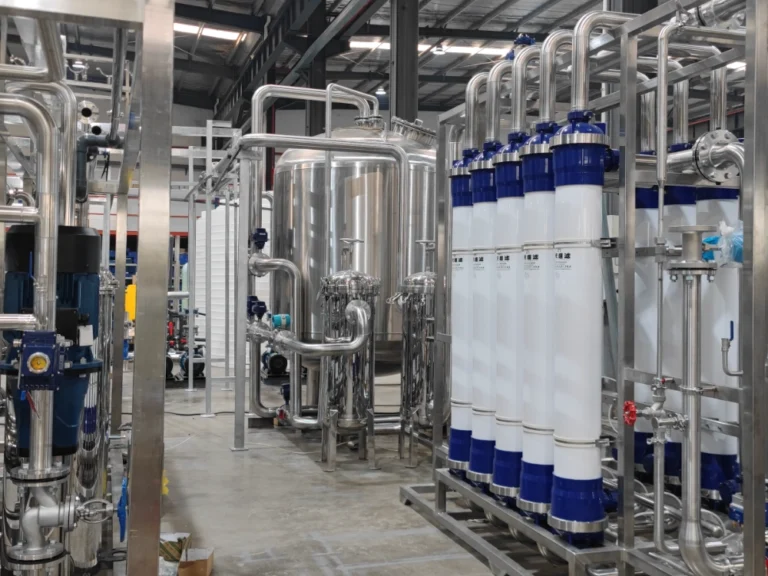
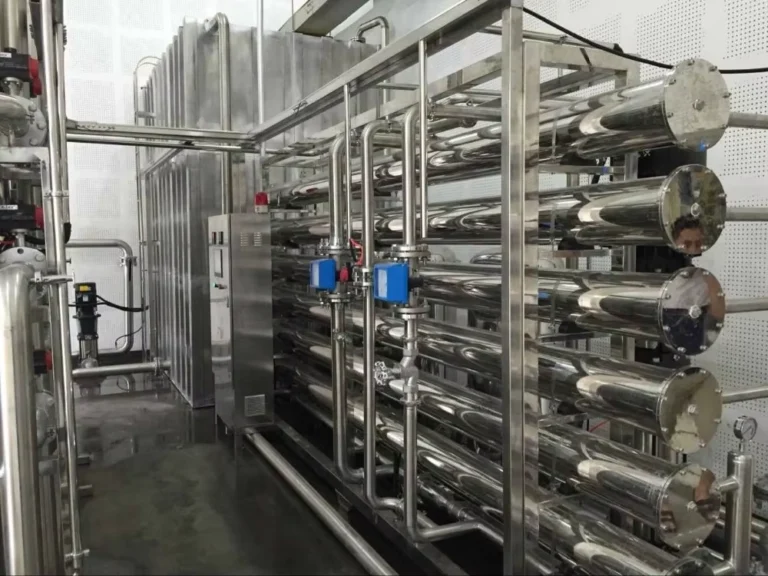
Thermal and Membrane Barrier: To ensure the water is strictly non-pyrogenic, high-performance systems utilize multi-stage distillation or specialized ultrafiltration, which physically blocks endotoxins from passing into the final product.
-
Continuous Monitoring: Modern pharmaceutical water systems integrate real-time sensors to ensure that water quality never deviates from the strict USP standards required for injectable safety.
In short, the reliability of the bacteriostatic water you use is entirely dependent on the water purification system that produced it. Understanding this technical requirement is the first step in ensuring that your research, clinical practice, or therapy is built on a foundation of absolute, verified purity.
5. How to Handle and Store It Safely
Bacteriostatic water is a medical tool that demands strict adherence to aseptic techniques. Even though the benzyl alcohol provides a preservative effect, it is not a “cure-all” for improper handling. Contamination usually occurs at the point of use—the moment the needle pierces the rubber stopper.
Aseptic Handling Procedures
To maintain the integrity of your solution, always follow these best practices:
-
Sanitize the Stopper: Before every single withdrawal, use a fresh 70% isopropyl alcohol prep pad to vigorously wipe the rubber stopper of the vial. Allow it to air dry completely before inserting the needle. This simple step kills surface bacteria that would otherwise be pushed into the vial.
-
Sterile Technique: Only use single-use, sterile syringes and needles. Never reuse a needle, even on the same vial, as it introduces contaminants from the environment or previous use directly into the preservative-containing solution.
-
Minimize Exposure: When drawing the liquid, avoid leaving the needle in the vial for longer than necessary. Keep the vial upright and stable to prevent accidental spills or contamination of the vial’s neck.
Storage Guidelines
The environment in which you store your bacteriostatic water can directly impact its shelf life and chemical stability:
-
Temperature: Store in a cool, dry place at controlled room temperature (typically 20°C to 25°C or 68°F to 77°F).
-
Light Exposure: Keep the vial in its original packaging or a dark container. UV light can contribute to the degradation of the benzyl alcohol preservative over time.
-
Prohibited Conditions: Never freeze bacteriostatic water. Freezing can alter the chemical composition of the solution and may cause the rubber stopper to lose its seal integrity, leading to potential contamination upon thawing.
The “28-Day Rule”: Why Expiration Matters
You may wonder why a solution designed for multi-dose use has a strictly recommended expiration of 28 days after the first puncture. This is not an arbitrary number; it is a safety standard based on two critical factors:
-
Seal Integrity: Each time a needle punctures the rubber stopper, it leaves a microscopic channel. Over multiple punctures, the rubber’s ability to self-seal degrades. Eventually, this allows air and environmental contaminants to bypass the seal.
-
Preservative Dilution & Exhaustion: The concentration of benzyl alcohol is precisely calibrated to inhibit bacterial growth. As the volume of water decreases with each dose and the vial is exposed to the atmosphere, the preservative’s efficacy gradually wanes.
Once the 28-day window passes, the risk of microbial colonization—even if invisible to the naked eye—increases significantly. Never attempt to “extend” the life of your bacteriostatic water. If you see any signs of turbidity (cloudiness), floating particles, or discoloration, discard the vial immediately, regardless of how many days have passed. Safety must always take precedence over convenience.
6. Frequently Asked Questions (FAQ)
To help you navigate the safe use of bacteriostatic water, we have addressed some of the most common questions and concerns below:
Q: Can I inject bacteriostatic water directly into my body?
A: No. Bacteriostatic water is a diluent, not a medication. It is designed solely for reconstituting or diluting drugs that will be administered via injection (usually intramuscular or subcutaneous). Injecting it alone provides no therapeutic benefit and can cause tissue irritation due to the presence of the benzyl alcohol preservative.
Q: Can I use bacteriostatic water to clean my eyes or ears?
A: No. You should never use bacteriostatic water for ophthalmic (eye) or otic (ear) irrigation. The benzyl alcohol contained in the solution is a preservative that can be highly irritating and potentially damaging to sensitive mucosal tissues in the eyes and ears. Always use approved, preservative-free sterile saline or sterile water for such purposes.
Q: What are the risks of using expired bacteriostatic water?
A: Using water past its 28-day expiration date—or water that has been stored improperly—significantly increases the risk of bacterial or fungal contamination. Even if the water looks clear, microorganisms can colonize the solution. Injecting contaminated water can lead to serious systemic infections, abscesses at the injection site, or life-threatening sepsis.
Q: I have a known allergy to benzyl alcohol. Can I still use bacteriostatic water?
A: No. If you have a documented allergy to benzyl alcohol, you must avoid bacteriostatic water entirely. Instead, you should consult your healthcare provider or pharmacist to obtain preservative-free Sterile Water for Injection. This product contains no additives and is safe for individuals with sensitivity to preservatives, though it must be used immediately upon opening.
Q: How do I know if my bacteriostatic water has gone bad before the 28 days are up?
A: Always perform a visual inspection before drawing any liquid from a vial. If you notice any turbidity (cloudiness), discoloration, or floating particles (particulate matter), the vial is compromised. In these cases, discard the vial immediately, regardless of when it was first opened.
Q: Can I store bacteriostatic water in the refrigerator to extend its life?
A: No. Bacteriostatic water should be stored at controlled room temperature as specified by the manufacturer. Refrigeration is not recommended unless explicitly stated on the product label, as extreme temperature changes can affect the rubber stopper’s seal and the chemical stability of the preservative.
7. Ensuring Safety: What Professionals Need to Know About Water Quality
For professionals working in clinical laboratories, pharmaceutical manufacturing, or research facilities, bacteriostatic water is more than just a consumable—it is a critical component of your scientific and medical integrity. The quality of the final drug preparation is entirely dependent on the purity of the source water.
As the industry faces increasingly stringent regulations from bodies like the FDA and USP, understanding the engineering behind high-purity water is essential.
Precision Control with Ion Exchange Technology
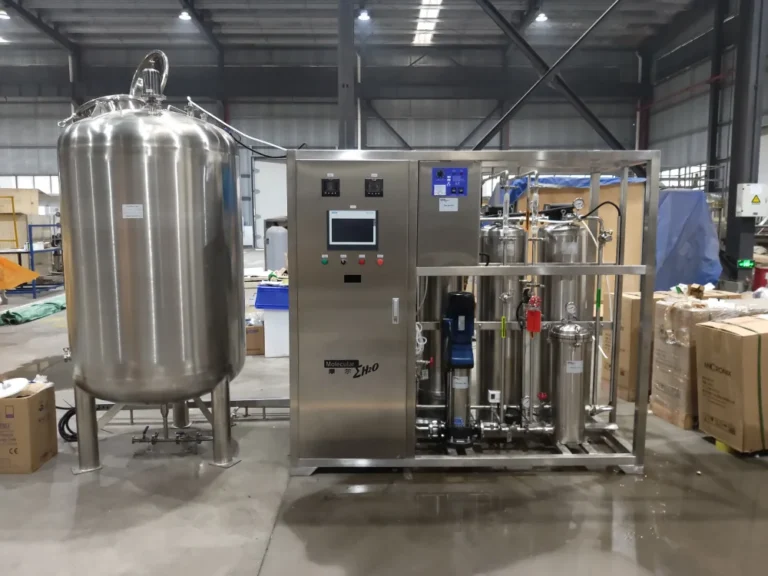
The first challenge in producing high-grade injectable water is the removal of dissolved ions, which can interact with sensitive drug formulations. Ion Exchange Technology is the industry standard for this precision. By utilizing specially engineered resin beds, these systems effectively replace unwanted mineral ions with hydrogen and hydroxyl ions. This process allows for the ultra-precise control of water conductivity, ensuring that the water meets the strict ionic purity levels required for long-term chemical stability in injectable solutions.
The Last Barrier: Endotoxin Removal
In pharmaceutical applications, the presence of endotoxins—the pyrogenic cell wall components of Gram-negative bacteria—is a primary concern. Even in a sterile environment, the biological “debris” left behind by bacteria can pose severe health risks to patients.
This is where a dedicated lab water system for endotoxin removal becomes your most vital asset. These advanced systems act as the “last line of defense,” incorporating specialized ultrafiltration or dual-stage reverse osmosis technologies that physically block and remove endotoxins at a molecular level. For facilities preparing drugs for parenteral administration, a system designed to explicitly manage endotoxin levels is non-negotiable.
Elevating Your Facility’s Standards
If your facility is currently relying on basic filtration or outdated distillation units, you may be introducing unnecessary risks into your workflows. High-performance pharmaceutical water solutions should offer:
-
Real-time Monitoring: Continuous tracking of TOC (Total Organic Carbon) and conductivity to guarantee every drop meets USP standards.
-
System Longevity: Durable designs featuring high-efficiency cartridge filters for water treatment to prevent microbial breakthrough over time.
-
Scalable Solutions: From laboratory-scale purification to full-scale WFI (Water for Injection) storage and distribution systems.
The quality of your medical and research outcomes is built on the water you use. Investing in professional-grade water treatment is not just an equipment upgrade; it is an investment in the safety and efficacy of every injection you prepare.
Are you looking to optimize your laboratory or facility’s water treatment infrastructure? Explore our professional Pharmaceutical Water Solutions to find the technology that aligns with your purity requirements.
8. Conclusion: Quality and Safety as the Foundation of Care
Bacteriostatic water is a seemingly minor component in medical practice, yet its role as a stable, hygienic solvent is foundational to successful therapeutic outcomes. From understanding the vital function of its 0.9% benzyl alcohol preservative to strictly adhering to the 28-day expiration rule, your knowledge of how to handle this medium is a key factor in preventing contamination and ensuring drug efficacy.
However, the safety of any injectable preparation begins long before the vial is opened—it begins at the water source. Whether in a clinical laboratory or a pharmaceutical manufacturing suite, the ability to produce water that is free from ions, organic impurities, and—most importantly—pyrogenic endotoxins, is the hallmark of a professional facility.
Partner with Experts in Pharmaceutical Water Purity
As regulatory standards become increasingly rigorous, ensuring that your facility’s water treatment infrastructure meets the highest levels of safety is no longer just a best practice; it is a necessity.
If you are a laboratory manager, pharmaceutical engineer, or clinical professional seeking to optimize your water treatment infrastructure, we are here to help. Our team provides comprehensive, GMP-compliant systems designed to meet the most demanding USP and international purity standards.
Ready to upgrade your standards? * Explore Our Pharmaceutical Water Solutions to discover our range of high-purity water systems, including advanced endotoxin removal technology and ion exchange solutions.
-
Contact Our Experts Today for a personalized consultation on how to ensure your facility’s water quality is second to none.
Disclaimer: This article is provided for informational and educational purposes only and does not constitute medical advice. Always follow the specific instructions provided by your healthcare provider, pharmacist, or the product manufacturer when preparing medications.