- Accueil
- »
- Chemical Treatment Technology
Chemical Treatment Technology
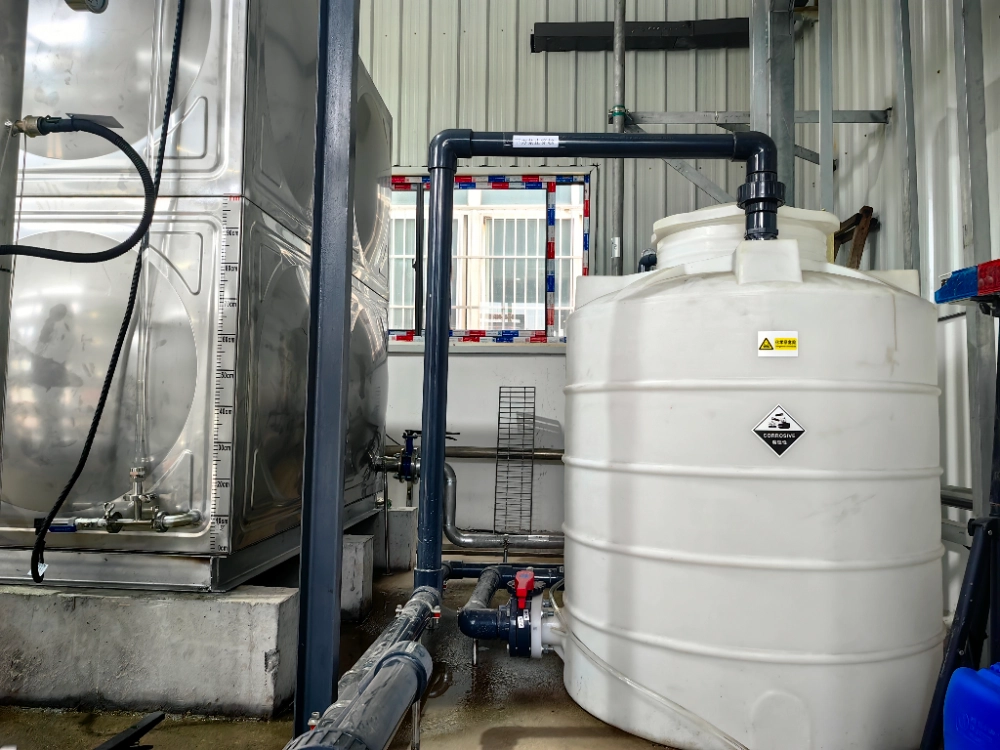
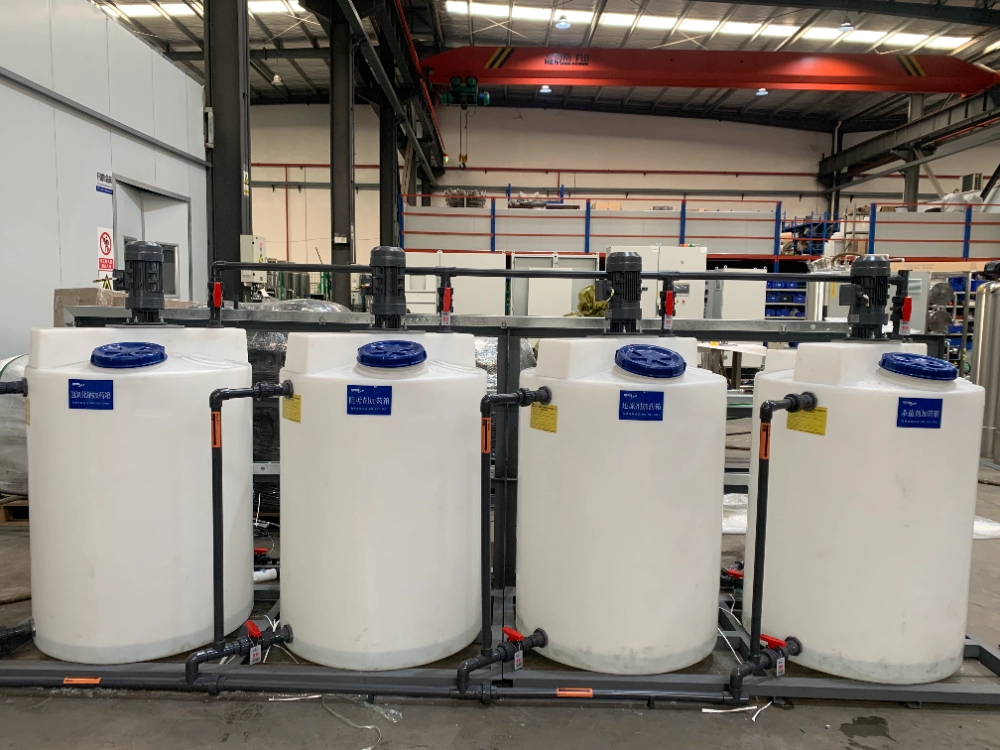
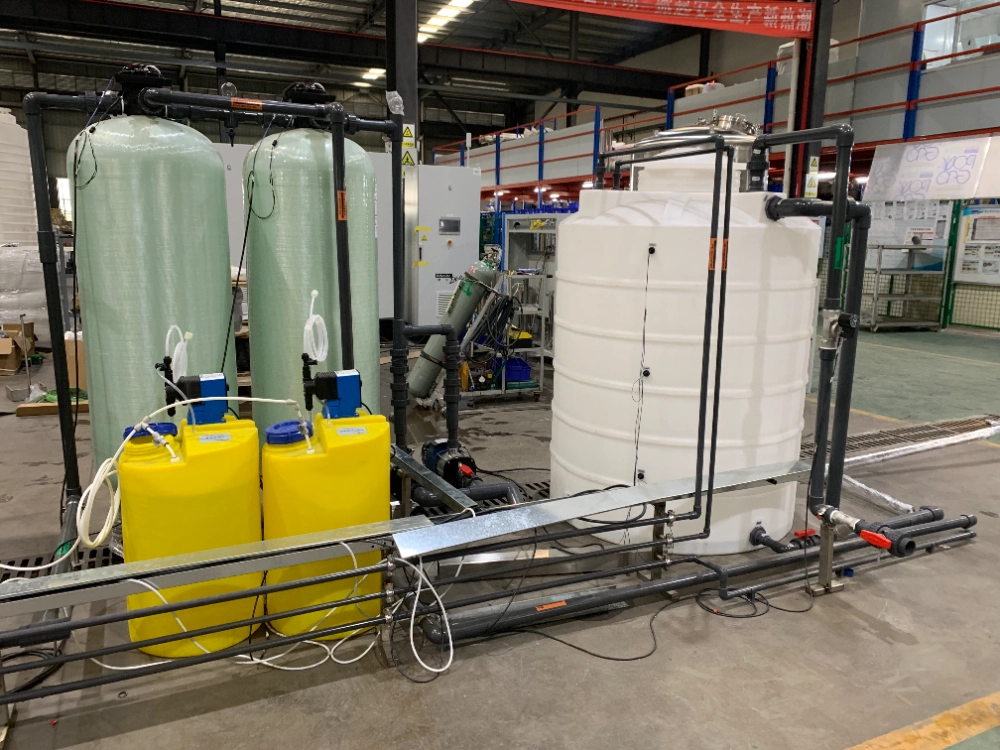
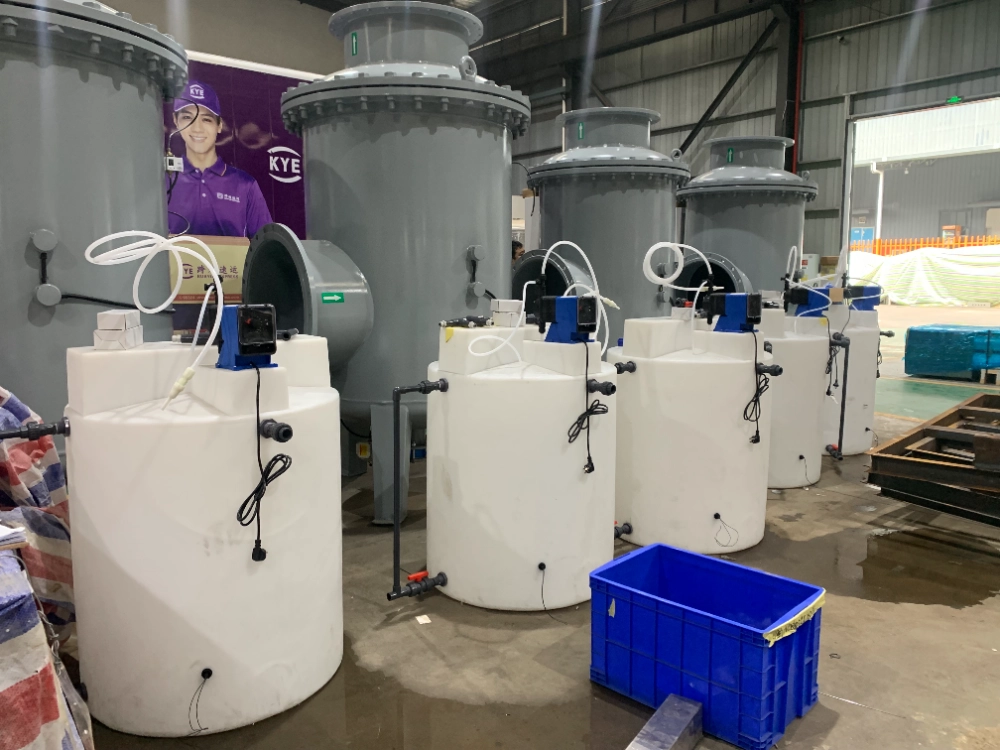
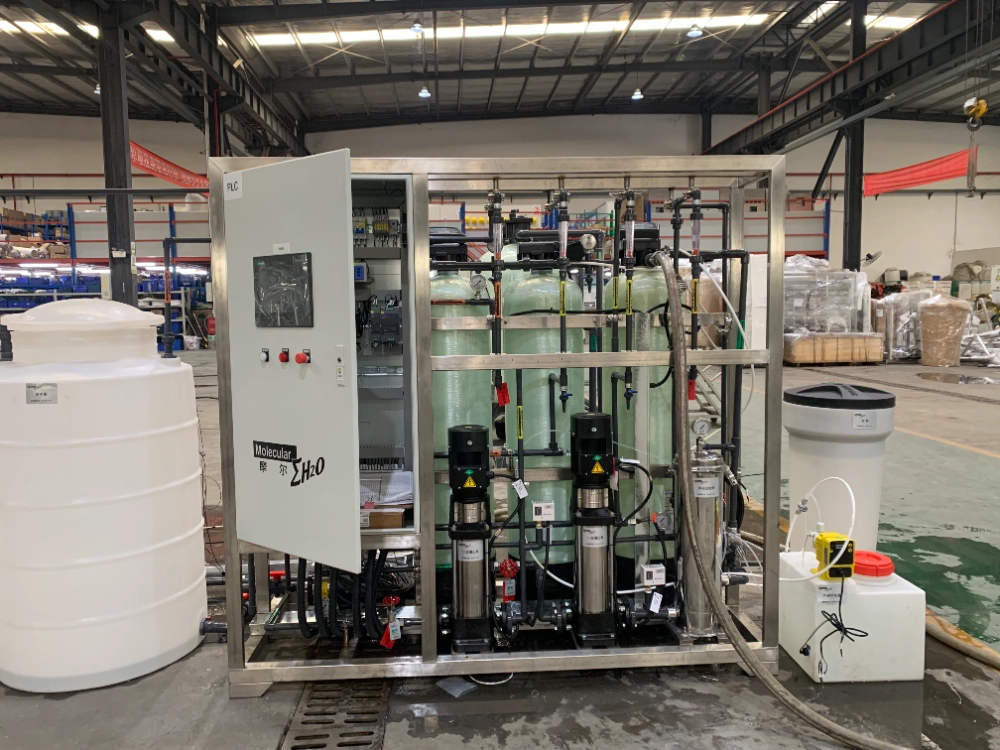
Our chemical treatment technology is an essential part of modern water treatment systems. It works in conjunction with physical and biological treatment methods to achieve precise, efficient, and stable water quality control by transforming, separating, or destroying pollutants through chemical reactions.
Features of Our Chemical Treatment Technology
Coagulation/Flocculation
This process destabilizes colloids and forms flocs to remove suspended solids, turbidity, and color. Key agents include aluminum sulfate, polyaluminum chloride (PAC), and polyacrylamide (PAM).
Neutralization
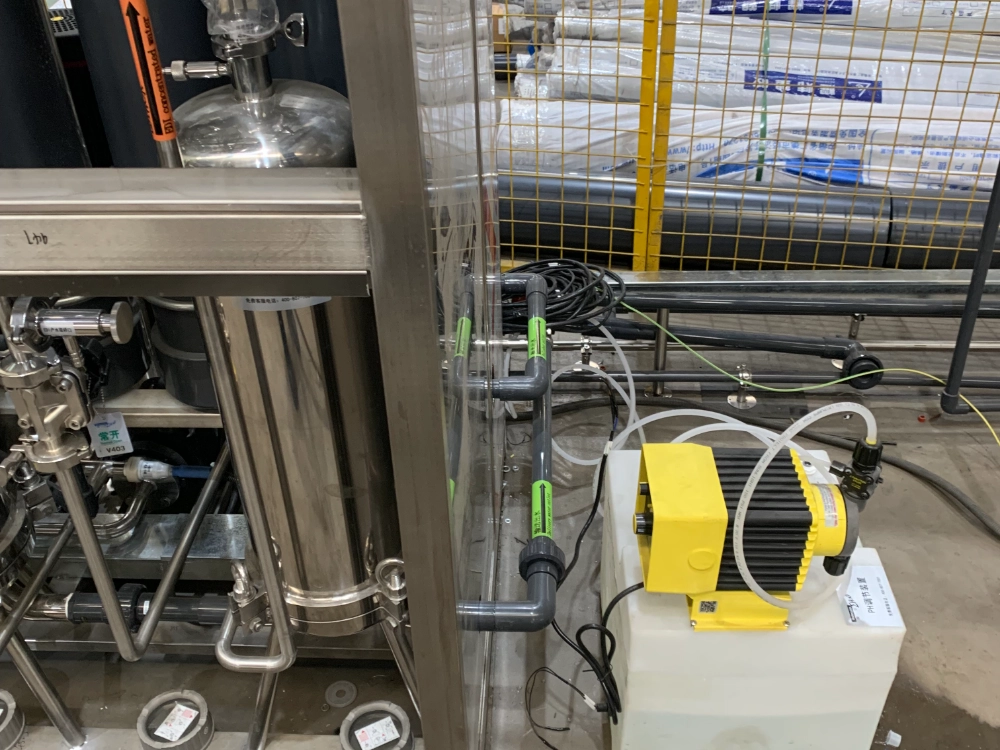
This technology adjusts the pH of water to control its acidity or alkalinity. Common agents include sodium hydroxide (NaOH) and sulfuric acid
Chemical Precipitation
This process converts soluble substances into insoluble precipitates, removing heavy metals, hardness, fluoride, and phosphorus. Agents like lime, soda, and sulfides are used.
Oxidation-Reduction
This method destroys organic matter, disinfects, and removes harmful substances like cyanide and hexavalent chromium. It uses agents such as chlorine, ozone, potassium permanganate, and chlorine dioxide.
Disinfection
This technology kills pathogenic microorganisms like bacteria, viruses, and parasites. It can use agents like chlorine gas and sodium hypochlorite.
Scale and Corrosion Inhibition
This technique prevents equipment from scaling and corrosion. Key agents include polyphosphates and organic phosphates.
Advantages of Our Chemical Treatment Technology
Precision and Efficiency: This technology allows for precise control and targeted removal of specific pollutants in water.
Versatile Application: It can be used for a wide range of water treatment goals, including removing contaminants, disinfecting, and stabilizing water quality.
Synergistic Effect: Chemical treatment technology works synergistically with physical and biological treatment methods to achieve comprehensive and high-quality water purification.
Applications of Our Chemical Treatment Technology
This technology is a crucial tool for achieving various water purification goals across many industries.
Wastewater Treatment
Used to remove suspended solids, heavy metals, and organic pollutants from industrial wastewater.
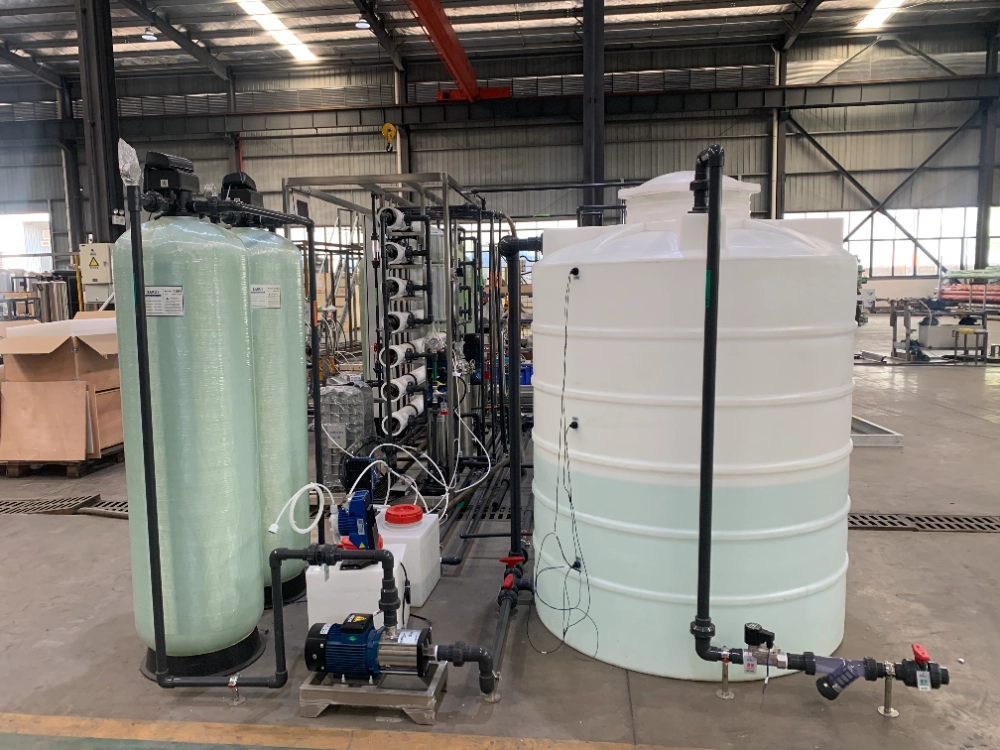
Drinking Water Purification:
Essential for disinfecting drinking water and removing color and odor.
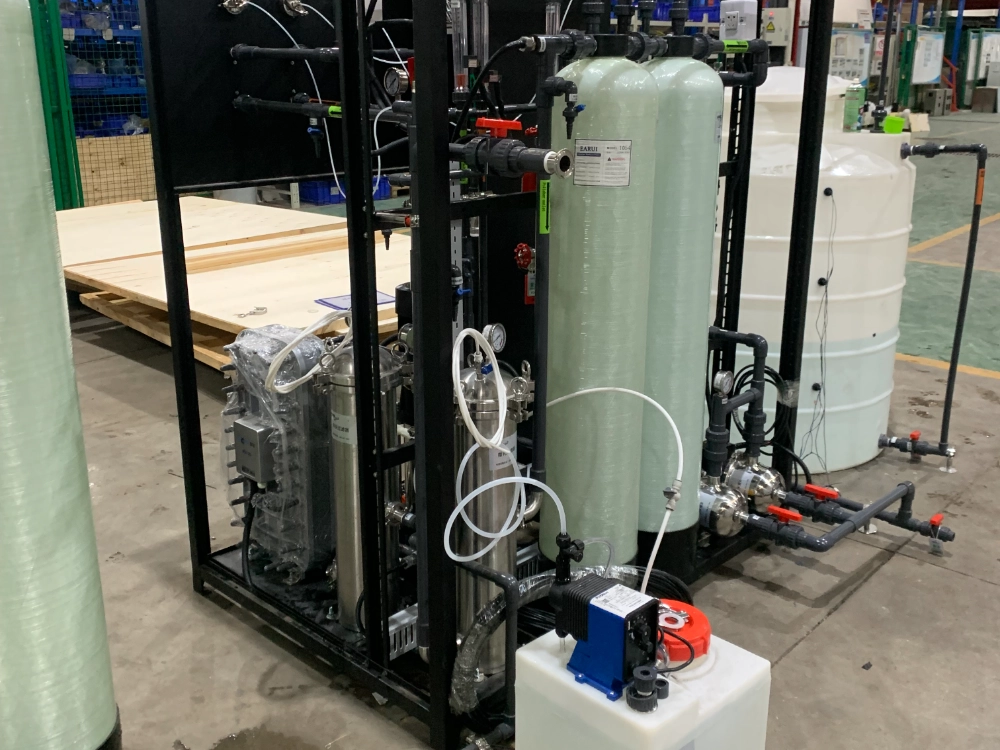
Industrial Processes
Applied to prevent scale and corrosion in industrial equipment and to adjust water quality for specific manufacturing processes.
Frequently Asked Questions
Coagulation/flocculation is a process used to destabilize colloids in water, causing them to form larger particles called flocs that can be easily removed to reduce turbidity and color.
Chemical precipitation works by adding specific chemicals to water that convert dissolved substances, such as heavy metals and hardness ions, into insoluble solids that can be settled out and removed.
Oxidation-reduction is a broader process that destroys organic matter and removes harmful substances through chemical reactions. Disinfection is a specific form of oxidation aimed at killing pathogenic microorganisms like bacteria and viruses.
Common examples of scale and corrosion inhibitors include polyphosphates, organic phosphates, and polycarboxylates, which prevent the buildup of scale and protect equipment from corrosion.
The pH of water can be adjusted using neutralization chemicals. For example, sodium hydroxide (NaOH) is used to increase pH, while sulfuric acid (
Related Articles
PW vs. WFI
RO vs EDI Solution in Pharma
Cost Analysis of RO Technology
Get in touch with us
Don’t let water quality issues stand in your way. MoerWater Purified Water Generator will help you solve all your water quality problems, improve operational efficiency, and ensure your product or experimental results are at the best level.
*Our team will answer your inquiries within 24 hours.
*Your information will be kept strictly confidential.