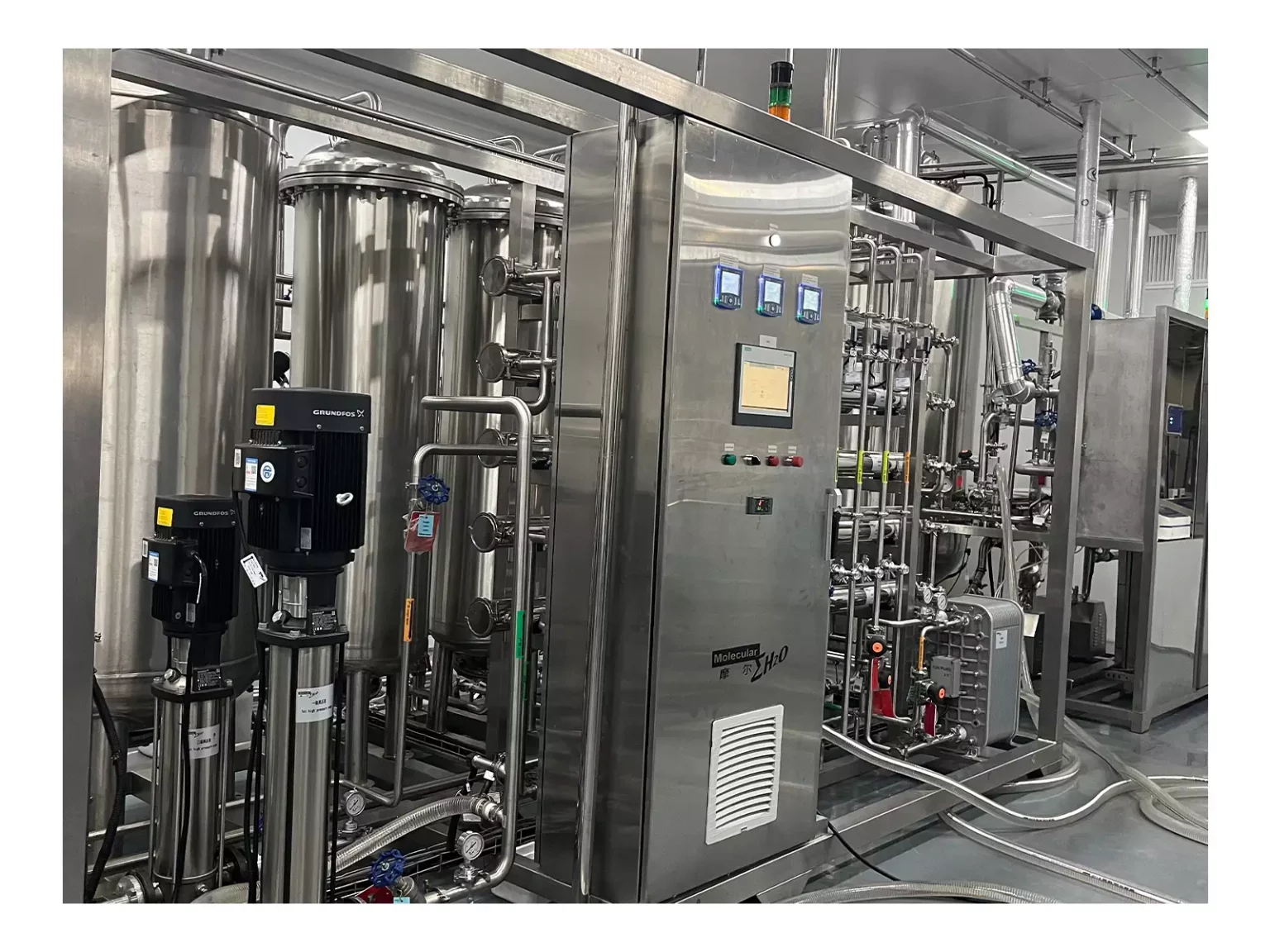
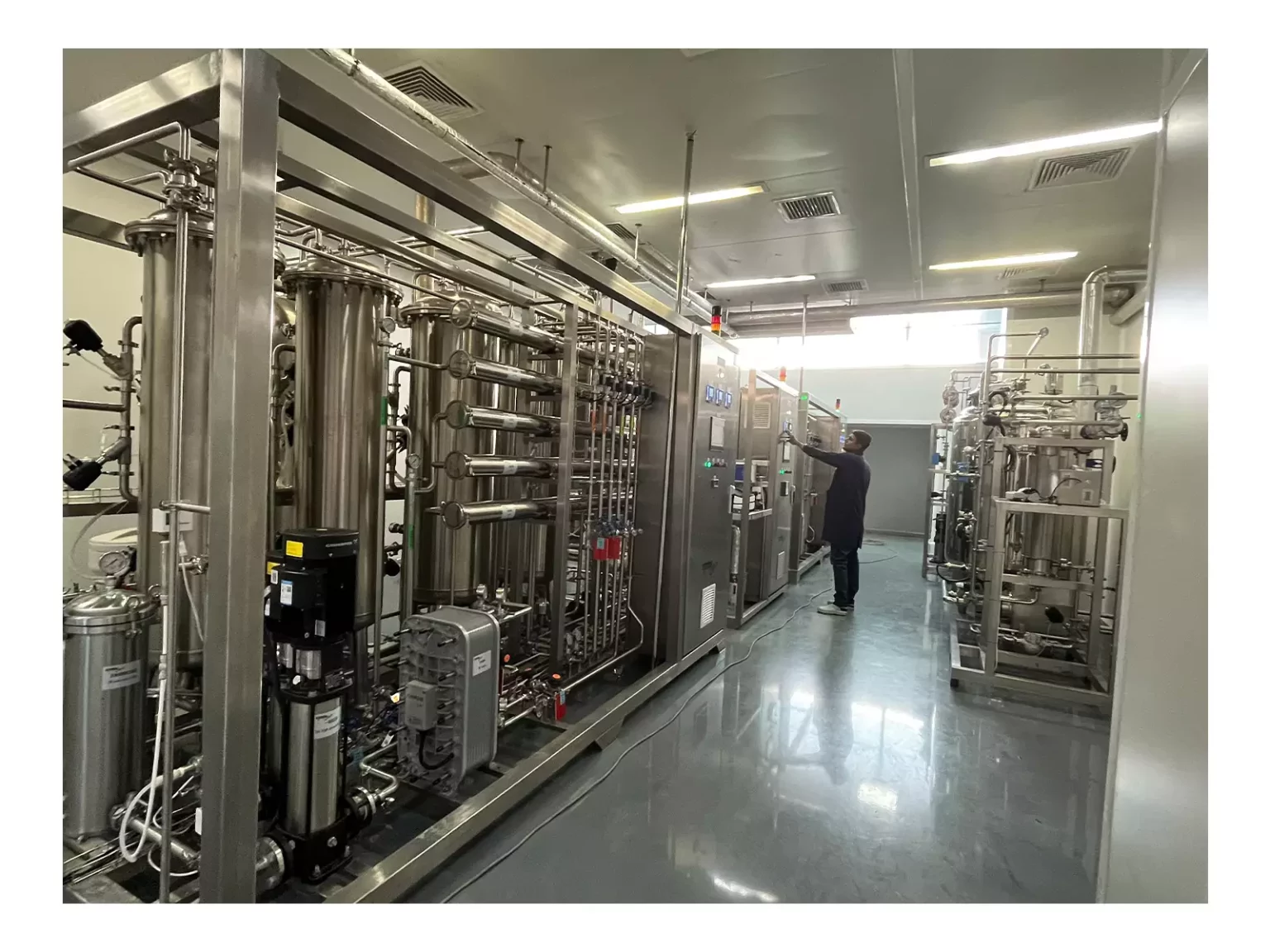
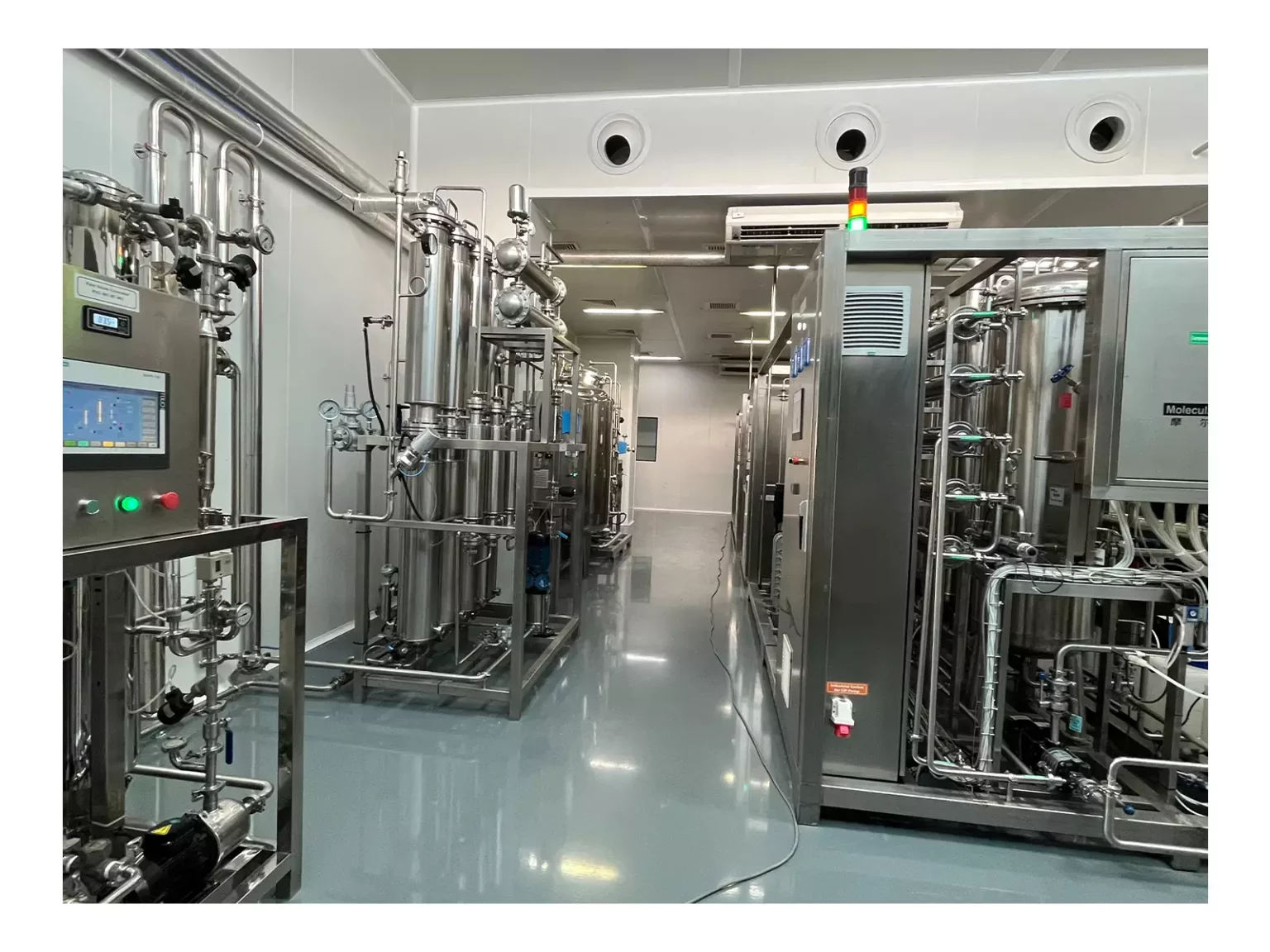
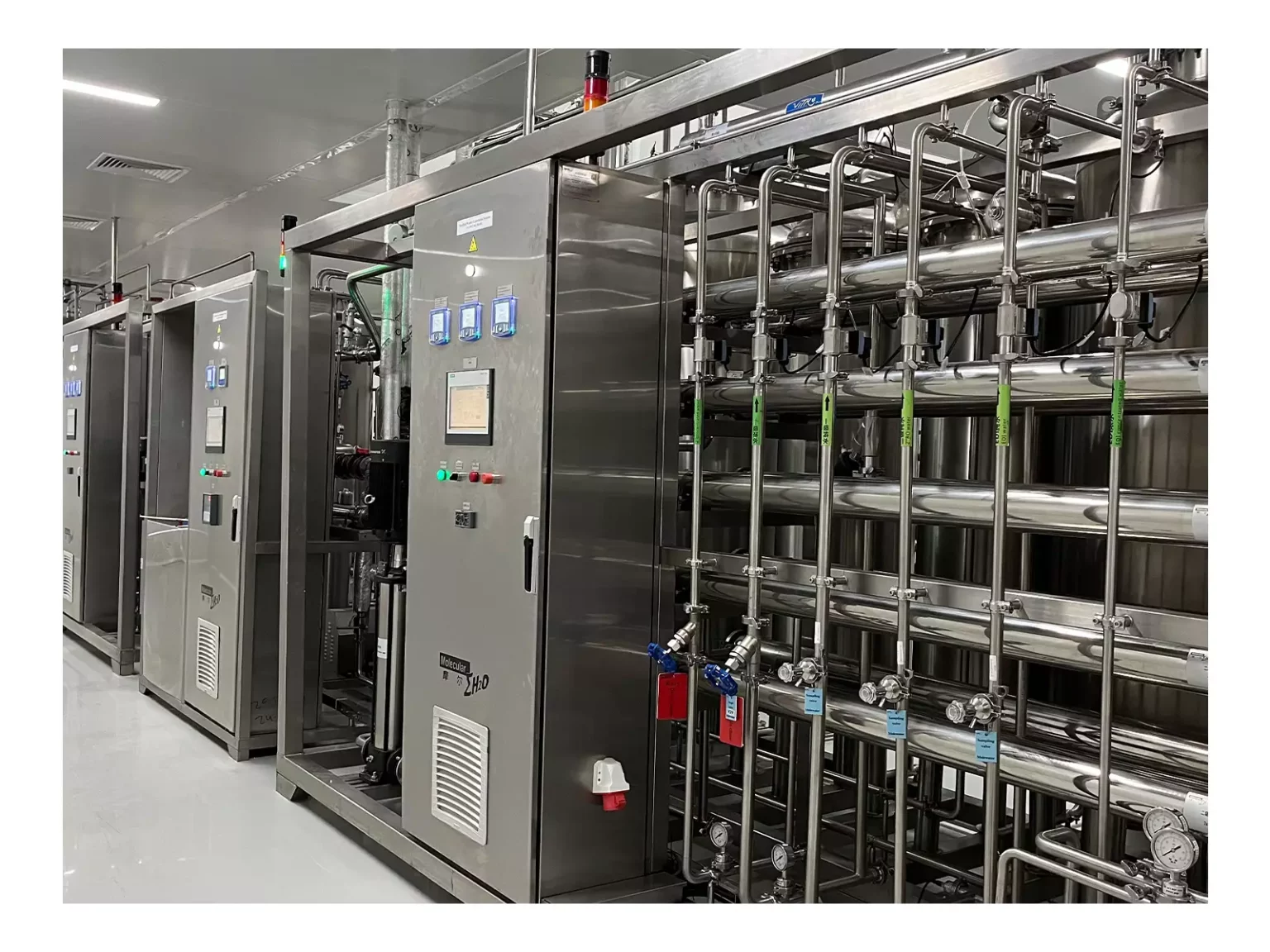
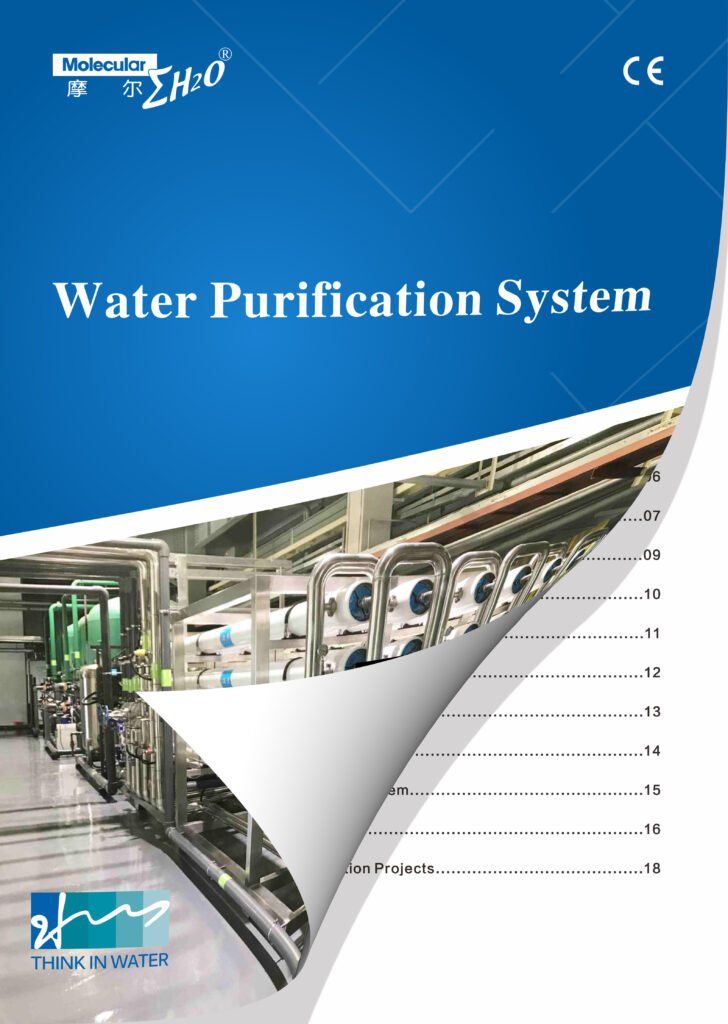
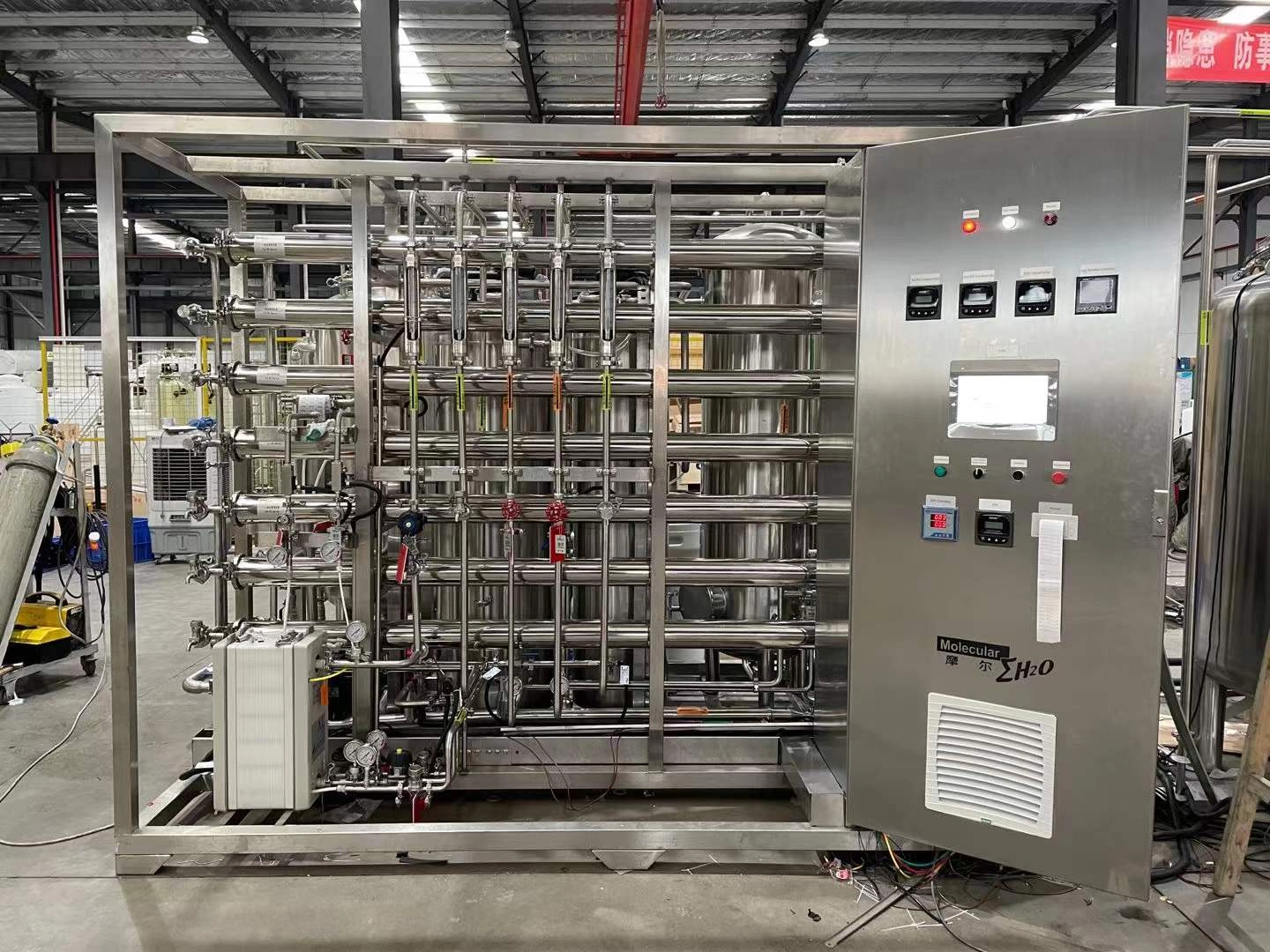
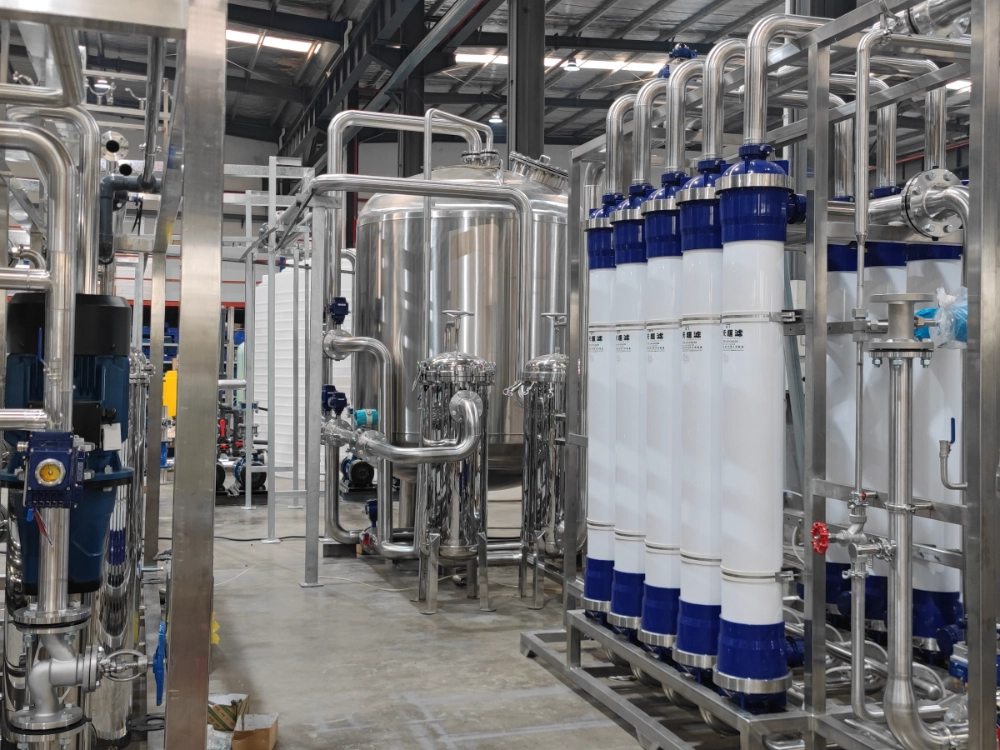
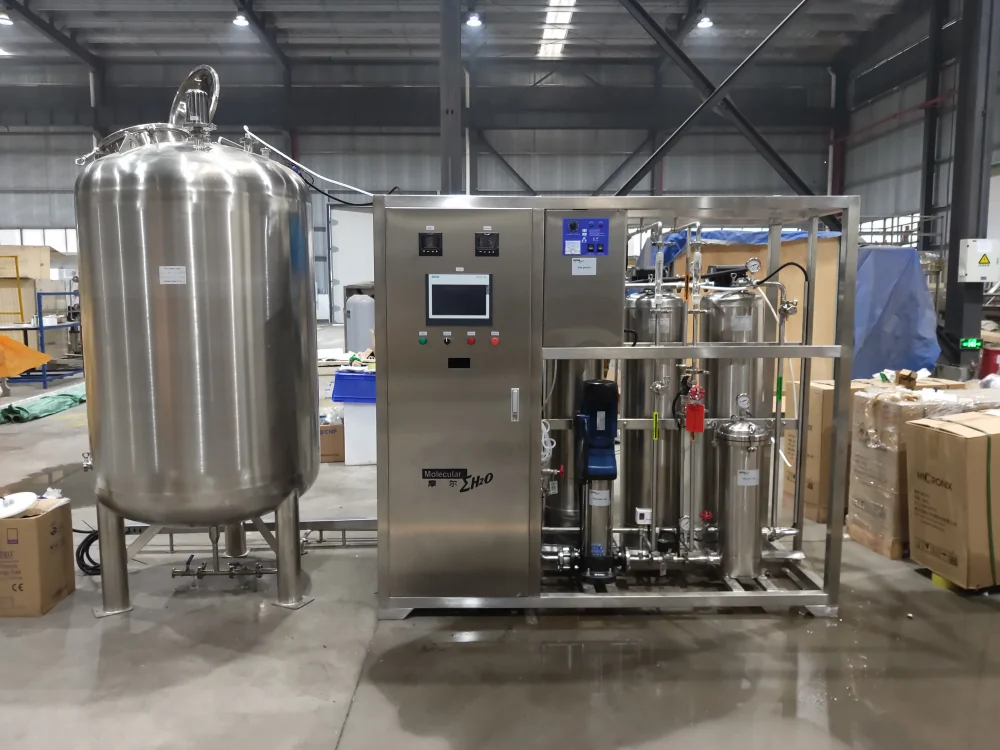
Delivering safe drinking water starts with a purpose-built treatment plant. At Molewater, we design and supply turnkey drinking water treatment plant solutions tailored to source water quality, regulatory requirements, and budget constraints. Our systems combine proven conventional steps with advanced technologies—ensuring compliance, operational reliability, and low lifecycle cost.
A robust treatment train typically includes: raw water intake → coagulation & flocculation → sedimentation/clarification → multimedia filtration (and/or activated carbon) → disinfection (UV / ozone and residual chlorine) → storage and distribution. This sequence is the industry standard used by public health and municipal operators to remove particulates, pathogens and taste/odor compounds.
We Start With Data — Custom Design Based on Source Water
Every project begins with a detailed raw water analysis (turbidity, TOC/UV254, TDS, hardness, iron/manganese, microbiology and emerging contaminants such as PFAS). We combine lab jar tests and pilot trials to optimize coagulant selection, dosing and the choice of downstream units (GAC, UF/RO, ozonation), rather than applying generic templates. This test-driven approach reduces CAPEX surprises and minimizes OPEX.
Standard & Advanced Treatment Options
Conventional Treatment: Coagulation → Flocculation → Sedimentation → Multimedia Filtration → Chlorine residual. Ideal for most surface water sources.
Enhanced Organics/Taste Removal: Granular activated carbon (GAC) or ozone + GAC to control THM precursors and improve aesthetics.
Membrane Solutions: Ultrafiltration (UF) for robust particle and microorganism removal; Reverse Osmosis (RO) for desalination or high-TDS sources.
Disinfection Strategy: Mobile/primary UV or ozone for immediate inactivation plus a controlled residual disinfectant (chlorine/chloramine) to protect distribution networks.
Technical Specifications (Example for 1,000 m³/day Plant)
The highly pure Water for Injection and pure steam generated by our purified water generator are indispensable for various critical processes in the life sciences and pharmaceutical sectors.
A: We select primary disinfection based on target pathogens and DBP (disinfection byproduct) risks — UV/ozone for no residual but high immediate efficacy, followed by a small chlorine residual for network protection where required.
A: Absolutely — jar tests and on-site pilot units are standard practice to validate performance and estimate operating costs before full-scale implementation.
Don’t let water quality issues stand in your way. MoerWater Purified Water Generator will help you solve all your water quality problems, improve operational efficiency, and ensure your product or experimental results are at the best level.
Fill in the information on the right to get the catalog
*Our team will answer your inquiries within 24 hours.
*Your information will be kept strictly confidential.
Get A Quote
*Our team will answer your inquiries within 12 hours.
*Your information will be kept strictly confidential.