
Introduction: RO Water Supply Systems
What is Centralized Supply Water?
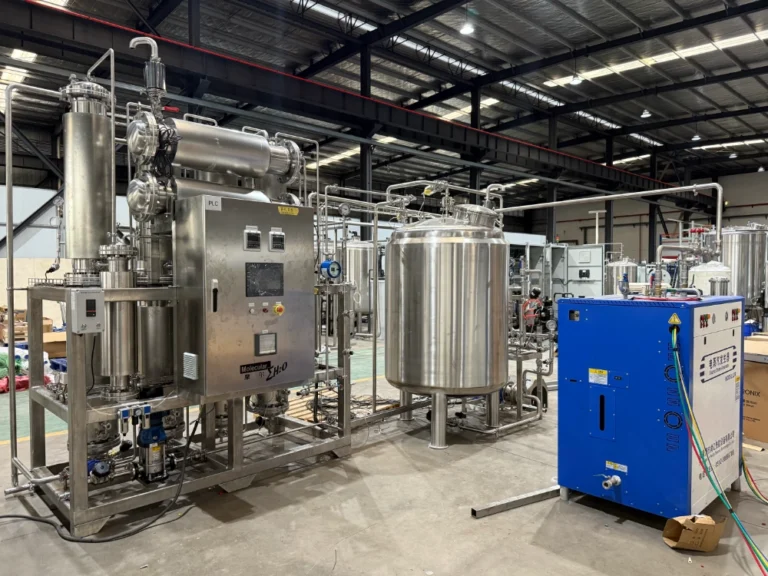
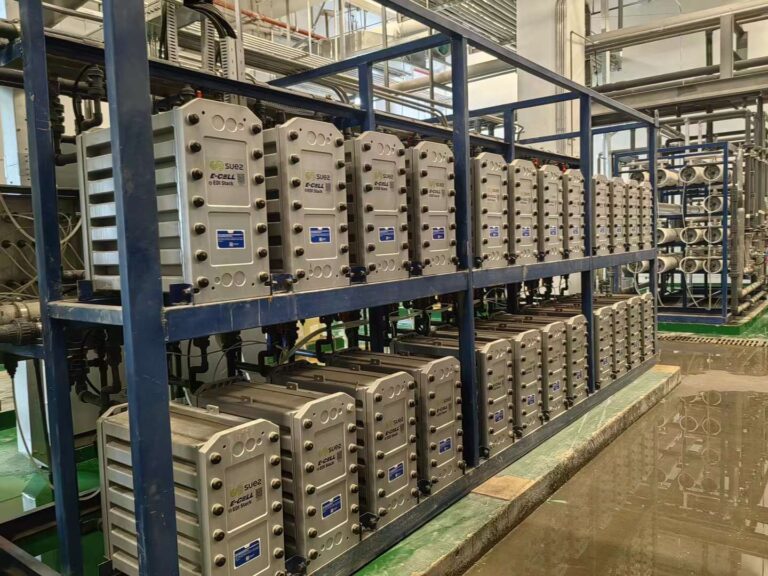
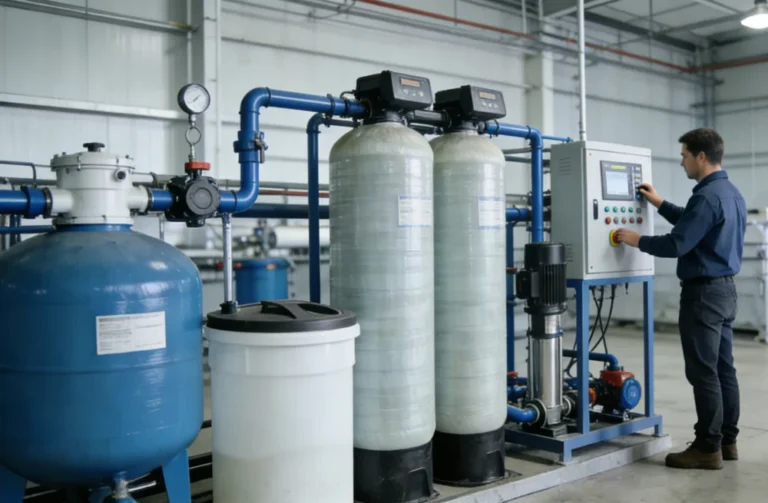
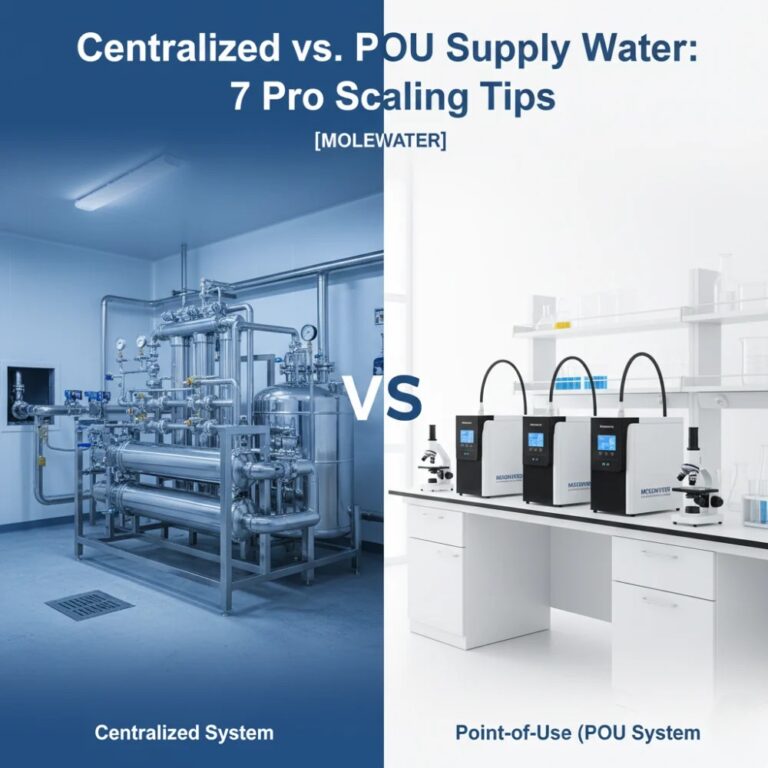
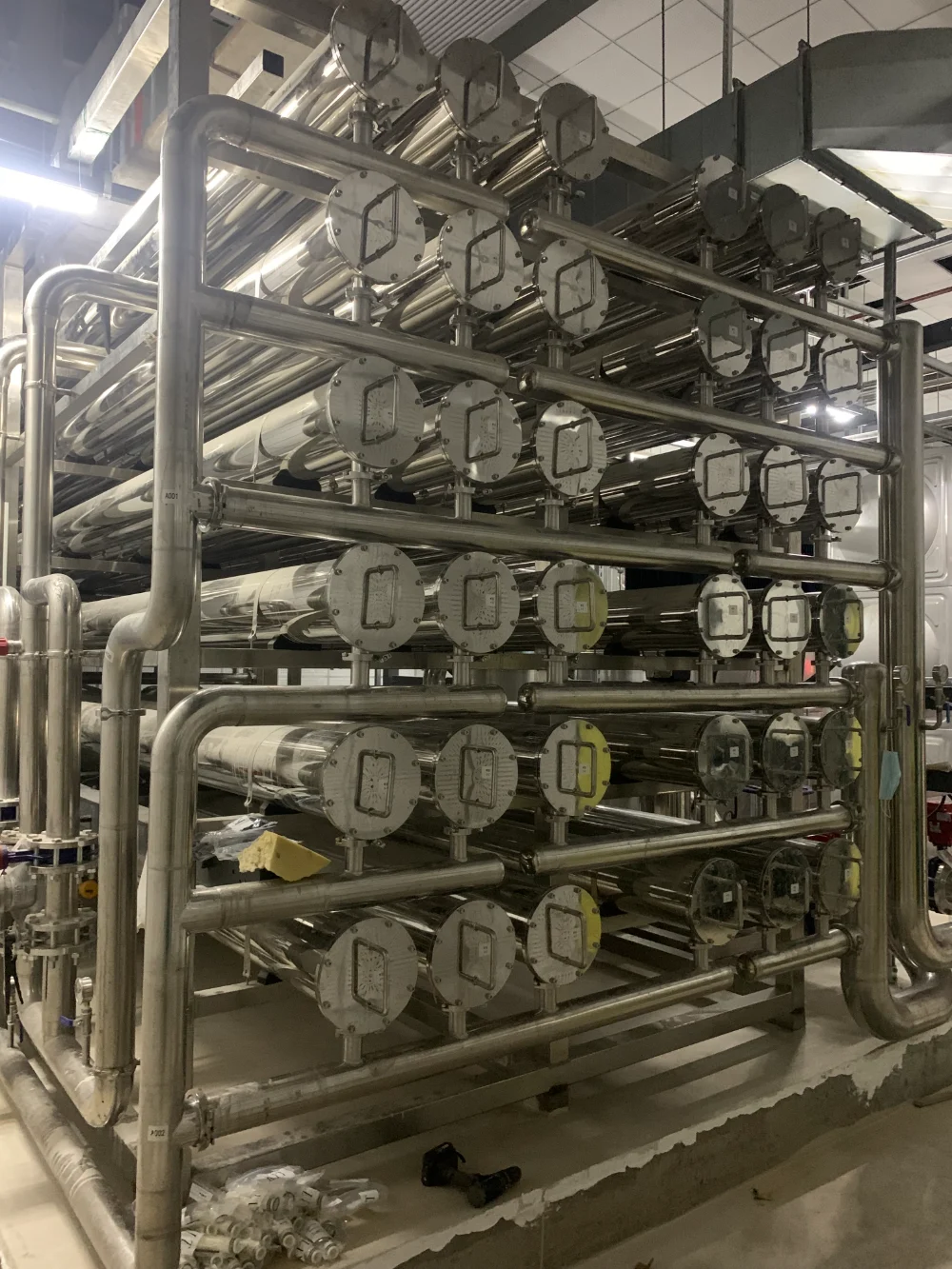
In the commercial, industrial, and water treatment sectors, a centralized water supply system refers to a distribution model where all raw water purification and water quality stabilization processes are completed at a single, dedicated treatment site. The treated water that meets quality standards is then piped to various end-use points across the facility — a setup that stands in direct contrast to decentralized, point-of-use (POU) water systems.
Advantages of Centralized Supply RO
-
Unified Management: All monitoring, filter changes, and chemical dosing happen at one single location.
-
Higher Efficiency: Large-scale industrial RO membranes typically offer better energy-to-water ratios compared to smaller units.
-
Consistency: It ensures identical water quality across every tap in the building, which is vital for standardized processes.
Disadvantages of Centralized Supply RO
-
Risk of Single Point Failure: If the main system goes down, the entire facility loses its water supply.
-
Complex Distribution: Requires extensive high-purity piping (e.g., stainless steel or PVDF) to prevent secondary contamination during transit.
Cost of Centralized Supply RO
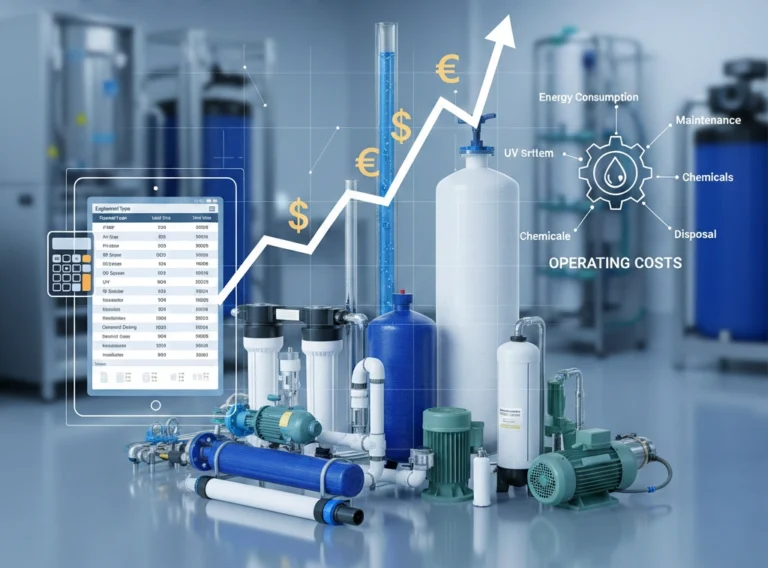
While the cost per gallon of treated water is lower, the initial capital expenditure (CAPEX) for the distribution infrastruc ture and dedicated space is significant.
Applications of Centralized Supply RO
This setup is ideal for large laboratories, hospitals, and semiconductor manufacturing plants with consistent, high-volume needs.
What is POU (Point-of-Use) Water Supply?
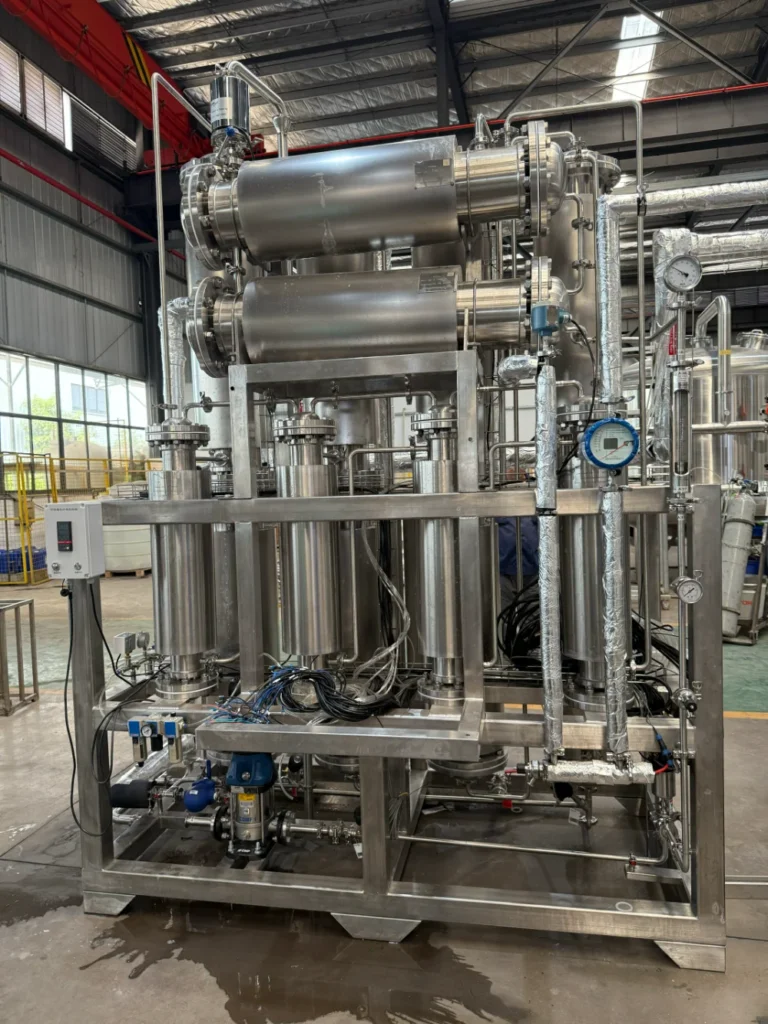
In commercial and industrial water treatment, a point-of-use (POU) water supply system — also referred to as a decentralized water supply system — is a setup where compact, modular water treatment units are installed right next to individual water endpoints. These units purify the local water supply (e.g., municipal tap water or pre-filtered plant water) on-site, eliminating the need for a large central treatment plant and extensive distribution pipelines.
Advantages of POU Supply RO
-
Modular Flexibility: You only install systems where needed, allowing for different water grades at different stations.
-
Easy Installation: Requires minimal piping and no specialized utility room.
-
Redundancy: One unit failing does not affect other departments or the rest of the facility.
Disadvantages of POU Supply RO
-
Maintenance Burden: Managing 20 small units is often more labor-intensive than managing one large one.
-
Higher Consumable Costs: Small filters and membranes are generally more expensive per liter treated than industrial-sized components.
Cost of POU Supply RO
Lower initial investment for smaller facilities, but higher operational expenditure (OPEX) as the number of units and required filter changes increase.
Applications of POU Supply RO
Best for small clinics, research offices with varying water quality requirements, or decentralized industrial sites.
7 Pro Scaling Tips for Your Supply RO Water System
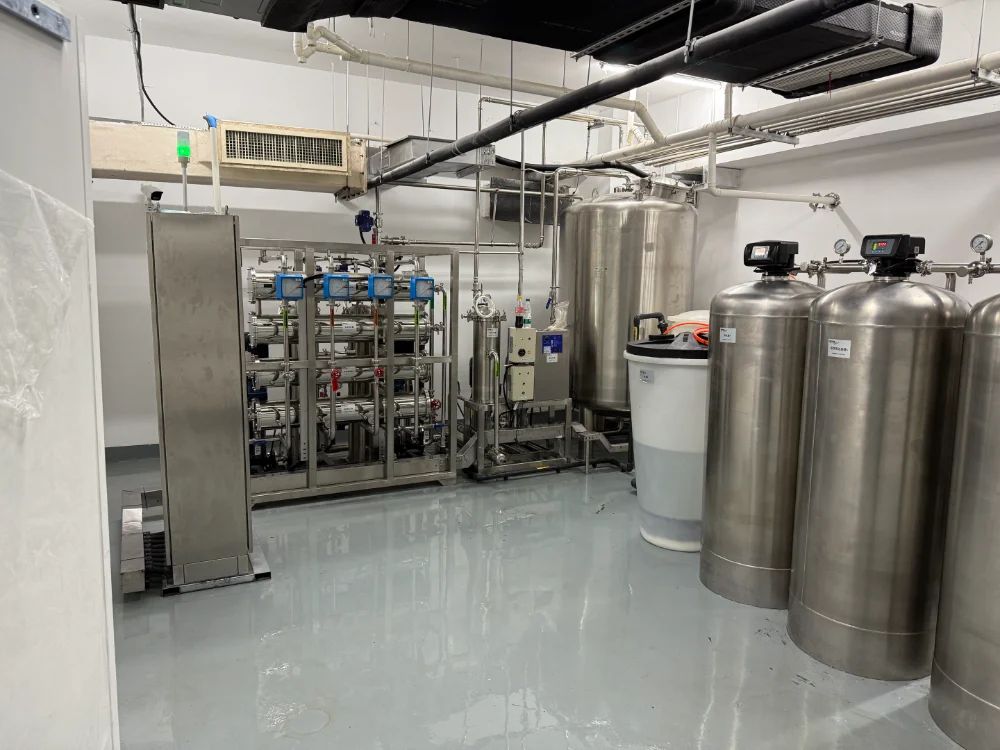
Regardless of whether you choose Centralized or POU, scaling is the primary cause of membrane failure. Follow these 7 professional tips to protect your Supply RO Water System:
-
Prioritize Water Softening: For high-hardness feed water, a water softener is the most cost-effective insurance for your RO membranes.
-
Monitor Temperature Compensation: Scaling increases as water temperatures drop; adjust system pressure settings to maintain flux without overstressing the membrane.
-
Automate Flush Cycles: Ensure your system has an automated pre-and-post-service flush to clear concentrated brine from membrane surfaces.
-
Optimize Antiscalant Dosing: Use laboratory-grade antiscalants specifically formulated to prevent calcium and silica precipitation in high-recovery systems.
-
Track Conductivity in Real-time: A sudden spike in permeate conductivity is your first warning sign of scale-induced bypass or membrane degradation.
-
Avoid Overworking the System: Running your POU units at 80% of their maximum capacity significantly extends membrane life compared to running them at 100%.
-
Implement Timely CIP (Clean-In-Place): Perform a chemical cleaning when production drops by 10%. Waiting for a 30% drop often results in irreversible scaling damage.
Centralized VS POU (Summary Comparison Table)
| Feature | Centralized Supply RO | POU Supply RO |
| Footprint | Large (Dedicated Room) | Small (Under Bench/Wall) |
| Water Quality | Single, High-Grade | Customizable per Station |
| Initial Cost | High (Infrastructure) | Low (Per Unit) |
| Maintenance | Centralized & Efficient | Decentralized & Frequent |
| Scaling Risk | Managed via Auto-Dosing | Managed via Pre-filtration |
Conclusion: Which Architecture Suits Your Facility?
The decision depends on your volume and the variety of your technical needs. For massive, uniform demands, Centralized Supply Water remains the industry standard for efficiency. For diverse, low-volume needs with specific quality requirements at different points, POU Supply Water offers unmatched flexibility.
Optimize Your Supply RO Water System Today
Still unsure which Supply RO Water System fits your budget and technical requirements? Our engineering team provides complimentary water chemistry audits and system design consultations. [Contact Molewater for a Custom RO Quote]