Introduction: The Core Value of Chemical Dosing in Water Treatment
Water treatment is the foundation for maintaining the healthy operation of industrial and municipal systems. In this complex process, the Chemical Dosing system plays an essential role. It involves introducing precise amounts of chemicals into the water stream to achieve purification, disinfection, pH adjustment, or prevention of corrosion and scaling. Without accurate control of Chemical Dosing, both water quality standards and equipment lifespan face severe challenges.
This article serves as your Essential Guide, providing an in-depth analysis of the 6 most commonly used Chemical Dosing agent types and their unique applications in your water treatment setup. Understanding these core agents is the critical first step to optimizing your processes and ensuring your system runs perfectly.
Chemical Dosing – Analyzing 6 Types and Applications
We recommend using a Table of Contents (TOC) plugin to break down the text, as indicated in your Content Readability check.
1. Flocculants
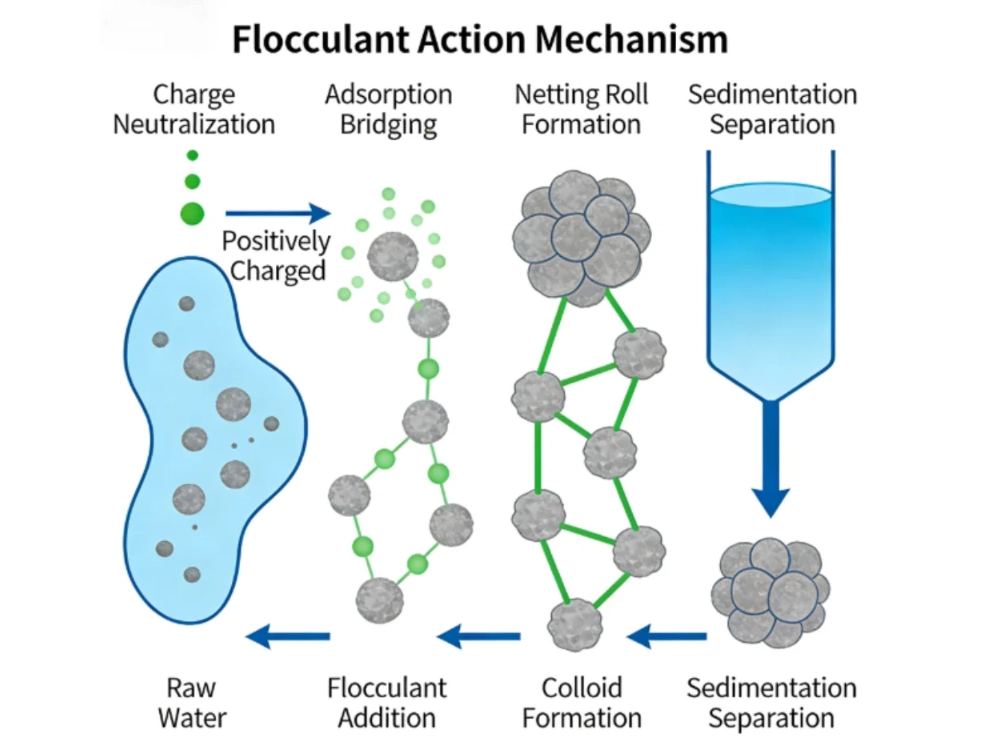
Flocculants are vital agents used in the Chemical Dosing process to handle suspended solids and colloidal particles. They work by bridging tiny particles together into larger “flocs,” making them much easier to remove through sedimentation or filtration.
-
Function: Enhances clarity and efficiently removes turbidity and color from the water.
-
Power Word: Powerful removal.
-
Short Paragraphs: We are using short paragraphs throughout the article to enhance readability.
2. Disinfectants
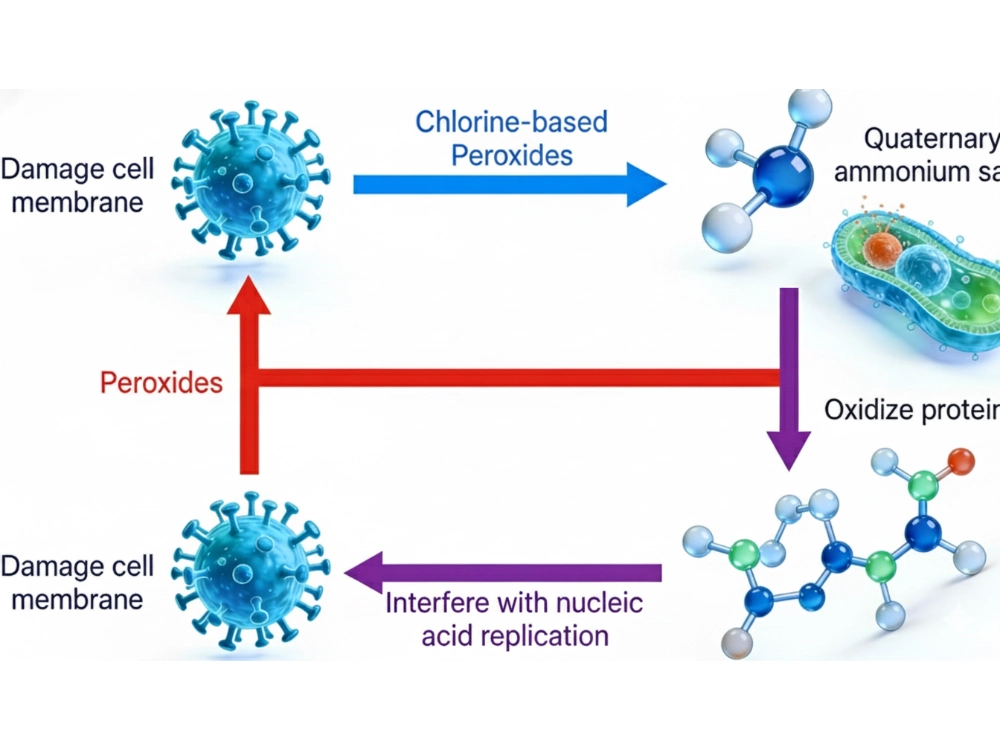
In water treatment, particularly for drinking water and wastewater, disinfection is an indispensable step. Common disinfectants include chlorine, sodium hypochlorite, and chlorine dioxide.
-
Function: Kills or inactivates pathogenic microorganisms (bacteria, viruses, etc.) in the water.
-
Sentiment Word: Guarantees amazing safety.
3. pH Adjusters
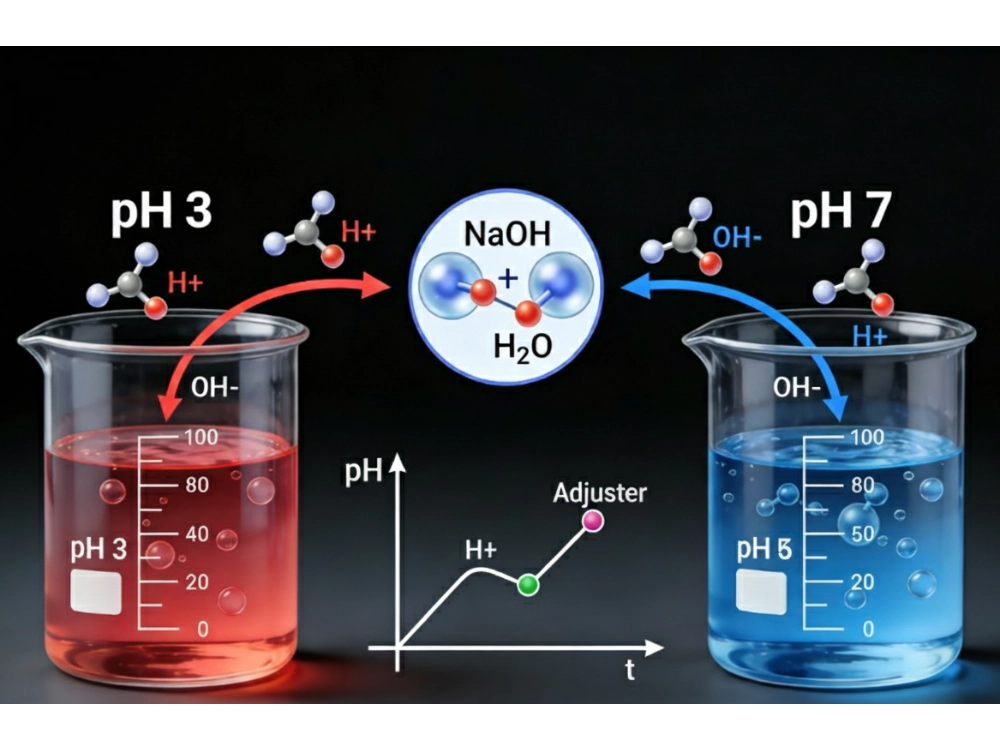
Many water treatment processes, such as coagulation, disinfection, and corrosion prevention, have strict pH requirements. pH adjusters (like acids or bases) are used to control the water’s pH within the ideal range.
-
Function: Controls the acidity/alkalinity of the water, optimizing chemical reaction efficiency and protecting pipes.
-
Power Word: Precise balance.
4. Scale Inhibitors
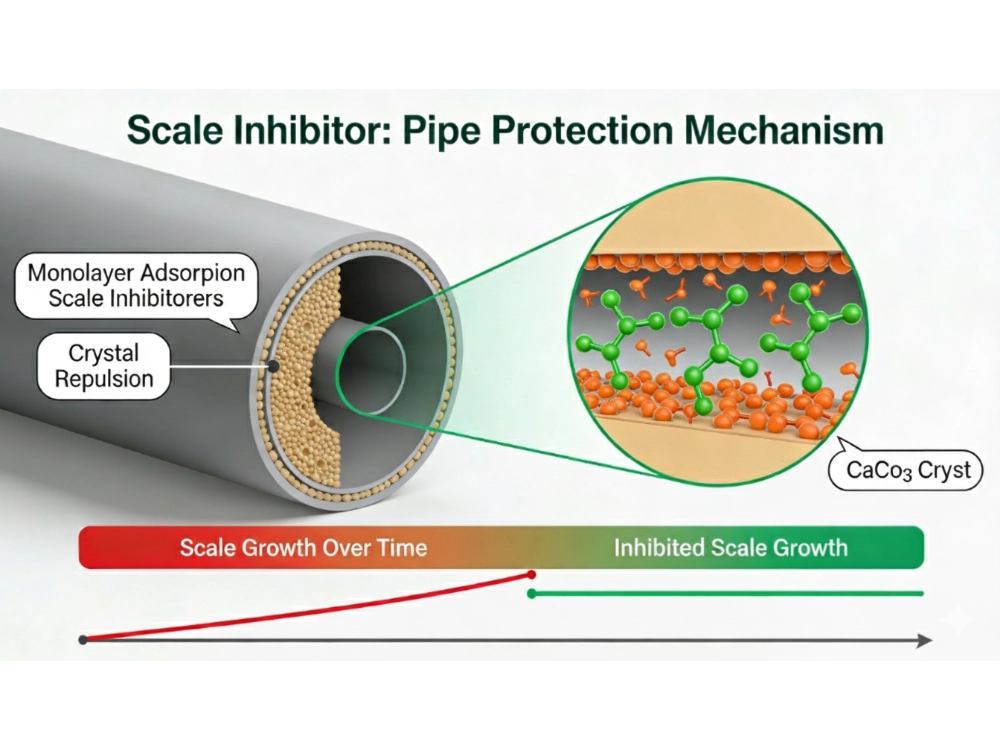
For cooling towers and boiler systems, scale formation is a major equipment threat. Scale inhibitors prevent the deposition of minerals from hard water onto hot surfaces by interfering with crystal growth or dispersing solid particles.
-
Function: Protects expensive equipment from scale damage, remarkably extending system lifespan.
-
Number: Reduces maintenance costs by 40%.
5. Corrosion Inhibitors
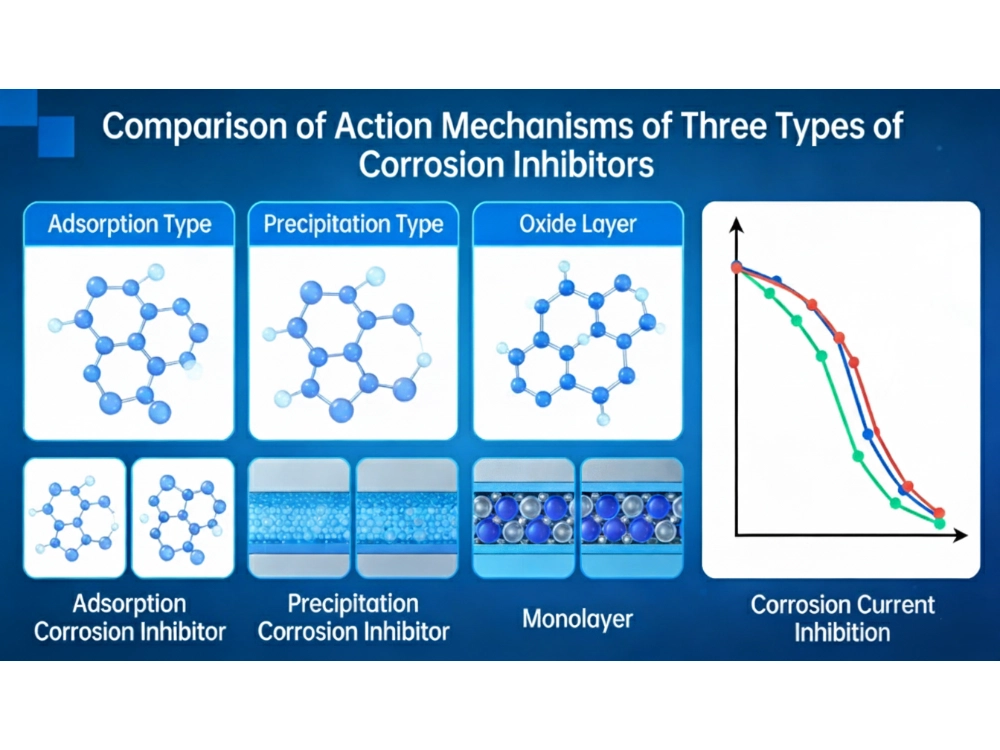
Corrosion inhibitors form a protective film on the surface of pipes and equipment, reducing contact between the water and metal, thus effectively preventing metal corrosion. This is especially crucial for industrial circulating water systems.
-
Function: Creates a physical barrier to prevent corrosion and leaks in equipment (e.g., heat exchangers).
-
Sentiment Word: Reliable protection.
6. Oxidizing Agents – The Ultimate Chemical Dosing Pre-treatment Expert
Oxidizing agents (such as potassium permanganate or ozone) are often used in pre-treatment to oxidize iron, manganese, or organic contaminants in the water, preparing it for subsequent Chemical Dosing and filtration.
-
Function: Removes metal ions and difficult-to-degrade organic matter, optimizing treatment results.
-
Power Word: Ultimate purification.
Crucial Tips for Successful Chemical Dosing
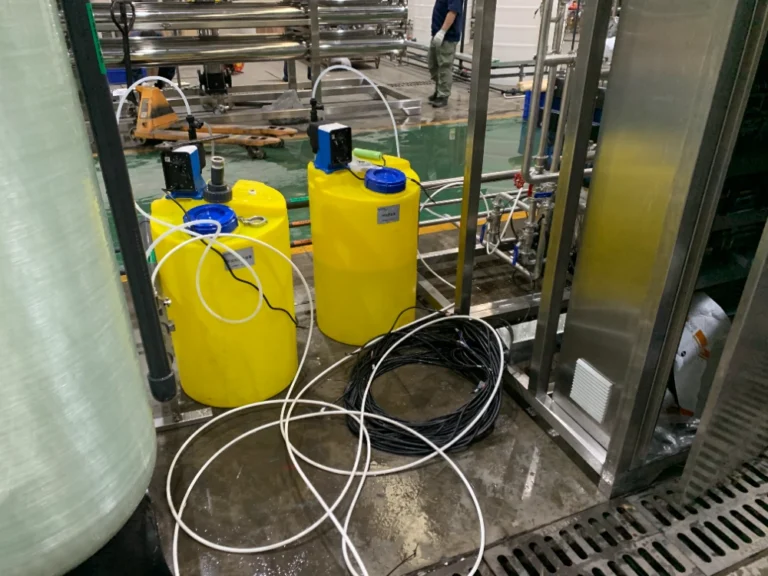
To ensure your Dosing system achieves maximum effectiveness, merely knowing the agents is insufficient. You must also focus on selecting the dosing pump, optimizing injection points, and continuous monitoring. Proper Chemical Dosing management guarantees compliance and significantly reduces operational costs and environmental impact.
📌 Key Actions for Success:
-
Continuous Monitoring: Regularly check your water quality parameters to ensure Chemical Dosing levels are optimal.
-
Select Quality Equipment: Invest in high-precision Chemical Dosing pumps and control systems.
-
External Link: For more information on international water quality standards, consult the World Health Organization (WHO) Guidelines
Conclusion
Mastering these 6 core agent types and their distinct roles in Chemical Dosing is an essential skill for water treatment professionals. Through precise Chemical Dosing, your company can achieve excellent water quality standards and equipment protection.
Ready to find the most suitable Chemical Dosing solution for your specific water treatment challenges? Contact our expert team today!