Pyrogen contamination is not merely a compliance issue; it is a critical matter of patient safety that demands immediate attention from every player in the water treatment and healthcare sectors. For facilities providing hemodialysis, the water used in treatment is essentially a direct route into the patient’s bloodstream. Therefore, controlling pyrogen and endotoxin levels is non-negotiable for survival and compliance.
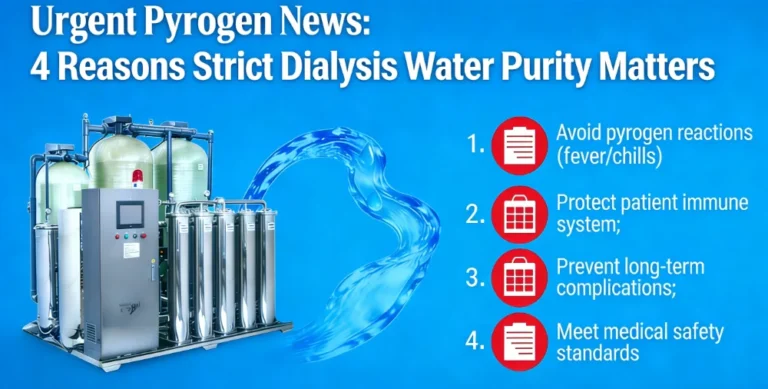
This article details the four most crucial reasons why stringent pyrogen control in dialysis water is paramount.
Why Pyrogen Exposure Poses a Deadly Risk (Acute Reactions)
When pyrogens—specifically bacterial endotoxins—enter the patient’s circulation during dialysis, they trigger severe acute inflammatory responses. This can quickly manifest as fever, chills, hypotension, and even septic shock, posing a deadly and immediate risk to the patient.
-
Crucial Insight: The FDA and international pharmacopeias set extremely low action levels for endotoxins because even minimal contamination can have catastrophic effects on vulnerable dialysis patients.
-
Actionable Step: Implement continuous monitoring and trending of endotoxin levels, not just batch testing.
The Silent Threat of Chronic Inflammation (Long-Term Damage)
Beyond acute reactions, low-level exposure to pyrogens over time is linked to chronic complications. Repeated exposure, even at concentrations deemed “acceptable” by outdated standards, contributes to a state of chronic inflammation.
-
Long-Term Impact: This silent inflammation is a key driver in the development and acceleration of dialysis-related amyloidosis, malnutrition, and resistance to erythropoietin therapy, significantly impacting patient quality of life and survival rates.
-
Keyword Density Check: We are naturally integrating the pyrogen keyword while discussing its pathological effects.
Regulatory Compliance: Avoiding Major Audit Failure
Compliance with guidelines set by governing bodies (such as the AAMI, ISO, and local Health Departments) is fundamental to operating a dialysis unit. These regulations specifically mandate the maximum allowable level of endotoxins in water for hemodialysis. Failure to meet these strict pyrogen limits results in immediate audit failure and potential facility shutdown.
-
The Standard: Water used to prepare dialysate must consistently meet the required endotoxin criteria (e.g., typically <0.25 Endotoxin Units (EU)/mL).
-
External Link (DoFollow): To learn more about the specific AAMI standards for water treatment, you should consult the latest ANSI/AAMI RD52 guidelines.
Maintaining the Integrity of the Entire Water System
A breach in pyrogen control often indicates a fundamental flaw in the entire water treatment process—be it inadequate disinfection, filter breakthrough, or biofilm proliferation. Addressing pyrogen contamination forces facility managers to assess and maintain the integrity of every component, including pre-treatment, reverse osmosis (RO) systems, and distribution loops.
-
Preventative Measures: Regular system validation, thermal or chemical disinfection, and the use of ultrafilters are essential steps to prevent biofilm growth and subsequent pyrogen release.
-
Pro Tip: Your water management team must use a robust, validated testing method to confidently measure pyrogen levels.
Conclusion: Purity is Paramount
The four reasons outlined above underscore one crucial truth: in dialysis, water purity is directly linked to patient outcomes. Prioritizing endotoxin control is not just about compliance; it’s an ethical commitment to providing the safest possible care.
Achieving ultra-pure, endotoxin-free water requires a multi-barrier approach. 4 essential technologies form the backbone of a reliable endotoxin control system:
1.Reverse Osmosis (RO): A primary physical barrier, highly effective at removing the majority of endotoxins due to their large molecular weight.
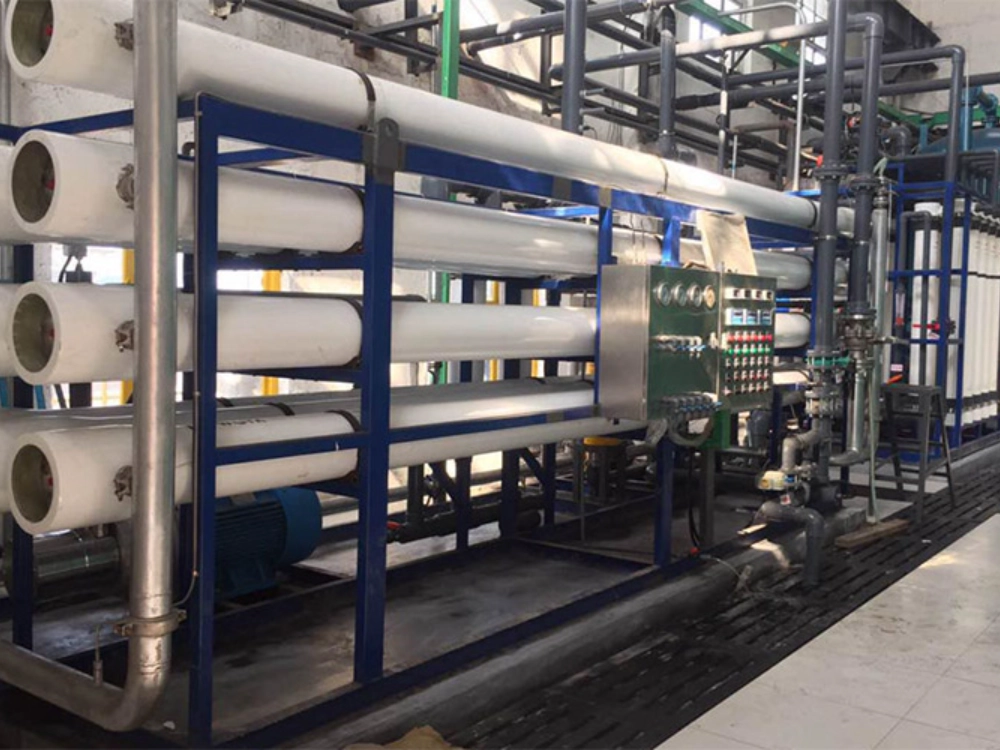
2. Ultrafiltration (UF): Post-RO, specialized ultrafilters with a tight molecular weight cut-off (MWCO) are crucial for polishing the water and trapping any trace endotoxins that may breach the RO membranes.
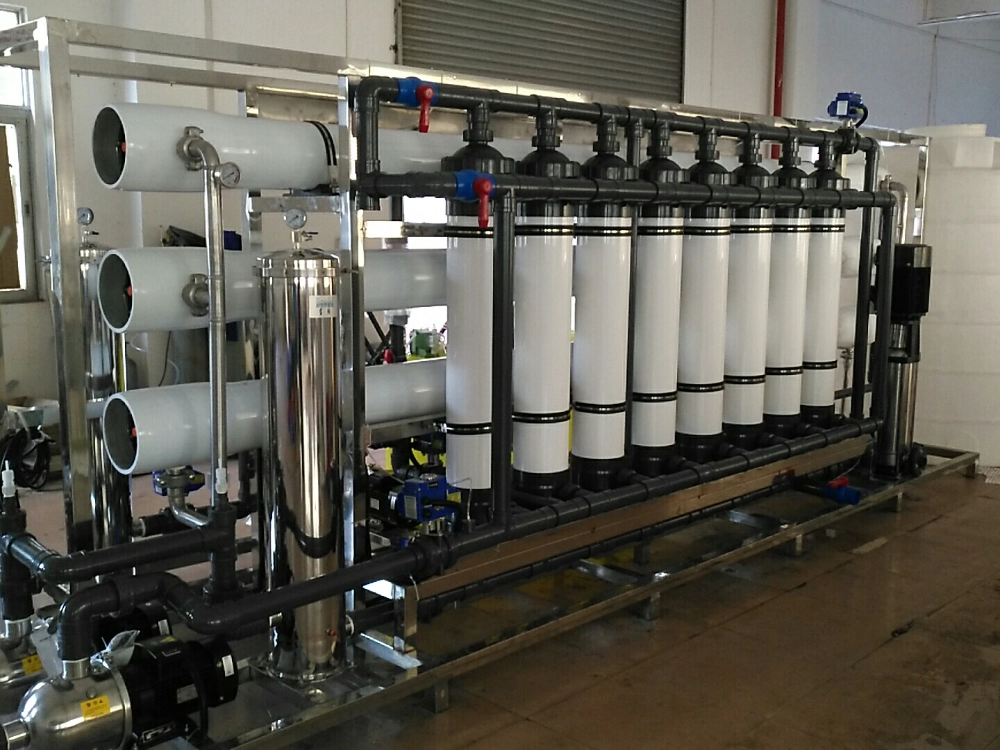
3. Continuous Sanitization: Preventing biofilm buildup in distribution loops is key, as biofilms are the source of most pyroge contamination.
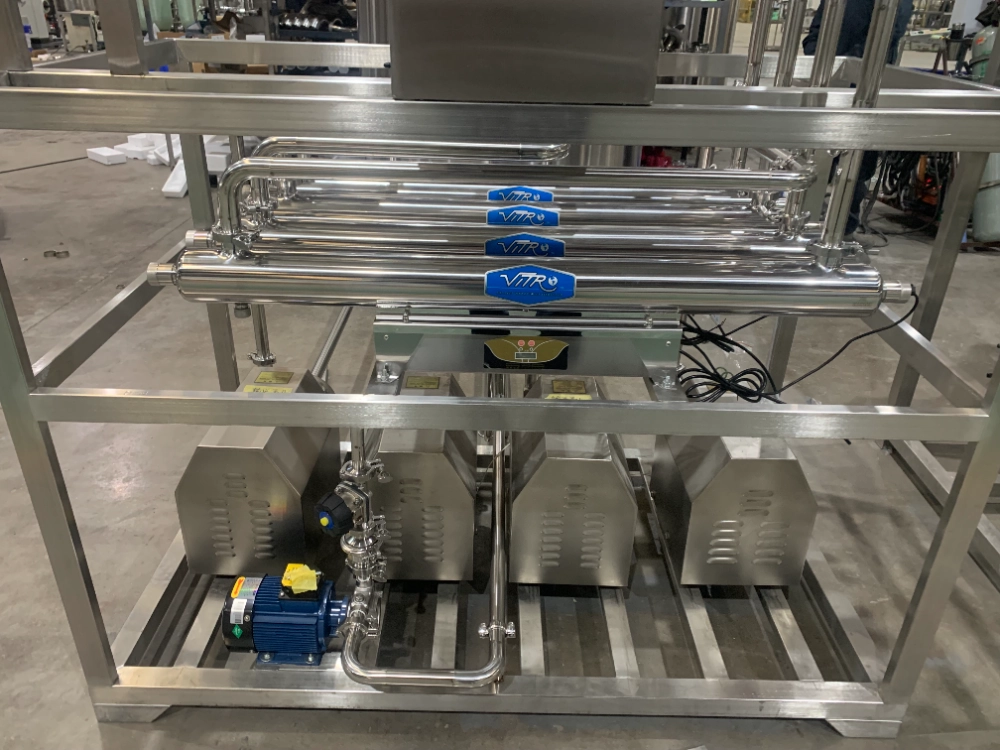
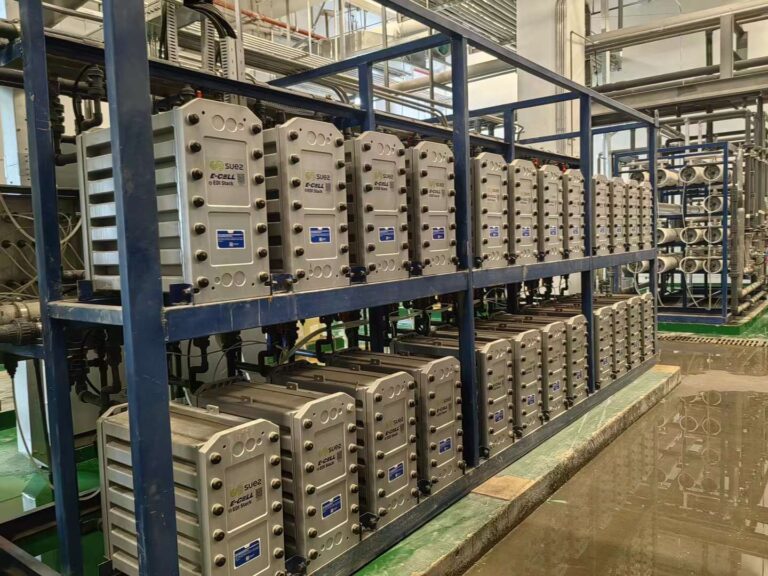
4. Deionization (DI): While primarily for ion removal, DI resins must be frequently sanitized to prevent them from becoming breeding grounds for bacteria, which in turn release pyrogens.