Choosing the right pharmaceutical water system is one of the most critical infrastructure decisions a pharmaceutical manufacturing facility can make. This decision directly impacts product quality, regulatory compliance, and operational continuity. With the rise of complex biologics and increasingly stringent global standards, understanding what constitutes a modern pharmaceutical water purification system and how to implement it strategically is essential. This guide provides a detailed roadmap for selecting, validating, and maintaining the pharmaceutical water system that will become the reliable foundation of your production.
What Exactly Are Pharmaceutical Water Purification Systems? Beyond the Basics
A pharmaceutical water system is an engineered process designed to consistently produce Water for Injection (WFI) or Purified Water (PW) that meets the stringent specifications of pharmacopeias like USP <1231> and EP. The design and operation of a pharmaceutical water system are governed by the need for absolute control over microbial, chemical, and particulate contamination.
-
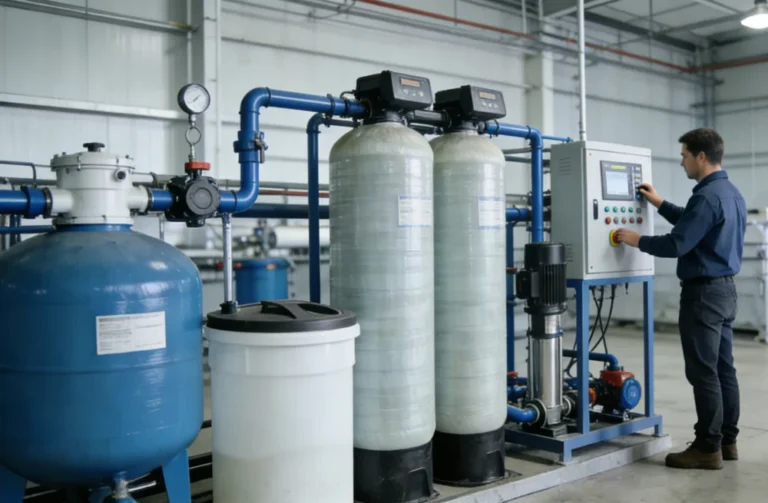
What is Purified Water (PW) in a Pharmaceutical Water System? Produced by technologies like reverse osmosis (RO), PW is used in non-sterile processes. A robust pharmaceutical water system for PW must control conductivity, TOC, and microbial levels.
-
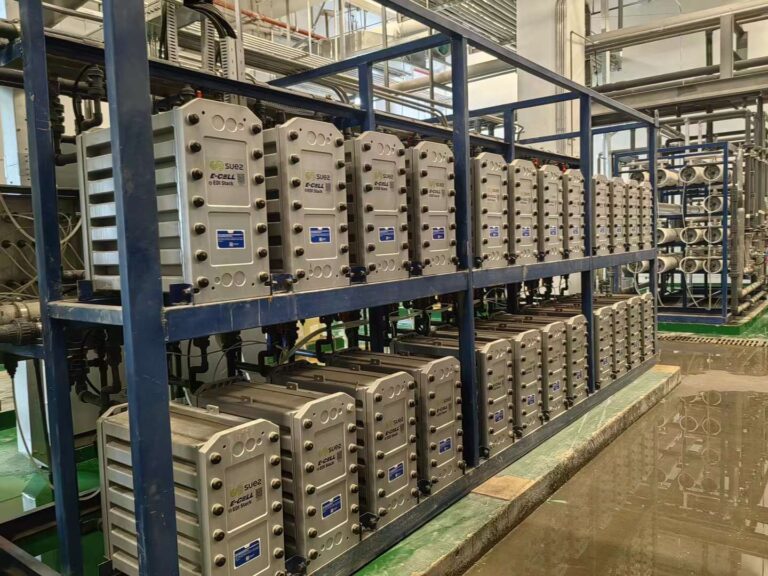
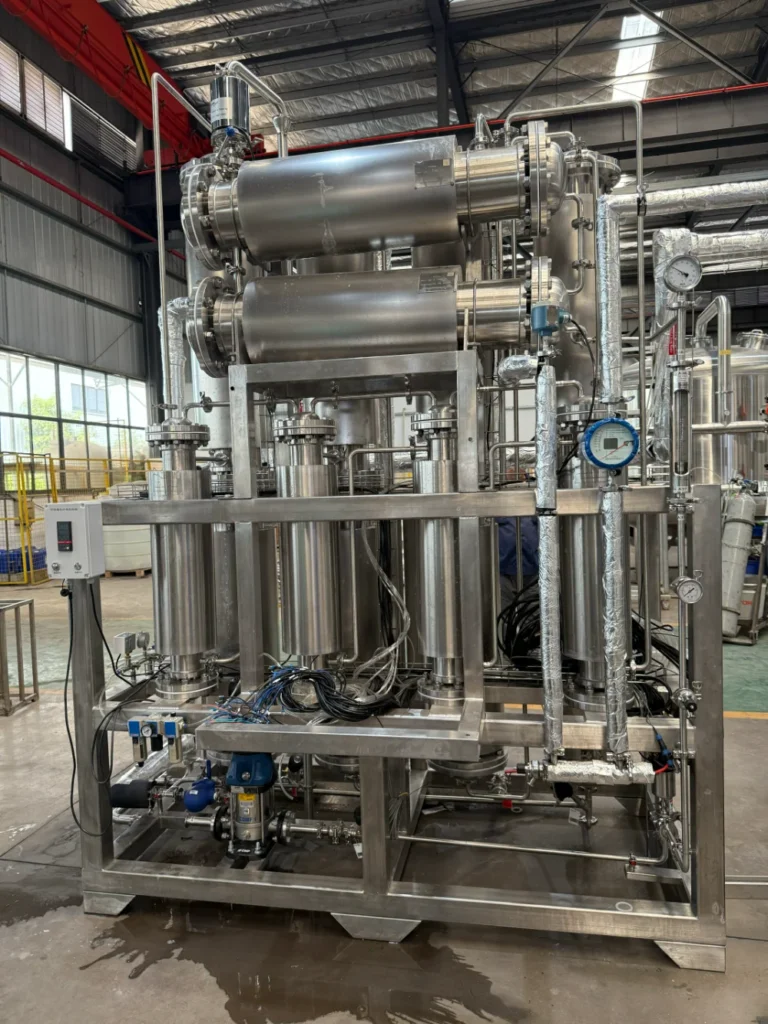
What is Water for Injection (WFI) in a Pharmaceutical Water System? This is the highest grade, required for injectables. Modern pharmaceutical water systems can produce WFI using advanced membrane technologies (like RO/EDI/UF), offering a sustainable alternative to traditional distillation.
How Have These Systems Evolved? A Detailed Comparison: Traditional Thermal vs. Modern Membrane Technology
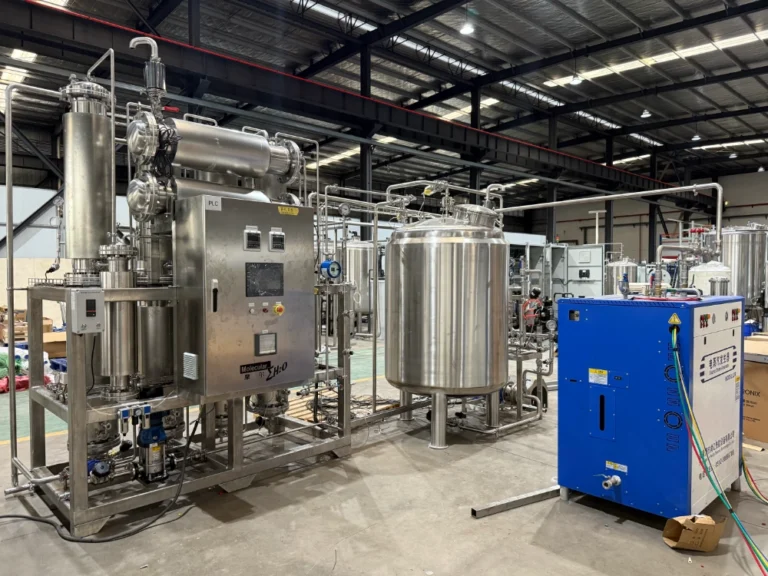
The evolution of pharmaceutical water systems is marked by a shift from energy-intensive thermal methods to efficient, advanced purification trains.
| Aspect | Traditional Thermal Systems (Multiple-Effect Distillation) | Modern Membrane Systems (RO + EDI + UF Integration) |
| Core Process | Relies on phase change: boiling feed water and condensing pure steam, effectively rejecting all non-volatile contaminants. | Utilizes pressure and electrical potential to drive water through semi-permeable membranes and ion-exchange media, physically separating contaminants. |
| Primary Energy Driver | Significant thermal energy (steam or electric heating) is required for vaporization. | Primarily electrical energy for high-pressure pumps and EDI stacks. |
| Key Operational Advantaget | Proven, robust technology with a long history of regulatory acceptance; excellent inherent sanitization capability due to high temperatures. | Dramatically lower energy consumption (often 50-70% savings compared to distillation), smaller footprint, and faster start-up/shutdown cycles. |
| Sustainability Profile | Higher carbon footprint and water consumption (lower recovery rates). | Greener alternative: Lower energy use directly reduces operational costs and supports corporate ESG (Environmental, Social, and Governance) goals. |
| Ideal Application | Facilities with abundant, low-cost steam capacity; specific projects where monograph tradition is emphasized. | New greenfield facilities, sustainability-focused plant upgrades, and facilities requiring agile, modular expansion. |
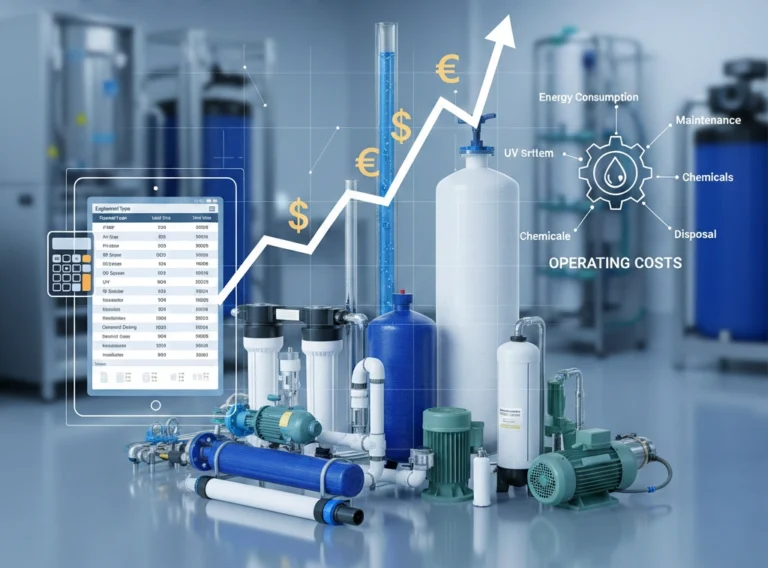
How to Decide for Your Facility: The decision matrix extends far beyond simple compliance. It involves a detailed Total Cost of Ownership (TCO) analysis encompassing capital expenditure (CAPEX), energy, water recovery, maintenance, and validation costs over a 15-20 year lifespan. Modern membrane systems often present a compelling financial and operational case, backed by their full acceptance in all major pharmacopeias.
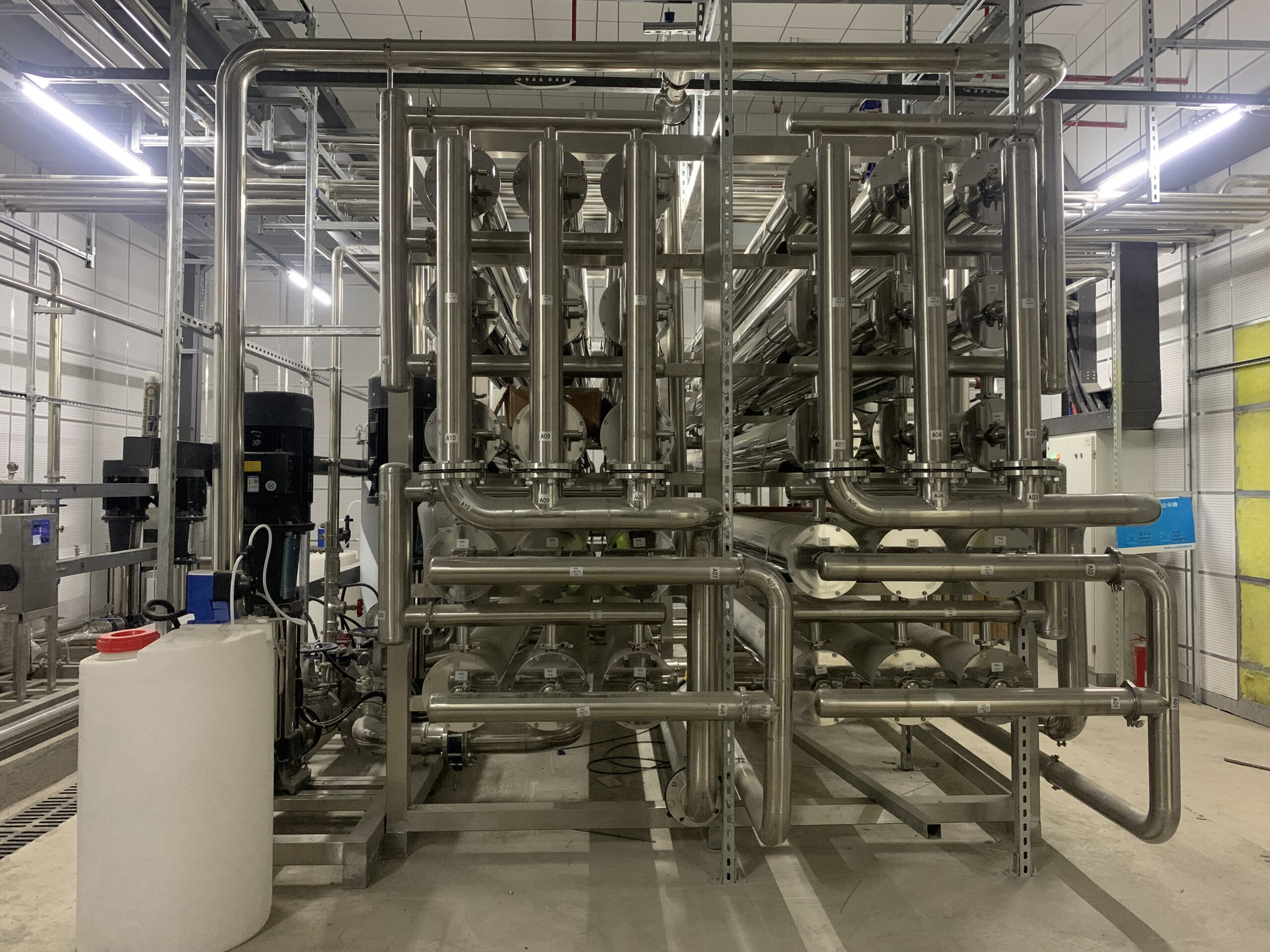
How to Choose the Right Pharmaceutical Water System Partner: A 5-Step Strategic Framework
Selecting a vendor is a strategic partnership that will impact your operations for decades. Here is a detailed guide on how to navigate this critical process with due diligence:
-
Conduct a Thorough Needs Audit: Begin by asking, “What are we producing now, and what is in our pipeline?” The water quality demands for traditional tablets differ vastly from those for monoclonal antibodies or cell therapies. Quantify your peak and average flow rates, map all points of use (POU), and understand your current feed water chemistry through a comprehensive analysis.
-
Demand Unambiguous Regulatory Clarity: Potential partners must articulate how their system design and controls ensure compliance not just with pharmacopeias, but with overarching regulations like FDA 21 CFR Part 211 and data integrity requirements of 21 CFR Part 11. Request and review a sample Validation Master Plan (VMP) and detailed protocols for Installation, Operational, and Performance Qualifications (IQ/OQ/PQ).
-
Perform a Rigorous Total Lifetime Cost Analysis: Shift the conversation from initial price to lifelong value. Ask for detailed projections: “How much energy (kWh) will this system consume per cubic meter of water produced? What are the expected annual costs for replacement filters, membranes, and sanitization chemicals? What is the designed water recovery rate?” This TCO model reveals the true investment.
-
Evaluate Depth of Technical and Process Expertise: Probe beyond brochures. Present your specific feed water analysis and ask how they would handle high silica, chloramine, or variable hardness. Discuss their approach to system sanitization (hot water vs. chemical) and storage & distribution loop design to prevent microbial regrowth, a critical factor in maintaining water quality.
Verify Long-Term Support and Service Capabilities: The partnership begins at commissioning. Understand their service model: What are the guaranteed response times for technical support? Is remote, predictive monitoring offered? How extensive and localized is their spare parts inventory? A reliable partner acts as an extension of your engineering team.Expert Insight: “The most costly mistake is selecting a system based solely on the lowest capital bid. The pivotal question isn’t ‘What is the price?’ but ‘How will this system perform, cost, and adapt over its entire lifecycle?’ A true partner provides the data and transparency to answer that confidently, designing for tomorrow’s challenges, not just today’s specs.” – Senior Engineering Lead, Molewater system.
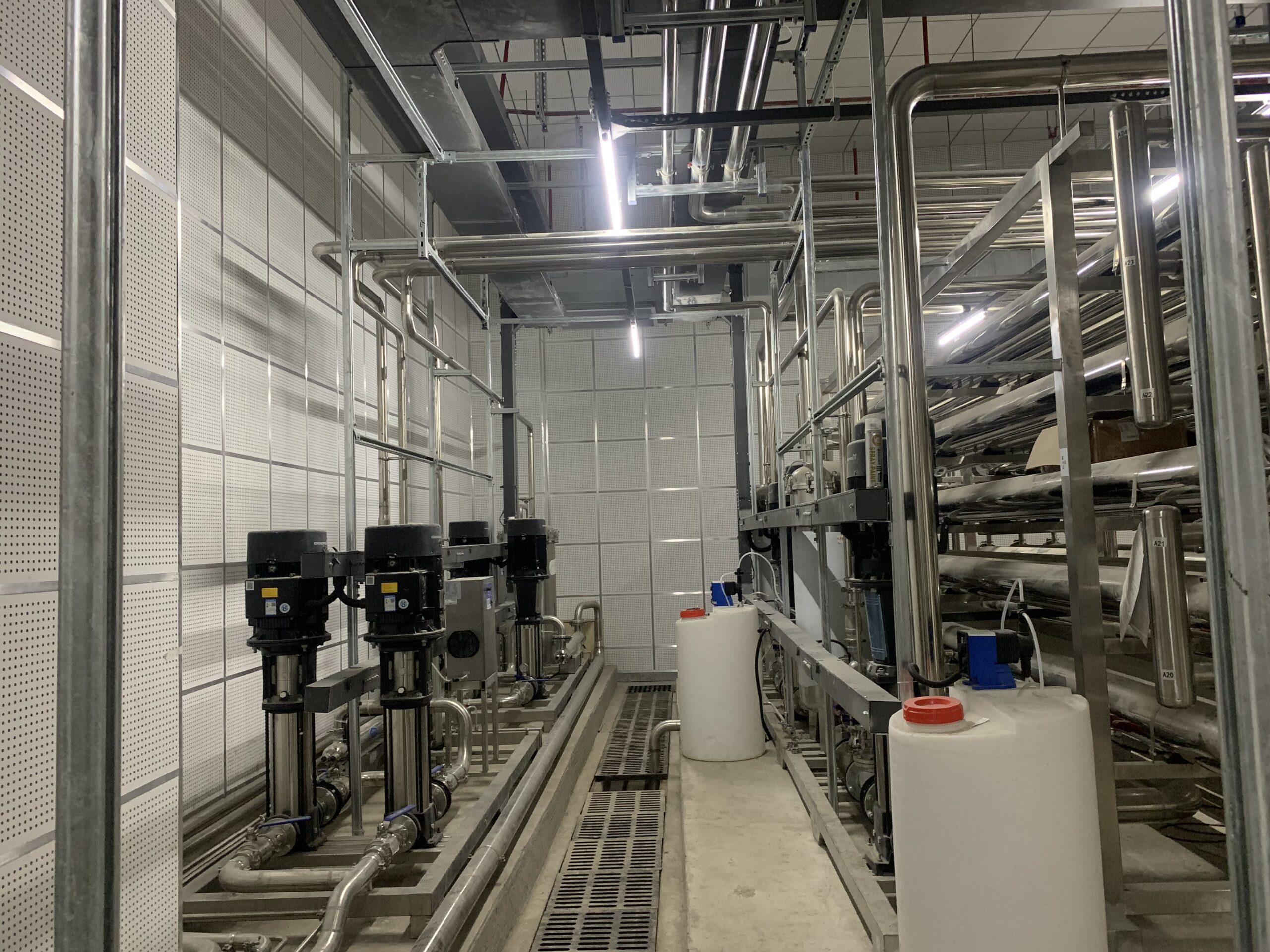
What Does a Future-Proof, Smart Water System Look Like?
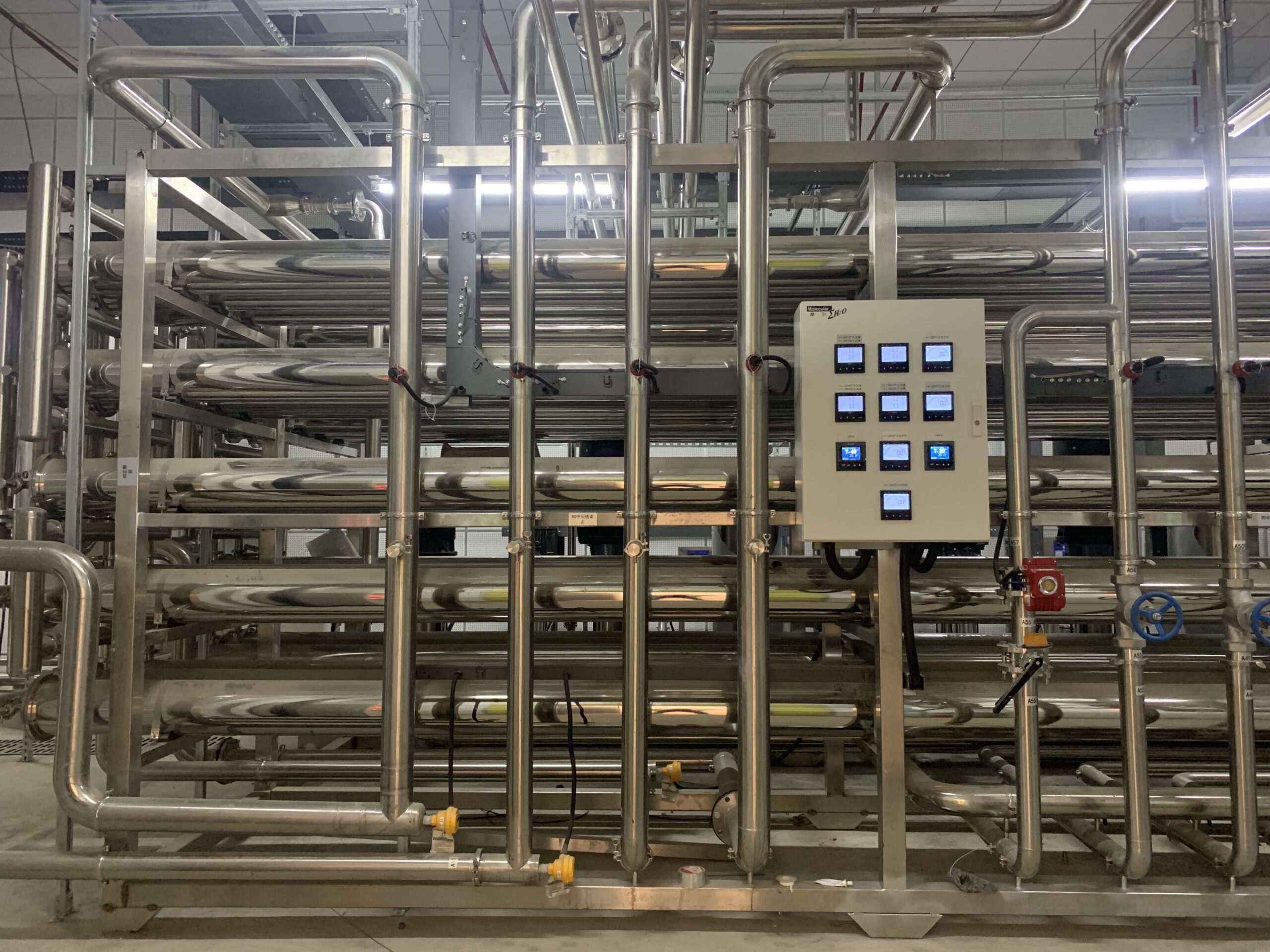
A modern system is increasingly digital and connected. It leverages Industrial Internet of Things (IIoT) sensors to monitor key parameters like conductivity, TOC, flow, and pressure in real-time. This data feeds into centralized dashboards, enabling predictive maintenance (alerting before a filter clogs or a pump fails) and ensuring continuous operational readiness. This is how leading manufacturers move from reactive compliance and fire-fighting to proactive quality assurance and strategic asset management, turning their water system from a cost center into a source of reliable data and operational intelligence.
What is Your Essential Next Step?
📅 Schedule a confidential, no-obligation technical consultation with our experts at Molewater System. We’ll review your specific project requirements and discuss how a tailored, efficient, and compliant water system can become your facility’s most reliable asset.