
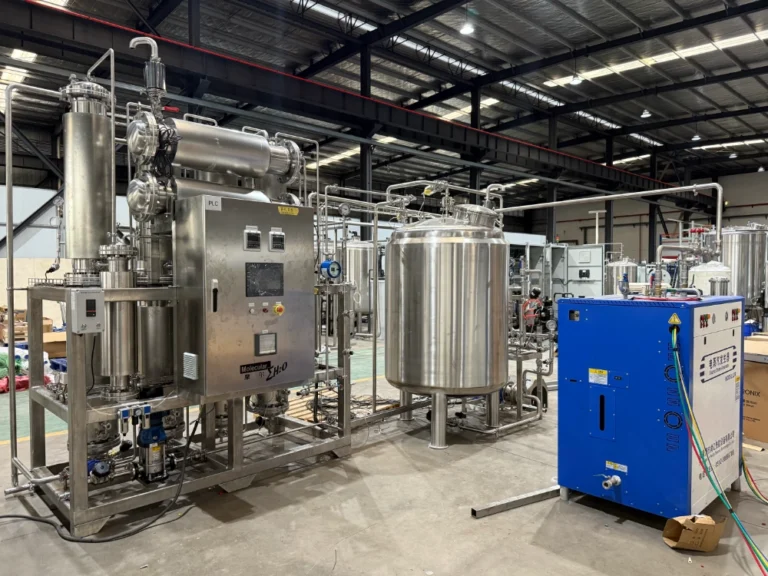
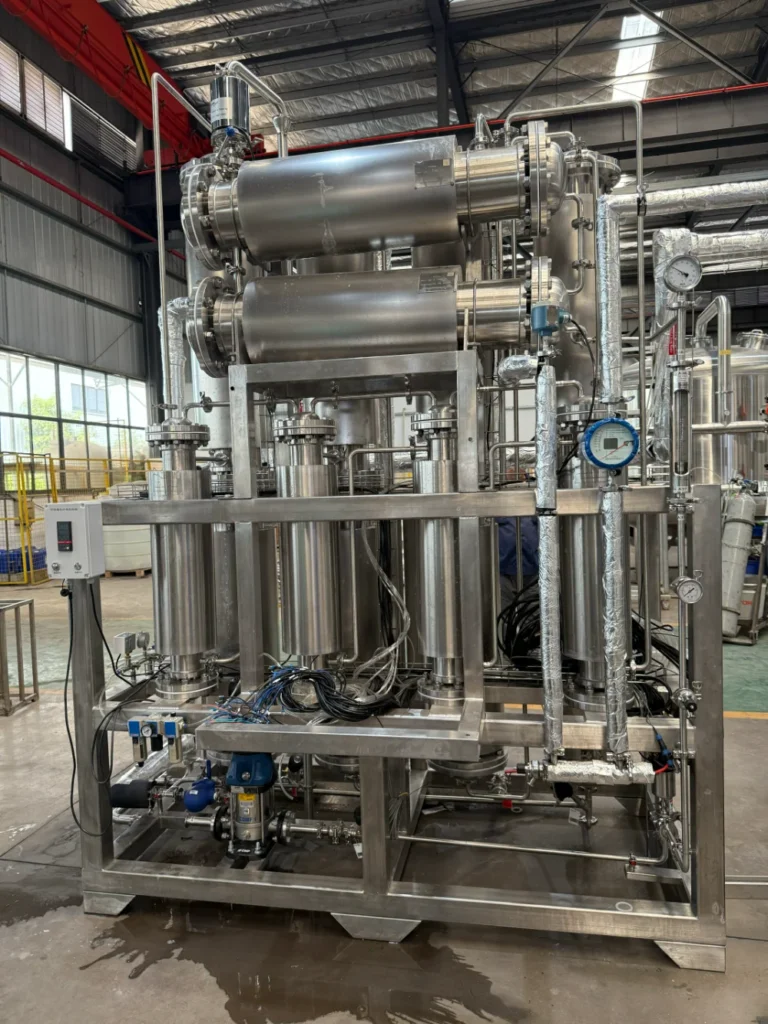
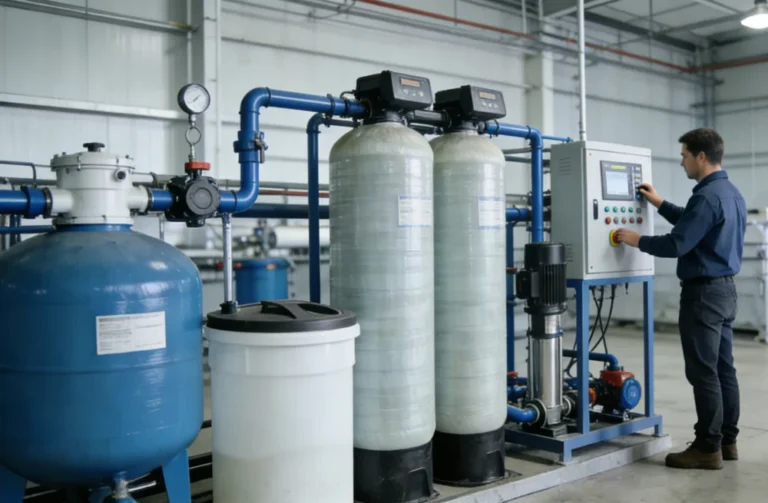
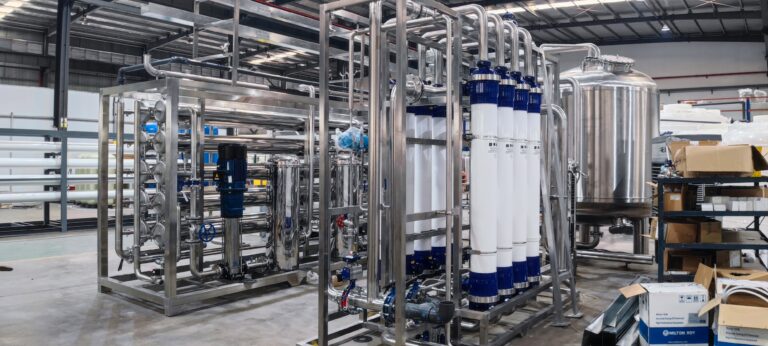
In the invisible battleground of modern technology—where semiconductor features are measured in nanometers and solar cell efficiency hinges on atomic-level cleanliness—water is the single most critical process chemical. Its purity directly dictates product yield, performance, and profitability. An ultrapure water(UPW) system is therefore not merely a utility plant; it is a foundational, strategic asset that safeguards your entire production line. This comprehensive guide demystifies what truly constitutes a state-of-the-art ultrapure water(UPW) system, details how its complex engineering achieves near-absolute purity, and explains why partnering with a specialized, onshore expert is no longer an alternative but a competitive imperative for technology leaders.
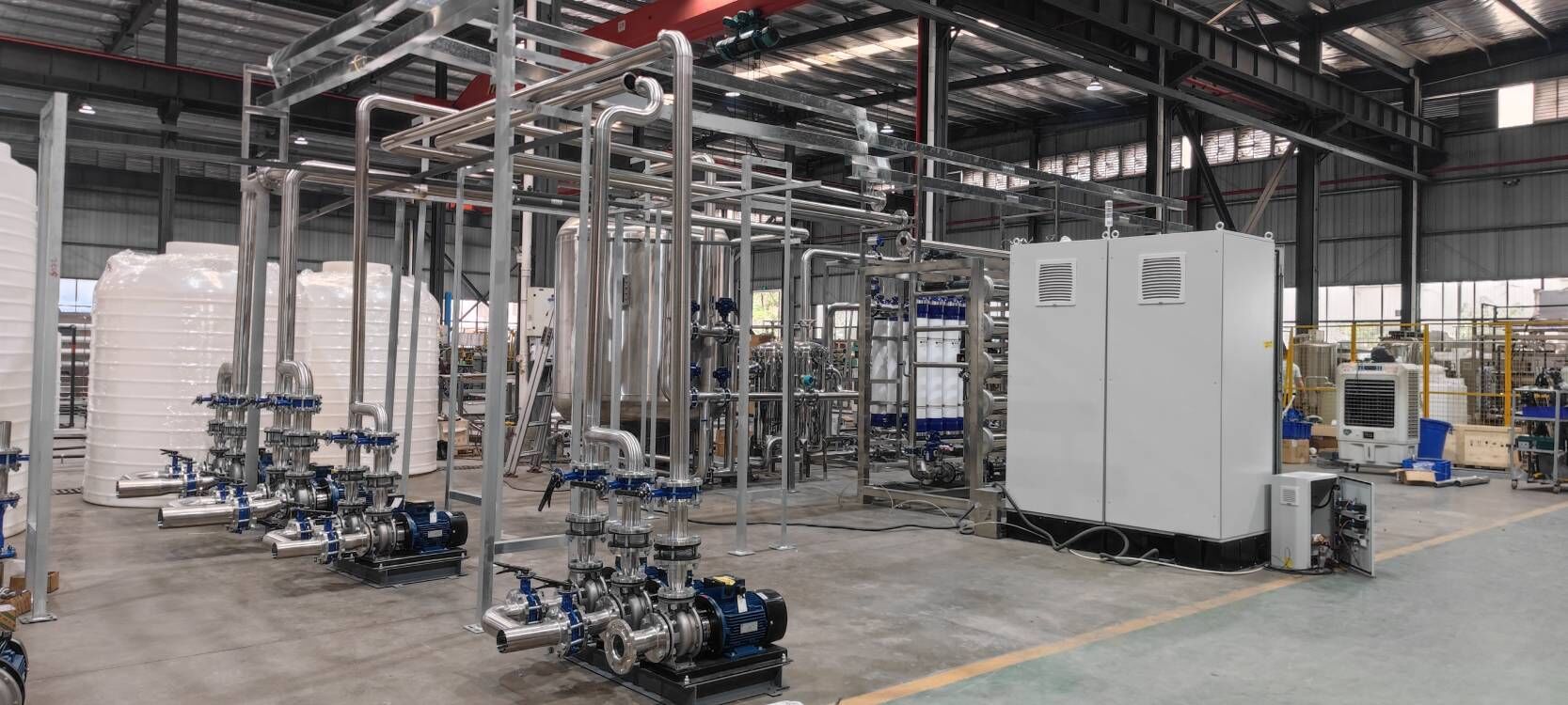
What Defines an Ultrapure Water System? Beyond the 18.2 MΩ·cm Benchmark.
While a resistivity of >18.2 MΩ·cm is the universal hallmark, a true ultrapure water(UPW) system is defined by the comprehensive and relentless removal of all contaminant classes to parts-per-trillion (ppt) levels. The performance of an ultrapure water(UPW) system is measured by its simultaneous control over:
-
Ionic Contamination: Removed to achieve the hallmark high resistivity. Even trace ions like sodium, chloride, or silica can disrupt sensitive processes.
-
Particulate Contamination: An advanced ultrapure water(UPW) system must remove particles down to sub-20 nanometer sizes, critical for semiconductor nodes below 10nm where a single particle can cause a fatal chip defect.
-
Organic Contamination: Measured as Total Organic Carbon (TOC), targets are often <1 part-per-billion (ppb). Organics can create unwanted films or participate in chemical reactions on wafer surfaces.
-
Biological Contamination: Bacteria, endotoxins, and nucleases must be eliminated to near-zero levels to prevent biofilm growth and biological interference.
Why does this extreme purity from your UPW system matter? In semiconductor fabrication, impurities cause electrical failures and reduce yield. In photovoltaic manufacturing, trace metals lower cell conversion efficiency. In advanced biotechnology, contaminants can ruin sensitive cell cultures or analytical results. Your ultrapure water(UPW) system is the essential, clean canvas upon which precision manufacturing is built.
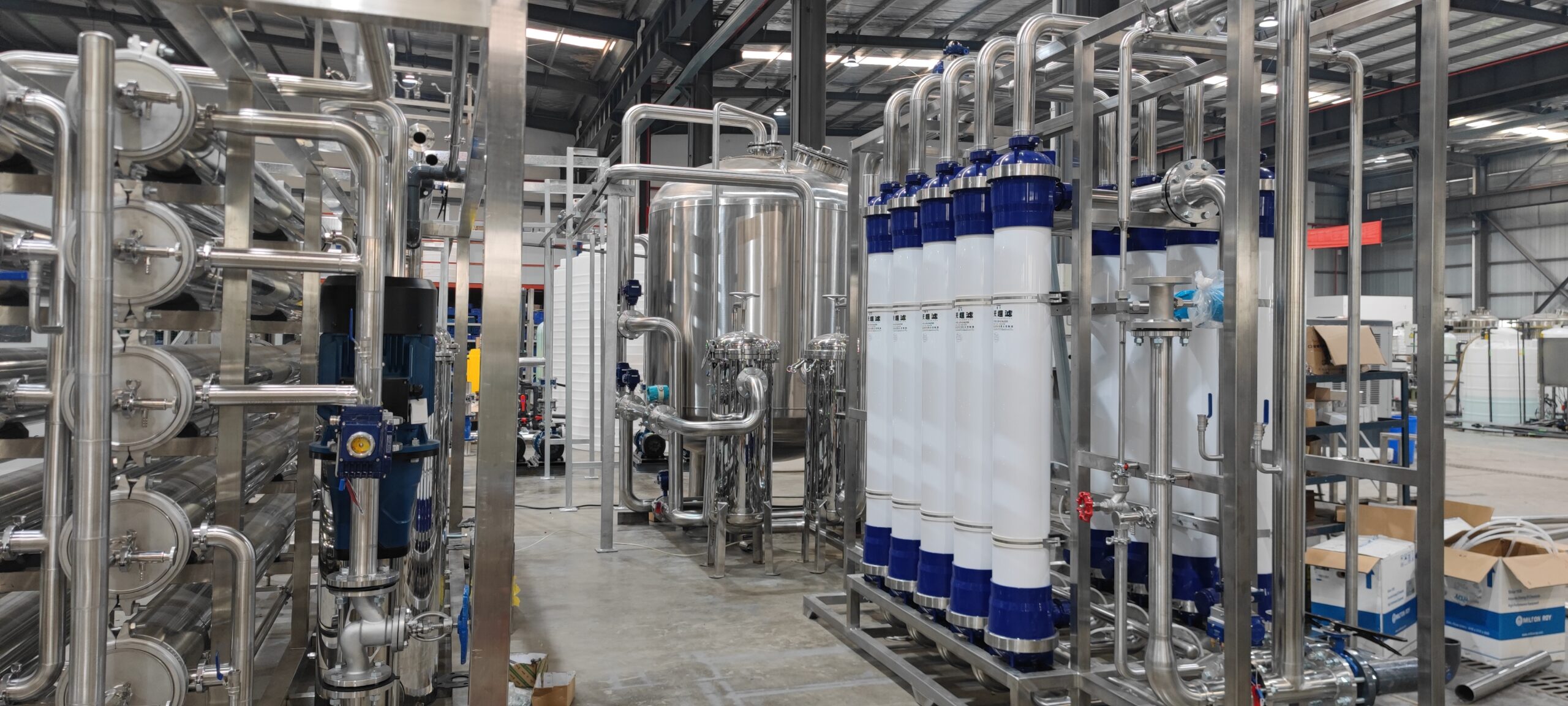
How is an Ultrapure Water(UPW) System Engineered? A Deep Dive into the Multi-Stage Purification Train.
A reliable ultrapure water(UPW) system is a meticulously sequenced cascade of technologies, where each stage targets specific impurities and protects the next. Understanding how each component functions is key to evaluating system quality.
-
Pretreatment & Primary Demineralization: The First Line of Defense.
This initial stage protects the high-investment core of the ultrapure water(UPW) system. It typically includes multimedia filtration, activated carbon (for chlorine/organic removal), and softening. The cornerstone here is Reverse Osmosis (RO), which removes approximately 98-99% of all dissolved ionic and organic contaminants. The design and recovery rate of the RO in your UPW system are critical for minimizing water waste and operational cost. -
Secondary Polishing: Achieving Theoretical Purity.
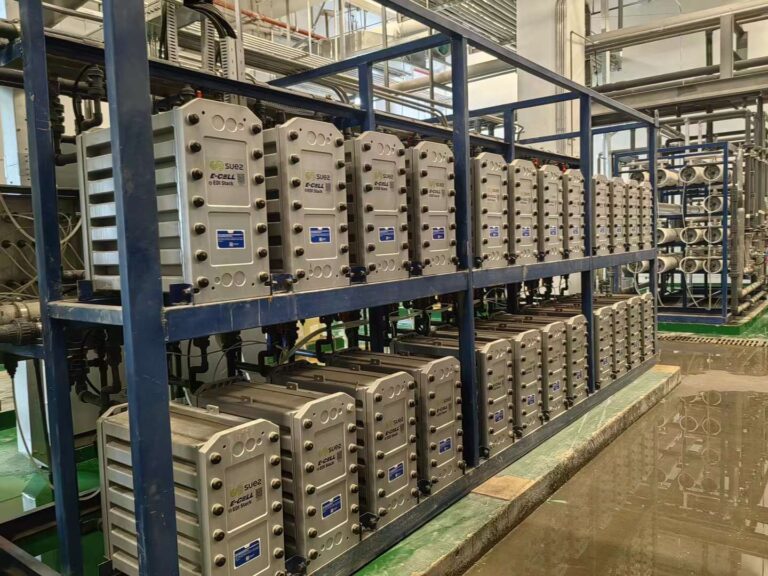
Post-RO water is further polished to reach the 18.2 MΩ·cm benchmark. This is often achieved via Electrodeionization (EDI), a chemical-free process that uses electricity to continuously remove residual ions. For the highest demands, mixed-bed ion exchange polishers provide a final polishing step. The integration of these units within the larger ultrapure water(UPW) system is crucial for stability and consistent output. -
Final Polishing & Point-of-Use (POU) Guarantee: Delivering Perfection to the Tool.
The most critical water quality is measured at the point of use. A dedicated, continuously recirculating polishing loop is the heart of a functional ultrapure water system. This loop integrates:-
Ultrafiltration (UF): Removes any residual particles and microorganisms.
-
Ultraviolet (UV) Oxidation: 185nm UV lamps break down trace organic molecules (TOC) into ions, which are then removed by the polishers.
-
Advanced Degasification: Removes dissolved oxygen and carbon dioxide to sub-ppb levels, which is critical for processes sensitive to oxidation.
The design of this loop—including materials (high-purity PVDF or stainless steel), flow velocity to prevent stagnation, and sanitization methodology—is what separates a superior ultrapure water(UPW) system from a basic one.
-
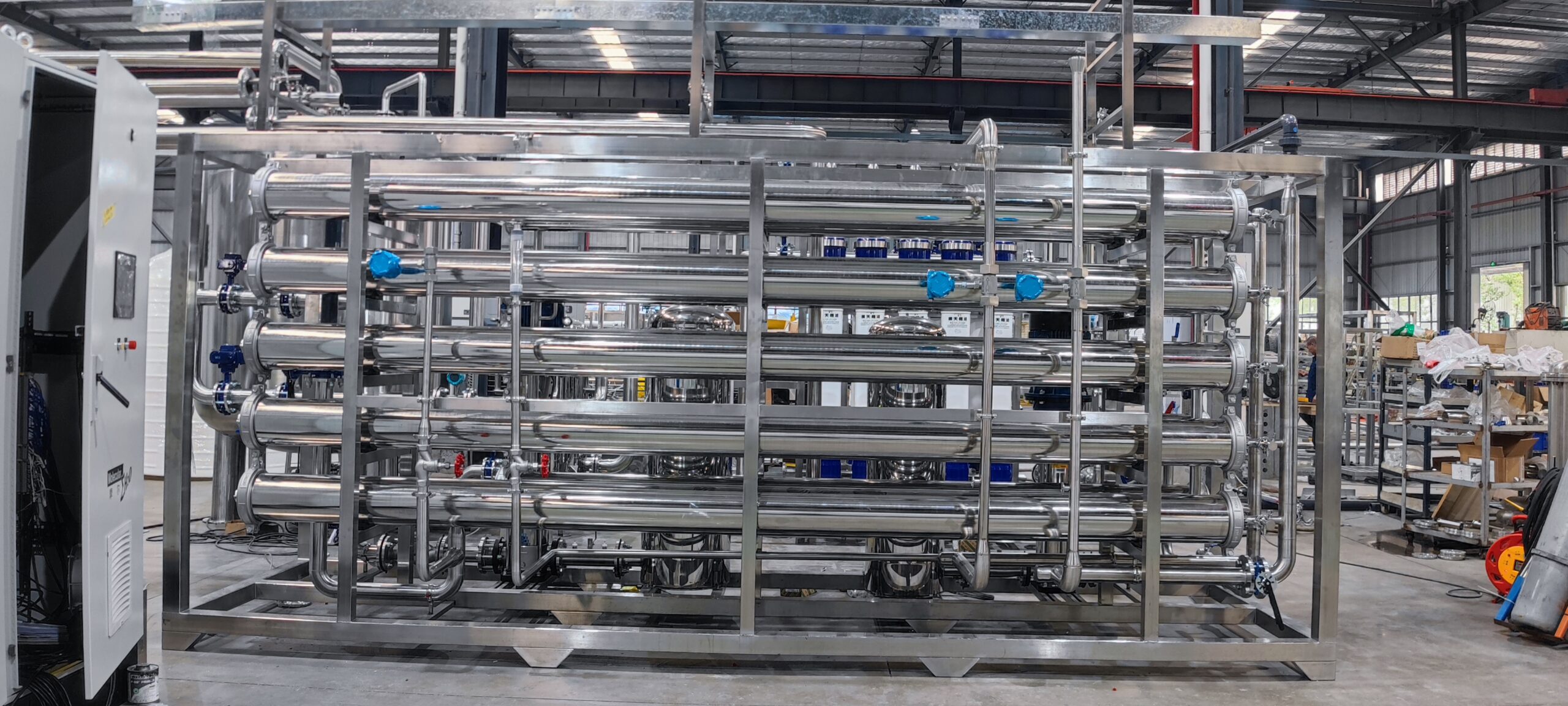
Why the Shift to Onshore UPW System Expertise is Accelerating: A Strategic Comparison.
For decades, the industry defaulted to imported ultrapure water(UPW) systems. Today, leading manufacturers are recognizing the tangible operational and strategic advantages offered by elite domestic experts.
| Evaluation Dimension | Legacy Imported UPW System | Modern Domestic UPW System Partner |
| Core Value & Philosophy | Equipment sales based on global brand recognition. | True partnership & co-engineering. Deep collaboration to solve your specific water challenge, not just install a standard module. |
| Customization & Integration | Often limited to configuring pre-defined modules. May not optimize for local water chemistry or unique facility layouts. | Fully bespoke engineering. The ultrapure water system is designed from first principles for your site’s feed water, space constraints, and specific tool connection requirements. |
| Technical Support & Responsiveness | Support can be delayed, routed through third-party agents, with longer wait times for critical spares. | Direct access to core engineering team. Faster response times, localized spare parts inventory, and agile problem-solving minimize production risk. |
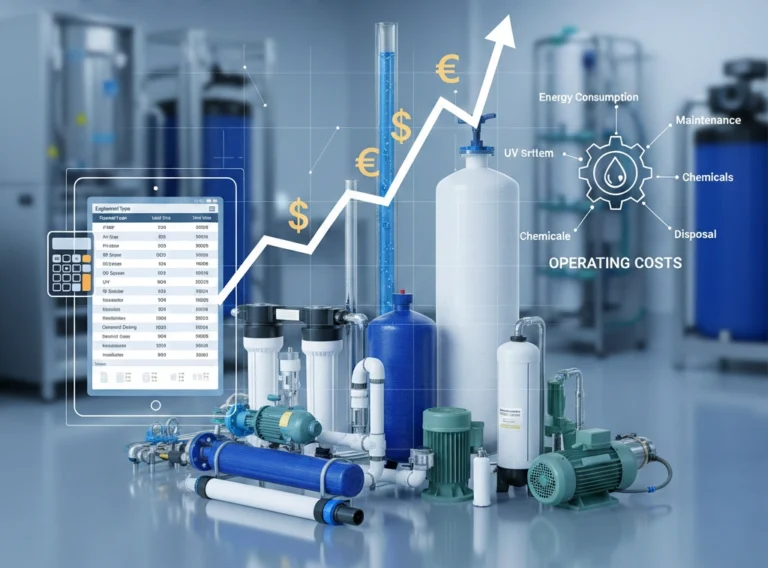
| Total Cost of Ownership (TCO) | High initial capital expenditure (CAPEX) combined with premium-priced, long-term service contracts. | Competitive and transparent TCO. Focus on designing an ultrapure water system for high recovery (saving water costs), energy efficiency, and low maintenance OPEX from the outset. |
| Supply Chain Security & Agility | Vulnerable to geopolitical tensions, international logistics delays, and extended lead times. | Resilient and responsive local supply chain. Enables faster project timelines and ensures operational continuity for your UPW system. |
How This Translates to Your Bottom Line: A partner like Molewater System engineers your ultrapure water(UPW) system not just for purity, but for operational excellence. We prioritize high system recovery (>90-95%) to reduce water waste, implement energy-saving designs, and build in serviceability—directly impacting your long-term operational expenditure and sustainability metrics.
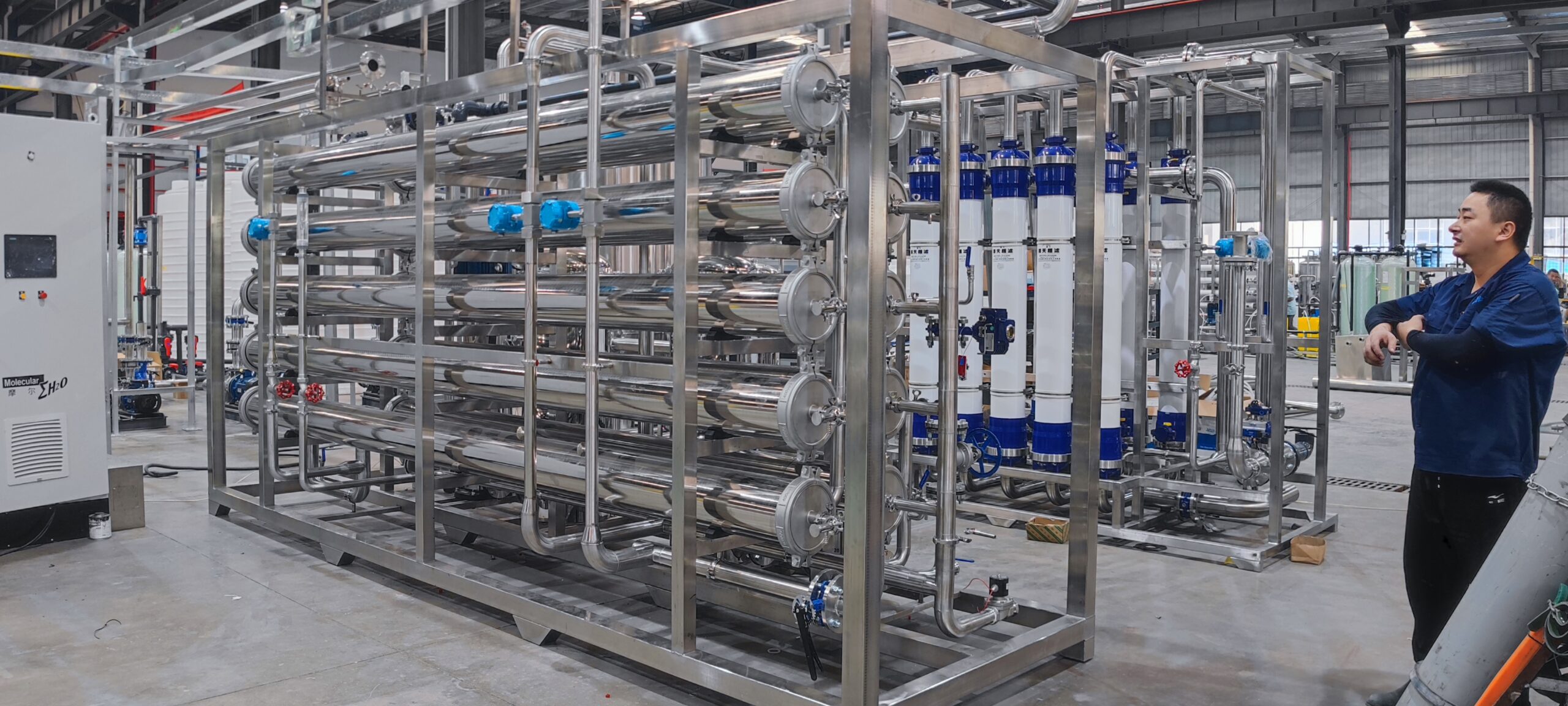
How to Technically Vet an Ultrapure Water(UPW) System Partner: The Essential Questionnaire.
Move beyond sales pitches by engaging potential suppliers with detailed, technical questions about their UPW system design philosophy:
-
“What is your specific, documented experience with UPW systems in my industry (e.g., semiconductor [SEMI standards], PV, biotech)?” Ask for reference projects with similar purity requirements.
-
“How do you design the pretreatment and RO stages to handle my specific feed water analysis?” (Provide your water report). A generic design won’t suffice.
-
“What is the guaranteed system recovery rate, and how is it achieved?” This number directly correlates to your water and wastewater costs.
-
“Walk me through your sanitization strategy for the polishing loop (e.g., hot water, chemical, ozone) and your approach to preventing microbial regrowth.”
-
“What level of digital monitoring and predictive maintenance does your UPW system offer? Can I see a sample dashboard?” Smart monitoring is key to preventing excursions.
Expert Insight: “The most expensive part of an ultrapure water(UPW) system is the one that fails during production. The goal isn’t just to sell equipment, but to engineer water security. That means designing for ultimate reliability, intuitive operation, and providing the expert support that acts as an extension of your own team.” – Director of Advanced Systems, Molewater System.
What is Your Essential First Step?
📥 Request our detailed “UPW System Design Framework for [Your Industry]” to understand the depth of analysis and customization we provide.
📅 Contact our engineering team for a confidential, no-obligation design review. Share your feed water analysis and production goals, and let us demonstrate how a collaboratively engineered, high-performance ultrapure water(UPW) system from Molewater System can secure your manufacturing lifeline and become a pillar of your competitive advantage.