What Is Soft Water?
Soft water is characterized by its very low concentration of Ca2+ and Mg2+ ions—ideally less than 60 mg/L. It is the most desirable water type for nearly all household applications, providing optimal performance for everything from cleaning to bathing.
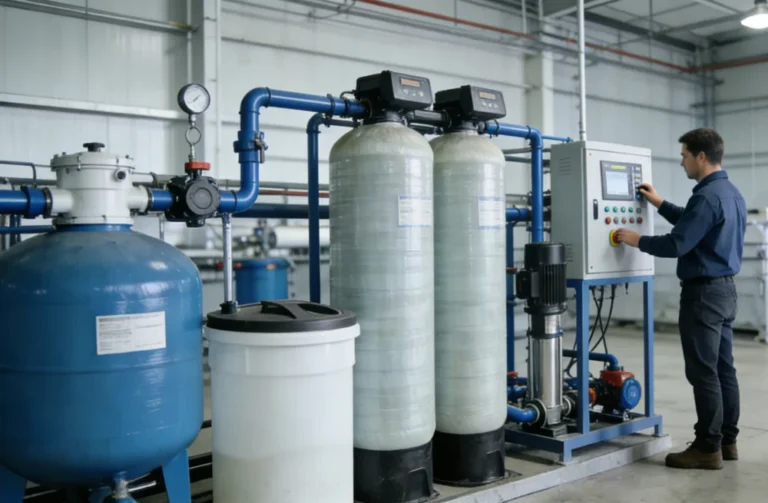
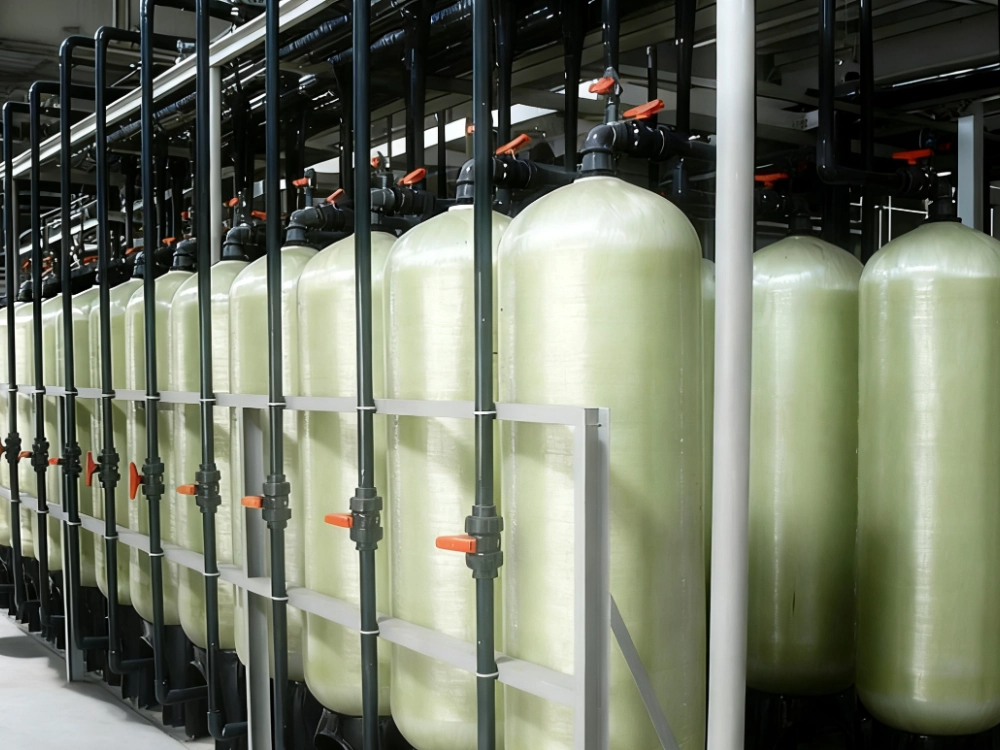
In most homes, soft water is achieved through a controlled process. A salt-based ion exchange water softener system removes the aggressive hard minerals and replaces them with minute amounts of harmless sodium or potassium ions. This conversion process is what elevates water from a source of frustration and expense to a source of efficiency and comfort.
The Value of Soft Water: Economic, Aesthetic, and Home Benefits
Switching from hard to soft water provides immediate and long-term benefits that offer a high return on investment:
- Energy Efficiency and Savings:By eliminating scale buildup, soft water allows your water heater and other water-using appliances to operate at peak efficiency, minimizing energy consumption and maximizing the lifespan of your expensive equipment.
- Reduced Cleaning Expenses:Soft water allows soaps and detergents to work as intended, cutting your need for cleaning supplies and reducing the time spent scrubbing mineral stains and soap scum.
- Improved Personal Well-being:Your skin feels softer and retains moisture better because soap rinses completely away. Your hair will be shinier, softer, and more manageable.
- Brighter Laundry:Clothes washed in soft water maintain their color, feel softer, and don’t develop the mineral-related stiffness or graying often seen with hard water use.
What Is Hard Water?
Hard water is technically defined by its high concentration of dissolved multivalent cations, primarily calcium (Ca2+) and magnesium (Mg2+). This mineral concentration occurs when groundwater flows through geological deposits like limestone and dolomite, naturally dissolving and carrying these elements.
The concentration levels determine the severity of the problem: water is generally considered hard when it contains 60 mg/L(3.5gpg) or more of these minerals. Though the water is typically safe to drink, its aggressive mineral composition makes it highly reactive, particularly with heat and soap. Understanding this core feature is crucial to grasping why a solution like an ion exchange water softener becomes necessary for many households.
The Tangible Impacts of Hard Water: From Limescale to Energy Waste
The minerals in hard water are not just benign additives; they cause extensive, costly damage throughout the home—the compelling evidence for seeking a solution.
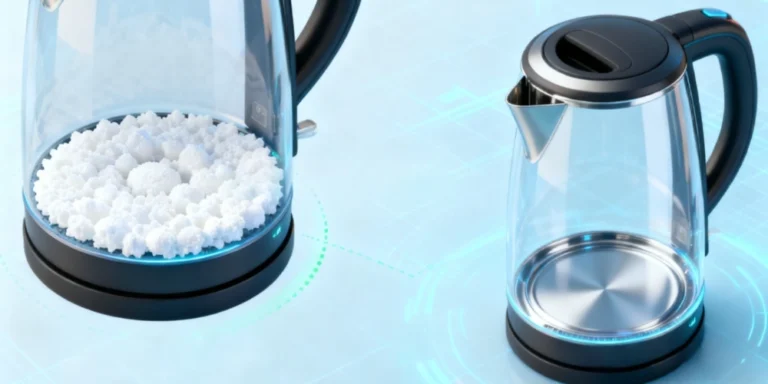
- Appliance Damage and Efficiency Loss:When hard water is heated, the minerals precipitate and form scale, mostly calcium carbonate CaCO3. This limescale accumulates inside water heaters, boilers, and dishwashers, acting as a thick, insulating layer. This forces the appliance to work harder and longer, leading to a demonstrable reduction in energy efficiency, which can escalate your utility bills significantly. It drastically reduces the operational lifespan of your appliances, demanding you prematurely install a water softeners system.
- Plumbing Issues:Scale buildup within pipes reduces the inner diameter over time, leading to lower water pressure and potential clogging. This can result in costly emergency repairs that an effective water softener system could have prevented.
- Poor Cleaning and Aesthetics:The minerals react with soap to form insoluble soap scum, which leaves a filmy residue on your body, shower doors, dishes, and clothing. This forces you to use more soap, detergent, and abrasive cleaners just to achieve minimal cleanliness.
- Personal Care Compromised:The minerals remain on your skin and hair after washing, causing dryness, irritation, and dullness, making hair difficult to manage and potentially exacerbating skin sensitivities.
Achieving Soft Water: Choosing Your Best Rated Water Softener System
The solution to hard water problems is straightforward: implement a water softening solution tailored to your home’s unique needs.
For most households, the choice comes down to the salt-based system (the true softener) or a salt-free water softener vs salt water softener system (a conditioner). The traditional ion exchange water softener is universally regarded as the most effective method for completely removing hardness. When considering this vital purchase, look for a top water softener that meets your home’s demand based on:
- Water Hardness Level:Determines the system capacity required.
- Household Size:Dictates the needed flow rate and resin amount.
- Specific Water Issues:For water softener with well water, you may need specialized pretreatment to handle high iron or sediment.
If you are ready to install a water softeners system, consulting an expert will ensure you select a model that provides consistent, high-quality soft water for years to come.
Making the Right Investment for Your Home
The ongoing battle between hard water vs soft water is ultimately a debate over efficiency, cost, and comfort. The evidence overwhelmingly supports the value of soft water. Installing a water softener is not an expense; it is a long-term investment that protects your appliances, saves you money on utility and cleaning bills, and enhances your quality of life.
Take the next step toward optimal water quality. Contact us today for a professional water analysis and a customized quote on installing your new water softener system.