
Is Your Private Borehole Water Truly Safe?
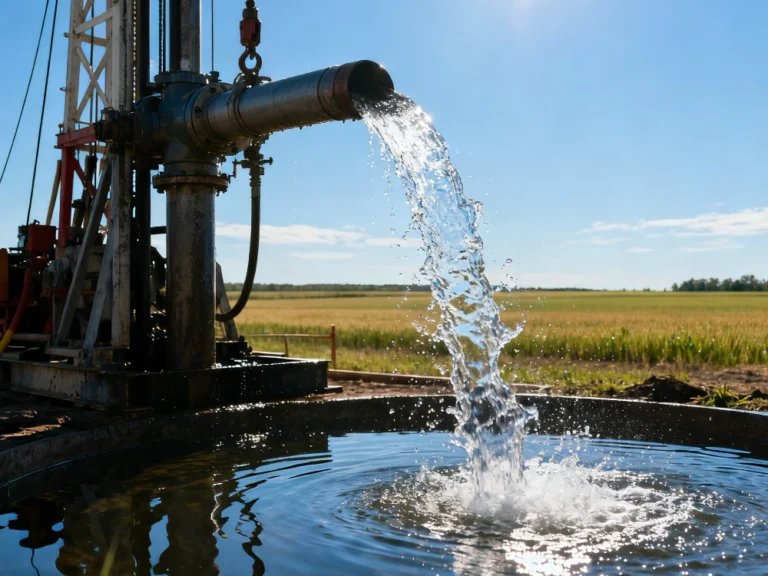
The answer is yes, drinking borehole water can be perfectly safe, refreshing, and entirely under your control. Yet, this source of natural water comes with a crucial condition: safety is not guaranteed; it must be managed. Unlike regulated municipal water, your private well lacks continuous, professional oversight, meaning the responsibility for water quality—and your family’s health—rests entirely on your shoulders.
Choosing borehole water grants you independence, eliminating regulated chemicals like chlorine and fluoride. This freedom, however, requires vigilance. This expert guide will transition you from a passive well owner to an active manager of borehole water safety, walking you through the mandatory testing procedures and proven treatment systems needed to ensure your water source is truly potable.
Borehole Water Quality: Why You Are Your Own Utility Company
The Key Difference: Municipal vs. Private Water
The critical distinction between public supply and your private water supply is oversight. Municipal systems constantly monitor and chemically disinfect water (e.g., using chlorine) before it reaches your home.
Your borehole, conversely, provides a direct, untreated extraction from the aquifer. While the clear advantage is water free from chemical additives and potentially rich in natural minerals, you must acknowledge the trade-off: borehole water quality is a variable, subject to local geological shifts, the performance of nearby septic systems, and agricultural run-off. Understanding this core difference is the first step toward effective risk management.
The 4 Major Health Risks Affecting Borehole Water Safety
To maintain borehole water contamination prevention, you must understand the four primary threats to drinking well water risks. These contaminants are often invisible, odorless, and tasteless, making testing absolutely non-negotiable.
Microbial Contamination (Bacteria and Viruses)
These are the most immediate and dangerous risks. Pathogens like E. coli and Cryptosporidium often enter the well through surface water seepage or septic system failures. Because they are completely undetectable without laboratory testing, they pose a major threat, potentially causing acute gastrointestinal illnesses. According to the CDC, thousands of annual illnesses are linked to untreated drinking well water—your first line of defense must be proactive microbial testing.
Nitrates and Nitrites
Primarily originating from agricultural fertilizers and heavy nitrogen sources, nitrates pose a silent, systemic danger. They have no immediate symptoms but are particularly dangerous for infants. High nitrate levels interfere with a baby’s ability to transport oxygen in the blood, leading to the life-threatening condition known as Blue Baby Syndrome (Methemoglobinemia). The EPA sets a strict maximum contaminant level (MCL) of 10 mg/L for nitrates, emphasizing the need for regular testing, especially if you have pregnant women or infants in the home.
Heavy Metals (Arsenic, Lead, Uranium)
Toxic elements like Arsenic levels, Lead, and Uranium often leach naturally from deep bedrock or may be introduced by old well components and plumbing. Unlike microbial threats, these contaminants accumulate slowly in the body over years, leading to chronic, severe health conditions, including neurological damage and cancer. Specialized testing is essential, as certain geographic locations have naturally elevated Arsenic levels that require specific, targeted filtration.
Physical and Aesthetic Concerns
These contaminants—high Iron, Manganese, or Hardness (Calcium/Magnesium)—are usually not toxic, but they signal poor borehole water quality. They affect the smell, taste, and clarity, often leaving red-brown stains or hard water scale on fixtures. Treating these issues not only improves the sensory quality of your safe borehole water but also extends the lifespan of your plumbing and appliances, ultimately saving you money.
The Golden Rule: Comprehensive Borehole Water Testing
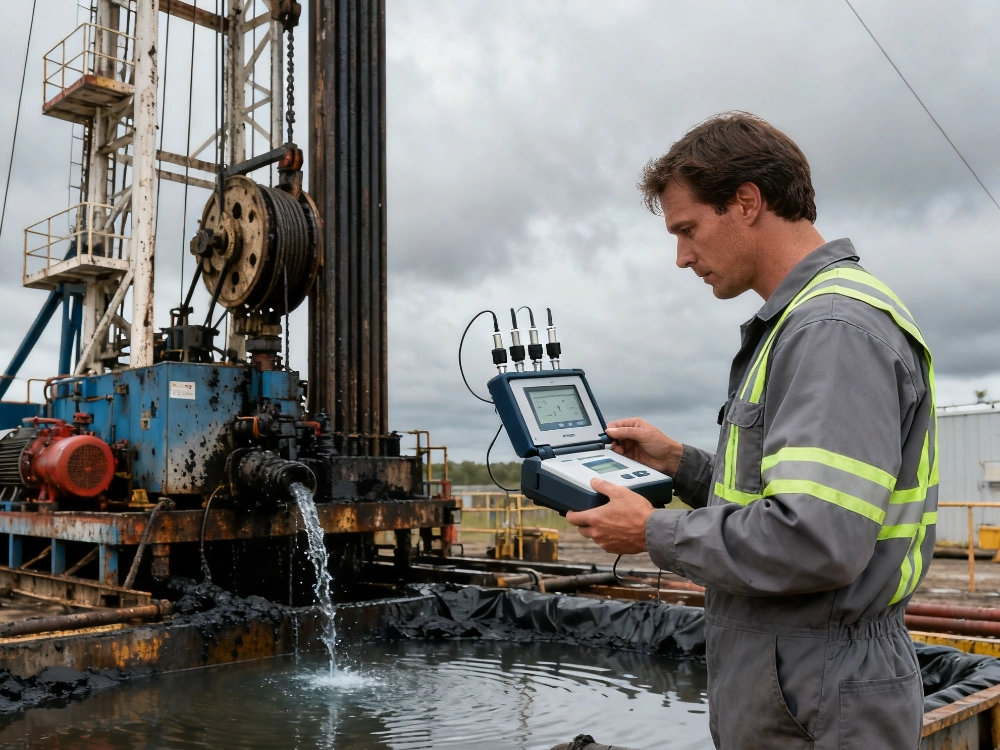
The data obtained from testing borehole water is the single most important tool in your safety management plan. You cannot fix what you cannot measure.
1. When to Perform Mandatory Borehole Testing
The minimum requirement for maintaining annual water testing is to test for bacteria and nitrates at least once per year. Immediate testing is required after any major event:
Following local floods or earthquakes.
If you notice any change in the water’s taste, color, or odor.
If you or a family member experiences an unexplained, recurring gastrointestinal illness.
2. Why Professional Lab Testing is Essential
Relying on professional, certified lab analysis provides scientific certainty. The lab reports give you a definitive reading of contamination levels, measured against the strictest national drinking standards. This data empowers you to make data-driven decisions on necessary treatment systems, ensuring you invest correctly and efficiently. Furthermore, a detailed report often serves as legal documentation required for property transfers or financing.
Essential Treatment Methods for Safe Drinking Borehole Water
Effective borehole water treatment must be targeted specifically to the contaminants identified in your lab report.
UV Disinfection for Microbial Safety
For eliminating bacteria, viruses, and protozoa, UV disinfection is the modern standard. This system uses UV-C light to physically sterilize the water by disrupting the pathogens’ DNA. It is highly efficient, eliminating 99.99% of microbes instantly, and provides a significant advantage because it does so without adding any chemicals (unlike chlorination), preserving your water’s natural taste. It is the most reliable method for ensuring microbial borehole water safety for your entire home supply.
Reverse Osmosis (RO) for Chemical Threats
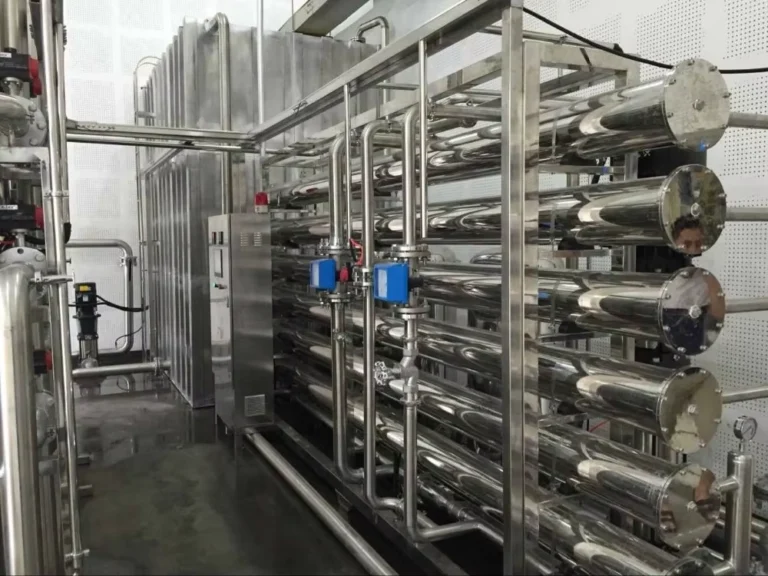
For removing smaller, dissolved chemical threats like nitrates, heavy metals (Arsenic, Lead), and high Total Dissolved Solids (TDS), Reverse Osmosis (RO) is essential. This system uses a semi-permeable membrane to physically filter contaminants at the molecular level. This is the only practical system capable of providing ultra-pure, crystal-clear water at your dedicated drinking tap, making it ideal for high-risk uses like cooking and infant formula preparation.
Water Softeners for Hard Water Issues
If your test reveals high levels of Calcium and Magnesium, a water softener (using ion exchange) is necessary. While not a health treatment, it protects your investment. By preventing hard water scale and buildup, it saves you money on plumbing repairs, lowers water heating costs, and improves the efficiency of soaps and detergents.
Long-Term Maintenance for Borehole Water Safety
Maintaining borehole safety is a continuous process that safeguards your family and your investment.
Inspect the Well Head: At least quarterly, ensure the well cap and casing are completely secure and sealed. This simple step prevents surface water and debris from causing immediate contamination.
Manage the Area: Strictly maintain a buffer zone of at least 100 feet between your well and any potential contamination sources, including septic systems, fertilizer storage, or pet waste areas.
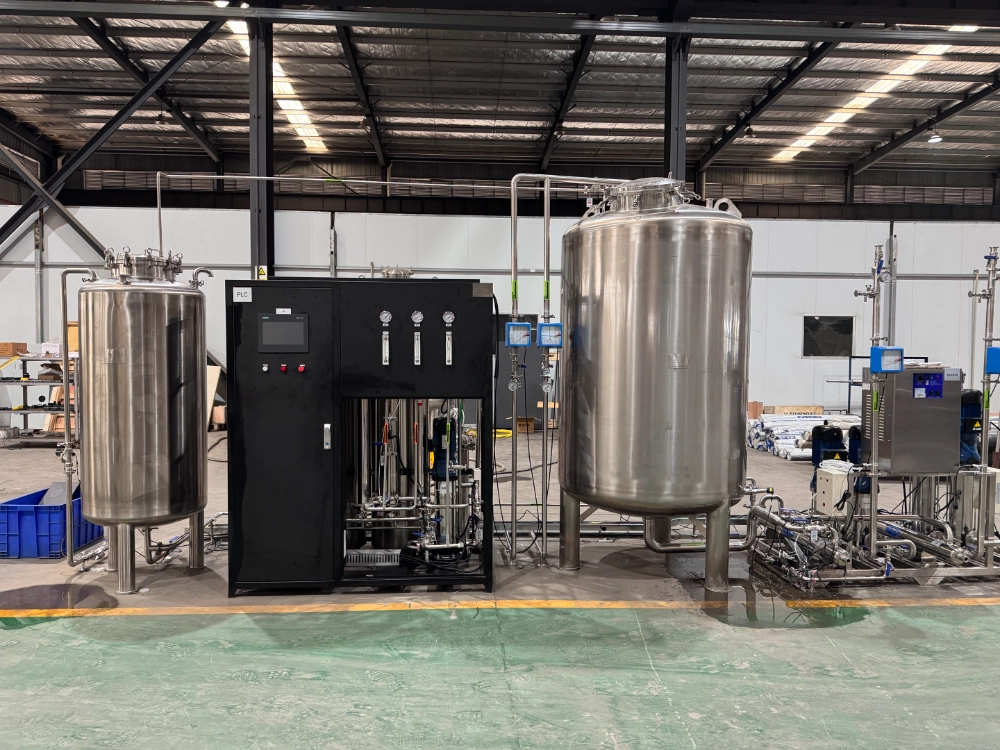
System Servicing: Adhere strictly to the manufacturer’s schedule for replacing UV lamps and filters. An expired UV lamp or clogged filter is a ticking time bomb that provides a false sense of security.
Take Control of Your Borehole Water Quality
Drinking borehole water is a fantastic choice for independence and quality, but safety is achieved through commitment, not convenience. By understanding the risks, committing to annual water testing, and installing the correct treatment systems (UV, RO, Softening), you transition from relying on chance to relying on science.
Take control today. Stop guessing about your water quality.
Ready to ensure your borehole water is safe? Contact us today for a free water quality consultation and a customized treatment plan recommendation based on your specific needs.