
 Safe drinking water isn’t an option—it’s a public responsibility.
As cities expand and environmental standards tighten, municipal authorities face mounting pressure to deliver clean, compliant water efficiently. Aging infrastructure, rising energy costs, and evolving contaminants make this tougher than ever.
The right municipal water treatment system doesn’t just meet regulations—it transforms water management into a cost-saving, sustainable asset for your community. This guide breaks down the technology, benefits, and smart strategies for future-proofing your city’s water supply.
 Why Modernize Your Municipal Water Treatment Plant?
Outdated systems pose significant operational, financial, and public health risks:
-
Compliance Failures: Inability to meet updated EPA & WHO standards for contaminants like PFAS, heavy metals, and microplastics.
-
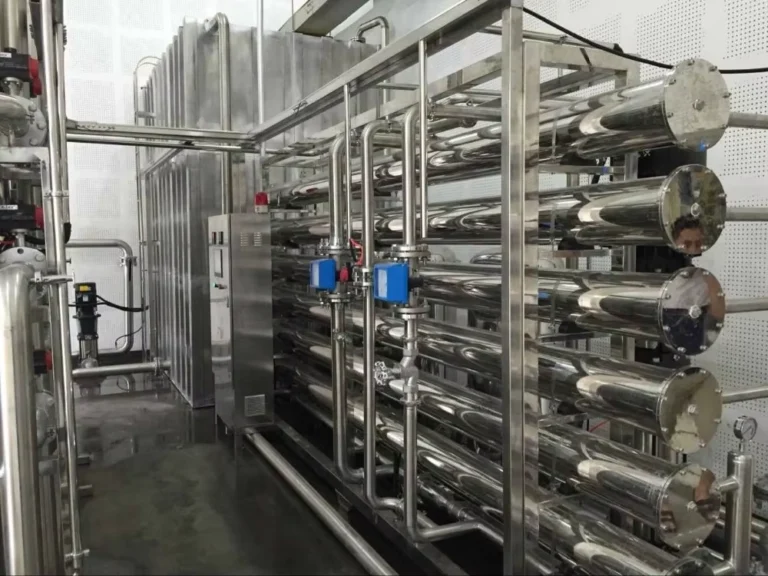
High Operational Costs: Inefficient processes consume excess energy & chemicals. Membrane-based systems, such as those incorporating ultrafiltration (UF) and reverse osmosis (RO) membranes, can help reduce reliance on large amounts of disinfectants while ensuring water safety .
-
Infrastructure Vulnerability: Older systems are prone to leaks, corrosion, and failure.
-
Public Distrust: Water quality issues erode community confidence.
Innovative treatment technologies address these challenges while cutting long-term costs.
Core Technologies in Municipal Water Treatment Systems
A modern municipal water treatment system integrates multiple barrier technologies to ensure safety and efficiency.
1. Membrane Filtration Systems
-
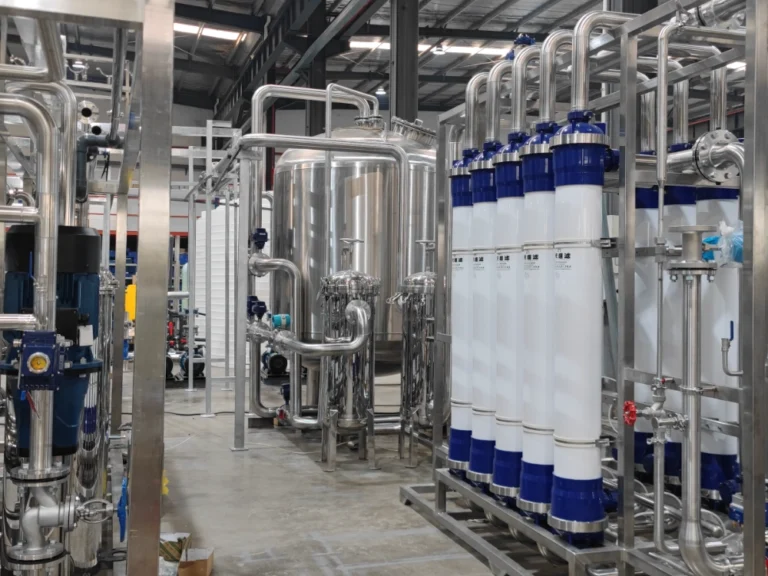
Ultrafiltration (UF) & Reverse Osmosis (RO): Provide high-quality drinking water by effectively removing suspended solids, bacteria, viruses, and dissolved contaminants .
-
Nanofiltration: Targets hardness & specific organic compounds.
2. Advanced Disinfection & Purification
-
UV + Chlorine Synergy: UV light inactivates microbes, reducing chlorine demand and harmful by-products.
-
Electrodeionization (EDI): A chemical-free method for producing high-purity water, often used alongside RO .
3. Smart Monitoring & Control
-
IoT Sensors & AI Analytics: Enable real-time water quality monitoring and predictive maintenance. For example, the Four Yongxi Wastewater Treatment Plant in Nansha uses an intelligent system that dynamically adjusts the mixing ratio of industrial and domestic wastewater based on real-time calculations of the treatment system’s pollutant capacity. This enhances treatment stability and has helped the plant maintain 100% compliance with key effluent indicators like COD and ammonia nitrogen .
 5 Keys to Selecting a Municipal Water Treatment Machine
-
Assess Water Source & Contaminant Profile
Test for region-specific issues (e.g., industrial runoff, agricultural nitrates). -
Prioritize Energy & Chemical Efficiency
Look for systems with low lifecycle costs. Modern membrane systems can reduce energy use by 15-30% compared to conventional treatments . -
Ensure Scalability & Modular Design
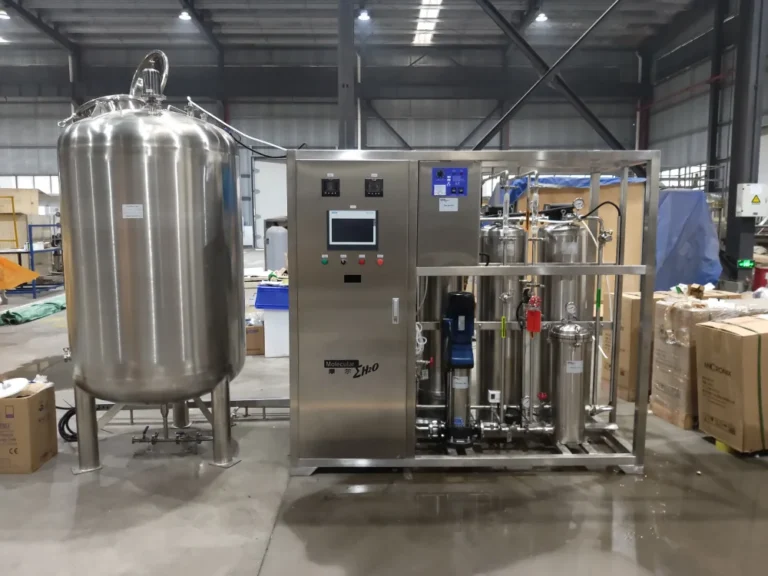
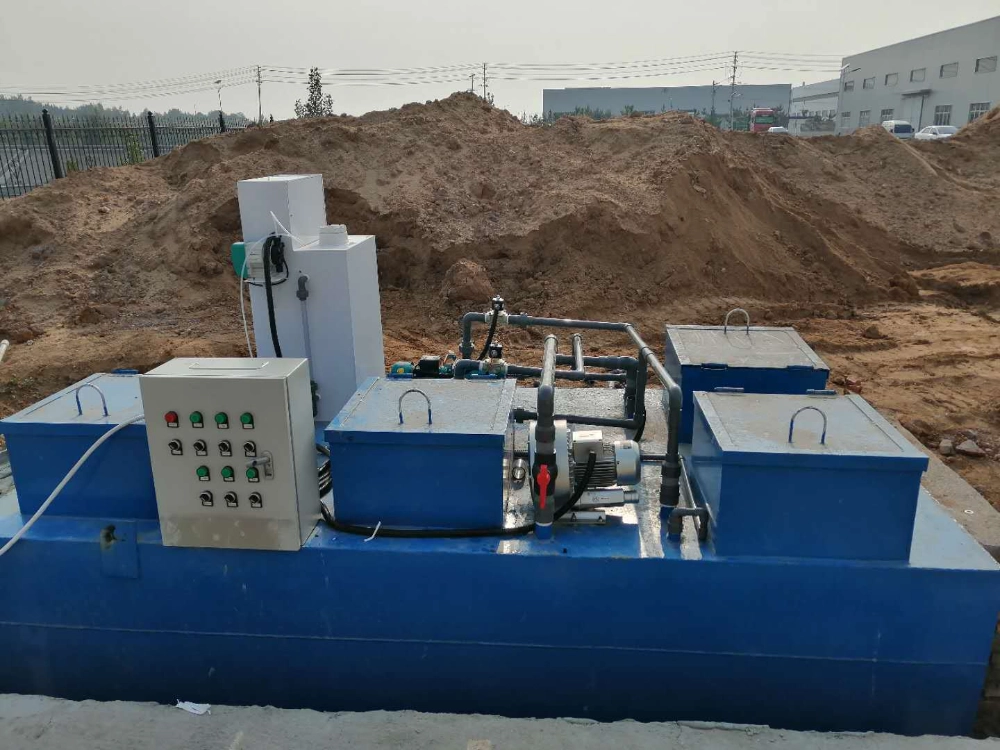
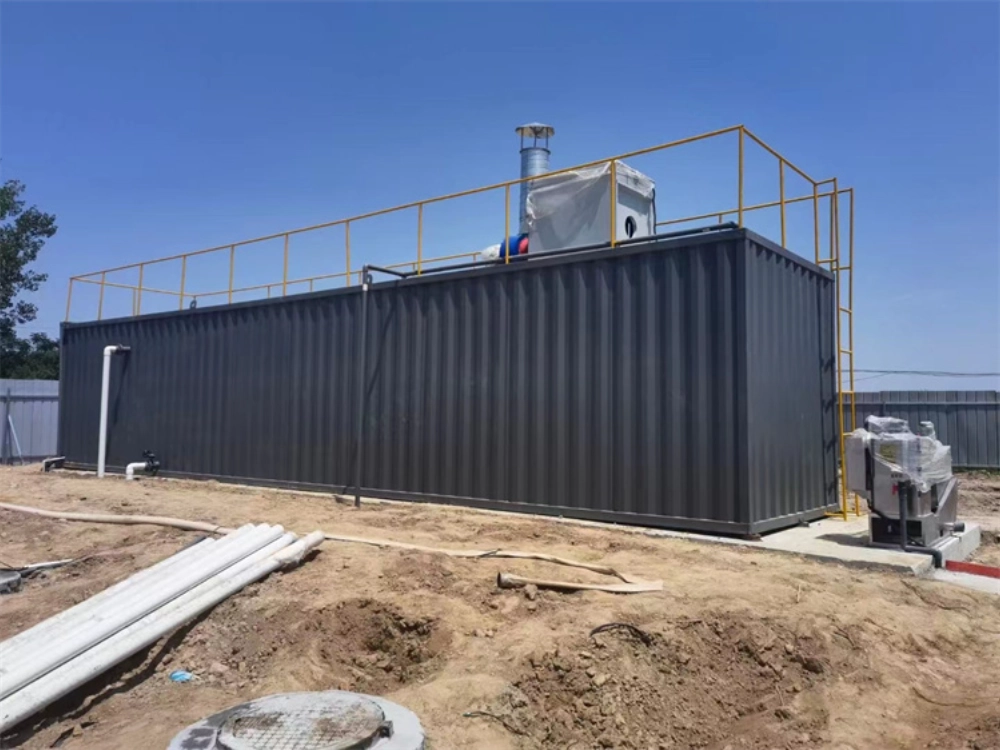
Modular systems like containerized water treatment plants allow capacity expansion without full rebuilds. -
Verify Compliance Capabilities
Demand proven performance data for local & international standards. -
Evaluate Smart Integration Potential
Choose systems compatible with SCADA & cloud-based monitoring.
Expert Insight: The biggest mistake municipalities make? Focusing only on initial cost. Total cost of ownership (energy, maintenance, compliance) over 10+ years is the true metric.
Case Study: Four Yongxi WTP – Excellence in Municipal Water Treatment
The Four Yongxi Wastewater Treatment Plant (Guangzhou, China) exemplifies innovation. By implementing a “Dynamic Capacity-Real-Time Allocation” control system, they optimized the mix of industrial and domestic wastewater inflow. This:
-
Achieved 100% compliance with effluent standards .
-
Reduced carbon source dosing costs by ~$50,000/year .
-
Enhanced system stability through data-model-equipment integration .
This “Nansha Model” demonstrates how technology turns regulatory challenges into operational triumphs.
 Future Trends: The Path to Smarter Water Management
-
AI-Driven Predictive Maintenance: Reducing downtime & repair costs.
-
Resource Recovery: Extracting energy (biogas) & nutrients from wastewater.
-
Decentralized Treatment Systems: Small-scale plants for suburban growth areas.
Your Next Step to Water Security
At Molewater System, we engineer municipal water treatment systems that balance performance, sustainability, and cost. Our solutions integrate:
-
Customized Treatment Trains: From intake to discharge.
-
Compliance Guarantees: Documentation & support for auditing.
-
Lifespan Optimization: Proactive maintenance & tech updates.
Ready to Build Your Smarter Water Future?
[Download Our Municipal Water Treatment Checklist] – A step-by-step guide to planning, procuring, and operating a best-in-class system.
Or
[Schedule a Free Water System Assessment] – Our experts will analyze your current setup and identify improvement opportunities.