- Inicio
- »
- Power Plant Wastewater Treatment
Power Plant Wastewater Treatment Technology
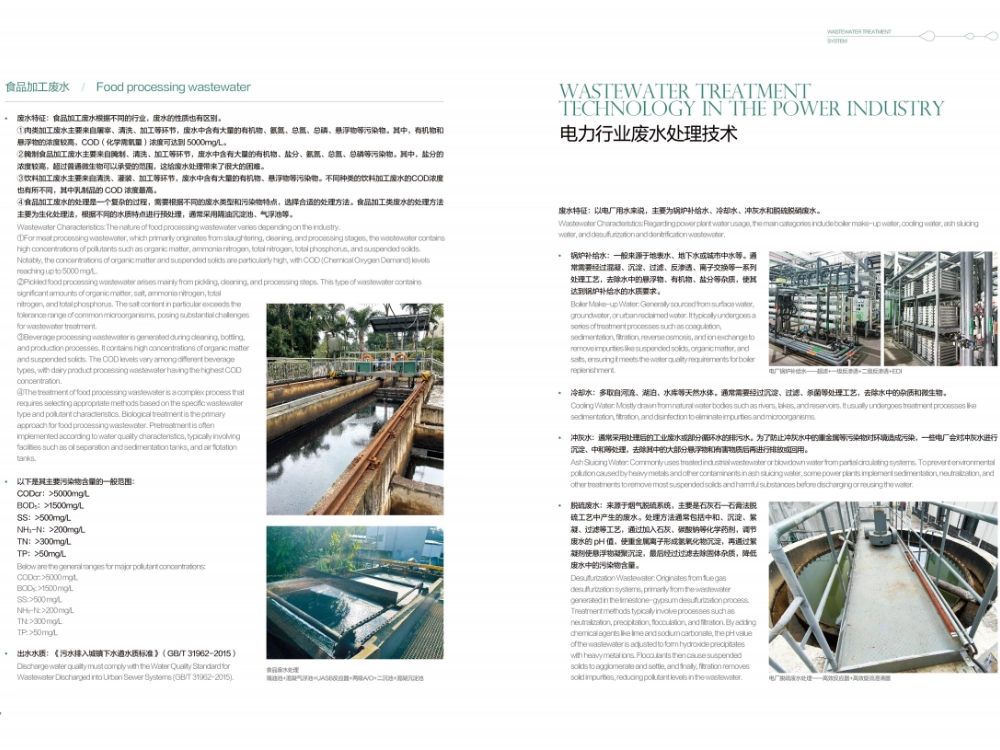
Our specialized Power Plant Wastewater Treatment solutions are engineered to handle the diverse water needs of the power industry. We provide comprehensive systems for boiler make-up water, cooling water, ash sluicing water, and flue gas desulfurization wastewater, ensuring both operational efficiency and environmental compliance.
Wastewater Treatment Technologies for Power Plants
Boiler Make-up Water Treatment
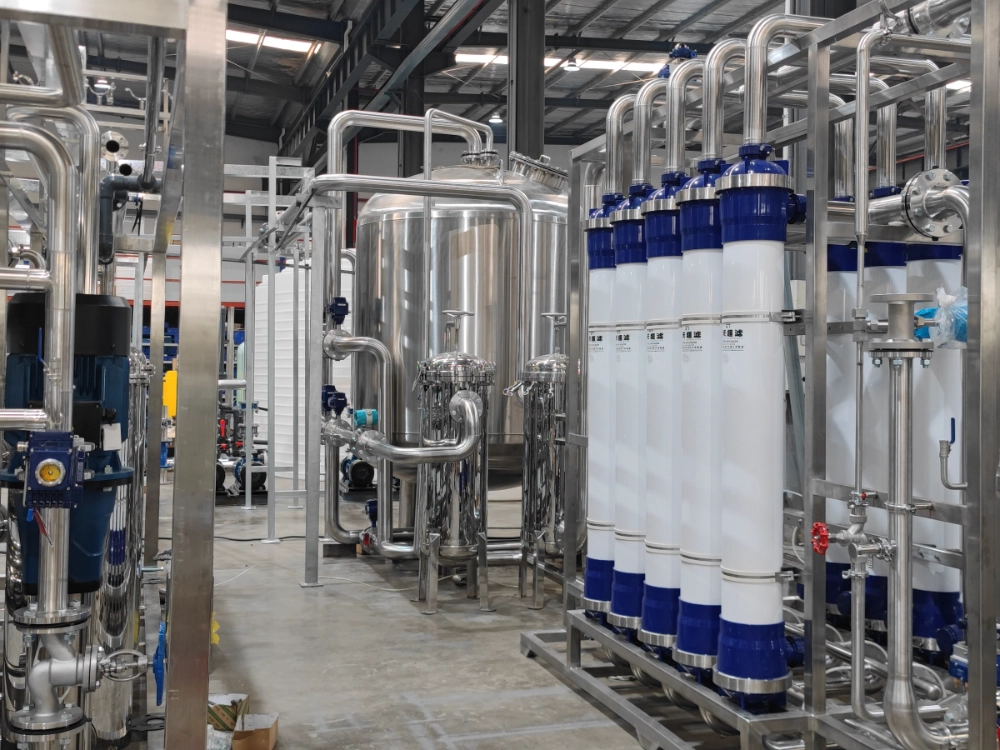
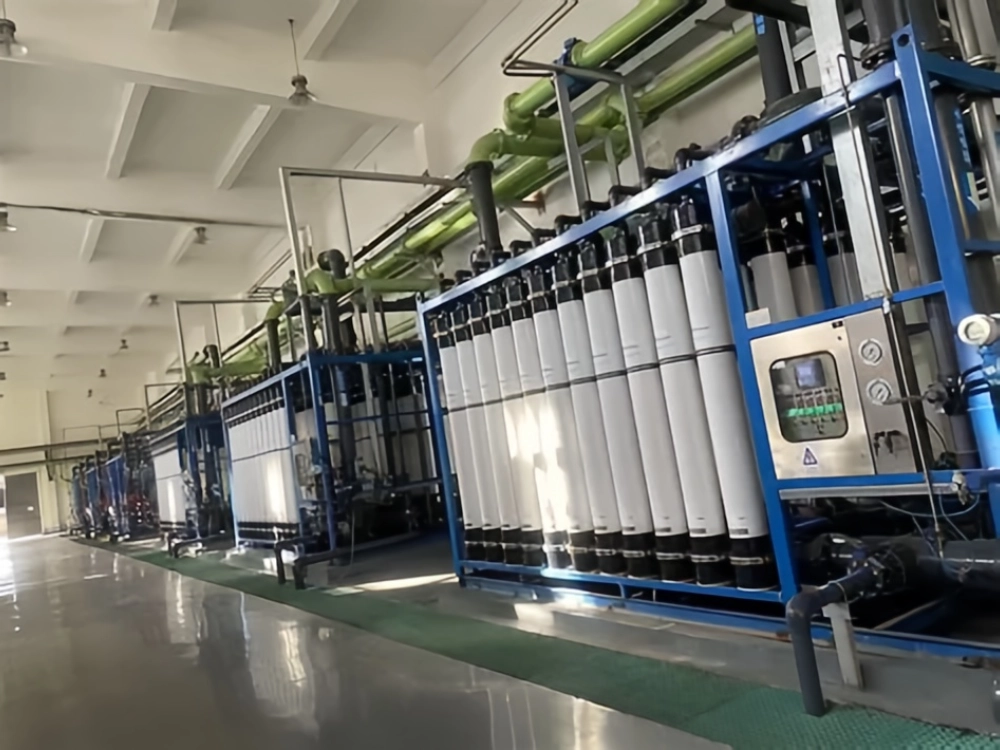
To produce high-quality water for boilers, our systems utilize a series of treatment processes including coagulation, sedimentation, filtration, reverse osmosis (RO), and ion exchange to remove impurities like suspended solids, organic matter, and salts.
Cooling Water Treatment
We treat cooling water sourced from natural water bodies using methods like sedimentation, filtration, and disinfection to remove impurities and microorganisms.
Ash Sluicing Water Treatment
To prevent environmental pollution from heavy metals and other contaminants, our systems treat ash sluicing water with processes like sedimentation and neutralization before it is discharged or reused.
Desulfurization Wastewater Treatment
This wastewater is treated using methods such as neutralization, precipitation, flocculation, and filtration to remove heavy metal ions and other pollutants.
Advantages of Our Power Industry Solutions
Ensures Equipment Longevity: By producing high-purity water, our systems prevent issues like scaling, fouling, and corrosion in critical equipment such as boilers and turbines.
Compliance with Regulations: Our solutions ensure the treated effluent meets specific water quality requirements and helps power plants comply with strict discharge regulations.
Environmental Protection: The treatment of ash sluicing and desulfurization wastewater prevents the discharge of heavy metals and other pollutants into public waterways, which can cause harm to humans and aquatic life.
Improved Efficiency: Our technologies, such as reverse osmosis, can improve a boiler system’s efficiency and reduce blowdown frequency, which helps save water and chemicals.
Power Plant Wastewater Treatment Applications
Boiler Make-up Water Treatment
To produce high-quality water from sources like groundwater or surface water for boiler replenishment.
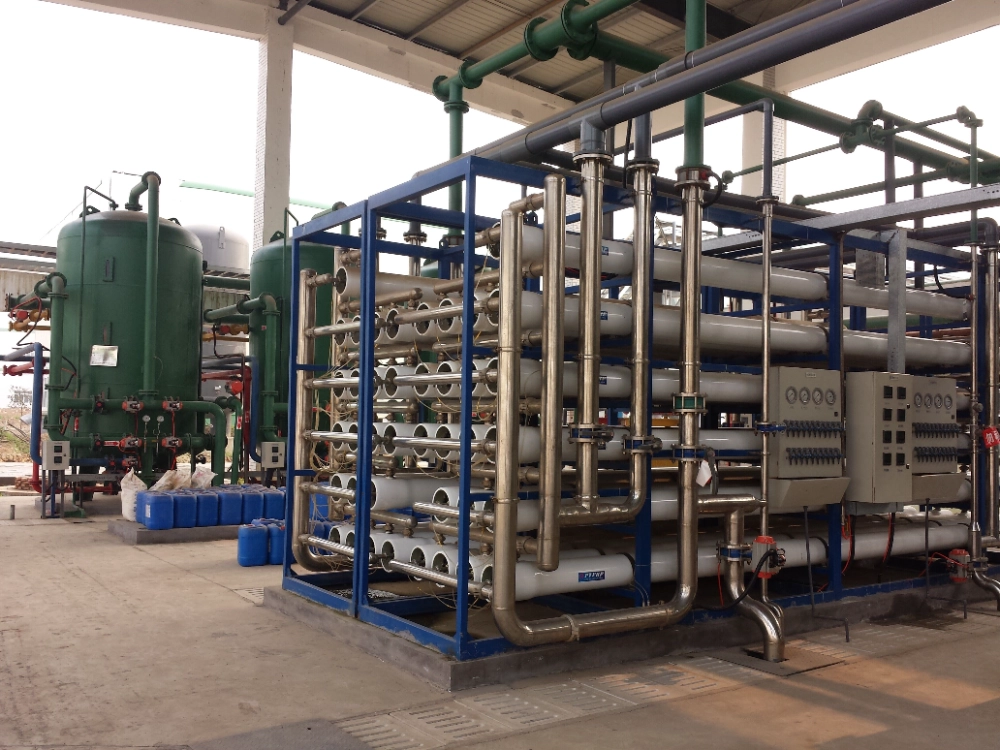
Cooling Water Treatmen
For water drawn from rivers, lakes, and reservoirs to ensure it is free from impurities and microorganisms.
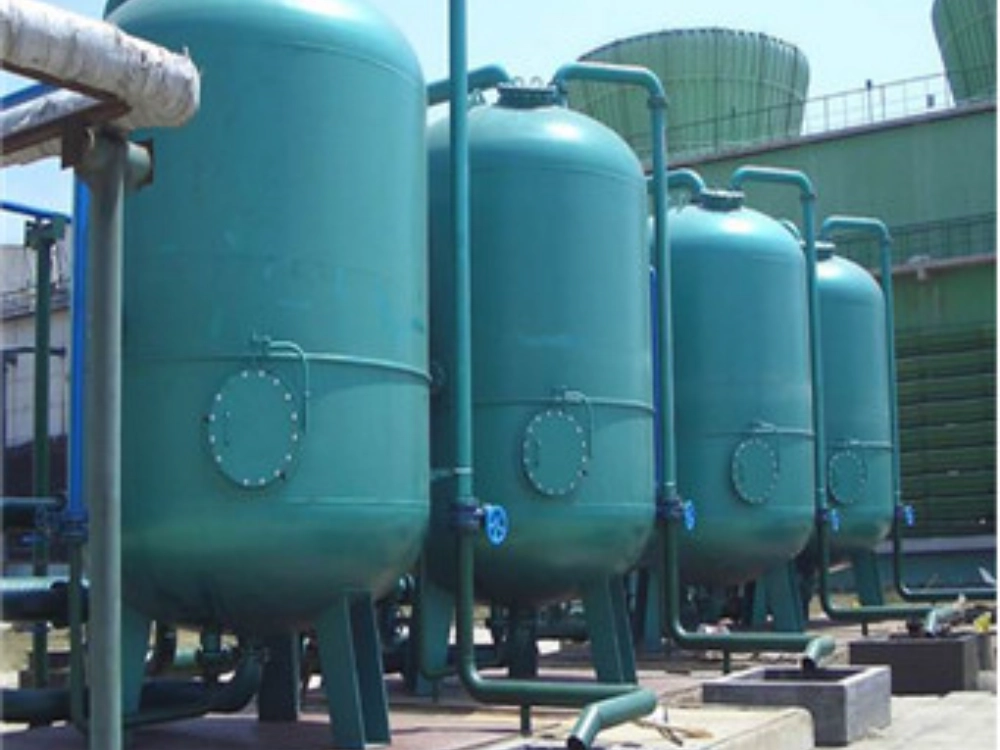
Ash Sluicing Water Treatment
Used for conveying coal ash, removing heavy metals and suspended solids before reuse or discharge.
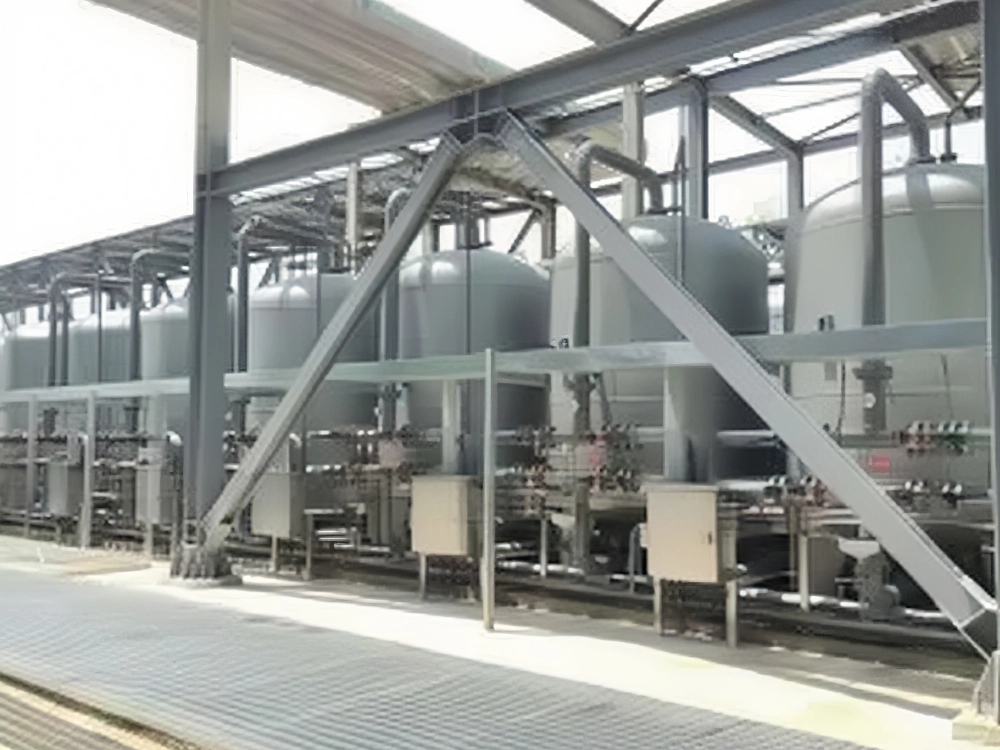
Desulfurization Wastewater Treatment:
To purify wastewater from flue gas desulfurization systems by removing heavy metals like arsenic, mercury, and selenium.
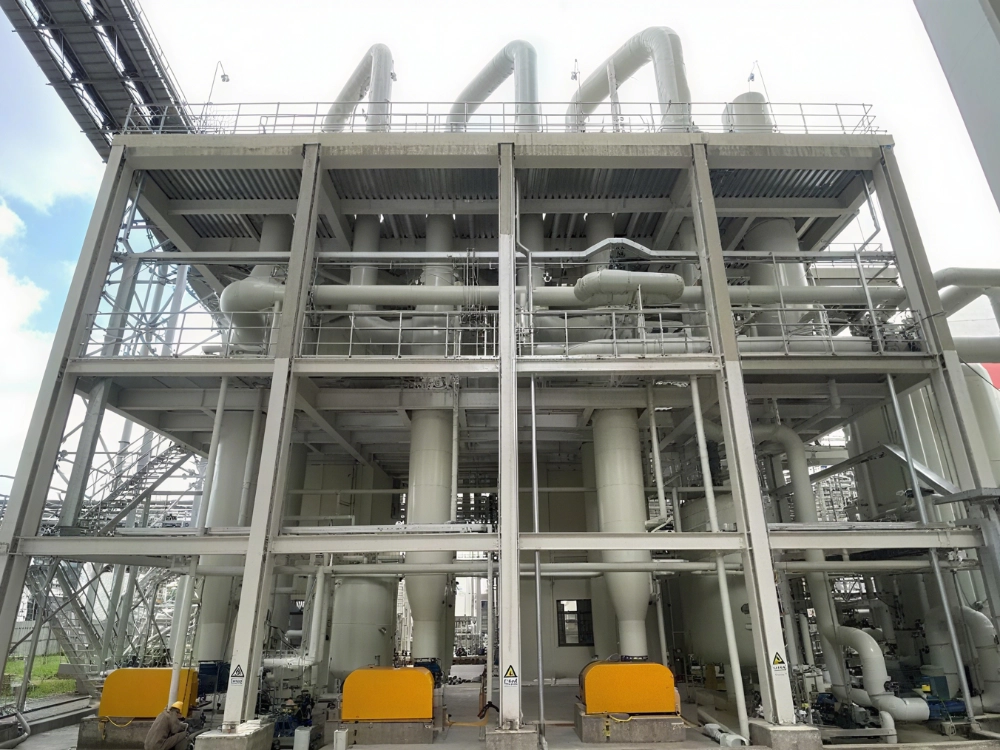
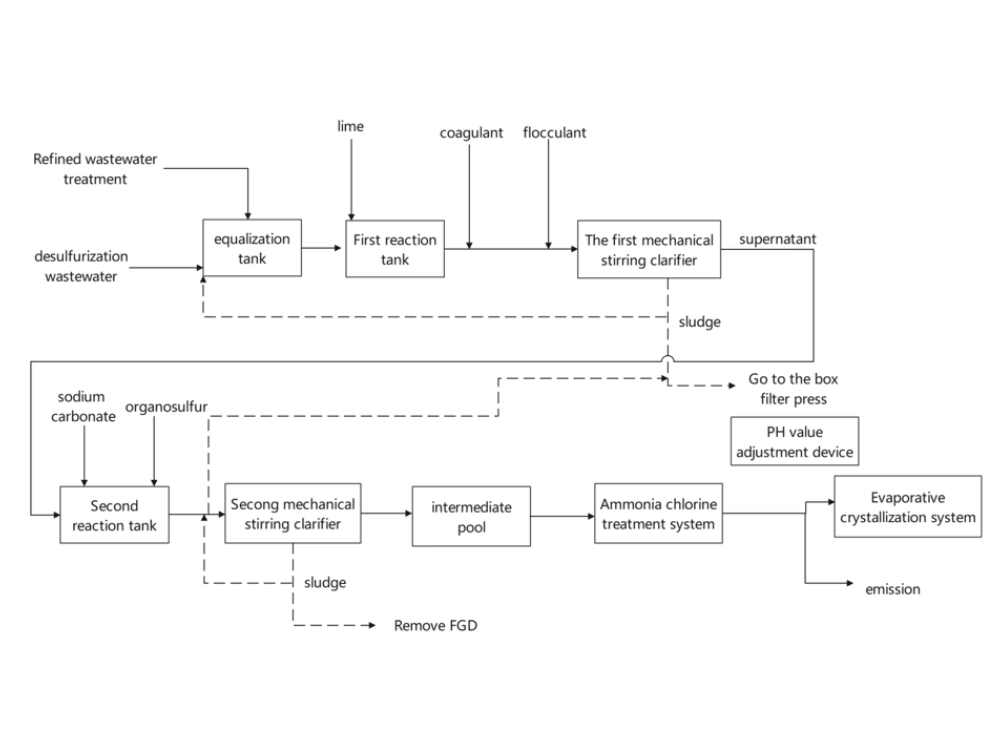
Power Plant Wastewater Treatment process
Refined Wastewater Treatment & Recovery Process
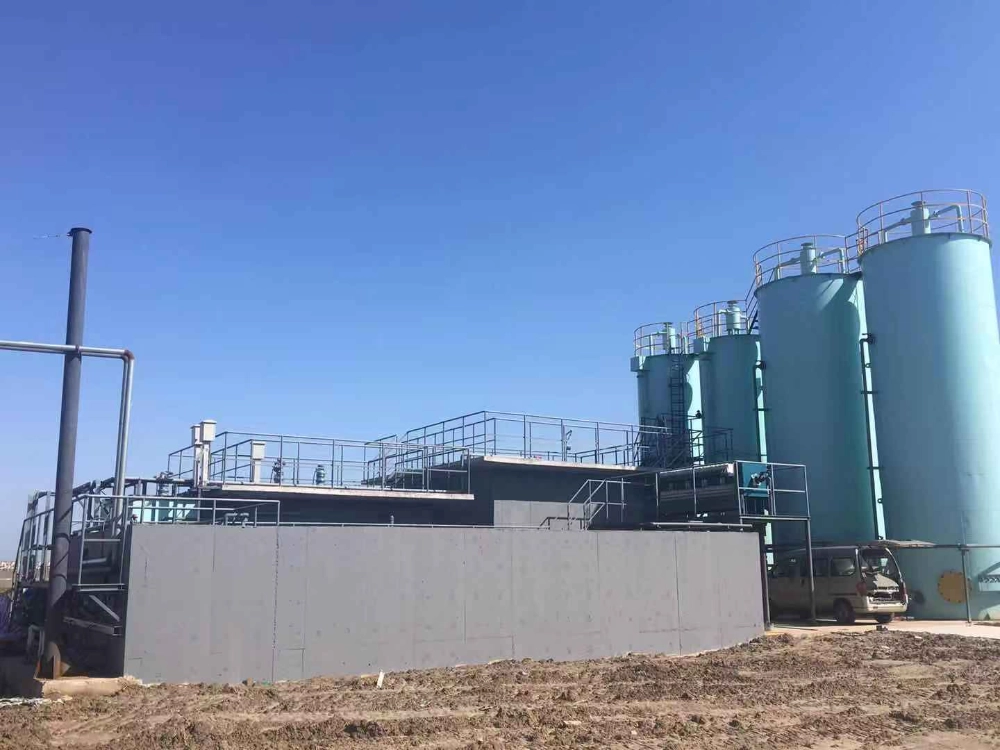
This advanced chemical-physical process is designed for complex industrial wastewater, featuring thorough purification and resource recovery.
Initial Equalization: Refined wastewater enters an equalization tank to homogenize flow and composition.
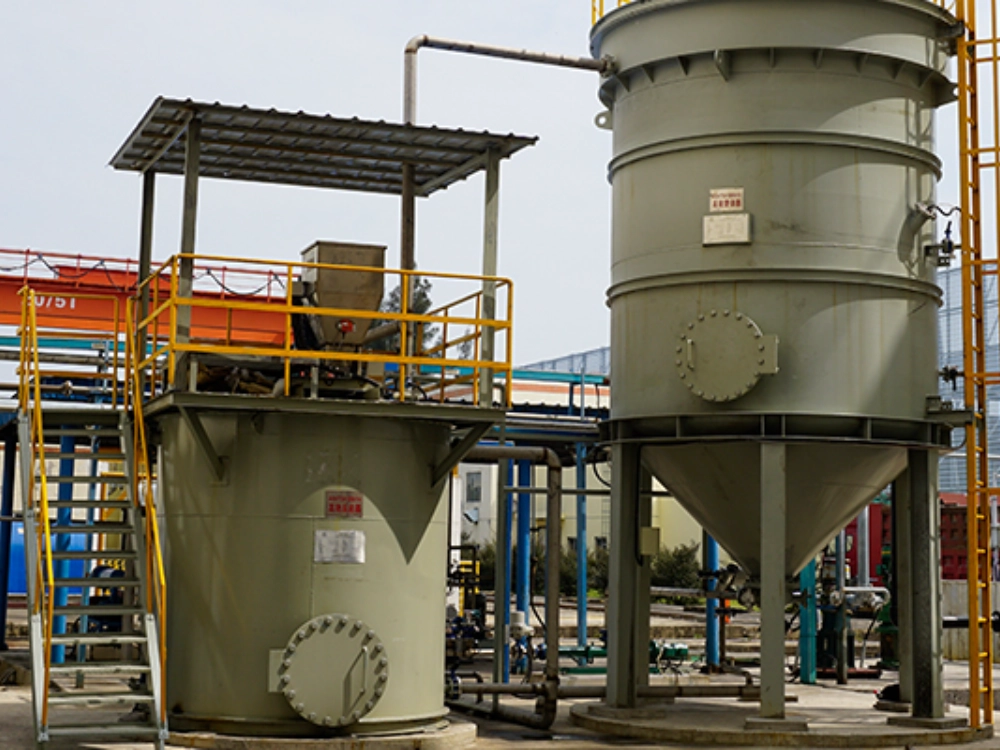
Chemical Coagulation & Clarification: The wastewater is treated in the first mechanically stirred clarifier, where coagulants and flocculants are added to remove suspended solids. The supernatant then proceeds to further treatment.
Advanced Chemical Reaction: Chemicals like sodium carbonate and organosulfur are added in the second reaction tank to precipitate specific contaminants. A second mechanical stirring clarifier separates the formed solids.
Polishing & Recovery: The clarified water is stored in an intermediate pool and then polished by an ammonia chlorine treatment system and a box filter press. A PH value adjustment device prepares the water for the evaporative crystallization system, which recovers valuable salts and produces clean water for emission.
Waste Management: Generated sludge from clarifiers and the filter press is disposed of responsibly. The process also includes a system to remove FGD (likely Flue Gas Desulfurization wastewater components).
Frequently Asked Questions
Treating boiler make-up water is critical to remove impurities that can cause scale formation, corrosion, and fouling on heat transfer surfaces, which can reduce efficiency and damage expensive equipment.
Heavy metals are typically removed through processes such as neutralization, precipitation, flocculation, and filtration. Chemical agents like lime and sodium carbonate are often added to adjust the pH, causing the heavy metals to form precipitates.
The main purpose of treating cooling water is to remove impurities and microorganisms that are drawn from natural water bodies, which helps prevent fouling and biological growth within the cooling system.
Power plants can achieve a zero liquid discharge system by treating and recirculating clarified water back into the plant. This approach can also eliminate the need for ash ponds.
Our systems are designed to handle various types of water in a power plant, including boiler make-up water, cooling water, ash sluicing water, and desulfurization wastewater, each with a tailored treatment approach.
Primary pollutants in power plant wastewater include heavy metals like arsenic, mercury, and selenium, as well as nitrates, which can cause environmental damage.
Get in touch with us
Don’t let water quality issues stand in your way. MoerWater Purified Water Generator will help you solve all your water quality problems, improve operational efficiency, and ensure your product or experimental results are at the best level.
*Our team will answer your inquiries within 24 hours.
*Your information will be kept strictly confidential.