Le besoin critique d'endotoxine dans l'eau Contrôle
La question de “Comment éliminer les endotoxines dans l'eau ?”répond à l'un des défis les plus critiques des industries pharmaceutiques, biotechnologiques et des dispositifs médicaux. L'élimination des endotoxines, ou dépyrogénation, est obligatoire pour tout produit destiné à être injecté ou à entrer en contact avec la circulation sanguine humaine.
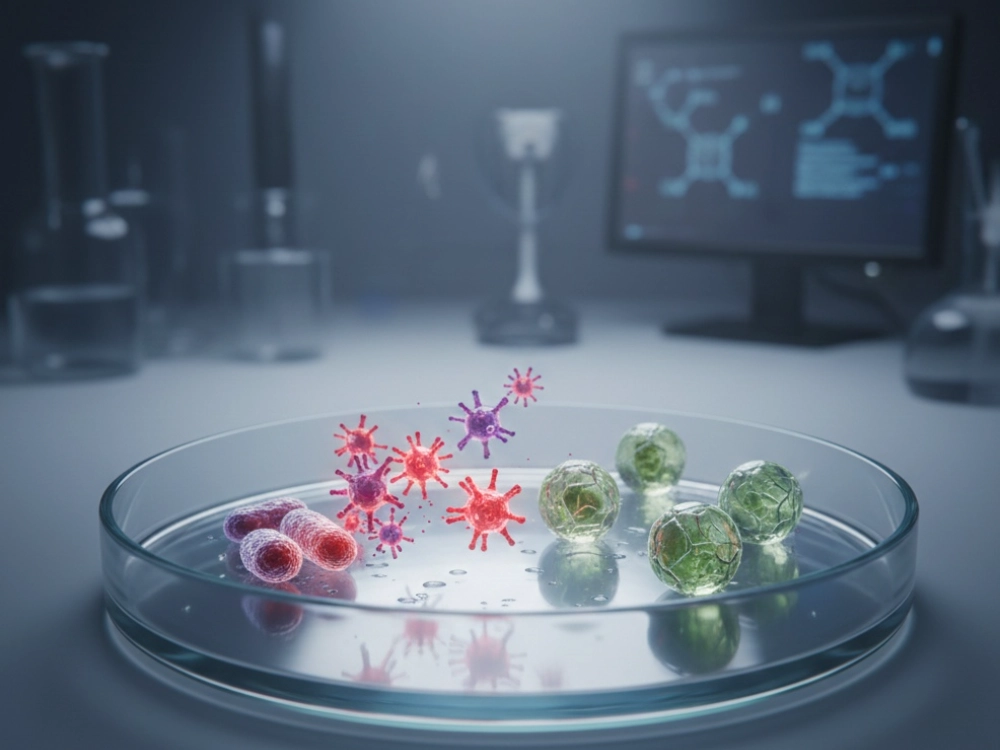
Les endotoxines sont des lipopolysaccharides (LPS) présents dans les parois cellulaires des bactéries Gram négatif. Elles sont libérées même lorsque les bactéries meurent, ce qui signifie qu'elles peuvent persister après la stérilisation. Si elles sont injectées, elles sont puissantes pyrogènes (substances provoquant de la fièvre) qui peuvent causer une inflammation grave, un choc ou même une septicémie mortelle. Par conséquent, pour atteindre les limites ultra-basses requises pour les Eau pour injection (WFI) (typiquement ≤ 0,25 EU/ml) exige des stratégies de purification spécialisées et multi-barrières telles que ultrafiltration (UF) et distillation.
Ce guide propose une comparaison des prix par des experts.l'endotoxine dans l'eau et l'élimination des déchets.d détailler les stratégies de contrôle critiques nécessaires pour maintenir la conformité.
Comprendre les endotoxines dans l'eau : Structure, menace et normes
Structure et caractéristiques
Les endotoxines se caractérisent par leur remarquable stabilité. Elles sont très stable à la chaleur, L'autoclave ou l'ébullition suffisent à tuer les bactéries, mais les bactéries ne peuvent pas être éliminées. ne sera pas détruire la molécule de LPS elle-même. Il est donc nécessaire d'utiliser des techniques d'élimination spécifiques. Structurellement, les endotoxines se présentent sous la forme d'agrégats moléculaires relativement importants (souvent supérieurs à 10 000 daltons, Da). Cette différence de taille entre la molécule de LPS et la molécule d'eau est le principe fondamental qui rend les méthodes de séparation physique efficaces.
Normes de qualité réglementaires
Les organismes de réglementation du monde entier, notamment l'USP et la FDA, imposent des limites strictes. Pour les WFI utilisé dans les produits injectables, la limite d'endotoxine est extrêmement basse : ≤0,25 EU/ml (unités d'endotoxine par millilitre). Cette limite stricte constitue le point de référence ultime pour la validation de n'importe quel produit injectable. méthode d'élimination des endotoxines utilisés dans le processus de fabrication.
Les trois principales technologies physiques d'élimination des endotoxines
La séparation physique est l'approche privilégiée pour éliminer les endotoxines dans l'eau, car elle permet de séparer le contaminant plutôt que de compter sur son inactivation.
1. L'ultrafiltration (UF) : L'épurateur moderne
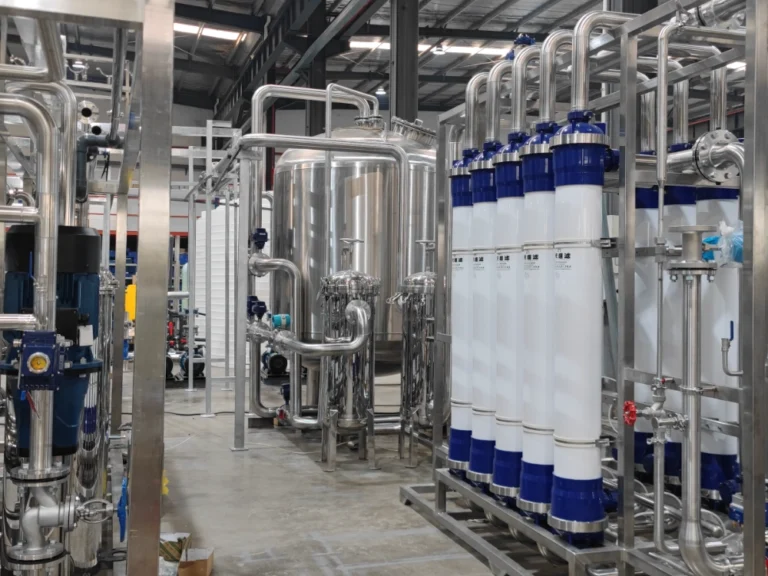
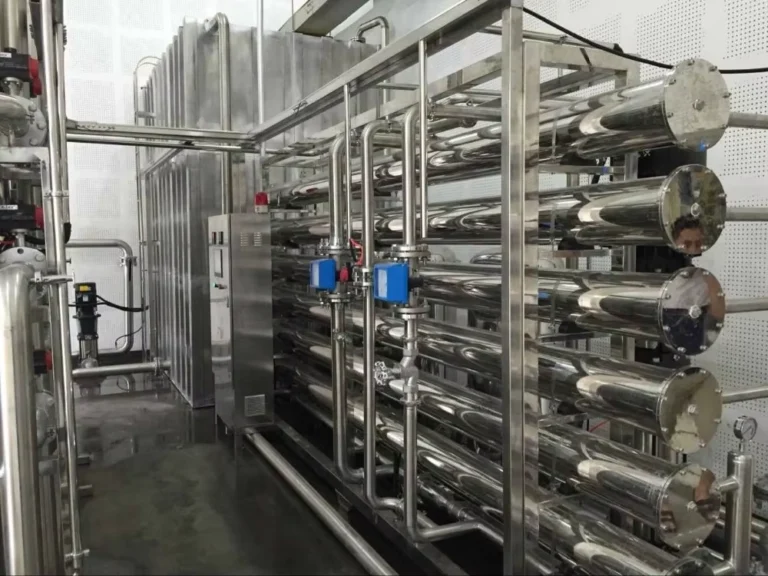
Ultrafiltration (UF) est le cheval de bataille des l'élimination des endotoxines dans l'eau. La membrane UF est spécifiquement fabriquée avec un seuil de poids moléculaire précis (NMWL), généralement 10 000 Da ou 20 000 Da. Comme les agrégats de LPS sont plus grands que ces pores, la membrane UF est physiquement plus résistante que les autres membranes. les tamise, agissant comme une barrière continue et très efficace. L'UF est un élément essentiel du polissage final de l'eau dans les systèmes modernes de traitement de l'eau. Systèmes WFI en raison de son débit continu et de sa faible consommation d'énergie par rapport aux méthodes thermiques.
2. La distillation : L'étalon-or traditionnel
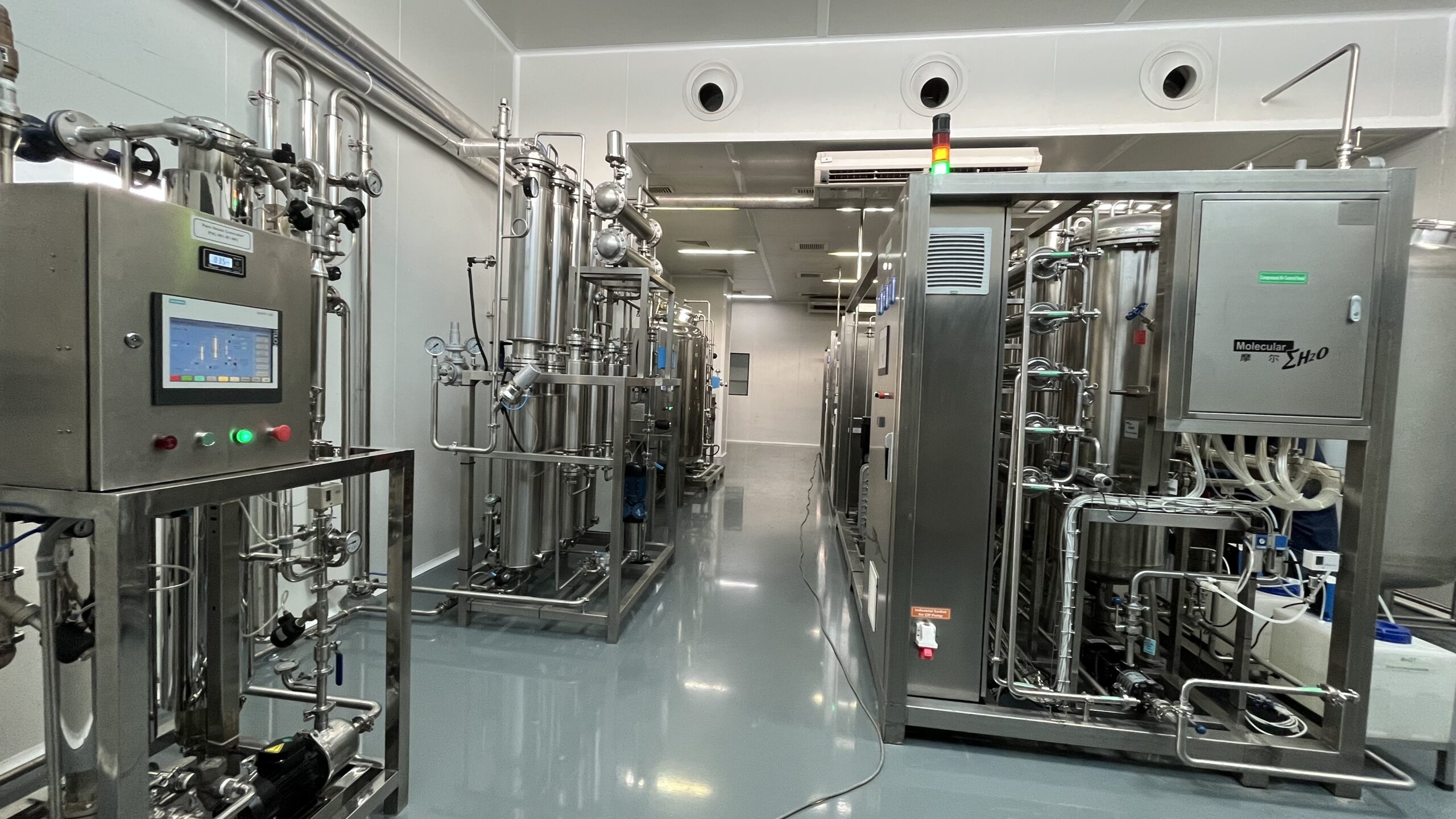
Distillation est la méthode historique pour dépyrogénation et l'étalon-or traditionnel pour les Production WFI. Dans un alambic à effets multiples, l'eau est vaporisée en vapeur, laissant les contaminants non volatils - les ions, les particules et, surtout, les endotoxines LPS - dans le résidu d'ébullition. Bien qu'il soit incroyablement fiable et encore largement utilisé, ce procédé est nettement plus gourmand en énergie et en capital que les technologies à base de membranes.
3. Osmose inverse (OI) : La barrière de première ligne
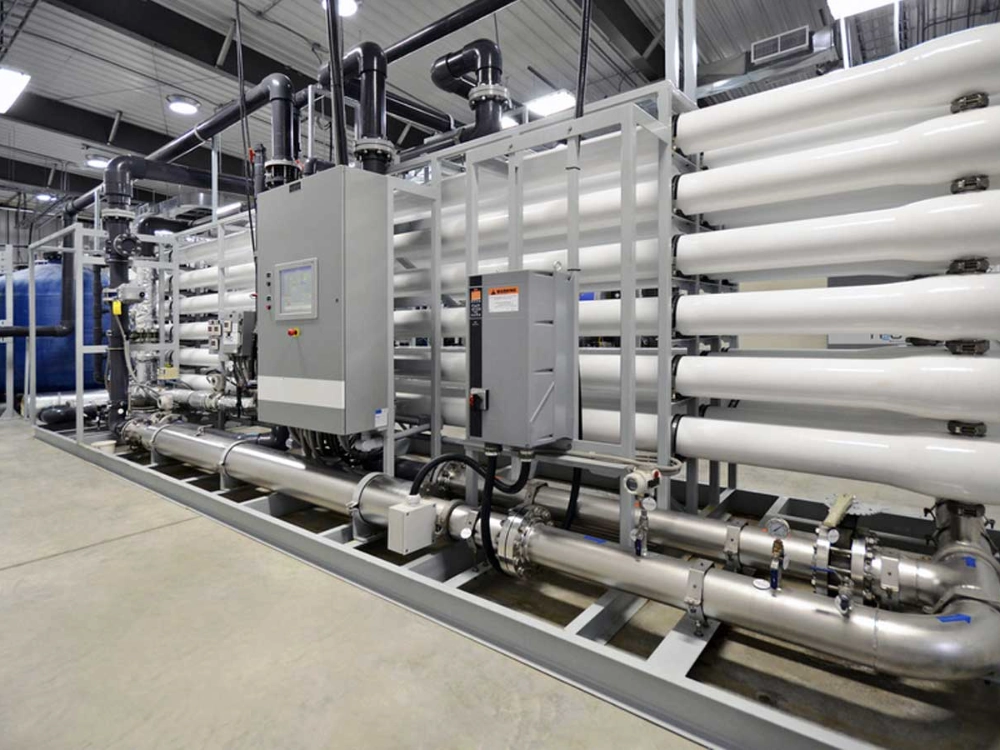
Bien qu'il soit principalement connu pour sa grande efficacité en matière de déionisation, la structure à pores serrés du Membrane d'osmose inverse (RO) en fait un formidable outil d'aide à la décision. barrière frontale contre les contaminants microbiens. L'OI permet généralement d'atteindre un taux de rejet des endotoxines et des bactéries supérieur à 99,9%. Il est donc essentiel que l prétraitement des noyaux dans tout système WFI ou d'eau ultra-pure, réduisant considérablement la charge de contaminants pour les unités d'UF ou de distillation suivantes.
Méthodes auxiliaires pour le contrôle des endotoxines
Au-delà du traitement de l'eau en vrac, des techniques spécialisées sont utilisées pour la purification des solutions ou la préparation des équipements.
1. Échange d'ions et adsorption
Les endotoxines possèdent une charge négative nette dans les solutions aqueuses. Cette caractéristique est exploitée en utilisant des milieux échangeurs d'anions (cartouches ou membranes adsorbantes) qui portent une charge positive. Ce processus permet de capture et lie les molécules de LPS. Cette méthode est principalement utilisée pour purifier des solutions biologiques complexes (telles que des préparations de protéines ou d'acides nucléiques), où l'UF pourrait entraîner une perte de produit, plutôt que pour la purification de l'eau à grande échelle.
2. Inactivation de la chaleur sèche à haute température
La lumière UV et les méthodes de stérilisation courantes ne peuvent pas détruire les endotoxines présentes dans l'eau, mais la chaleur extrême peut le faire. Dépyrogénation par chaleur sèche utilise des températures de 250℃ ou plus pendant des périodes prolongées (par exemple, 30 minutes) pour oxyder et détruire la molécule de LPS. Il est important de noter que cette méthode est exclusivement utilisée pour les stérilisation et dépyrogénation d'équipements stables comme la verrerie et les composants en acier inoxydable, et est ne s'applique pas à l'eau elle-même.
Conception du système WFI et stratégies de contrôle des biofilms
La meilleure façon de gérer les endotoxines dans l'eau est d'empêcher la prolifération des bactéries qui les produisent. Cela nécessite une conception méticuleuse du système.
1. La prévention des biofilms est un contrôle à la source
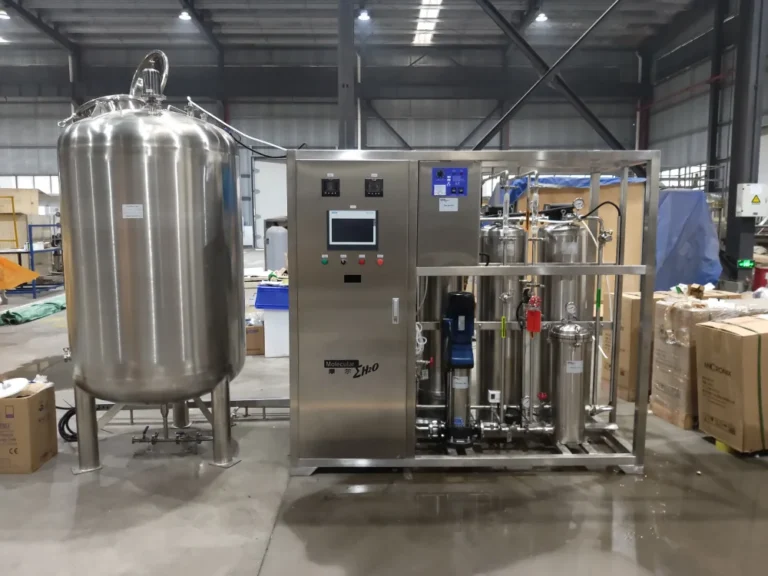
Depuis les bactéries sont la seule source d'endotoxines, en empêchant la formation de colonies microbiennes, ou biofilm, est primordiale. Cet objectif est atteint grâce à l'ingénierie : l'utilisation de matériaux de haute pureté, de matériaux de haute qualité et d'une technologie de pointe. Acier inoxydable 316L la tuyauterie pour garantir des surfaces lisses, en mettant en œuvre recirculation continue de l'eau, et en éliminant les “jambes mortes” (sections de tuyaux stagnantes) où les microbes peuvent s'installer et proliférer. Ces points ne sont pas négociables méthodes de prévention du biofilm.
2. Cycles d'assainissement actifs
Pour supprimer activement la croissance microbienne, les systèmes WFI doivent être régulièrement désinfectés :
Assainissement à chaud : La norme industrielle pour le WFI est de chauffer périodiquement - ou continuellement - l'ensemble de l'eau de la boucle de distribution à 80℃ ou plus. Ce cycle thermique est très efficace pour tuer les bactéries et prévenir le biofilm l'adhésion.
Sauvegarde des terminaux : En guise de dernière couche de protection, 10k Da NMWL terminal ultrafilters sont souvent installés au point d'utilisation afin de garantir que tout contaminant à l'état de trace ou toute brèche microbienne mineure dans la boucle de distribution soit capturé avant que l'eau n'entre en contact avec le produit.
Conclusion : La dépyrogénation est la norme de sécurité la plus élevée
Élimination des endotoxines définit la norme la plus élevée en matière de qualité de l'eau et constitue l'engagement ultime en faveur de la sécurité des patients dans les secteurs réglementés. Elle nécessite une approche hautement intégrée, à barrières multiples, combinant le rejet initial élevé de contaminants de l RO, le pouvoir de séparation spécifique de Ultrafiltration ou distillation, et méticuleux conception du système pour prévenir la formation de biofilms. La maîtrise de ces méthodes de dépyrogénation est essentielle pour assurer une conformité réglementaire cohérente.
Vous cherchez à concevoir ou à valider votre système d'eau ultra-pure afin d'atteindre systématiquement la norme de 0,25 UE/ml ? Contactez nos experts dès aujourd'hui pour une consultation spécialisée sur élimination des endotoxines la conception et la qualification des systèmes.