

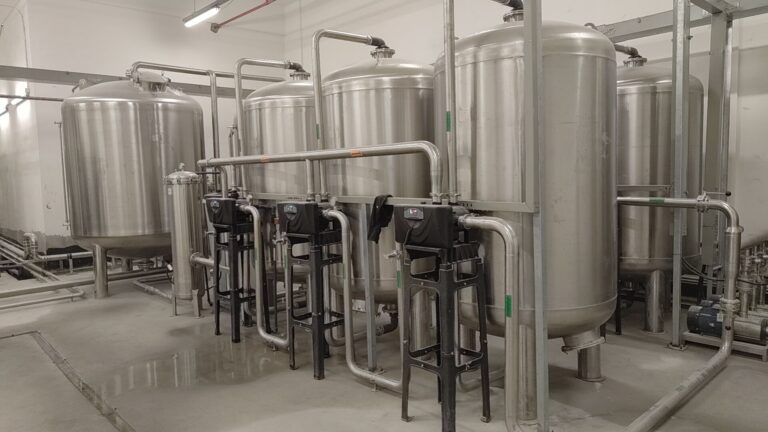
Introduction: Water is Your Facility’s Circulatory System—Keep It Safe
In a hospital, water touches every clinical department and directly impacts patient outcomes. An ineffective système de traitement des eaux hospitalières is not just an operational nuisance; it is a vector for infection, a cause of medical device failure, and a significant compliance liability.
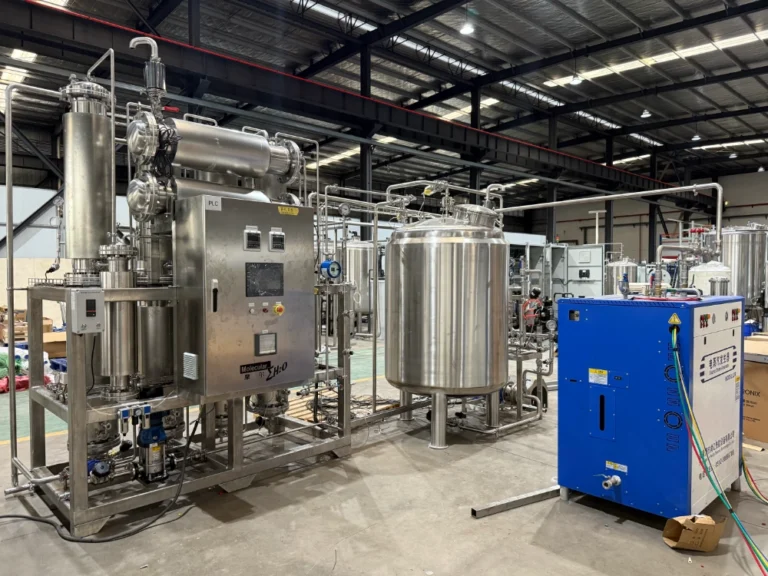
Moving from reactive fixes to proactive management requires a structured framework. This guide details the three essential pillars of a comprehensive water safety strategy, showing how an integrated système de traitement des eaux hospitalières addresses each to protect patients, staff, and your organization’s reputation.
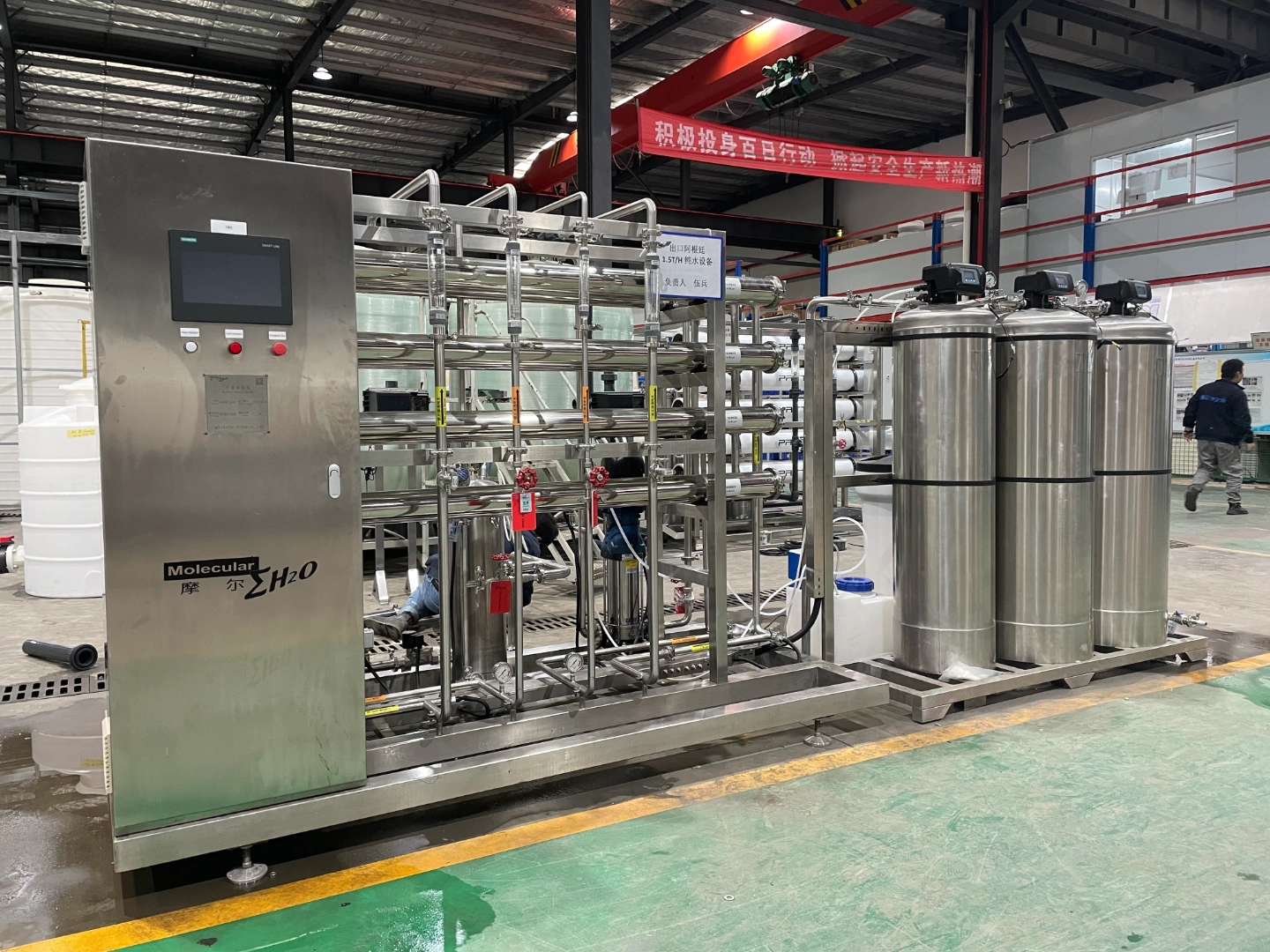 Pillar 1: Department-Specific Purification Standards
A single water quality standard cannot meet all hospital needs. The first pillar involves deploying targeted treatment technologies where they are needed most.
-
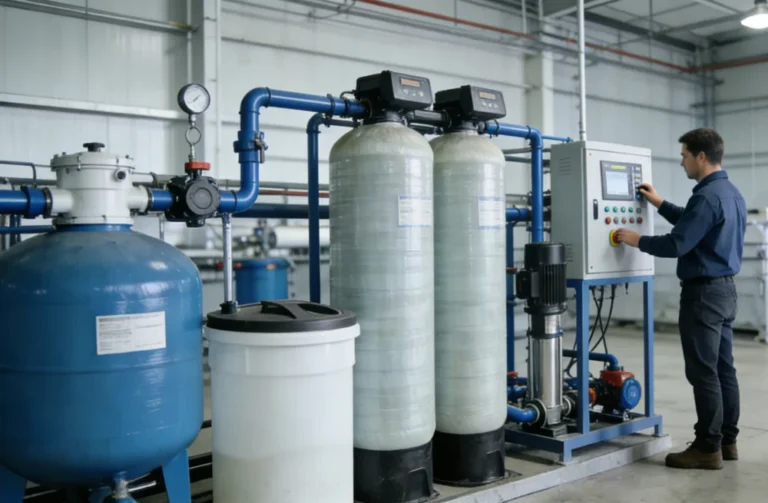
Hemodialysis: This is the most water-critical application. A dedicated dialysis water treatment system, a subset of the broader système de traitement des eaux hospitalières, must comply with AAMI/ISO 23500. It requires aggressive chloramine removal via carbon filtration, reverse osmosis (RO), and often ultrafiltration (UF) to prevent life-threatening patient reactions.
-
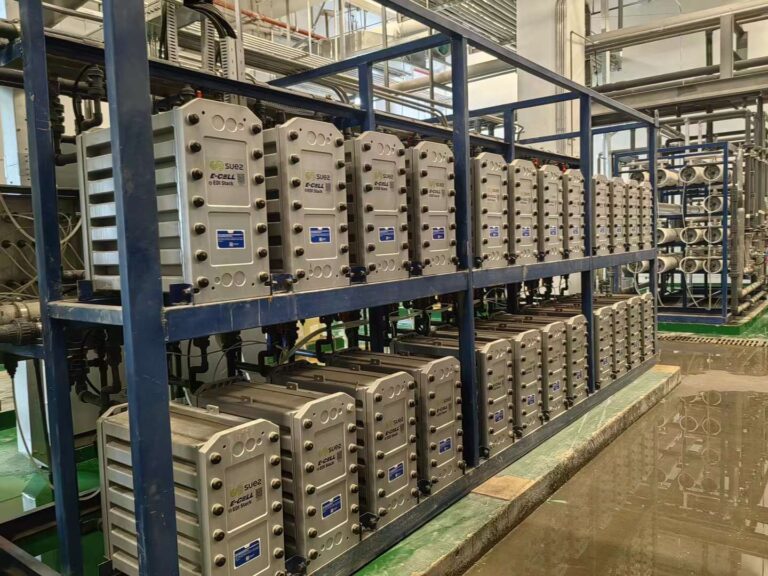
Sterile Processing Department (SPD): The final rinse water for surgical instruments must be of exceptionally low mineral content to prevent spotting, which can harbor bacteria and compromise sterilization. A point-of-use water treatment system using RO or electrodeionization (EDI) is typically required here.
-
Laboratory & Pharmacy: As outlined in our previous guide, these areas need clinical-grade water (Type I/II/III) for accurate testing and non-pyrogenic drug preparation.
-
Legionella & Potable Water Safety: The foundational layer for the entire système de traitement des eaux hospitalières involves controlling disinfectant levels (e.g., chlorine) and managing water temperature to mitigate Légionelle and other pathogens in the potable supply.
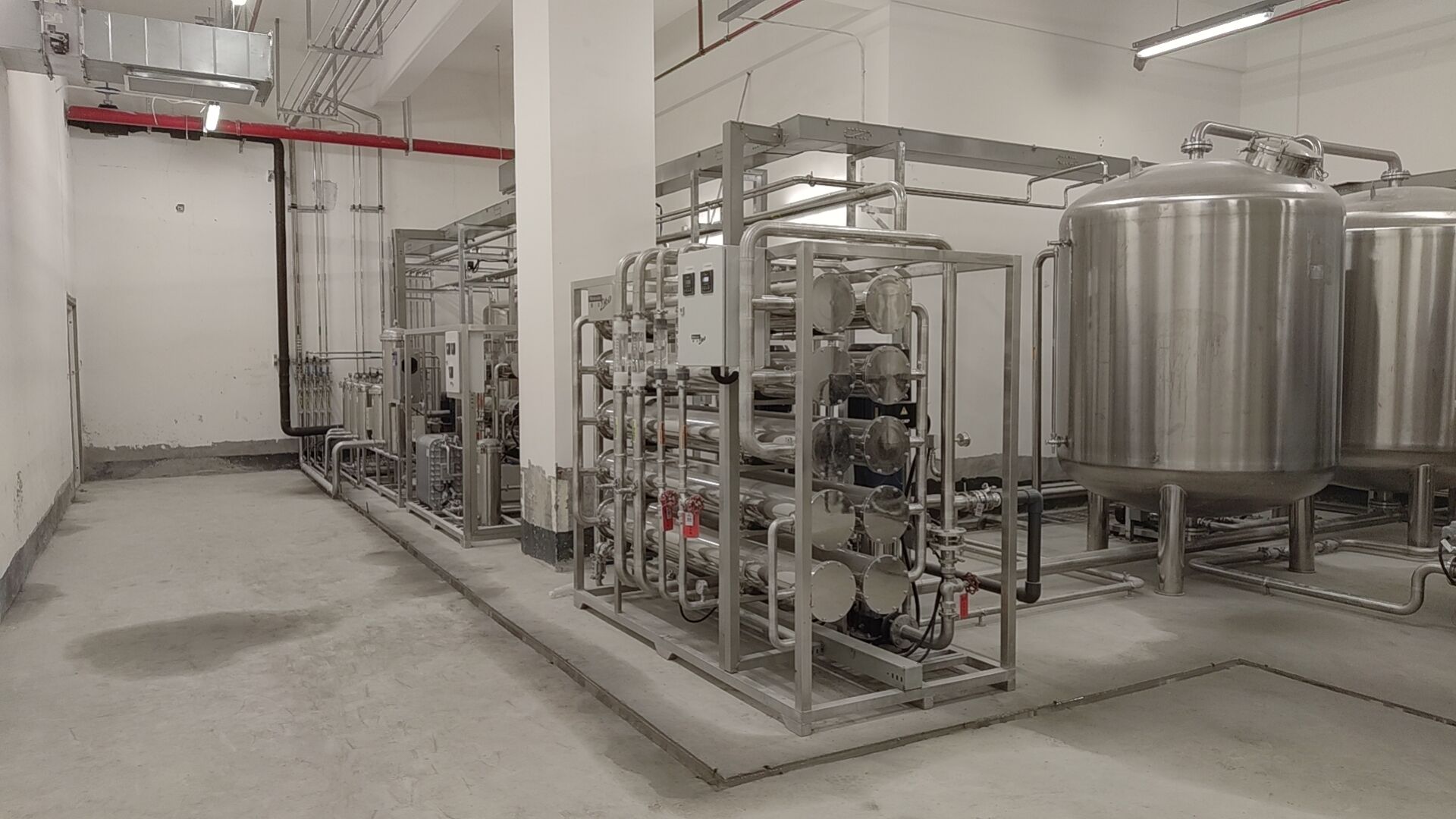 Pillar 2: Facility-Wide Pathogen Control & Risk Management
The second pillar extends beyond treatment to active, ongoing hazard control, a core focus of The Joint Commission (TJC) and CDC.
-
Implementing a Water Management Program (WMP): As mandated, this involves forming a multidisciplinary team, mapping the entire water system, identifying hazardous conditions (like stagnation or low disinfectant), and setting control limits.
-
Proactive Control Measures: A well-designed système de traitement des eaux hospitalières enables key controls, such as maintaining hot water temperatures at the heater and distal points, ensuring adequate disinfectant residual, and eliminating dead-end piping.
-
Routine Testing & Monitoring: This pillar is not “set and forget.” It requires scheduled testing for Légionelle and other parameters at sentinel points, with documented corrective actions.
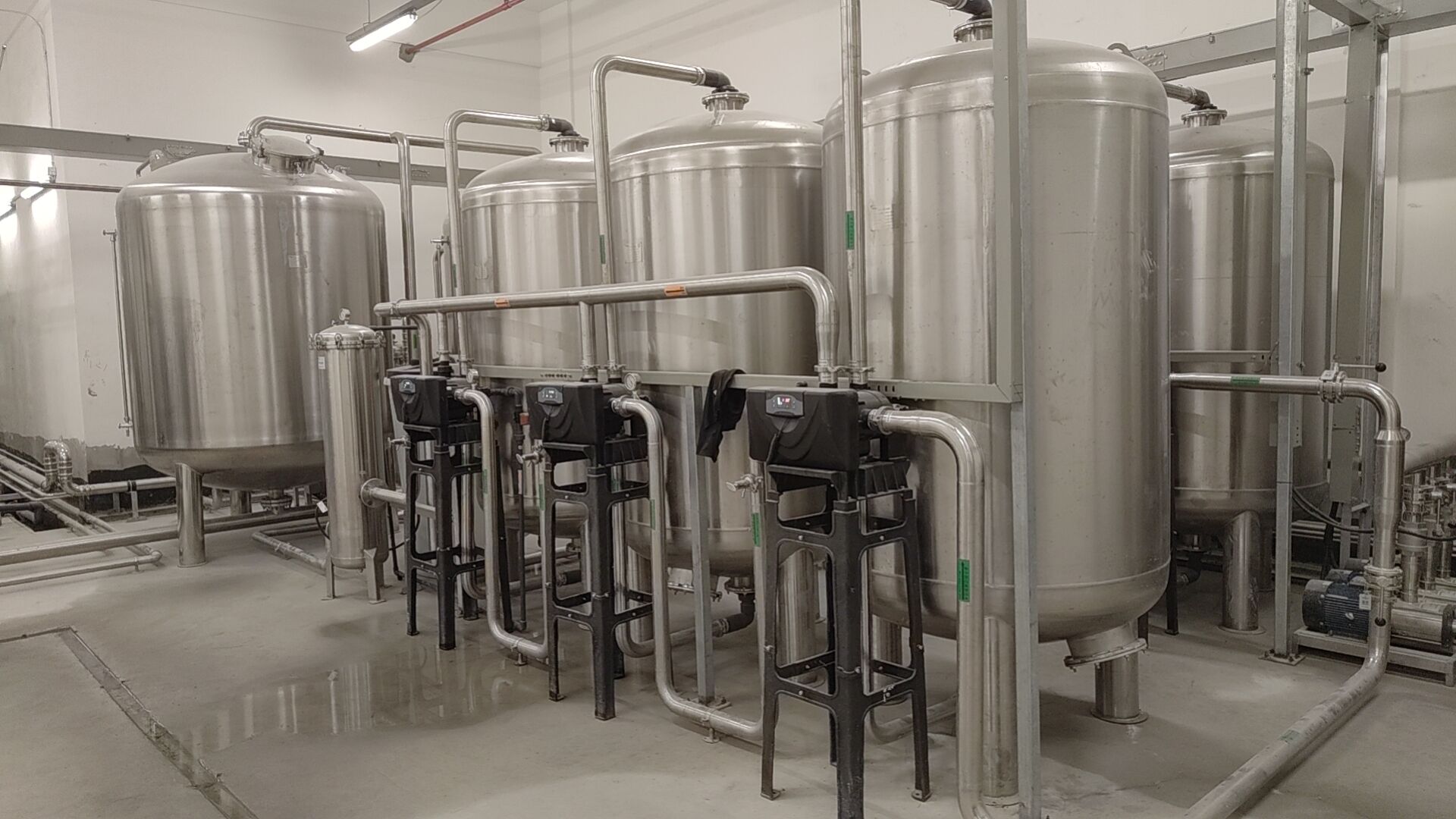 Pillar 3: Centralized Monitoring, Data & Governance
The third pillar transforms your système de traitement des eaux hospitalières from isolated equipment into an intelligent, manageable asset. This is where technology turns compliance into insight.
-
Digital Monitoring & Alerts: Modern systems allow for continuous remote monitoring of critical parameters (temperature, pressure, disinfectant levels, RO performance) across central plants and key departments. Real-time alerts notify facilities teams of deviations before they become critical.
-
Data-Driven Decision Making: Consolidated data logs provide irrefutable evidence for TJC surveys, help optimize chemical usage and energy consumption, and inform capital planning for system upgrades.
-
Unified Governance: A mature program centralizes responsibility, with clear protocols linking the performance of the dialysis water treatment system, the SPD final rinse system, and the potable water controls under one overarching water safety plan.
L'avis d'un expert : “Hospitals often invest in departmental systems (Pillar 1) but neglect the connective tissue of Pillars 2 and 3. The greatest risk reduction comes from an integrated view. Your système de traitement des eaux hospitalières partners should provide the technology and consulting to unite physical treatment with digital monitoring and program governance.” – Système Molewater Healthcare Water Strategy Lead.
Conclusion: From Compliance Burden to Strategic Safeguard
Viewing your water infrastructure through the lens of these Three Pillars shifts the paradigm from cost center to critical safeguard. A strategically implemented système de traitement des eaux hospitalières proactively manages risk, demonstrates due diligence to accreditors, and, most importantly, creates a safer environment for healing.
Système Molewater specializes in designing and supporting integrated water safety solutions for healthcare. We help you build and sustain all three pillars, from equipment to analytics to program support.
Begin your strategic assessment today.
Download our “Hospital Water Risk Assessment Framework” to evaluate your current posture across the three pillars.
Schedule a consultation with our healthcare water specialists to develop a roadmap for your facility.