The Gold Standard: AAMI Standards for Dialysis Water
In the United States, the ultimate authority guiding water purity for dialysis is the Association for the Advancement of Medical Instrumentation (AAMI). These standards are not suggestions; they are strictly mandated guidelines designed to mitigate the risk of patient harm from contaminants. Achieving compliance involves rigid control over two main categories of substances:
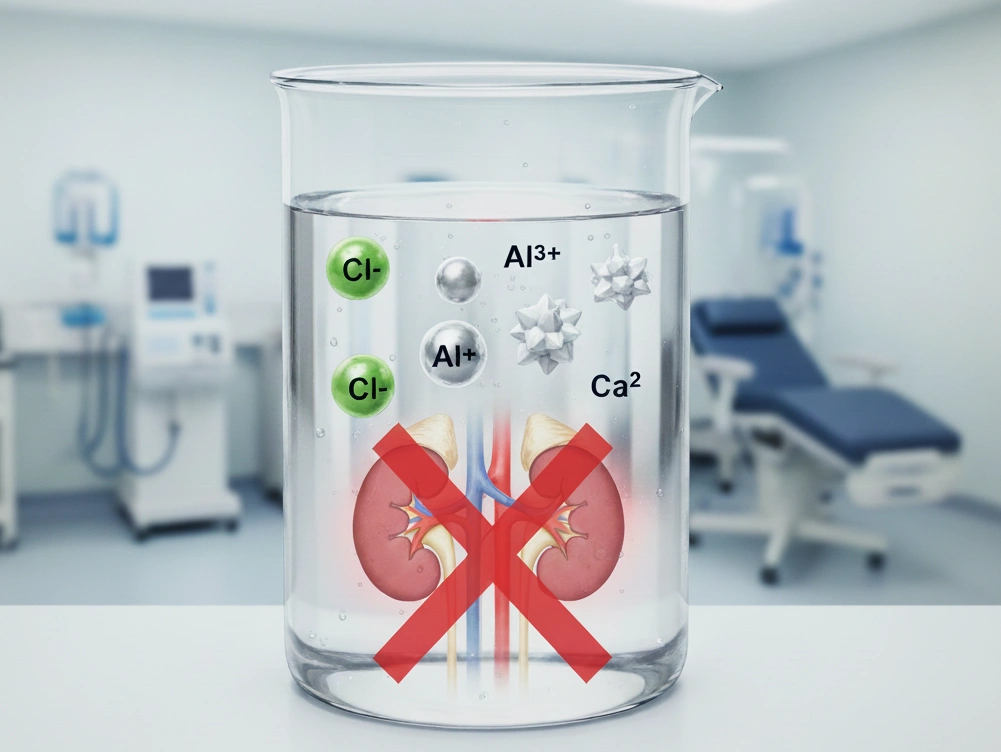
Chemical Contaminants: The Threat of Chloramines, Aluminum, and Heavy Metals
Tap water typically contains substances that are harmless to drink but lethal in the bloodstream of a dialysis patient. For example:
- Chloramines: Used as a disinfectant in municipal water, chloramines can cause hemolysis (the destruction of red blood cells). The AAMI standard requires chlorine and chloramine levels to be virtually non-existent at the point of patient care.
- Aluminum: Trace aluminum exposure over time can lead to severe neurotoxicity and bone disease in kidney patients.
- Hardness Minerals (Calcium & Magnesium): While necessary in drinking water, high levels can precipitate within the patient’s body, causing “hard water syndrome” (nausea, vomiting, and severe hypertension).
The AAMI guidelines specify maximum allowable concentrations, often requiring contaminants to be reduced to levels far below what is considered safe for normal consumption.
Microbial Safety: Strict Limits on Bacteria and Endotoxins (The Pyrogen Risk)
Even microscopic biological contaminants pose a severe threat. Endotoxines, which are fragments of dead bacterial cell walls, are powerful pyrogens that can cause fever, inflammation, and chronic complications if they cross the dialyzer membrane into the blood. The AAMI standard demands extremely low levels:
- Bacteria: Less than 200 Colony Forming Units per milliliter (CFU/mL).
- Endotoxins: Less than 2 Endotoxin Units per milliliter (EU/mL).
These requirements necessitate sophisticated purification and constant vigilance in system maintenance.
Continuous Monitoring: The Role of Conductivity in Quality Control
A primary safety check is the continuous measurement of conductivity. Since most chemical contaminants are conductive salts, any fluctuation in conductivity suggests the water purification system (especially the RO unit or DI tanks) is failing. Continuous monitoring ensures immediate alerts if water quality deviates from the AAMI maximum threshold, guaranteeing dialysis water safety.
Building the Safe System: Hemodialysis Water Treatment Flow
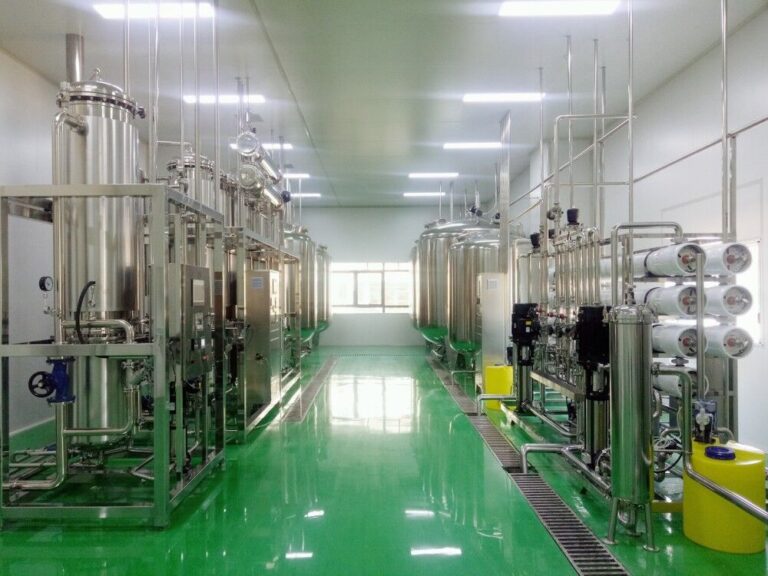
Achieving the required level of purity is not a single-step process; it involves a complex, multi-barrier hem dialysis water treatment system designed to remove contaminants sequentially.
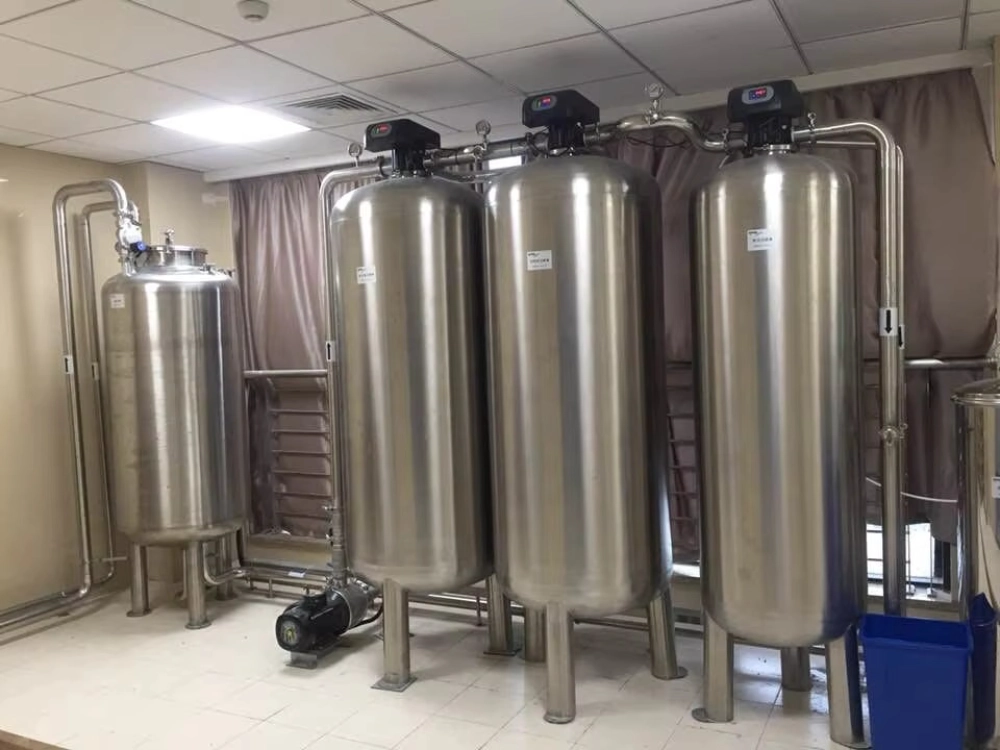
Pre-Treatment Essentials: Softeners, Multimedia, and Activated Carbon Filters
The first line of defense is pre-treatment, which protects the sensitive RO membranes and addresses the most immediate threats:
- Adoucissement :Cation exchange softeners remove calcium and magnesium to prevent scale buildup on the RO membrane.
- Activated Carbon:This stage is critical for chloramine removal. Large carbon tanks adsorb chlorine and chloramines, safeguarding patients from hemolysis and protecting the RO membranes from oxidation damage.
Core Purification: The Reverse Osmosis for Dialysis (RO) System
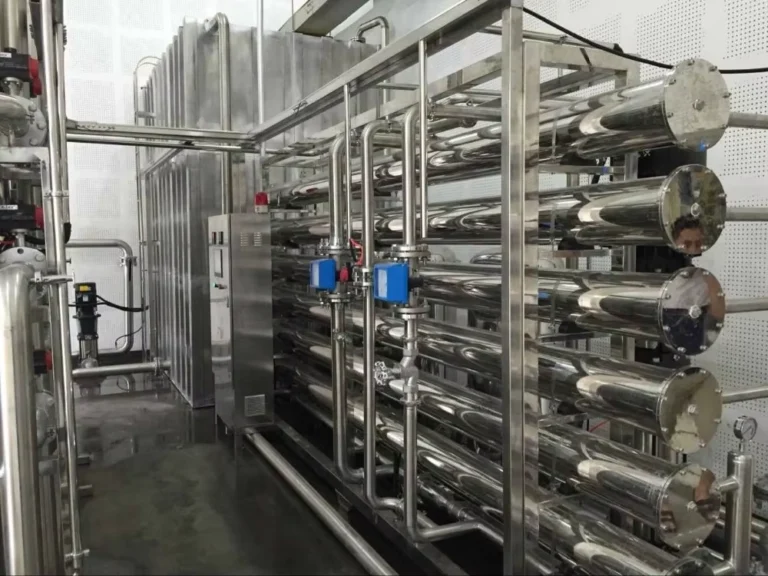
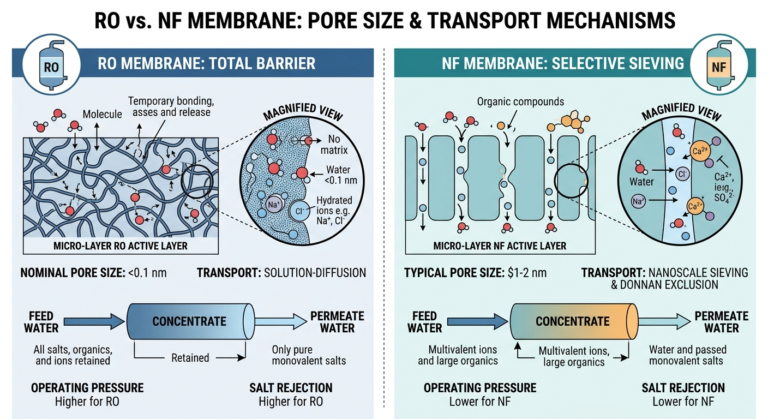
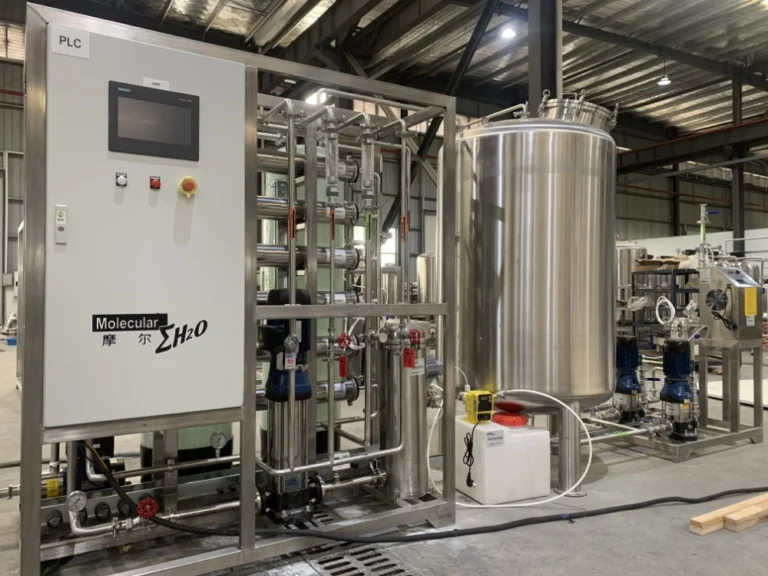
Les Reverse Osmosis for Dialysis unit is the heart of the system. It removes 95% to 99% of dissolved solids, including most bacteria, salts, viruses, and pyrogens. Water that fails to meet purity standards at the RO stage must be rejected and diverted to drain. The RO membrane serves as the primary physical barrier against nearly all chemical contaminants.
Post-RO Disinfection: Direct Feed Systems and Heat Sanitization
After the primary RO purification, modern dialysis water systems often incorporate advanced disinfection methods, particularly direct feed systems coupled with heat sanitization. Unlike older designs that might store purified water, direct feed systems deliver freshly purified water straight to the point of use, minimizing the opportunity for microbial regrowth in storage tanks or distribution loops. Heat sanitization then takes center stage. Instead of relying on chemicals (which require extensive rinsing and monitoring), these systems circulate hot water (typically above 80℃) throughout the entire distribution loop at regular intervals. This effectively eliminates biofilm—a major source of bacterial and endotoxin contamination—without introducing any chemical residues that could harm patients or damage dialyzers. This method represents a significant advancement in maintaining continuous dialysis water safety and meeting stringent AAMI standards for microbial control.
Systems and Protocols: Maintaining Dialysis Water Safety Across Settings
Regardless of where treatment occurs—in a large clinic or at home—the commitment to dialysis water safety must remain absolute.
Home Hemodialysis Water Treatment: Small-Scale RO and Portable Systems
Home hemodialysis water treatment systems must achieve the same AAMI quality standards but must also be compact and user-friendly. The typical portable dialysis water system uses small-scale RO units, often with dual membranes or redundant purification steps. Maintenance protocols—including regular chemical or heat disinfection—are crucial for home patients to manage the risk of microbial biofilm formation without constant expert supervision.
Monitoring and Biofilm Management: Daily Checks for Dialysis Water Quality
System safety relies heavily on consistent maintenance:
- Routine Testing:Daily conductivity checks and routine chemical and microbial testing (often monthly or quarterly) are mandatory to verify the performance of the entire treatment train.
- Disinfection:Regular disinfection of the water distribution loops—usually through chemical agents (like formaldehyde or bleach) or heat—is essential to control microbial growth and prevent the build-up of biofilm, which is a reservoir for dangerous endotoxins.
Conclusion: The Absolute Priority of Water Quality
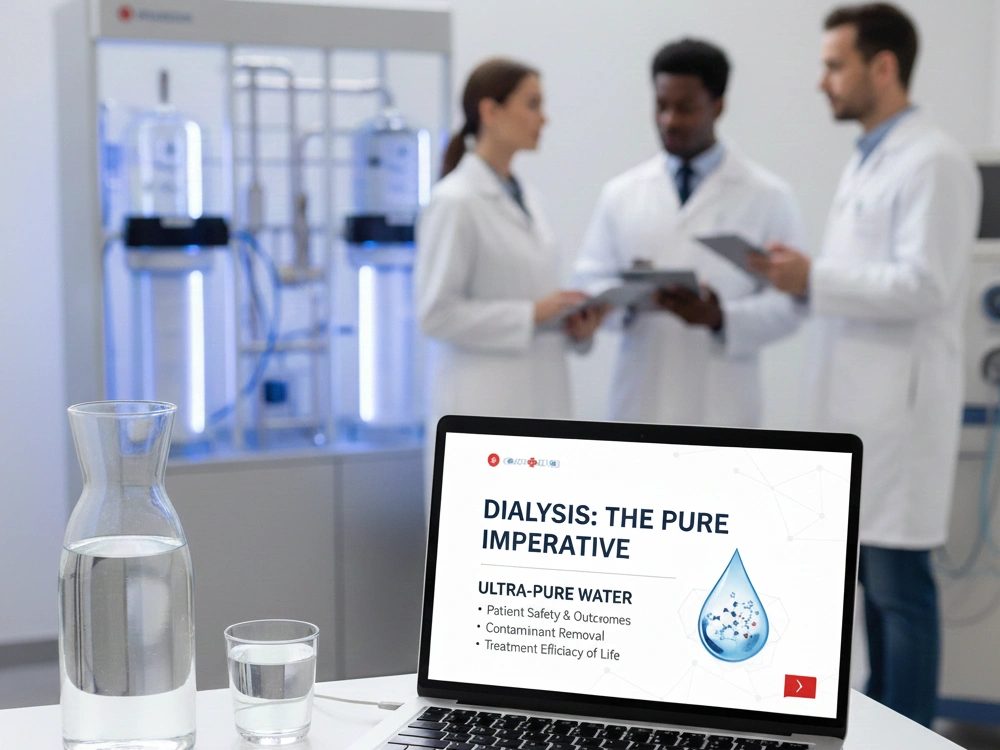
The complex journey from tap water to dialysis water quality underscores a fundamental truth: ultra-pure water is the single most important component in safe and effective hemodialysis. Adherence to AAMI standards through sophisticated multi-stage filtration—from initial softening and chloramine removal to final Reverse Osmosis for Dialysis and ultrafiltration—is non-negotiable.
Is your facility or home dialysis program compliant with the latest AAMI standards? Contact our expert water treatment engineers today for consultation on designing, auditing, or upgrading your hemodialysis water treatment system to ensure the highest level of patient safety.